
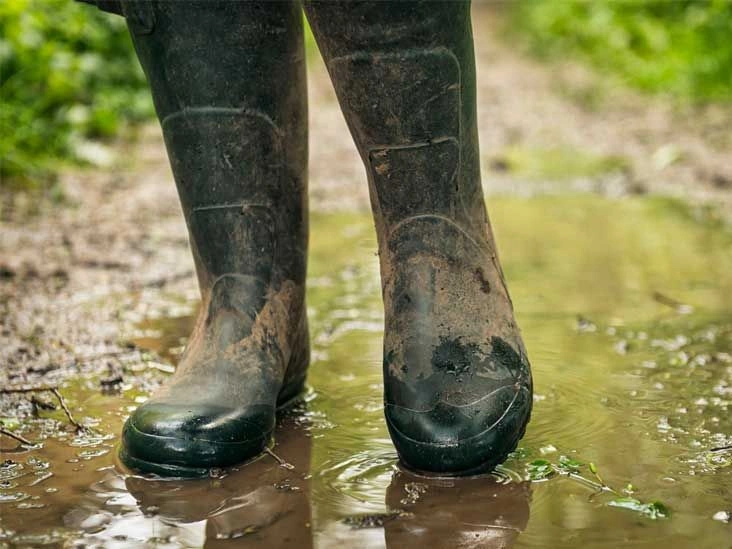
Trench foot, also known as immersion foot syndrome, is a serious condition that arises when feet remain damp for extended periods. It harms the circulation and nerve function within the foot.
The condition first gained attention during World War I, when soldiers developed trench foot after spending long stretches in cold, wet trenches without sufficient socks or boots to keep their feet dry.
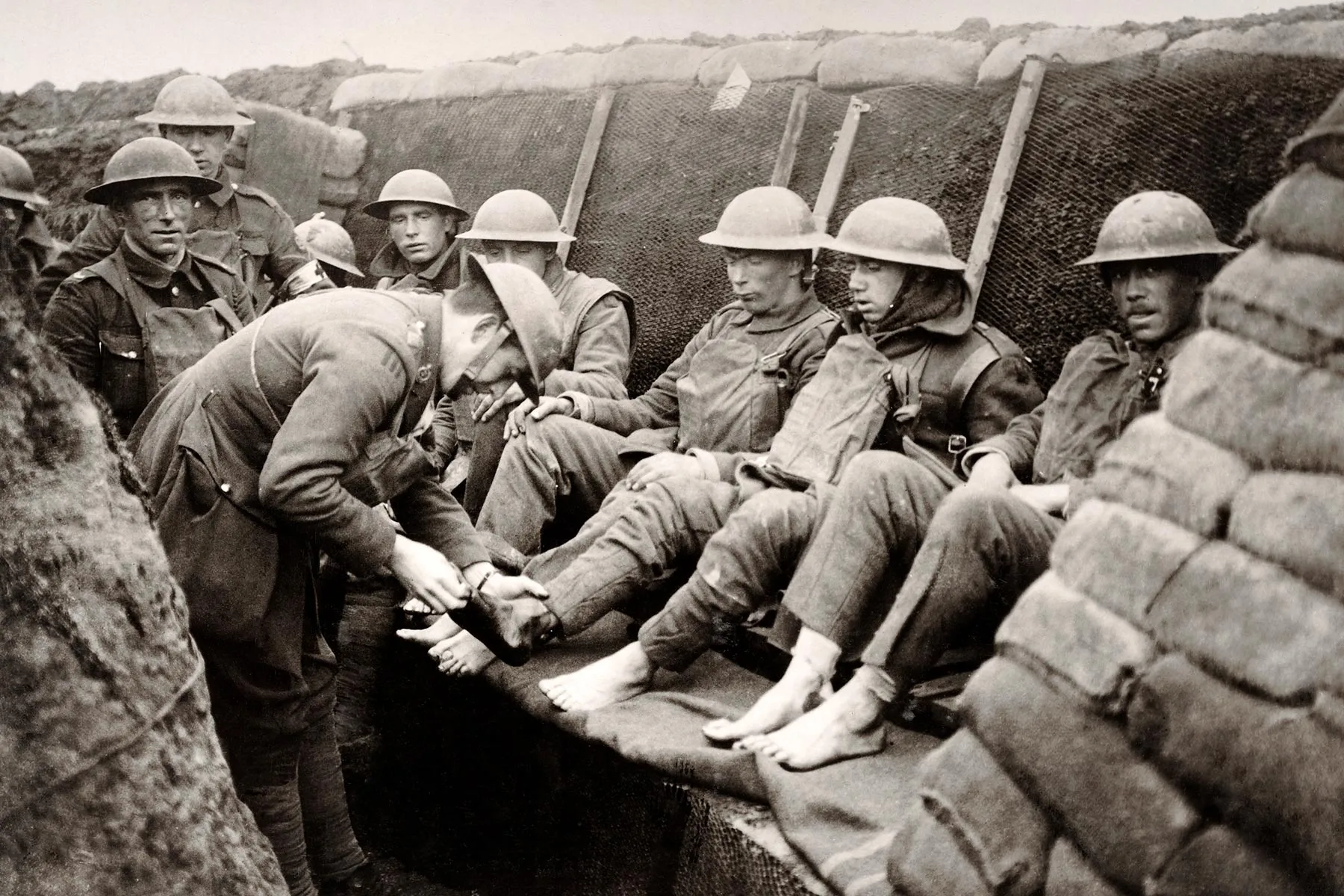
Trench foot was responsible for an estimated 2,000 American and 75,000 British soldier deaths during WWI.
Since that notorious outbreak, awareness about keeping feet dry has increased. Nonetheless, trench foot can still occur today if feet are exposed to cold, wet conditions for too long.
Keep reading to find out more about trench foot and practical steps you can take to treat and prevent it.
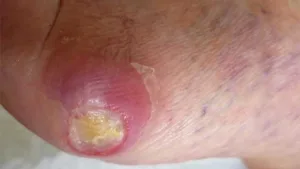
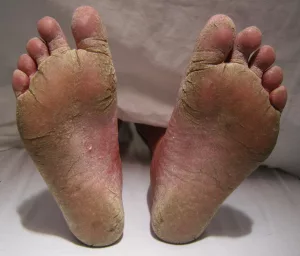
Trench foot pictures
Trench foot symptoms
Trench foot produces visible changes in the feet, including:
- blisters
- mottled or blotchy skin
- redness
- skin tissue that dies and sloughs off
It can also cause a variety of sensations in the feet, such as:
- feeling cold
- a heavy sensation
- numbness
- pain when exposed to heat
- ongoing itching
- pins-and-needles or prickliness
- tingling
These signs may be limited to parts of the feet, but in severe instances they can involve the entire foot, including toes.
Trench foot causes
Trench foot develops when feet stay wet and fail to dry properly. It is most frequently observed in temperatures between 30˚F and 40˚F, though it can even appear in desert settings. The critical factor is how saturated your feet become, rather than just how cold they are (which differentiates it from frostbite). Prolonged standing in wet socks and shoes tends to increase risk more than activities like swimming with protective footwear.
With sustained cold and moisture, circulation and nerve function in the feet can be compromised. The tissue is deprived of the oxygen and nutrients normally delivered by the blood. Sometimes reduced nerve function can make symptoms such as pain less obvious.
If left untreated, trench foot can cause serious complications, including:
- amputation
- large or severe blisters
- difficulty walking on the affected feet
- gangrene, or tissue death
- permanent nerve injury
- ulcers
You may also be at higher risk for complications if you have open wounds on your feet. During recovery from trench foot, watch for infection signs like swelling or discharge from any wounds.
Diagnosing trench foot
A physician can diagnose trench foot through a physical exam. They will inspect any injuries and tissue loss and evaluate the degree of circulation impairment. They may also assess nerve function by testing whether you can sense pressure points on your foot.
Trench foot treatment
As knowledge of trench foot has advanced, the approach to treatment has changed. In WWI, initial care often involved bed rest. Soldiers were also treated with foot washes containing lead and opium. As conditions improved, massage and plant-based oils like olive oil were applied. In worsening cases, amputation was sometimes performed to stop circulation problems from spreading.

Modern treatment is more straightforward. First, rest and elevate the injured foot to encourage blood flow and to reduce the chance of new blisters or wounds. Ibuprofen (Advil) can relieve pain and reduce swelling. If ibuprofen is not suitable, a doctor may suggest aspirin or acetaminophen (Tylenol) for pain relief, although these alternatives do not reduce inflammation as effectively.
Early trench foot symptoms can often be managed at home. According to the U.S. Centers for Disease Control and Prevention, some of the same measures used for frostbite are appropriate. Recommended steps include:
- remove your socks
- avoid wearing dirty socks to bed
- clean the affected area immediately
- dry your feet thoroughly
- apply warm packs to the area for up to five minutes
If home care does not lead to improvement, seek medical attention to prevent complications.
Outlook
When identified early, trench foot is treatable without lasting problems. Prevention is one of the most effective strategies: carry spare socks and footwear if you’ll be outdoors for long periods. It also helps to air-dry your feet after removing shoes and socks — even when you don’t think your feet were wet.

















Leave a Reply
You must be logged in to post a comment.