

You might notice a single toe going numb because of trauma, nerve injury, or medical issues like bunions. At times, the shoes you choose are the culprit behind toe discomfort.
This little piggy may indeed have gone to market, but if one side of it feels numb, it’s understandably worrying.
Toe numbness can present as a total or partial loss of feeling. It can also manifest as tingling or a pins-and-needles sensation.
A variety of problems, from mild to serious, can result in full or partial numbness of the big toe. In some cases, simple changes to your footwear will resolve the issue. In other cases, professional medical care may be necessary.
Whether the numbness is at the tip, along the sides, or across the whole big toe, here’s what you should know.
Reasons your big toe could feel numb
Possible causes of partial or complete numbness in the big toe include:
Shoes that are too tight
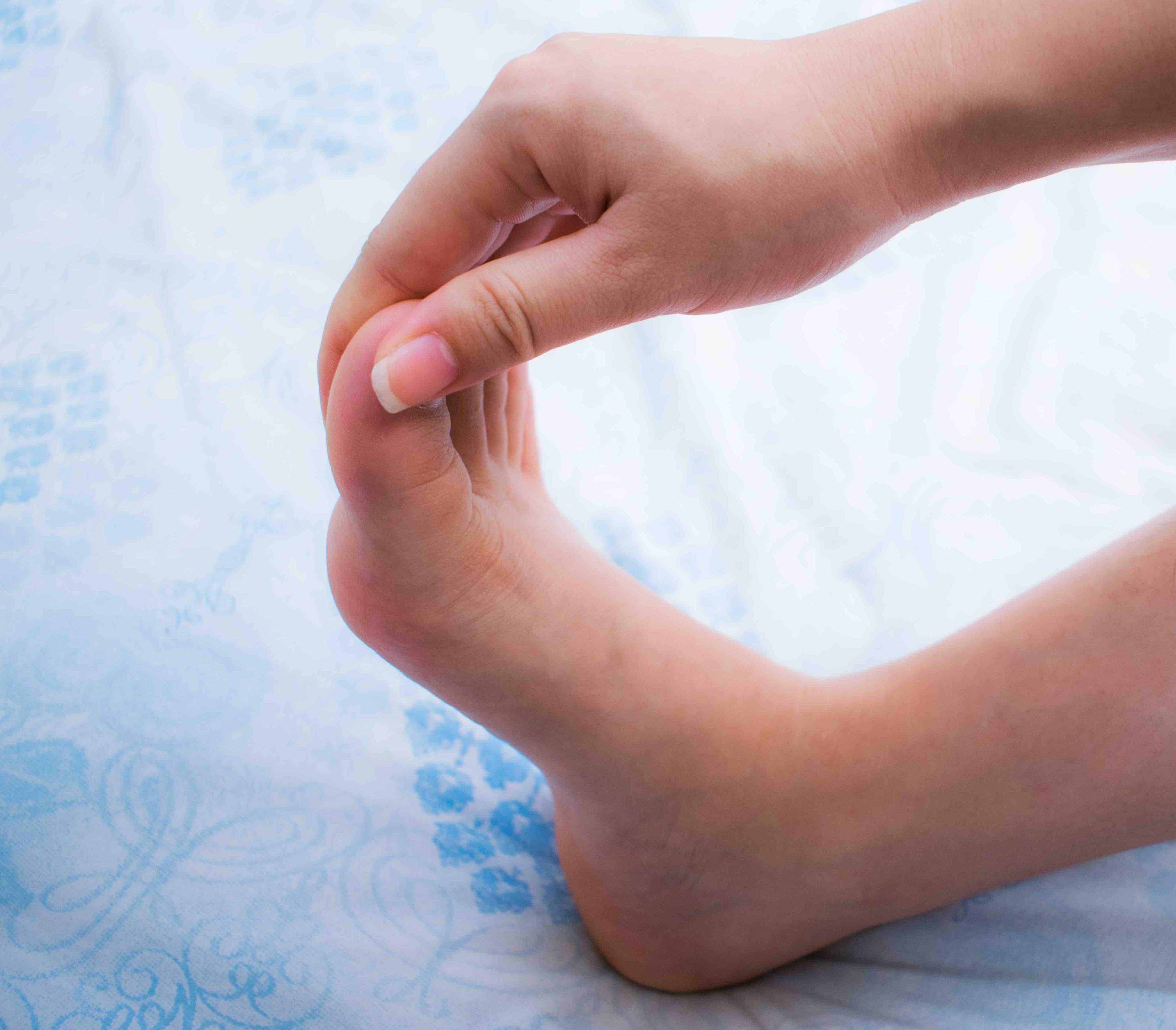
Dress shoes, high heels, or sneakers that squeeze the toes can lead to numbness in parts of the big toe.
The feet and toes contain blood vessels, nerves, and bones. If the toes are cramped in tight footwear, especially with repeated daily wear, circulation can be restricted and other problems may develop. This can diminish sensation or create a pins-and-needles feel.
Hallux limitus and hallux rigidus
These disorders develop when the metatarsophalangeal (MTP) joint at the base of the big toe becomes stiff and loses flexibility.
Hallux limitus indicates some limited MTP joint movement. Hallux rigidus means the MTP joint has lost motion entirely. Both can lead to bone spurs forming over the joint. If these spurs press on nerves, tingling or numbness may occur.
Peripheral neuropathy

Peripheral neuropathy refers to nerve damage outside the brain and spinal cord. It can produce numbness, weakness, tingling, or pain in the feet and toes.
Partial or complete numbness in the big toe or multiple toes may develop. The numbness often appears gradually and can spread up one or both legs.
Along with numbness, you might experience heightened sensitivity to touch. Some people report that their feet feel as if they are swaddled in heavy socks.
Diabetes is a common cause of peripheral neuropathy. Other causes include:
- bone marrow disorders like lymphoma
- chemotherapy (chemotherapy-induced neuropathy)
- radiation
- kidney disease
- liver disease
- hormonal imbalances
- hypothyroidism (underactive thyroid)
- autoimmune conditions such as rheumatoid arthritis
- tumors or growths pressing on nerves
- viral infections
- bacterial infections
- physical trauma
- alcohol use disorder
- vitamin B deficiency
Bunions

A bunion is a bony protrusion that develops at the base of the big toe. It forms when bone shifts out of alignment toward the front of the foot.
Bunions push the big toe toward the second toe and often arise from wearing shoes that are too narrow or tight.
Frostbite
Prolonged exposure to freezing temperatures, or wet feet in cold weather, can lead to frostbite.
Toes can suffer frostbite even when in socks and boots. Frostnip, a milder precursor to frostbite, can also create numbness.
Raynaud’s disease
This circulatory condition causes numbness and color changes in the fingers, toes, ears, and tip of the nose. It occurs when the small arteries that supply blood to the extremities spasm or constrict in response to cold or emotional stress.
Raynaud’s comes in two forms:
- Primary Raynaud’s is usually mild and often resolves without treatment.
- Secondary Raynaud’s stems from underlying issues that may need care, such as carpal tunnel syndrome or atherosclerosis.
How to treat numbness in your big toe
Treatment for big toe numbness depends on the root cause:
Treating peripheral neuropathy
Many conditions that cause peripheral neuropathy, such as diabetes and hypothyroidism, can be managed medically.
Some causes of neuropathy, like vitamin shortages, may respond to supplements and lifestyle measures — for example, vitamin B-6 is important for nerve health.
There is also some research suggesting acupuncture may lessen or eliminate numbness from peripheral neuropathy.
Treating bunions
Many bunion-related problems can be managed at home.
Choosing comfortable shoes that don’t rub the bunion can reduce irritation and numbness. Applying ice can also help.
In some cases, over-the-counter or custom orthotics relieve numbness and pain. If conservative measures fail, bunion surgery might be necessary.
Treating hallux limitus and hallux rigidus
Correction of hallux limitus and hallux rigidus typically requires surgery.
Treating frostbite and frostnip
Frostbite can rapidly become a medical emergency and should be addressed immediately. Mild frostbite may be treated at home.
Move out of the cold, remove any wet clothing, and gently rewarm your feet in a warm water bath for about 30 minutes. Severe frostbite needs professional medical care.
Treating Raynaud’s disease
Quitting smoking can reduce the severity of Raynaud’s episodes. Keeping warm and avoiding cold exposure, both indoors and outdoors, also helps manage symptoms.
How to prevent numbness in your big toe
If the numbness fades after taking off your shoes, tight footwear is likely the issue.
Discard shoes that don’t fit
Replace overly tight shoes with properly fitting pairs. Aim for about half a thumb’s width of space at the toe for casual and dress shoes.
Athletic shoes should allow about a full thumb’s width. Avoid footwear that’s too narrow to lower the risk of developing bunions.
Limit high-heel use
Avoiding high heels can prevent some cases of hallux limitus and hallux rigidus. High heels shift pressure onto the front of the foot, stressing the MTP joint. If you wear heels, try to minimize use and add cushioned orthotic inserts.
If you have diabetes, monitor sugar, carbs, and alcohol
If you have a condition that can lead to peripheral neuropathy, follow your healthcare provider’s advice to control it. This may include managing blood sugar and carbohydrate intake for diabetes or seeking support for excess alcohol use.
If you smoke, consider a cessation program
Talk to your clinician about quitting smoking.
Tobacco use constricts blood vessels and reduces nutrient delivery to peripheral nerves, potentially worsening neuropathy and Raynaud’s and increasing toe numbness.
If you live in a cold region, wear warm socks and insulated boots
Protect against frostbite and frostnip by wearing warm or layered socks and insulated boots. Limit time outdoors in freezing weather and change out of wet footwear promptly.
When to see a doctor
Seek immediate medical attention if toe numbness follows an injury or head trauma.
Whether gradual or sudden, toe numbness can signal a serious issue. Contact your healthcare provider if you experience partial toe numbness along with any of the following:
- vision problems such as sudden blurriness
- confusion
- facial drooping
- balance difficulties
- muscle weakness or loss of motor control
- numbness on one side of the body
- severe headache
Takeaway
Partial numbness of the big toe can stem from many causes. It may be influenced by lifestyle choices, like wearing high heels, or by medical disorders such as diabetes or rheumatoid arthritis.
Toe numbness is often manageable with conservative measures at home, but when it’s related to an underlying health issue, medical intervention may be required. If you’re concerned about ongoing or worsening symptoms, consult a healthcare professional. For related issues, you might also find helpful information on foot pain at night.
















Leave a Reply
You must be logged in to post a comment.