
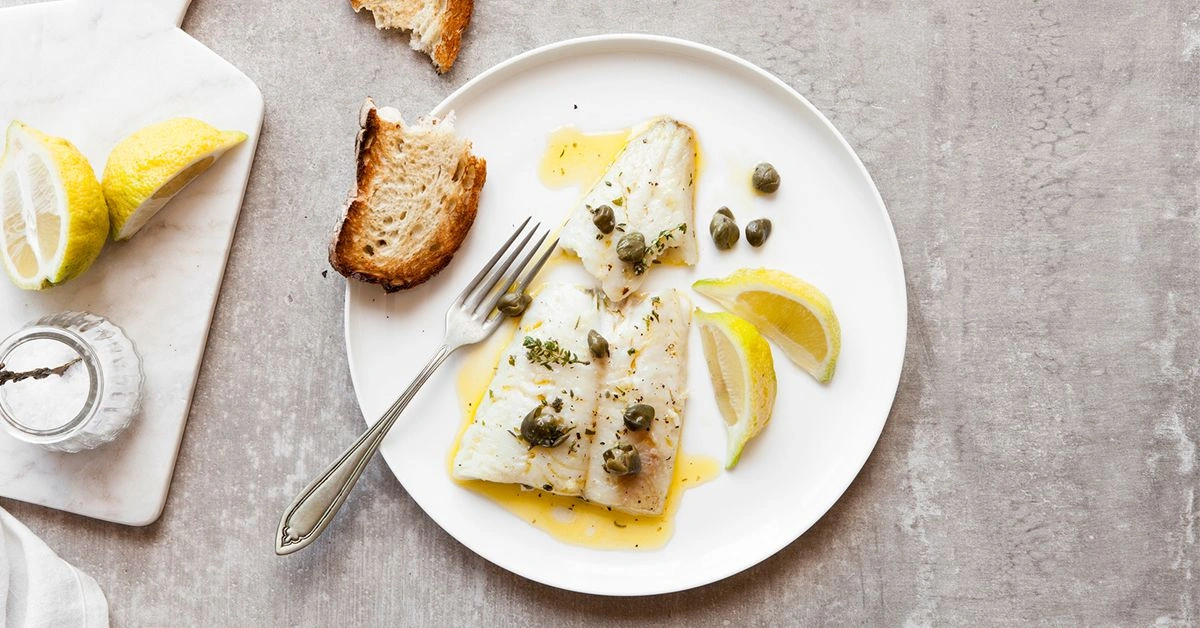
One portion of catfish delivers plenty of lean protein, beneficial fats, vitamins, and minerals. It’s also low in mercury compared with many other fish.
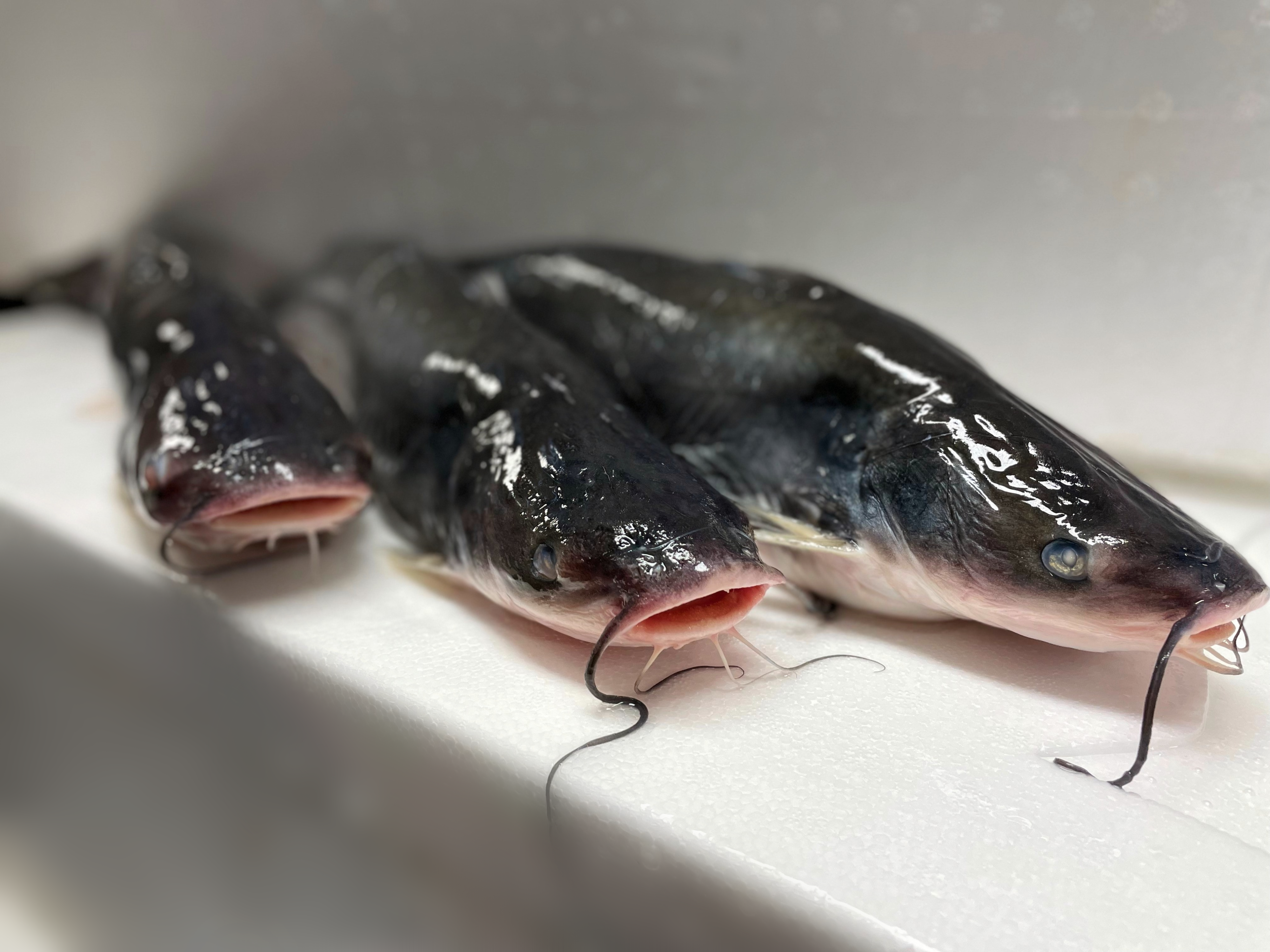
Catfish are among the oldest and most widely distributed fish species.
They adapt extremely well to their surroundings and flourish across much of the globe, excluding only areas with very extreme temperatures.
You’ll frequently spot catfish on restaurant menus and supermarket shelves, so it’s reasonable to ask whether it’s a nutritious choice.
This article reviews the nutrients, advantages, and potential drawbacks of catfish.
Nutrition facts
This familiar fish offers an excellent nutrient profile.
A 3.5-ounce (100-gram) portion of fresh catfish supplies (1):
- Calories: 105
- Fat: 2.9 grams
- Protein: 18 grams
- Sodium: 50 mg
- Vitamin B12: 121% of the Daily Value (DV)
- Selenium: 26% of the DV
- Phosphorus: 24% of the DV
- Thiamine: 15% of the DV
- Potassium: 19% of the DV
- Cholesterol: 24% of the DV
- Omega-3 fatty acids: 237 mg
- Omega-6 fatty acids: 337 mg
Besides being low in calories and sodium, catfish is rich in protein, healthy fats, vitamins, and minerals.
Summary: Catfish is a low-calorie, high-protein seafood that supplies many nutrients, including vitamin B12, selenium, and omega-3 and omega-6 fatty acids.
Health benefits of catfish
Because catfish is nutrient-dense—offering several nutrients while remaining low in calories—it may offer multiple health advantages.
Packed with lean protein
Protein is a primary fuel source in the diet. It also helps build and repair tissues and muscles and forms the basis of many hormones, enzymes, and other essential molecules.
A 3.5-ounce (100-gram) serving of catfish supplies about 32–39% of daily protein needs for only 105 calories (2).
By comparison, the same portion of salmon provides roughly half of your daily protein needs but contains more than 230 calories.
Protein-rich, nutrient-dense foods such as catfish can support weight loss by enhancing satiety. This fish is an excellent option for people tracking calories but wanting to ensure adequate nutrient intake.
Contains omega-3 fatty acids
The U.S. Department of Agriculture (USDA) recommends consuming up to 8 ounces of fish or other seafood weekly (3).
One reason for this guidance is that catfish and other seafood generally supply more omega-3 fatty acids than most other foods (4).
Omega-3s are well-known for supporting brain health.
Although more research is required, they may help with neurological and mental health issues such as memory decline, attention deficit hyperactivity disorder (ADHD), and depression (5, 6).
Omega-3s are also associated with improvements in muscle strength, cardiovascular health, and even the gut microbiome — the community of beneficial bacteria in your intestines (7, 8, 9, 10).
A review of 23 studies including over a million participants linked fish consumption to a reduced overall risk of death — estimating a 7% lower mortality risk for every 200 mg of omega-3s eaten daily (11).
Because the body cannot synthesize omega-3s, they must come from the diet. A 3.5-ounce (100-gram) catfish fillet provides 237 mg, roughly 15–20% of the Adequate Intake (AI) for adults (5).
While catfish does contain omega-3s, it is a leaner fish and offers fewer of these fatty acids than oily fish like salmon.
For example, a 3-ounce serving of fatty fish such as salmon can contain up to 1,800 mg of omega-3s, versus about 200 mg in a 3-ounce serving of catfish (12).
A good source of vitamin B12
A single 3.5-ounce (100-gram) portion of catfish provides up to 121% of the DV for vitamin B12, a nutrient many people lack (1).
Although several fish are rich in this vitamin, catfish is an especially strong source.
Sufficient vitamin B12 is linked to several potential health perks, including better mental health, protection from cardiovascular disease, and prevention or treatment of anemia (13, 14, 15, 16, 17, 18, 19, 20).
That said, additional research is warranted to confirm some of these benefits (21).
Summary: Catfish are low in calories yet nutrient-dense, offering substantial protein, omega-3 fatty acids, and vitamin B12.
Cooking methods for catfish
Catfish can be part of a healthy diet, but the way it’s prepared greatly affects its nutritional quality.

The following table shows how different cooking methods change the calories, sodium, and fat in a 3.5-ounce (100-gram) serving of catfish (22, 23, 24):
| Dry heat without oil | Baked or broiled with oil | Breaded and fried | |
|---|---|---|---|
| Calories | 105 | 178 | 229 |
| Fat | 2.9 grams | 10.9 grams | 13.3 grams |
| Sodium | 50 mg | 433 mg | 280 mg |
Although fried catfish is common, alternative cooking methods yield much lower calorie, fat, and sodium totals.
Relative to dry-heat techniques, frying catfish in oil can add up to 124 calories and more than 10 grams of fat. Healthier dry-heat preparations include baking, broiling, grilling, roasting, and pan-searing.
Summary: Preparation method has a big impact on catfish’s calorie, fat, and sodium content. For a healthier choice, opt for dry-heat approaches like baking or broiling.
Wild-caught vs. farm-raised catfish
Aquaculture, or fish farming, typically occurs in large ponds, cages, or circular tanks. A significant portion of the global catfish supply comes from aquaculture.
Still, some consumers prefer wild-caught catfish.
Differences in nutrients
The nutrient composition of catfish can differ depending on whether it was farmed or caught in the wild.
Farmed catfish are commonly fed high-protein diets that include grains such as soy, corn, and wheat. Their feed often contains added vitamins, minerals, antioxidants, fatty acids, and sometimes probiotics (25, 26).
By contrast, wild catfish are bottom feeders that consume algae, aquatic plants, fish eggs, and occasionally other fish.
These dietary differences can meaningfully alter their vitamin and mineral profiles.
One study comparing wild and farmed African catfish reported that mature farmed fish had the highest amino acid levels, while fatty acid profiles varied: wild catfish had more linoleic acid but less eicosanoic acid than farmed specimens (27).
Another study of the same African species found that wild fish contained more protein, fat, fiber, and overall calories than farmed ones (28).
Similarly, research on Indian butter catfish noted higher fat in farmed fish, while wild fish had higher concentrations of most minerals except iron, which was much higher in the farmed group (29).
Labeling
Checking the label should indicate how your fish was raised.
Governments in the United States, Canada, and the European Union require fish to be labeled as farm-raised or wild-caught. Packaging may also include the processing location. Other countries may enforce less strict rules (30).
Intentional mislabeling is a worldwide issue; some studies suggest seafood mislabeling rates as high as 70% in certain contexts (31).
Therefore, instead of relying solely on the label, consider buying from reputable fisheries and suppliers.
Summary: Wild-caught and farmed catfish can differ in nutrients such as protein, fatty acids, and minerals like iron. Although many countries require labeling, mislabeling does occur, so buying from trusted sources is wise.
Are there contaminants in catfish?
Concerns about contaminant exposure from seafood are common.
Fish can absorb pollutants from the water they inhabit, which you may then ingest when consuming seafood.
Mercury, a heavy metal, is a particular worry.
It’s linked to potential neurological risks, especially in children, and has been studied in relation to conditions like autism and Alzheimer’s disease (32, 33, 34, 35).
However, larger, longer-lived fish typically accumulate more mercury than smaller species like catfish. For example, swordfish can contain up to about 40 times more mercury than catfish on average (36).
The Food and Drug Administration (FDA) classifies catfish among species low in mercury, making it a safer seafood option for those worried about contaminants (37).
Summary: While some fish are high in mercury, catfish is generally low in this contaminant. For that reason, the FDA lists catfish among healthier seafood choices.
The bottom line
Catfish is low in calories and rich in lean protein, healthy fats, vitamins, and minerals.
It’s notably high in heart-healthy omega-3 fats and vitamin B12.
Catfish can be a nutritious addition to meals, but deep-frying dramatically increases its calories and fat compared with dry-heat methods like baking or broiling.
If you want to eat more seafood, catfish is a worthwhile choice to include in your diet.






















Leave a Reply
You must be logged in to post a comment.