
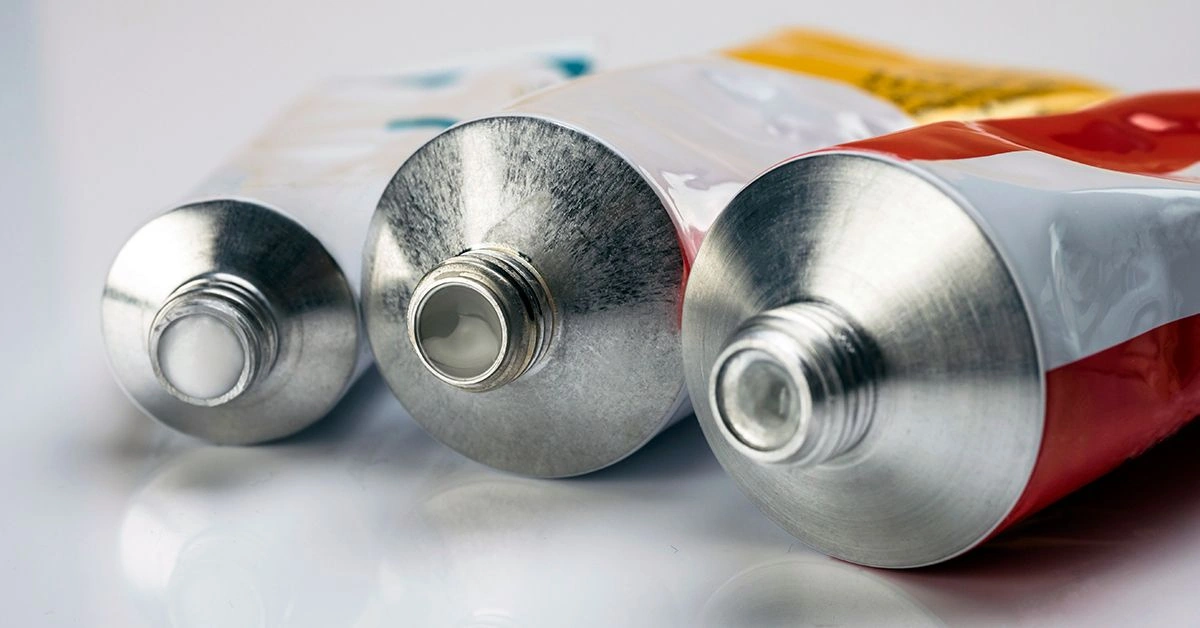
Clobetasol, triamcinolone, and fluocinonide are prescription drugs that can help reduce intense inflammation and itching caused by poison ivy.
When poison ivy triggers a pronounced reaction, over-the-counter (OTC) remedies often aren’t sufficient to relieve symptoms such as severe itching, pain, widespread rash, or marked swelling.
In these situations, a clinician may suggest prescription therapies to control symptoms and lower the risk of complications like secondary skin infection.
Topical prescription options for poison ivy
For more severe poison ivy, a provider may prescribe topical corticosteroids, which generally work better than OTC products at easing symptoms.
- Clobetasol propionate (Clobex, Temovate): This potent corticosteroid is used by clinicians to treat intense itching, redness, and rash. It’s commonly prescribed for up to 3 weeks.
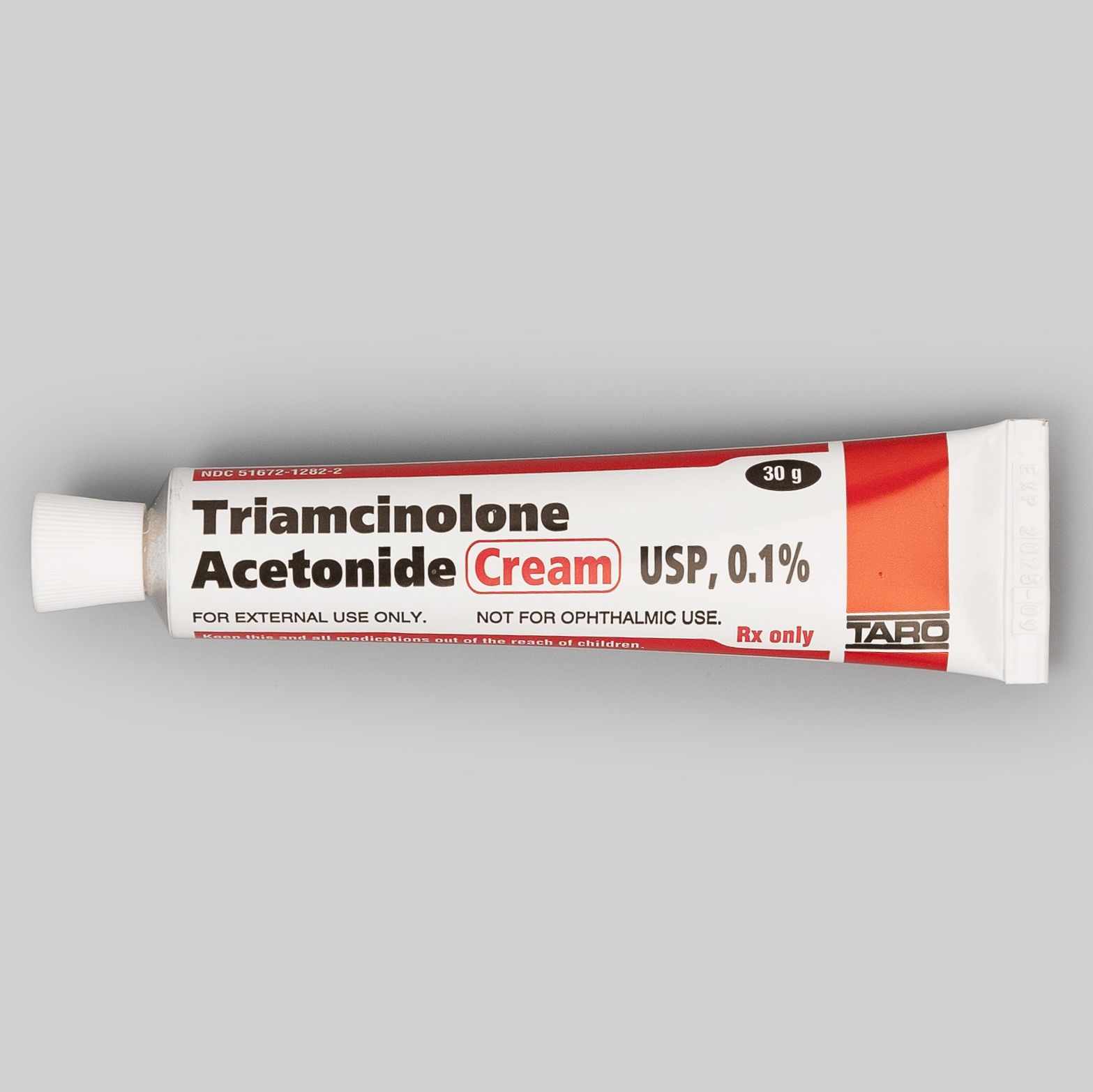
- Triamcinolone acetonide (Kenalog): Suitable for treating itching and inflammation when symptoms are less severe than those requiring clobetasol. Typical use is up to 4 weeks.
- Fluocinonide (Vanos): Prescribed to decrease persistent inflammation, rash, and itching tied to poison ivy. It’s usually recommended for up to 3 weeks.
- Betamethasone dipropionate (Diprolene): This corticosteroid cream can relieve inflammation and itching and is generally used for short courses, often up to 3 weeks.
Although these topical steroids are effective, long-term use can lead to side effects, including:
- thinning of the skin
- local irritation
- higher susceptibility to skin infections
Sticking to the advised treatment length helps reduce these risks.
Oral prescription treatments for poison ivy
When topical therapy isn’t enough or the rash is extensive, clinicians may prescribe oral drugs such as systemic corticosteroids and antihistamines to alleviate symptoms.
Prednisone
Prednisone is commonly prescribed for severe poison ivy outbreaks. It suppresses the immune response, which can significantly reduce intense itching caused by the reaction.
Therapy typically lasts about 2 to 3 weeks, often beginning with a higher dose that is slowly tapered down to avoid a rapid recurrence of symptoms.
Gradually decreasing corticosteroid doses also helps lower the chance of side effects like adrenal insufficiency, a condition in which the body doesn’t produce enough cortisol, particularly if steroids are stopped suddenly.
Potential adverse effects of prednisone include:
- elevated blood glucose
- mood changes such as increased irritability
- fluid retention
- difficulty sleeping
Physicians may also use other oral corticosteroids like dexamethasone (Decadron), methylprednisolone (Medrol), and prednisolone (Prelone, Orapred); durations and responses can differ.
In more severe presentations, treatment may be extended to 14 to 20 days to fully control symptoms, since shorter courses can lead to recurrence and increased healthcare visits.
Hydroxyzine
This oral antihistamine can help control intense itching and discomfort from poison ivy. It may be taken as needed or on a regular schedule to manage symptoms.
Hydroxyzine often causes sedation, which can be beneficial for people whose sleep is disrupted by itching.
Other side effects may include:
- dry mouth
- headache
- drowsiness
When to seek medical care
Mild poison ivy can often be handled at home with OTC products and simple measures. Home care is usually appropriate for:
- a localized rash limited to a small area that isn’t spreading
- mild itching and redness
- a rash without signs of infection, such as oozing or pus
However, certain signs suggest a more serious reaction where prescription treatment may be needed to prevent complications.
The Food and Drug Administration (FDA) advises seeking care if:
- the rash covers a large portion of your body or involves sensitive areas like the face or genitals
- blisters form and begin to ooze, or the rash looks infected
- you have severe itching, marked swelling, or trouble breathing
- the rash worsens or interferes with sleep
- you develop a fever
Combining OTC and prescription treatments
Yes, you can use OTC and prescription treatments together to better control poison ivy symptoms.
For instance, you might take an OTC antihistamine like diphenhydramine (Benadryl) for mild itching while applying a prescribed corticosteroid cream to reduce inflammation.
Home remedies can be used alongside prescription therapies, but they shouldn’t replace medical treatment in severe cases.
Discussing combined use of prescription drugs with a healthcare professional is important to avoid interactions and complications.
Common home treatments for poison ivy may include:
- applying calamine lotion or hydrocortisone cream to ease itching and dry blisters
- cold compresses to reduce pain and soothe irritated skin
- lukewarm baths with colloidal oatmeal to calm itching and inflamed skin
- adding baking soda to running water to help dry the rash
Key points
Prescription treatments are important for managing severe poison ivy. Topical corticosteroids like clobetasol and triamcinolone can effectively reduce rash, itching, and inflammation.
For more extensive or treatment-resistant cases, a clinician may prescribe oral medications such as prednisone to control severe symptoms and prevent complications.
Always consult a healthcare professional before beginning any new treatment to ensure it’s safe and appropriate.















Leave a Reply
You must be logged in to post a comment.