
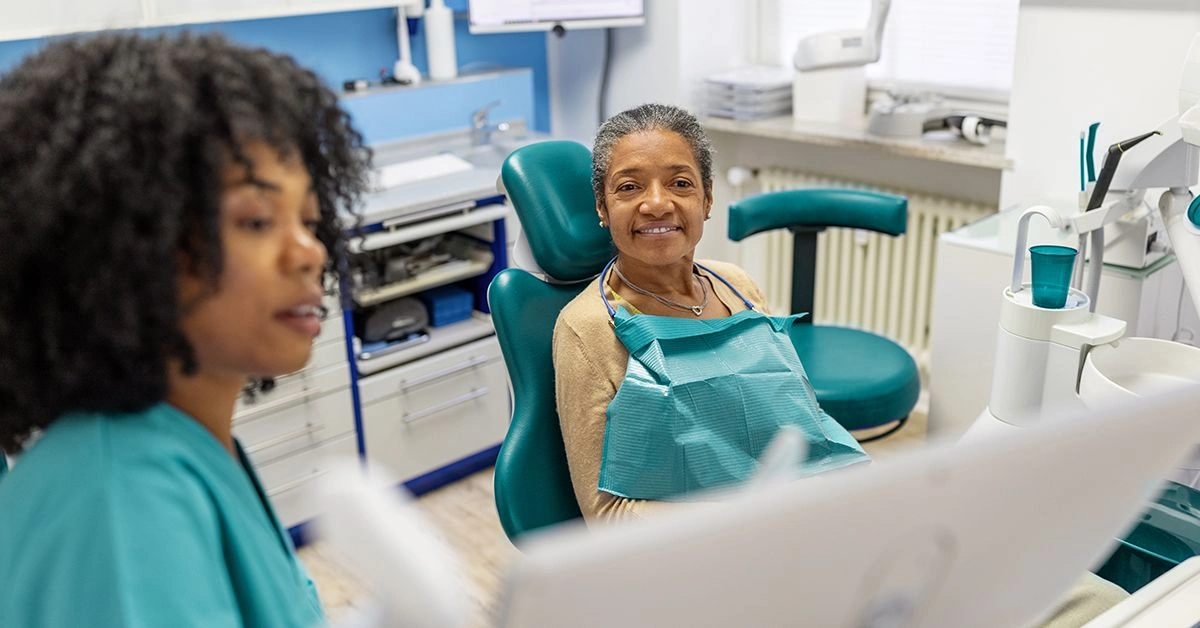
Zirconia dental crowns provide several advantages — notably toughness and long-lasting performance — but they sometimes don’t blend as naturally with adjacent teeth as porcelain restorations do.
A dental crown is a cap placed over a natural tooth or an implant. Dentists commonly recommend crowns to support teeth that are broken, weak, or misshapen. Crowns also conceal teeth that are severely worn or discolored and can be used with bridges to reinforce multiple teeth.
Crowns are available in a variety of materials, including metals and ceramics. Recently, zirconia — a highly durable ceramic — has become an increasingly popular option for crowns.
Continue reading to learn more about zirconia dental crowns.

Advantages of zirconia crowns
Zirconia crowns are growing in popularity and provide several clear benefits.
High strength
One of zirconia’s primary benefits is its exceptional strength and durability. Consider the significant forces your molars generate while chewing.
Crowns need to withstand substantial pressure, making zirconia a solid choice for posterior restorations. Because zirconia is so robust, a dentist may need to remove less tooth structure during preparation.
Durability over time
A 2017 randomized controlled trial in the Journal of Dentistry reported that zirconia-based crowns performed comparably to metal-based crowns over a five-year period. Monolithic zirconia crowns, made entirely of zirconia, are particularly resilient.
A more recent 5-year study from 2022 reported similar favorable outcomes for zirconia crowns placed on implants.
Biocompatible
Zirconia is often chosen because it is biocompatible, meaning it’s less likely to trigger inflammatory or immune reactions. A 2020 review of the literature supports this, noting good clinical performance for zirconia crowns across studies.
Possible single-visit treatment
Many practices can fabricate zirconia crowns in-office rather than sending impressions to an external lab, allowing placement in one appointment.
The CEREC (Chairside Economical Restoration of Esthetic Ceramics) approach uses CAD/CAM (computer-aided design/computer-aided manufacturing) technology to speed production. A dental milling unit carves the crown from a solid zirconia block.
This workflow can eliminate the need for a second visit, although not every dental office has the equipment or provides zirconia crowns in-house.
Potential drawbacks of zirconia crowns
As with other dental treatments, zirconia crowns have potential downsides to consider.
Color-matching challenges
Zirconia can appear opaque, which sometimes makes it harder to mimic the translucency of natural teeth. This is particularly true for monolithic zirconia crowns that are solely zirconia without layering of other ceramics, though this is less of an issue for back teeth where esthetics are less critical.
May cause wear on opposing teeth
Some clinicians have been cautious about using zirconia in certain situations, concerned that its hardness could abrade opposing teeth.
However, a 2021 study indicated that feldspathic porcelain produced more enamel wear on opposing teeth than zirconia ceramic did.
Combining zirconia with porcelain
Because zirconia can be less translucent, some dentists apply a porcelain layer over a zirconia substructure to achieve a more natural-looking restoration.
A zirconia crown veneered with porcelain can be matched more easily to nearby teeth in color and translucency.
Research suggests that adding a porcelain layer can increase the risk of chipping or delamination (separation of layers), which is an important consideration.
Cost of zirconia crowns
Dental crowns can be expensive, often ranging between $1,000 and $2,000.
Zirconia crowns usually carry a higher price tag than many other crown types such as ceramic, metal, or porcelain crowns, typically costing between $1,000 and $2,500. Location and regional fees may affect pricing.
Insurance coverage varies; some plans may not fully cover crowns. It’s advisable to check with your insurer to determine whether they cover all or part of the crown cost and whether specific crown materials are included.
Other crown materials
Zirconia is not the only option. Common crown materials include:
- ceramic
- porcelain
- metal
- composite resin
- hybrids such as porcelain-fused-to-metal (PFM)
Discuss material choices with your dentist, taking into account how much natural tooth remains, the tooth’s location and function, the amount of gum visible when you smile or speak, and the color of surrounding teeth.
What to expect during a crown appointment
There are two primary approaches to placing a crown. Many dentists perform a two-visit process: preparing the tooth and placing a temporary crown at the first visit, then cementing a permanent crown at a follow-up. If your dentist has in-office zirconia milling capability, a single-visit procedure may be possible.
Two-visit approach
The dentist typically:
- Takes an initial impression of your tooth before preparation for a temporary crown.
- Removes part of the outer tooth structure if required.
- Records an impression of the prepared tooth for manufacturing the final crown.
- Installs a temporary crown while the permanent one is made.
- Sends impressions to a dental lab to fabricate the crown.
- Schedules a return visit to cement the completed crown.
Single-visit approach
In a same-day workflow, the dentist will:
- Evaluate your mouth, take digital scans or photos, and prepare the tooth, which may include local anesthesia.
- Use the digital scan to design and mill the crown on-site.
- Cement the finished crown into place.
Summary
Zirconia crowns can be an excellent option for many patients, offering notable strength and longevity. When deciding, weigh the benefits against potential esthetic limitations, the risk of wear to opposing teeth, and cost. Discuss these factors with your dentist to determine whether a zirconia crown is the right choice for your situation.





















Leave a Reply
You must be logged in to post a comment.