
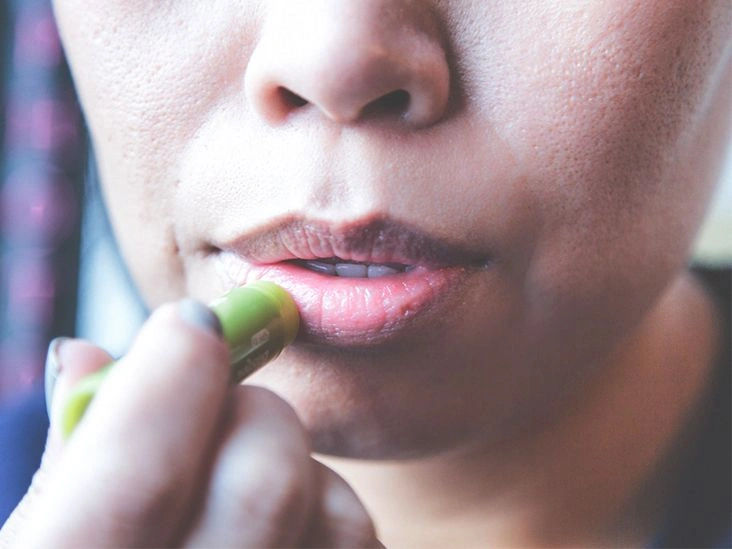
Treating sunburned lips is similar to addressing sunburn on other parts of the body. You can use aloe vera and cold compresses, try topical soothing products, or take anti-inflammatory medication to ease discomfort.
The shoulders and forehead are common sites for sunburn, but many other areas can be affected. Your lips are particularly vulnerable, with the lower lip being at higher risk.
Lip skin can suffer both acute sunburn and long-term sun damage, which may cause pain and raise the risk of skin cancer. In fact, the lower lip is 12 times more likely to develop skin cancer than the upper lip.
There are multiple ways to treat sunburned lips and to reduce the chance of it happening again.
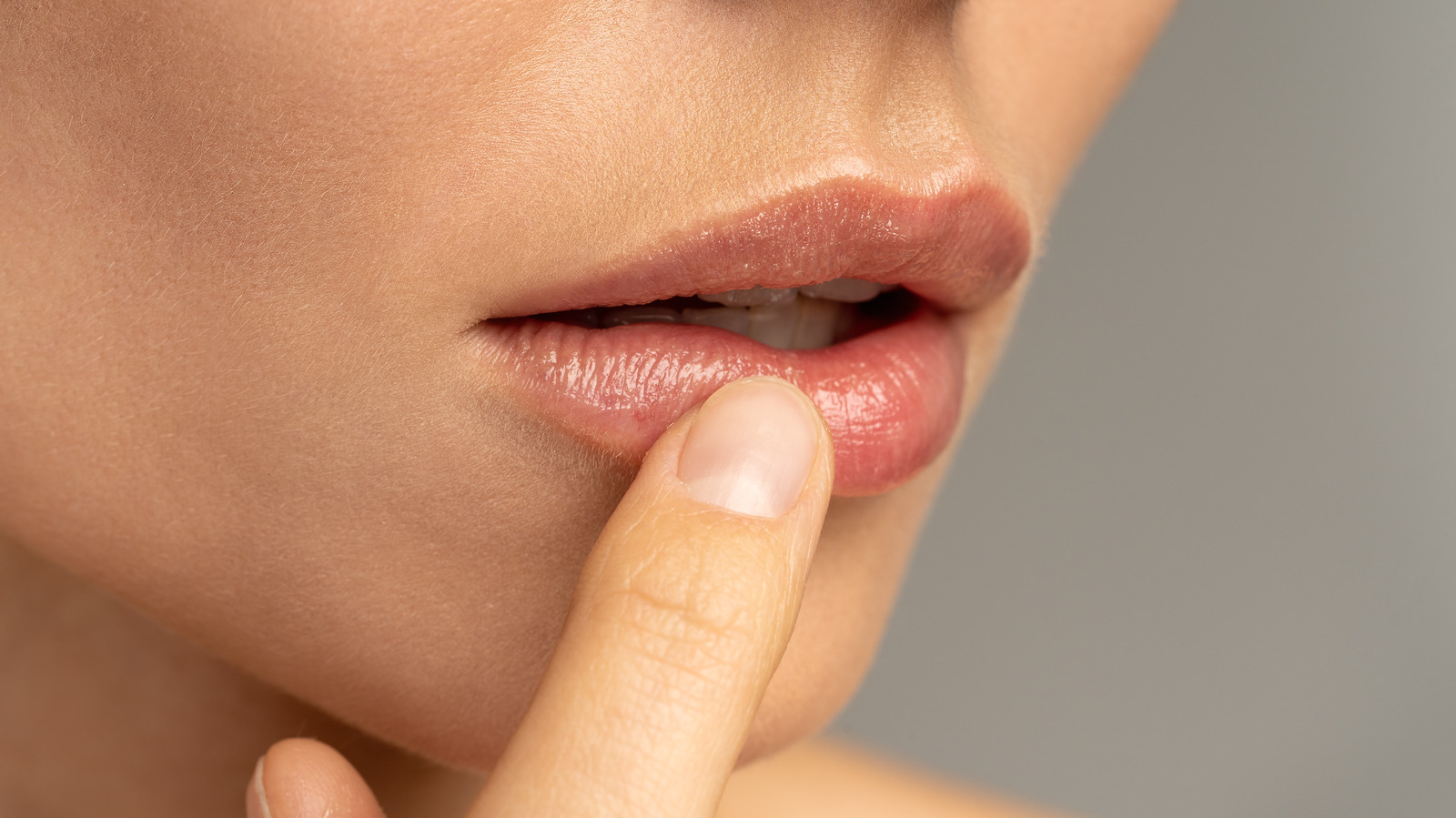
What are the symptoms of sunburned lips?
Common signs of sunburned lips include:
- lips that appear redder than usual
- swelling of the lips
- sensitivity or tenderness when touched
- blister formation on the lips
A mild sunburn on the lips typically resolves within three to five days.
Cold sore or sunburn?
Blisters from sunburn look and feel different than cold sores (oral herpes).
Cold sore blisters commonly tingle, burn, or itch. While sun exposure can trigger cold sores, they also arise from stress or viral illness. Cold sores may begin as small blisters that fill with pus and can develop into shallow ulcers as they heal.
Sunburn blisters are usually small, white, fluid-filled bumps. You’ll often observe other signs of sun exposure on unprotected skin, such as:
- redness
- swelling
- pain
- blistering in cases of severe sunburn
When to call a doctor
Most cases of sunburned lips can be managed at home, but seek immediate medical help if you have:
- extremely swollen lips
- a swollen tongue
- a rash
These signs might indicate a more serious problem, such as an allergic reaction.
If you’re unsure whether swelling is severe, watch for one or both lips being noticeably larger than normal. The lip may feel “puffy” and painful. You may also struggle with:
- eating
- drinking
- speaking
- opening your mouth
How are sunburned lips treated?
Sunburned lips can be soothed with healing and cooling preparations. Some remedies used for skin sunburns aren’t safe for lips because they could be swallowed.
For lip sunburn, consider these approaches:
Cold compresses
Soak a soft washcloth in cold water and place it gently on your lips to reduce heat and discomfort. You can also use a cloth dipped in icy water, but avoid applying ice directly to the burn.
Aloe vera
The gel from an aloe vera plant soothes sunburn pain. If you have an aloe plant, you can cut a leaf, extract the gel, and apply it to your lips.
After-sun gels are also available at pharmacies. For lip use, choose gels that are 100 percent aloe. Storing the gel in the refrigerator provides extra cooling relief.
Anti-inflammatories
Oral anti-inflammatory medicines can reduce pain and redness from sunburn, especially when taken soon after exposure. Examples include ibuprofen (Advil, Motrin), which can help from the inside.
Moisturizers
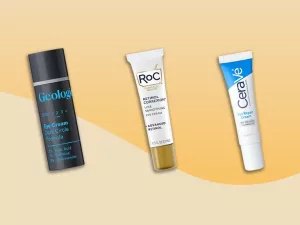
Restoring moisture to irritated lips can comfort and protect the skin during healing. A topical moisturizer such as CeraVe or Vanicream can be helpful.
The American Academy of Dermatology (AAD) advises avoiding moisturizers that contain petroleum, as they can trap heat in the sunburned tissue.
Hydrocortisone 1 percent cream
If other measures are ineffective, you may apply a 1 percent hydrocortisone cream to the burned areas on your lips. Be careful not to lick your lips after applying it, since it’s not intended to be ingested.
Treatments to avoid
Do not use products containing “-caine” ingredients like lidocaine or benzocaine, which can irritate or cause allergic reactions and shouldn’t be swallowed.
Avoid petroleum-based products for the same reason: they can lock in heat from the burn.
If blisters form from the sunburn, do not pop them.
Always consult your healthcare provider before beginning any treatment.
What is the outlook for sunburned lips?
You can take measures to prevent future lip sunburns. Using a lip balm or lipstick with an SPF of at least 30 is a good starting point.
Because you eat, drink, and often lick your lips, lip sunscreen needs more frequent reapplication than regular skin sunscreen. Reapplying about every hour is a useful guideline.
Your lips get sun exposure year-round, no matter your location. Wearing a sun-protective lip balm consistently helps prevent future lip sunburns.


















Leave a Reply
You must be logged in to post a comment.