
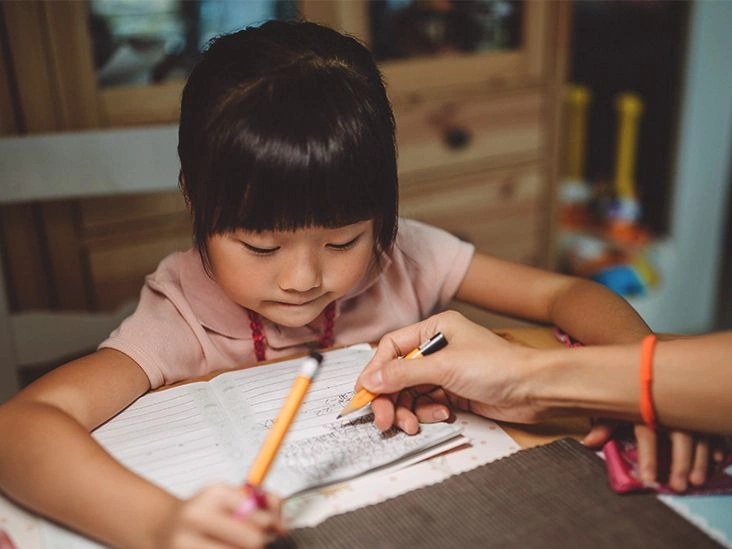
Studies indicate that many students are assigned homework amounts that exceed expert recommendations, which can trigger stress and adverse health outcomes.
Research finds that when youngsters are expected to manage workloads that outpace their developmental readiness, both children and their families can suffer significant stress.
Both the National Education Association (NEA) and the National PTA (NPTA) endorse a guideline of “10 minutes of homework per grade level” and advocate for a general cap on after-school assignments.
That guideline translates to about 10 minutes nightly for first graders and up to roughly two hours per evening for high school seniors.
Experts warn there are real harms for young children who receive more homework than the “10 minutes per grade” recommendation.
“The evidence shows that homework beyond this amount not only fails to improve grades or GPA, but there’s abundant proof that it harms children’s attitudes about school, their academic performance, confidence, social skills, and overall quality of life,” Donaldson-Pressman told CNN.

Yet the latest investigation into this issue discovered that early elementary students in their sample were receiving about triple the recommended homework time.
Published in The American Journal of Family Therapy, the 2015 paper surveyed more than 1,100 parents in Rhode Island who had school-aged children.
The team found that first and second graders averaged 28 and 29 minutes of homework per evening.
Kindergarten students averaged 25 minutes of homework each night — yet under NEA and NPTA recommendations, they shouldn’t be getting any.
A study contributor, Stephanie Donaldson-Pressman, told CNN she was “absolutely shocked” to discover kindergarteners were assigned that much work.
Those extra tasks can generate family tension, particularly when parents with limited schooling lack confidence in addressing homework concerns with teachers.
The researchers noted that arguments about homework were 200 percent more likely in families where parents did not hold a college degree.
Some parents have even chosen to reject the practice entirely. The Washington Post reported in 2016 that certain parents instructed their younger children not to complete assigned homework.
Those families say the no-homework approach has removed stress from afternoons and evenings and made it easier for children to join after-school programs.
Effects on high school students
Additional studies indicate high school students can be overloaded with homework — sometimes to the detriment of their health.
A 2013 Stanford University study found that students in high-performing communities who dedicate excessive time to homework suffer greater stress, physical health issues, imbalance in life, and a sense of social isolation.
That research, published in The Journal of Experimental Education, suggested that more than two hours of homework per night becomes counterproductive.
However, participants in the study reported averaging slightly over three hours of nightly homework.
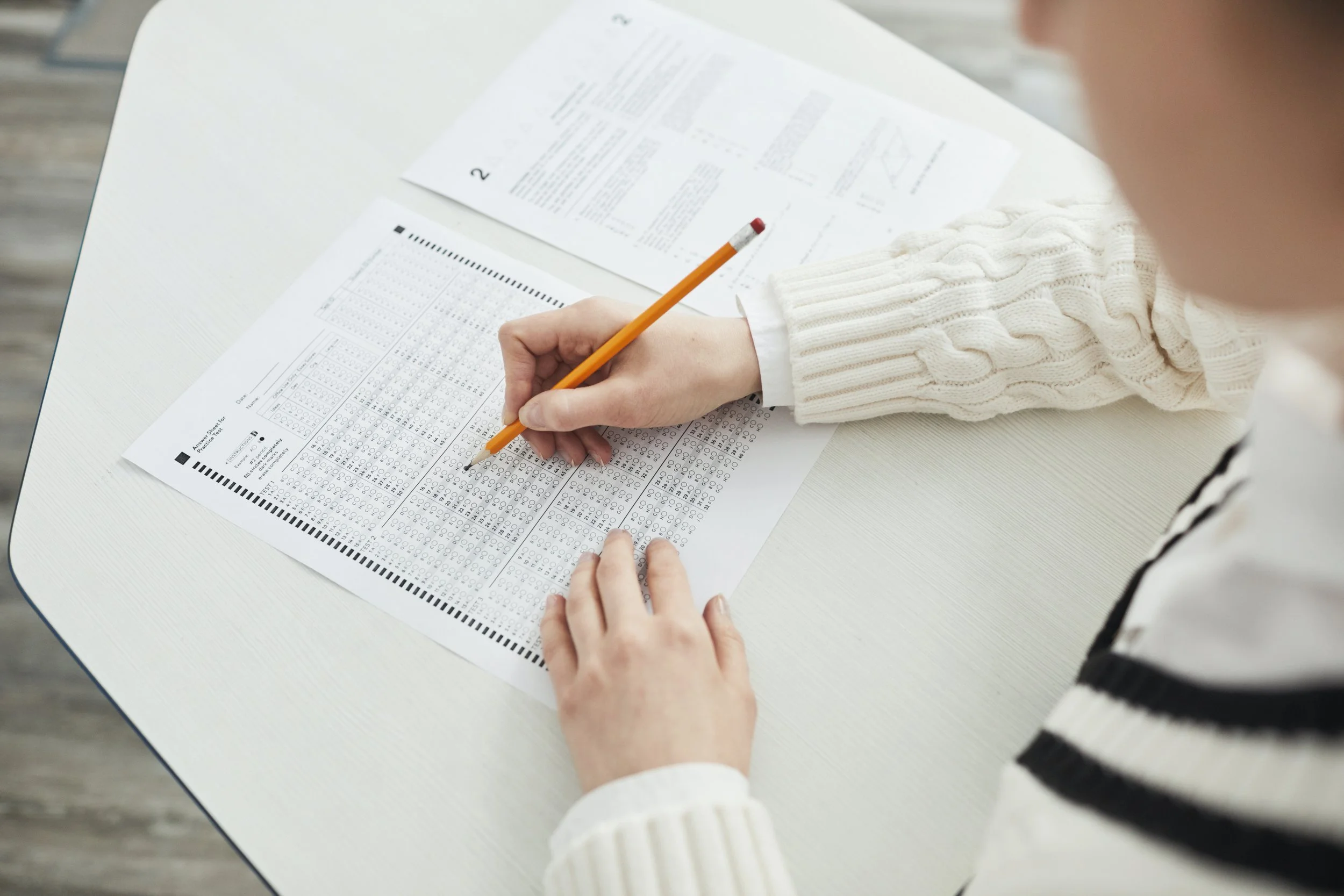
To carry out the research, investigators surveyed more than 4,300 students at 10 academically competitive high schools in affluent California communities and interviewed students about their homework experiences.
Regarding stress, over 70 percent of students said they were “often or always stressed about schoolwork,” and 56 percent singled out homework as a key stressor. Fewer than 1 percent said homework was not a source of stress.
Researchers asked whether students experienced physical stress symptoms such as headaches, fatigue, lack of sleep, weight loss, and stomach issues.
More than 80 percent reported at least one stress-related symptom in the prior month, and 44 percent reported three or more symptoms.
They also found that excessive homework time prevented students from meeting developmental needs and acquiring other essential life skills. Pupils were more prone to skip activities, reduce contact with friends and family, and abandon hobbies.
Many felt compelled to prioritize homework over cultivating other abilities or interests.
“Our findings on the effects of homework call into question the traditional belief that homework is inherently beneficial,” said Denise Pope, PhD, a senior lecturer at the Stanford University School of Education and co-author of the study.
Adult-level pressure harms teens
A smaller New York University study published in 2015 revealed similar concerns.
It looked more broadly at how students at elite private high schools manage combined pressures from schoolwork, college applications, extracurricular commitments, and parental expectations.
This study, appearing in Frontiers in Psychology, identified serious health consequences for high schoolers, including chronic stress, emotional exhaustion, and substance use.
The researchers conducted interviews with students, teachers, and administrators, and surveyed 128 juniors across two private high schools.
About half of the students reported receiving at least three hours of homework nightly. They also felt pressured to enroll in college-level courses and to excel in outside-school activities.
Many students believed they were expected to perform at adult levels, noting that the workload was misaligned with their developmental stage. They reported minimal time for relaxation or creative pursuits.
More than two-thirds of students said they used alcohol and drugs, primarily marijuana, to manage stress.
Investigators warned that students at high-pressure schools risk burning out before they reach college.
“School, homework, extracurricular activities, sleep, repeat — that’s what it can be for some of these students,” said Noelle Leonard, PhD, a senior research scientist at the New York University College of Nursing and lead study author, in a press release.
Assignment quality outweighs quantity
Experts still debate homework’s pros and cons.
But an article published this year in Monitor on Psychology highlights one area of agreement: the usefulness of homework depends heavily on its quality.
In the Stanford research, many students described their homework as “pointless” or “mindless.”
Pope, a co-author, argued that assignments should be purposeful and beneficial, aimed at fostering learning and development.
It’s also vital for schools and teachers to adhere to the 10-minutes-per-grade guideline.
In an interview with Monitor on Psychology, Pope emphasized that students can master challenging material with less homework.
She described an Advanced Placement biology teacher she knew who tested the idea by significantly reducing homework—first by one-third, then by half.
The students’ exam results remained unchanged.
“You can run a rigorous course without an excessive homework burden,” Pope said.
Editor’s Note: This story was originally reported by Sandra Levy on April 11, 2017. The current publication date reflects an update, which included a medical review by Karen Gill, MD.






















Leave a Reply
You must be logged in to post a comment.