

Your areolas are the pigmented rings that surround the nipples. Like breasts, areolas come in many sizes, hues, and shapes. Having large or uneven areolas is common. If their size bothers you, surgical reduction is an option.
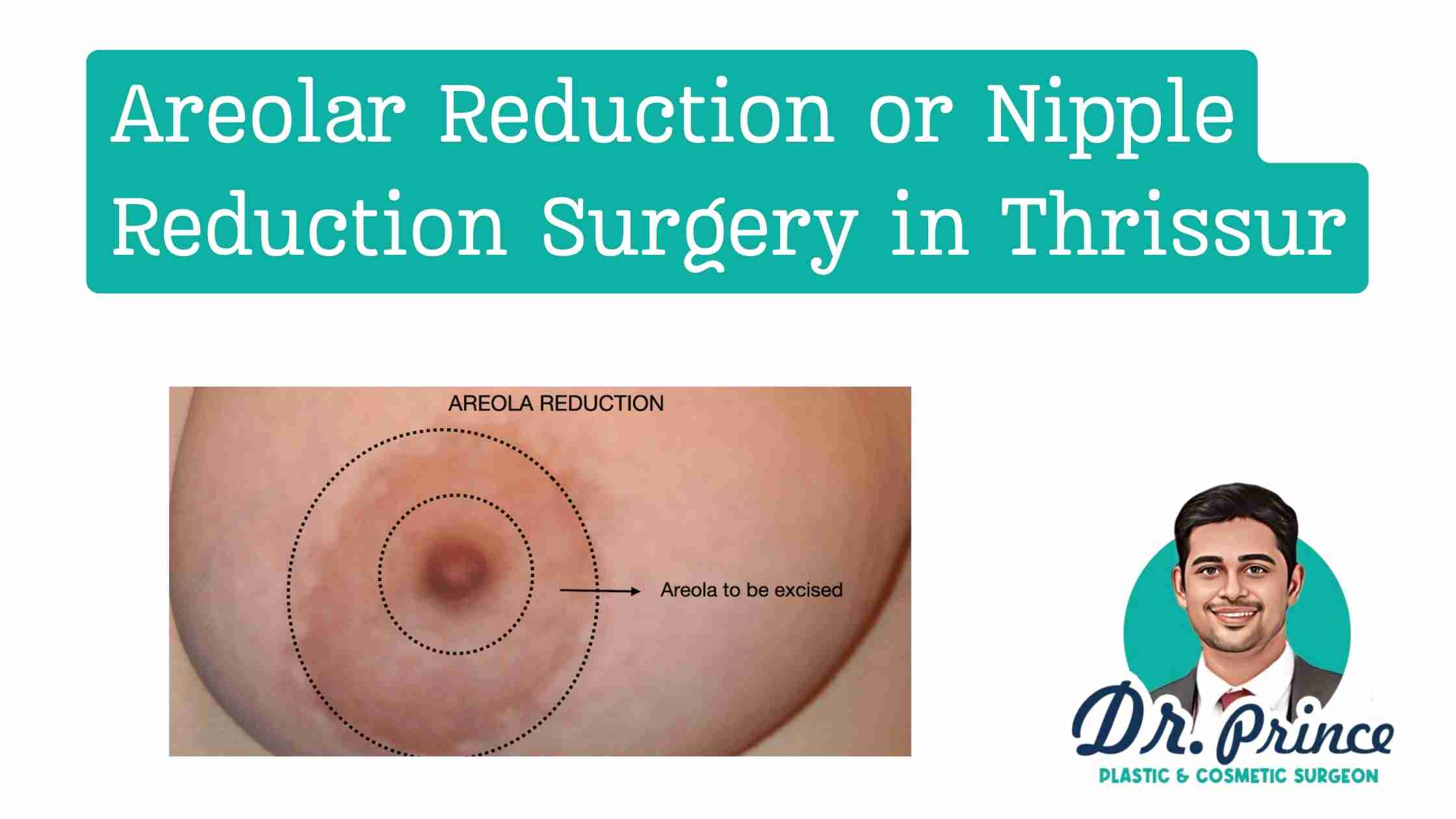
Areola reduction is a fairly straightforward operation that decreases the diameter of one or both areolas. It can be done as a standalone procedure or combined with a breast lift, breast reduction, or breast augmentation.
Continue reading to find out how the procedure is performed, what recovery entails, and other important details.
Who is a candidate?
Areola reduction is appropriate for any man or woman dissatisfied with the size of their areolas.
This surgery is particularly useful if significant weight loss has stretched the areolas. It’s also commonly chosen by people whose areolas changed after pregnancy or breastfeeding.
Other suitable candidates include those with puffy or prominent areolas. People with uneven areolas sometimes opt to reduce one so both match.
For females, it’s best to wait until breast development is complete—typically by the late teens or early 20s—before considering areola reduction. Adolescent males may be cleared for the procedure at an earlier age.
How much does it cost?
The price for areola reduction varies based on several factors, including where you live. The primary cost driver is whether the surgery is performed alone or alongside another breast procedure.
When combined with a lift or reduction the total expense will be higher. Performed alone, areola reduction typically ranges from $2,000 to $5,000.
Because areola reduction is cosmetic, it is generally not covered by insurance. You will need to pay out of pocket, although many clinics provide financing plans to help spread the cost.
How to choose a plastic surgeon
Picking an experienced surgeon for your areola reduction is crucial. Seek a surgeon who is certified by the American Board of Plastic Surgery.
Board-certified plastic surgeons meet higher standards than many cosmetic practitioners. They complete at least six years of surgical training, with a minimum of three years focused on plastic surgery.
Ask to review a surgeon’s before-and-after photos. This helps you assess their skill and determine whether their aesthetic aligns with your goals.
How to prepare
After selecting a surgeon, you’ll attend a consultation to discuss next steps. During that visit, your surgeon will typically:
- examine your breasts
- hear your cosmetic concerns
- explain your surgical options
- collect your full medical history and list of current medications
If you’re considered a suitable candidate, the surgeon will review the procedure and indicate where scars are likely to form. They’ll provide an idea of your expected postoperative appearance and ensure your expectations are realistic.
Once the consultation is complete, you’ll be scheduled for surgery and receive specific preoperative instructions.
These instructions may include:
- avoiding certain drugs like aspirin and ibuprofen for about a week before surgery
- setting up transportation to and from the facility
- fasting the day before surgery if you’ll have general anesthesia
- using a surgical soap when showering on the day of the operation
- not wearing makeup or other cosmetics on surgery day
- removing all body jewelry before arrival
- choosing comfortable, loose clothing to wear to and from the appointment
What happens during the procedure
Areola reduction is a relatively quick operation that usually takes about an hour. It can be performed in the surgeon’s clinic or at a hospital.
On arrival, nursing staff will:
- ask you to change into a hospital gown; you’ll remove your bra but may keep underwear on
- take your blood pressure
- start an intravenous line; you may receive medications to relax or to induce sleep
- attach electrodes to monitor your heart during the operation
- confirm that you have fasted if required
Before the incision, you’ll review any last questions with your surgeon. The anesthesiologist will give either a local anesthetic or prepare you for general anesthesia.
During surgery:
- The surgeon will remove a doughnut-shaped section of tissue from the areola.
- The circular cut is made along the areola’s edge so the resulting scar can be easily concealed.
- A permanent internal suture is used to secure the smaller areola and help prevent future stretching.
- Removable or absorbable stitches are placed to close the outer incision.
Your surgeon may fit you with a special post-op bra or dress the area with surgical bandages.
If only local anesthesia was used, you can usually go home shortly after the procedure. With general anesthesia, you’ll be observed for a few hours before discharge.
Possible risks and complications
Areola reduction is generally safe, but as with any operation, there are risks.
These include:
- Loss of sensation. Surgeons typically leave the central nipple tissue intact to lower the chance of sensory loss. Temporary numbness during healing is possible, but permanent loss is uncommon.
- Scarring. A circular scar will run around the outer border of the areola; scarring varies between patients. For some people scars become nearly invisible, for others they remain noticeable and may be lighter or darker than the surrounding skin. Areola tattooing can sometimes improve their appearance.
- Difficulty breastfeeding. Removing part of the areola can potentially affect milk ducts. Although this is uncommon, there is a risk that future breastfeeding could be impaired.
- Infection. Following postoperative care instructions closely greatly decreases infection risk.
Recovery expectations
Recovery from areola reduction tends to be swift. While some swelling and bruising are normal, many people return to work within one to two days.
Your surgeon may advise you to:
- expect increased discomfort in the initial postoperative period
- take over-the-counter pain medications such as ibuprofen
- wear a surgical or soft sports bra for several weeks
- avoid sexual activity for about a week
- avoid direct chest contact for three to four weeks
- refrain from heavy lifting or strenuous cardio for several weeks
What’s the outlook?
It can take a few weeks before you truly see the final result of areola reduction, as early swelling and bruising can mask changes.
As swelling resolves, the breasts will settle and the areolas should appear smaller and more proportionate. You will notice the ring-shaped scar around the new areola, which can take up to a year to soften and fade.
You’ll typically return for a follow-up visit one to two weeks after surgery so your surgeon can evaluate healing and remove sutures if needed. They may prescribe topical treatments to help minimize scar appearance.
Contact your surgeon immediately if you experience any of the following:
- fever
- intense redness or swelling
- a sudden increase in pain
- pus draining from the incision
- unusually slow healing
For more information on related cosmetic concerns, you might find this resource helpful: large areola.























Leave a Reply
You must be logged in to post a comment.