
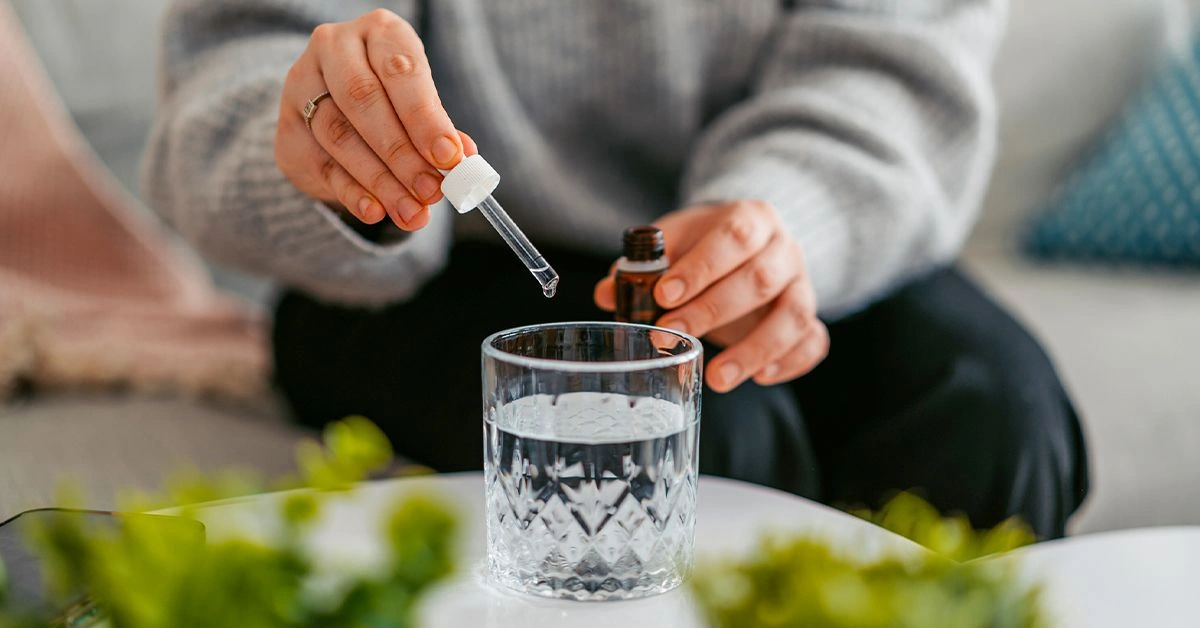
Fulvic acid refers to a collection of organic compounds present in soils, lakes, and compost that can be isolated and sold as a supplement. It’s promoted for potential benefits to immune and cognitive function.
You may have encountered fulvic acid on social media, herbal websites, or at natural product stores — it’s a supplement some people use for general wellness.
Fulvic acid supplements and shilajit — a natural substance high in fulvic acid — have gained attention for a range of purported benefits, including effects on immunity and brain health.
Below is an overview of fulvic acid: what it is, what the research says, and safety considerations.
What is fulvic acid?
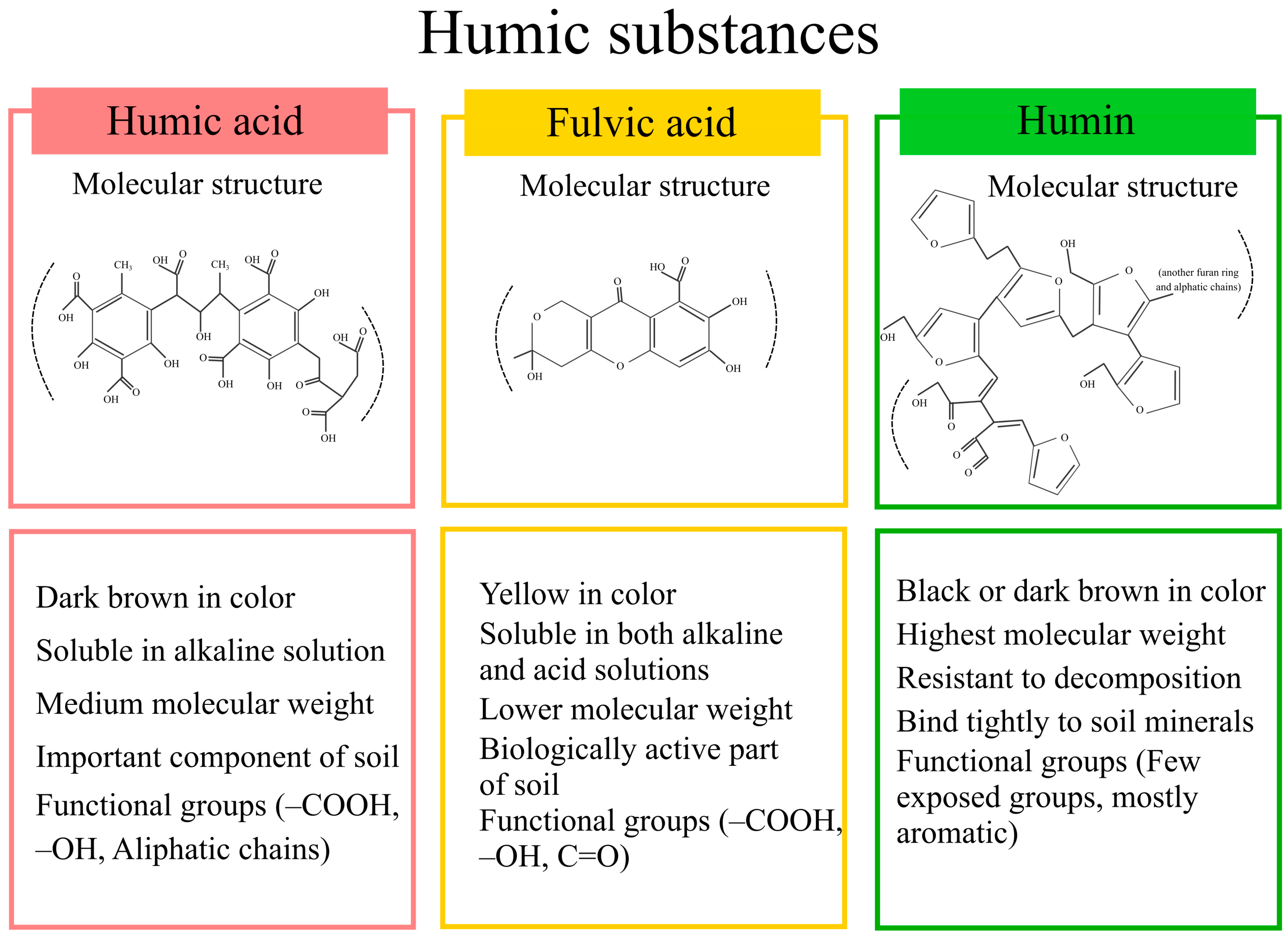
Fulvic acid is classified as a humic substance, which means it’s a naturally occurring compound found in environments like soil, compost, and freshwater systems.
It forms during decomposition processes — for example, when organic matter breaks down in a compost pile — and can be extracted from those materials to create supplements.
How does it differ from shilajit?
Shilajit is a resinous material that oozes from rocks in certain mountain regions worldwide, including the Himalayas, and is particularly abundant in fulvic acid.
Used for centuries in traditional systems like Ayurveda, shilajit is credited with various therapeutic effects and is sometimes claimed to help ward off conditions such as Alzheimer’s disease. Fulvic acid is thought to underlie many of shilajit’s health-related attributes.
Both can be consumed as supplements. Fulvic acid is often marketed as a liquid or in capsules and combined with trace minerals or amino acids, while shilajit typically appears as capsules or a fine powder that can be mixed into drinks.
Potential benefits of fulvic acid
Studies suggest that fulvic acid and shilajit may have several health-supporting properties.
Fulvic acid has been researched for effects on immune function and inflammatory processes. Animal studies indicate it might enhance the body’s defenses against certain illnesses.
It may be particularly promising for reducing inflammation, which can impair immune responses and is associated with many chronic conditions.
That said, findings are not uniform: some research links fulvic acid to pro-inflammatory outcomes depending on the dose and specific compound. More rigorous human research is necessary before these products can be confidently recommended as immune enhancers.
It’s also crucial to remember that no single supplement can prevent or cure disease. Supporting immune health through a balanced diet and healthy lifestyle remains foundational for protecting against viruses, bacteria, and other threats.
Safety and dosage
Moderate use of fulvic acid and shilajit appears to be tolerated by many people, but raw or poorly processed shilajit can contain heavy metals like arsenic and lead. Avoid unrefined products.
Shilajit and fulvic acid supplements are not regulated for quality or purity by the Food and Drug Administration, so it’s wise to buy from reputable manufacturers and look for third-party testing by organizations such as NSF International or the United States Pharmacopeia (USP).
Children as well as people who are pregnant, breastfeeding, or chestfeeding should steer clear of shilajit and fulvic acid because safety data are insufficient.
These substances can also interact with certain prescriptions, so consult a healthcare provider before adding them to your regimen.
Although generally regarded as low risk, there isn’t enough research to provide definitive dosing guidelines. Follow the directions on product labels and avoid exceeding recommended amounts.
The bottom line
Fulvic acid and shilajit, which is rich in fulvic acid, are natural products used by some people for various health aims.
Animal studies indicate potential benefits for immune and brain health and for reducing inflammation, but more human trials are needed to establish effectiveness, appropriate dosing, and long-term safety.
If you’re considering fulvic acid or shilajit, talk with a healthcare professional first and purchase supplements from reliable sources to reduce the risk of exposure to contaminants.





















Leave a Reply
You must be logged in to post a comment.