
Urine testing can reveal whether you’ve consumed alcohol within the past 24 hours.
Alcohol doesn’t persist long in the body, yet a urine screen can identify alcohol well after its effects have faded.
Urine assays can reliably pick up ethanol and its metabolites for roughly 12 to 24 hours after drinking. The precise detection window depends on which urine alcohol test is used.
Ethanol urine screens typically detect drinking within about 12 hours, while ethyl glucuronide (EtG) and ethyl sulfate (EtS) assays usually identify alcohol use up to roughly 24 hours afterward.
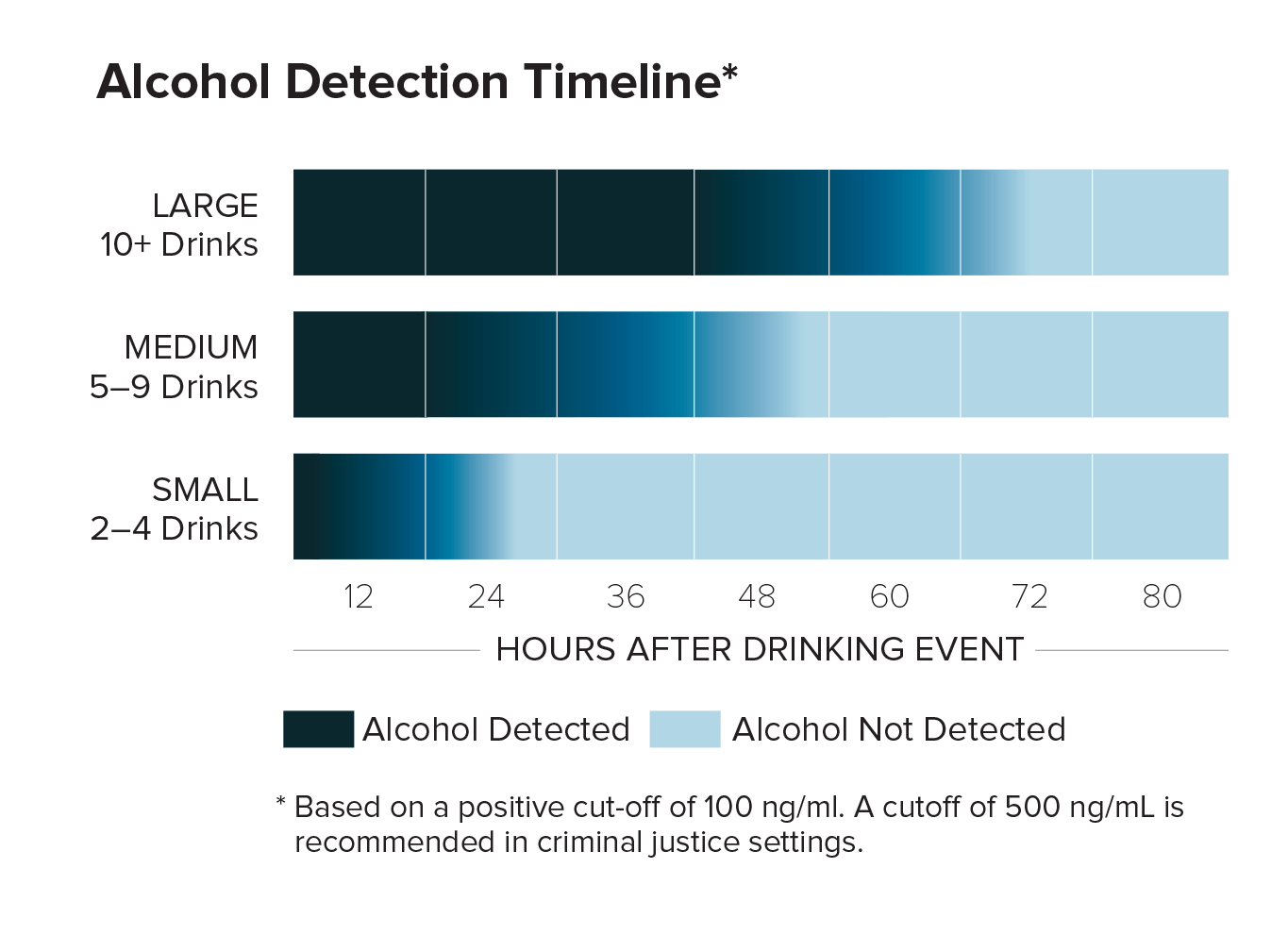
Although some EtG and EtS examinations may pick up alcohol metabolites as long as 80 hours after the last drink, the likelihood of a false negative rises after the first 24 hours.
Urine alcohol levels at a glance
EtG tests are a frequently used method to screen for alcohol intake. The table below illustrates the probability of EtG being detected in urine based on the quantity of alcohol consumed and the interval since the final drink.
This table uses a positive cut-off of 100 nanograms of EtG per milliliter — meaning a result above 100 ng/mL is considered positive.
Note that criminal courts often adopt a higher threshold of 500 nanograms per milliliter.
| Hours (hrs) | Light (1–4 drinks) | Moderate (5–9 drinks) | Heavy (10+ drinks) |
|---|---|---|---|
| 1–12 hrs | likely | likely | likely |
| 12–24 hrs | possible either way | likely | likely |
| 36–48 hrs | unlikely | possible either way | likely |
| 48–60 hrs | unlikely | unlikely | possible either way |
| 60–72 hrs | unlikely | unlikely | fairly unlikely |
| 72–80 hrs | unlikely | unlikely | unlikely |
What are urine alcohol levels used for?
Urine alcohol screening helps clinicians determine whether someone has consumed alcohol within a particular timeframe. It’s possible to test positive for recent drinking even when you’re not intoxicated at the moment.
Drinking a large amount may yield a positive urine result for longer than a single drink would. Still, urine tests cannot precisely quantify how much alcohol a person consumed.
How long is alcohol detectable via drug testing?
Alcohol is eliminated from the body through urine. In the initial hours after drinking, ethanol can be found in urine and other bodily fluids.
Tests can also spot alcohol by detecting its metabolites, such as EtG or EtS. These metabolites are produced while your body breaks down alcohol.
Because metabolites remain longer than the parent alcohol compound, tests that measure them have an extended detection window.
Urine
The detection window for urine alcohol depends on the specific test used.
- Ethanol urine tests: 12 hours
- EtG urine tests: 24 to 72 hours
- EtS urine test: 24 to 72 hours
Although sensitivity varies between assays, experts generally regard EtG and EtS tests as most reliable during the first 24 hours. They can sometimes detect use beyond that, however.
After 24 hours, the chance of a false negative increases — meaning the test may read negative even if alcohol was consumed.
:max_bytes(150000):strip_icc()/80218-article-how-long-does-alcohol-stay-in-your-system-5aa2b4f1119fa80037e908d3.png)
Saliva
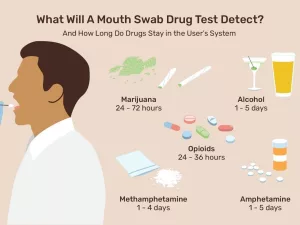
Saliva testing can estimate blood alcohol concentration (BAC). These tests may detect alcohol for up to 24 hours after drinking.
Beyond 24 hours, alcohol is usually metabolized to the point that saliva tests are unlikely to catch it.
Blood
Bloodwork can also show recent alcohol intake. Some blood tests measure BAC while others look for alcohol-related biomarkers.
The detection windows vary by test:
- Standard blood alcohol tests that measure BAC typically detect alcohol use within the past 12 hours.
- EtG and EtS blood assays can reveal alcohol up to 24 hours after drinking.
- Carbohydrate-deficient transferrin (CDT) tests can indicate repeated heavy drinking.
- Phosphatidylethanol (PEth) blood tests can detect drinking within the previous 1 to 3 weeks; levels may remain elevated longer after sustained heavy consumption.
Breath
A breathalyzer generally registers alcohol consumption from the prior 4 to 6 hours and may return a positive result up to 24 hours after drinking.
Breath tests don’t merely show whether you drank; they also estimate BAC, which relates to how much alcohol you consumed.
What factors affect how long alcohol stays in your system?
Numerous factors influence how quickly you metabolize alcohol, including:
- Age: Teenagers, younger adults, and older individuals may clear alcohol more slowly than people in their late 20s through 50s.
- Tolerance: Frequent heavy drinking can speed up alcohol metabolism for some people.
- Exercise: Physical activity may help eliminate alcohol a bit faster.
- Food: Having eaten recently can slow absorption and may alter metabolism.
- Health: Impaired liver or kidney function can slow alcohol clearance.
- Time of day: People often metabolize alcohol more quickly later in the day.
On average, the body removes alcohol at a rate close to one standard drink per hour, though the factors above can shift that pace somewhat.
Is there anything you can do to metabolize alcohol faster?
Sobering up rapidly is largely impossible, but you can support your body’s elimination of alcohol with certain measures.
To help metabolize alcohol more quickly, you can try:
- Eating a filling meal.
- Drinking plenty of water.
- Engaging in light physical activity.
- Urinating regularly.
Ultimately, time is the only dependable way to lower your BAC. Allow yourself time to recover and avoid activities that could be dangerous after drinking, such as driving.
The bottom line
Urine screening can determine whether you’ve recently consumed alcohol. Generally, urine tests are accurate for about 12 to 24 hours, depending on the specific assay used.
Certain tests — particularly some blood assays — can also indicate heavy or long-term alcohol use.
















Leave a Reply
You must be logged in to post a comment.