
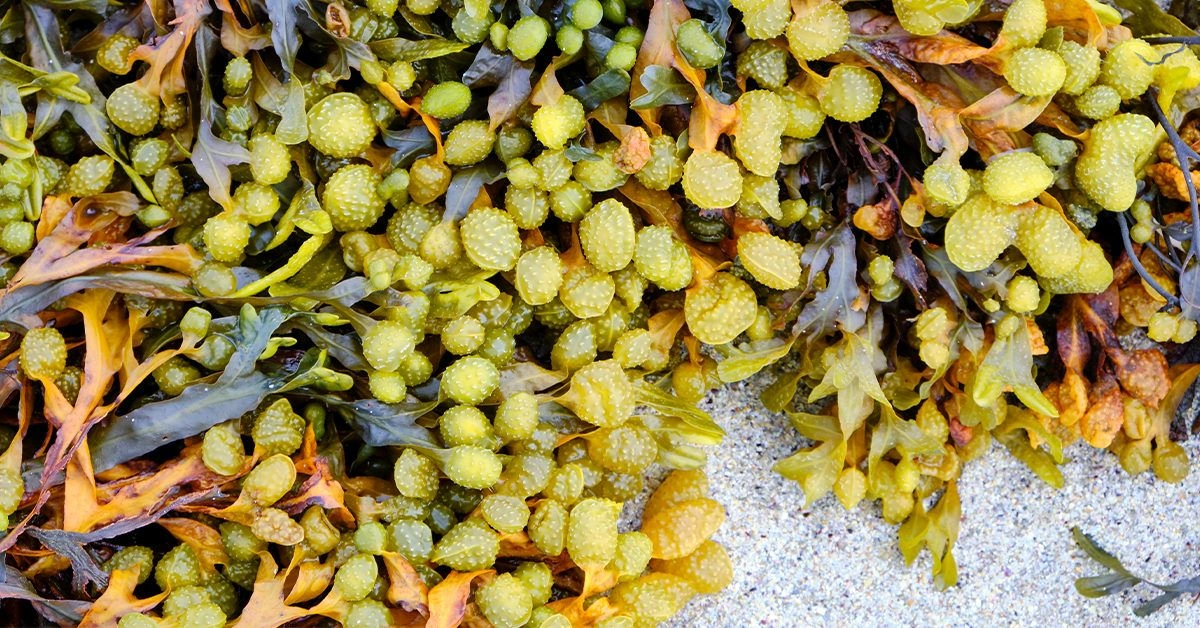
Bladderwrack is an edible brown seaweed long used in traditional remedies. It’s sold dried, powdered, as a tea, or in supplement form, though its effectiveness remains uncertain.
Bladderwrack (Fucus vesiculosus) is a brown seaweed associated with folk medicine. It’s also called rockweed, red fucus, dyer’s fucus, rock wrack, black tang, and bladder fucus (1).
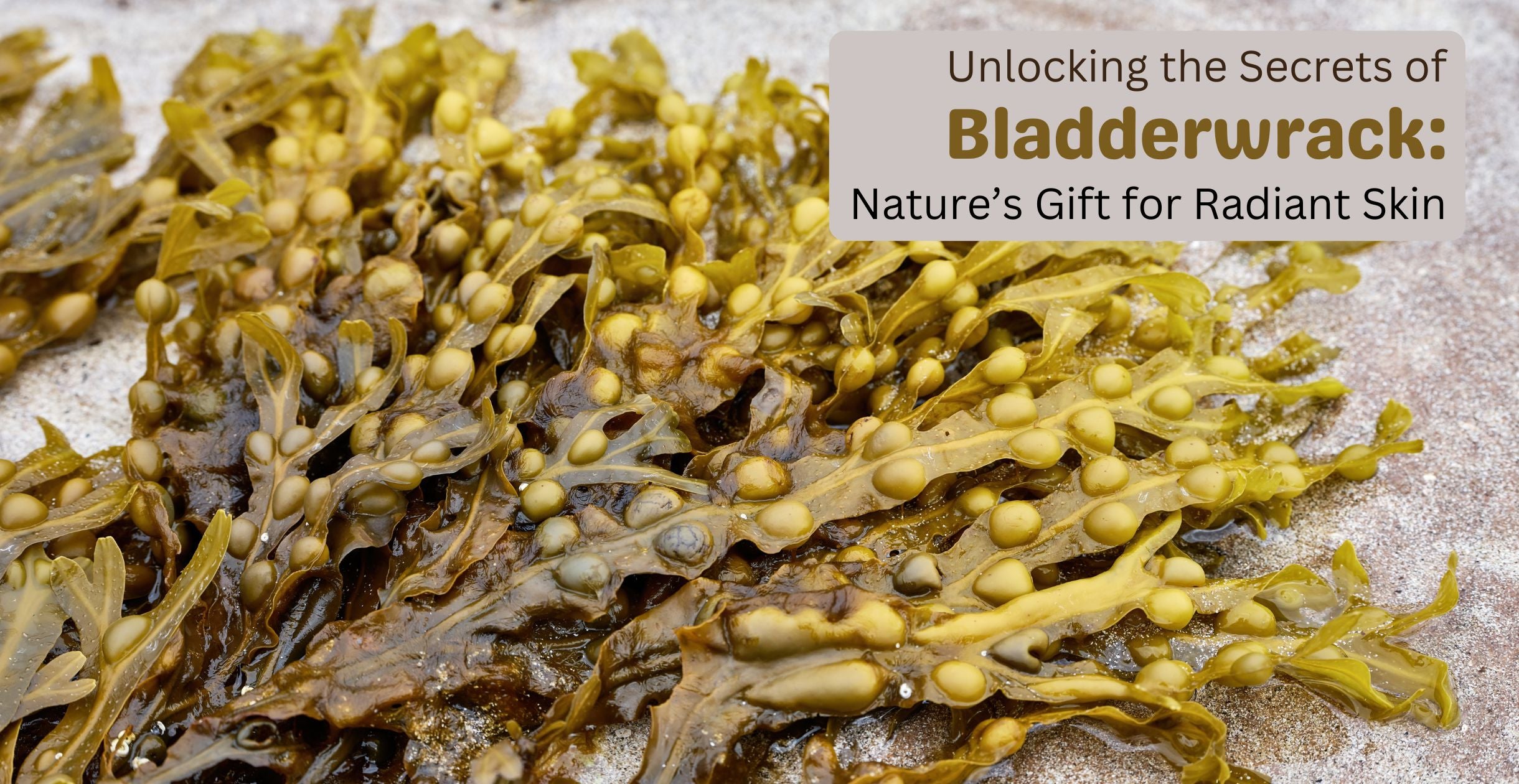
Reaching up to 35 inches (90 cm) in length, bladderwrack is found along the shores of the Atlantic and Pacific Oceans, the North and Baltic Seas, and in various coastal waters of Canada and the United States (1).
For centuries, it has been used in traditional medicine to address a range of conditions, including iodine deficiency, overweight, joint discomfort, aging skin, digestive complaints, urinary tract infections, and thyroid problems such as hyperthyroidism, hypothyroidism, and goiter.
Packed with vitamins, minerals, and antioxidants, many people think bladderwrack’s nutrient content confers health advantages, though skeptics note that the evidence is limited (1).
This article outlines what is known about bladderwrack — its potential benefits, common uses, and possible adverse effects.
Nutrition profile of bladderwrack
Seaweed has been a dietary staple in many cultures for generations because of its nutrient density.
Bladderwrack provides various vitamins and minerals, including calcium, iodine, magnesium, potassium, sodium, zinc, and vitamins A and C (1, 2).
It’s also rich in phytochemicals. These beneficial plant compounds — such as phlorotannins and fucoxanthin — may help reduce oxidative stress, the imbalance between free radicals and antioxidants in the body (3, 4).
Bladderwrack contains significant fiber, supporting digestive health. Specifically, alginic acid and fucoidans are abundant and have been associated with beneficial properties (1, 2, 5).
Summary: Bladderwrack supplies fiber, vitamins, minerals, and phytochemicals that may support health.
Claims about health effects
Although many health claims exist for bladderwrack, there’s limited proof supporting its use for weight loss, arthritis, joint pain, fertility enhancement, or treating urinary tract infections.
Most research has concentrated on bladderwrack’s impact on thyroid and skin health and its anti-inflammatory potential.
Impact on thyroid
Bladderwrack is a rich source of iodine, a trace mineral needed for the thyroid to produce the hormones triiodothyronine (T3) and thyroxine (T4). These hormones influence metabolism and are essential for normal growth and neurological development (6, 7, 8).
Iodine shortage can reduce T3 and T4 production and may lead to conditions like goiter and hypothyroidism — characterized by symptoms such as weight gain, tiredness, dry skin, and increased cold sensitivity (9, 10).
While iodine-deficiency hypothyroidism is common in some developing regions, it’s uncommon in the U.S. and other industrialized countries. There, hypothyroidism is more often due to autoimmune Hashimoto’s thyroiditis (10, 11).
Although bladderwrack can be a good dietary iodine source, large intakes through supplements or heavy consumption may deliver excessive iodine (12).
Most people tolerate extra iodine without issue. However, those with existing thyroid conditions — hyperthyroidism or hypothyroidism — should be cautious because added iodine can worsen symptoms, particularly if iodine deficiency is not the cause (10, 11, 12).
Consult your healthcare professional before using bladderwrack supplements.
Anti-inflammatory properties
Bladderwrack contains antioxidants like phlorotannins, fucoxanthin, alginic acid, fucoidans, and vitamins A and C (4, 13, 14).
Phlorotannins and fucoxanthin are particularly notable for their antioxidant capabilities and scavenging of free radicals — reactive molecules that can damage cells and contribute to chronic disease and premature aging (15, 16, 17, 18).
Some in vitro and animal studies suggest brown algae like bladderwrack may have anti-inflammatory effects and could reduce tumor progression, lower blood glucose, and diminish cardiovascular risk (19, 20, 21, 22, 23).
One large observational study of 40,707 men and 45,406 women reported a 12% lower rate of heart disease associated with daily seaweed consumption — seaweed contains compounds similar to those in bladderwrack (24).
Aside from that study and another showing small improvements in blood sugar control, human trials are sparse. While bladderwrack may theoretically offer anti-inflammatory benefits, further research is required (25).
Effects on skin
Topically, bladderwrack has been applied to address cellulite, skin aging, and burns.
Preliminary findings indicate bladderwrack’s antioxidants, especially fucoidan, can stimulate collagen production in the skin, which might improve the appearance of cellulite, aid wound healing, and slow early skin aging.
In the first stage of a two-part study, applying bladderwrack extract to skin samples increased collagen synthesis by 228%, whereas no change occurred in the control specimens (26).
In the second stage, a blend of bladderwrack and other algae extracts was applied to human upper-leg skin for 12 weeks. Compared with placebo, the algae formulation significantly reduced cellulite visibility and fat layer thickness (26).
Older trials with topical gels containing 1% bladderwrack extract were likewise linked to increased collagen formation (27, 28).
Additionally, bladderwrack’s antioxidant richness has been associated with reduced degradation of collagen and elastin in human skin samples. Slowing collagen and elastin breakdown is important for maintaining a youthful look (29, 30).
Despite encouraging results, long-term human data are lacking, and no evidence supports eating bladderwrack or taking it as a supplement specifically to improve skin health.
Summary: Bladderwrack is rich in iodine, which could negatively affect thyroid function in some people. Its antioxidant content may, however, help fight oxidative stress and, when used topically, support collagen production in skin.
Precautions and adverse effects
Generally regarded as safe, bladderwrack can still cause unwanted effects in certain situations.
Topical application of bladderwrack is probably safe for most people. Avoid using it on open wounds or broken skin, and stop use if you develop irritation or a rash.
When eaten in small quantities, bladderwrack is typically safe. Still, it contains significant amounts of iodine, salt, and potentially heavy metals, which could be harmful, especially when consumed as concentrated supplements (31).
For example, a 60-year-old man developed hyperthyroidism after taking bladderwrack supplements while on lithium for bipolar disorder. His thyroid function normalized after stopping bladderwrack (32).
People with thyroid conditions and pregnant or breastfeeding women should avoid bladderwrack until more safety information is available. Always consult a healthcare provider before consuming bladderwrack or taking supplements.
Bladderwrack may also interact with certain drugs and herbal remedies, including anticoagulants (e.g., heparin, warfarin), antiarrhythmics (e.g., amiodarone), thyroid medications, St. John’s Wort, ginkgo biloba, and valerian root (32, 33, 34).
Discuss bladderwrack use with your healthcare professional before starting it.
Summary: Because bladderwrack can contain high iodine, salt, and heavy metal levels, it may be unsafe for people with thyroid disease, those on certain medications, and pregnant or nursing women. Seek medical advice first.
Available forms and dosing
Bladderwrack comes in multiple formats.
It can be purchased dried, powdered, in capsules, or as a tea from online retailers and some health food shops.
Due to sparse evidence, no official dosing guidelines exist. Many supplements, however, are sold as 500-mg capsules.
To prepare bladderwrack tea, steep one tea bag in 8 ounces (236 mL) of hot water for 4–5 minutes, or simmer 1 teaspoon (5 mL) of dried bladderwrack in boiling water for 10–15 minutes.
Until more safety data are available, limit intake to no more than about 2 cups (500 mL) daily to avoid excessive iodine and other active constituents.
Summary: Bladderwrack is sold dried, powdered, as a supplement, or as tea. More research is needed to establish a standard dose.
Conclusion
Despite numerous claimed benefits, evidence supporting bladderwrack as an effective treatment for issues like obesity, joint pain, fertility problems, or urinary tract infections is limited.
Its antioxidant constituents may reduce inflammation when taken orally and may improve skin collagen production when applied topically, but further research is needed to confirm these effects.
Because of its high iodine content, individuals with thyroid disease and those taking certain medications should avoid bladderwrack unless cleared by a clinician. Pregnant and breastfeeding women should also refrain from using it due to insufficient safety data.
If you’re considering trying bladderwrack, consult your healthcare provider first to ensure it’s appropriate for you.















Leave a Reply
You must be logged in to post a comment.