

There are numerous myths and misunderstandings about masturbation, including beliefs about how it influences your skin. Some people claim that masturbation leads to acne, but that’s simply not true.
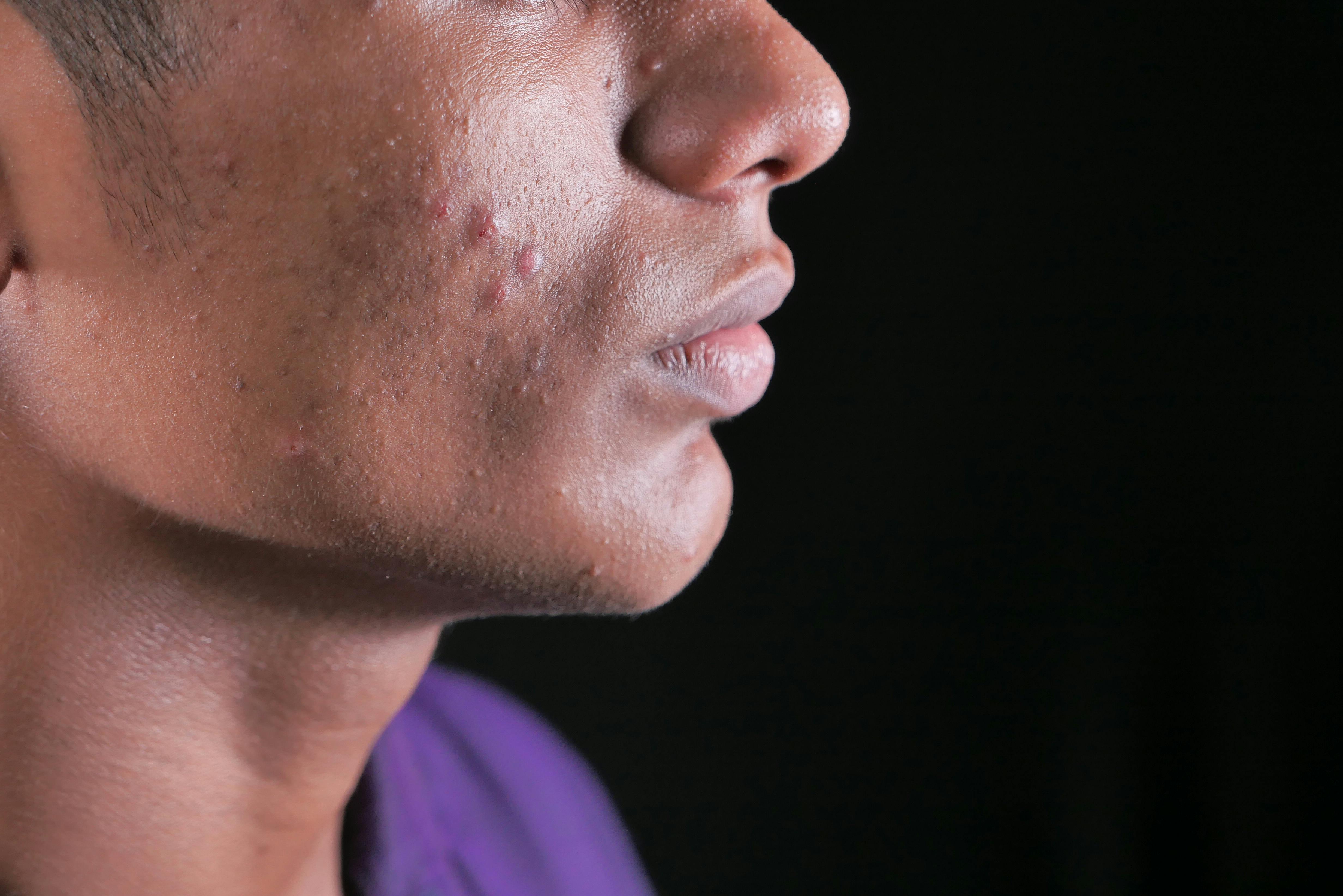
Masturbation does not cause acne — period. Its influence on hormone levels is only tangential and not a direct driver of acne. Both acne and first experiences with masturbation commonly begin around puberty.
During puberty, the body ramps up production of testosterone and other androgens. This hormonal surge also prompts increased sebum production from the sebaceous glands. Sebum helps protect the skin, but when produced in excess it can clog pores and contribute to acne.
Masturbation, however, does not change how much sebum your body makes. Despite the lack of a real connection, the two have been falsely linked historically as a deterrent against premarital sexual activity among young people.
Remember: Your face can still develop pimples regardless of your age, your sexual activity, or how often you masturbate.
But doesn’t masturbation alter your hormone levels?
Yes — but only very slightly and not enough to affect skin health. Research shows that orgasm can cause a minor rise in testosterone in both men and women.
However, studies indicate the testosterone change from orgasm is minimal and returns to baseline within minutes. The brief hormonal blip from masturbation is too small to serve as a medical explanation for acne flare-ups.
So what actually causes acne?
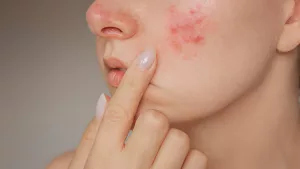
Acne is primarily the result of clogged pores. Often the skin fails to shed dead cells properly, so they accumulate in your pores. That buildup can produce whiteheads, blackheads, pimples, and cysts.
Bacteria that naturally live on the skin can also cause acne. If bacteria invade clogged pores, the area may become inflamed and swollen, and in severe instances this can develop into cysts.
Where do these bacteria come from? Practically anywhere. They can transfer from holding your phone to your cheek, sleeping on a dirty pillowcase, resting your head on a desk or bus window, or not removing makeup—among other sources.
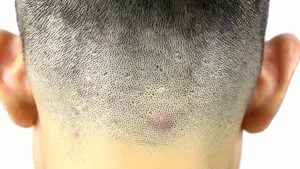
Acne isn’t limited to your face. Breakouts can occur on the neck, back, chest, shoulders, arms, and even the buttocks.
Among skin conditions, acne is the most prevalent. Roughly 40 to 50 million people in the United States experience acne on any given day.
How can I make acne go away?
There are many strategies to tackle acne, and how long it takes to clear depends on whether the acne is mild or severe.
You can use over-the-counter (OTC) exfoliating scrubs to address blackheads, or prescription spot treatments with benzoyl peroxide or salicylic acid to help clear blemishes.
Establishing a daily acne-targeted skincare routine that effectively removes excess oil, clears pores, and heals spots can also be beneficial.
Evaluate your current skincare routine
A reliable, consistent skincare regimen will help reduce breakouts and keep your skin looking healthy and clear.
Not sure what to do? Try these suggestions:
Wash your face twice daily. Cleanse once in the morning and once at night to remove pore-clogging buildup. Make sure to cleanse thoroughly to eliminate dirt and oils accumulated throughout the day.
Cleanse after workouts. Sweating can trigger breakouts on the chest, upper back, and shoulders, often presenting as a reddish-pink rash due to yeast overgrowth that irritates pores. Washing your face and body after exercise helps remove that yeast.
Exfoliate two to three times weekly. Exfoliation helps remove stubborn buildup lodged deep in pores that causes breakouts. Since exfoliation can irritate the skin, choose a gentle scrub containing glycolic acid, an alpha hydroxy acid that sloughs off dead skin while calming irritation.
Use a toner. Toner can minimize pores, rebalance skin pH, provide light hydration, tighten pores, and reduce ingrown hairs. Apply an alcohol-free toner right after cleansing, both morning and night.
Avoid ingredients that can worsen acne. Some moisturizers, sunscreens, and cleansers include components that may aggravate acne. Watch out for:
- fragrance
- retinol
- alcohol
- silicones
- talc
- parabens
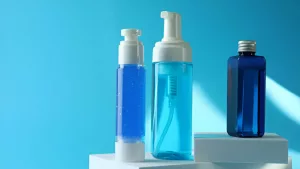
Here are several blemish-targeting products you might add to your routine:
- Biore Blemish Fighting Ice Cleanser
- Clean & Clear Foaming Facial Cleanser
- Biore Deep Pore Charcoal Cleanser
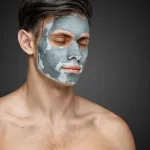
- Neutrogena Clear Pore Facial Cleanser/Mask
Try OTC treatments
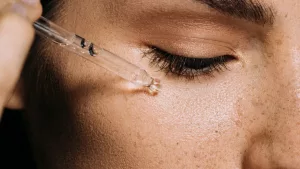
OTC masks and serums can help clear persistent acne by:
- eliminating bacteria that cause inflammation
- reducing excess oil
- accelerating new skin cell turnover
- removing dead skin cells
Seek products with these active components:
- benzoyl peroxide
- salicylic acid
- alpha hydroxy acids, like glycolic acid
- sulfur
Three OTC options to consider:
- For scars, cystic spots, or blackheads, try Keeva Tea Tree Oil Acne Treatment Cream.
- To reduce blemishes and tighten pores, try First Botany Cosmeceuticals Acne Blemish Control Serum & Pore Minimizer.
- For hormonal breakouts or scarring, try InstaNatural Acne Face Wash with Salicylic Acid.
Make a few lifestyle adjustments
Small changes can also help reduce or prevent acne flare-ups.
Try these tips:
- Wash your pillowcase weekly using a detergent suitable for sensitive skin.
- Launder bedding at least monthly with a sensitive-skin-friendly detergent.
- Stay well-hydrated to help the body flush toxins.
- Choose noncomedogenic makeup.
- Use hair products that aren’t oil-based.
- Wear oil-free, noncomedogenic SPF 30 sunscreen.
- Prioritize getting more sleep.
When to see a doctor
OTC acne remedies don’t deliver instant results. It can take up to six weeks before you notice visible improvement. If there’s no progress after eight weeks, schedule a visit with a dermatologist. If you don’t have a dermatologist, you can find one in your area using the Healthline FindCare tool.
If your acne is severe, or you have cysts or nodules, seek dermatologic care promptly. A dermatologist can prescribe stronger medications, drain and extract large cysts, and perform other procedures to treat acne.













Leave a Reply
You must be logged in to post a comment.