

Key takeaways
- Some people find hot showers comforting during migraine episodes because they loosen tense muscles, but there’s no scientific proof supporting this. Heat can sometimes worsen symptoms such as nausea.
- Cold showers appear to be more effective for many, since cold narrows blood vessels, numbs the area, and slows pain signals to the brain.
- Some individuals report benefit from alternating hot and cold treatments.
Home strategies like warm showers can ease tightness in the neck and shoulders, which might offer temporary relief. However, there’s no research evidence that hot showers relieve migraine attacks.
Claims that hot showers help are anecdotal—some people report improvement. Conversely, other migraine sufferers say hot showers aggravate their attacks. The heat and steam could intensify symptoms such as nausea.
Many people report greater relief from cold showers during an attack.
Continue reading to explore these home approaches and whether they could be useful for you.
How hot showers might help
Hot showers may not be helpful for migraine. Moist heat increases blood flow by dilating vessels, which is often the opposite of what’s desired. Numerous migraine treatments work by constricting blood vessels.
Still, warm water might offer a few potential benefits:
Decrease bodily tension
Warm water can be calming and soothing. Standing under a warm shower may loosen tight, stiff muscles in the head, neck, and shoulders caused by stress. Stress is a common migraine trigger.

Inhale steam
Allergies and illnesses that cause nasal congestion, sinus pain, and pressure may provoke migraine attacks in some people. Inhaling steam in the shower can help relieve sinus congestion by thinning mucus in the nasal passages.
Add essential oils
Aromatherapy—the use of essential oils—can be supportive during a migraine. This might be especially useful if a particular scent, such as strong perfume, triggered your attack. You can add a few drops of essential oils to your shower or bath.
Oils that some find helpful for migraine include:
- lavender
- chamomile
- peppermint
- eucalyptus
Inhaling essential oils may also relieve tension and loosen tight muscles.
There are other ways to use essential oils in the shower: blend the oil with a neutral carrier like sesame or coconut oil and massage it onto your skin, or place oils in a bathroom diffuser.
Although research indicates potential benefits, the FDA does not regulate the purity or quality of essential oils. Consult a healthcare professional before using them and investigate the quality of a brand. Always perform a patch test before trying a new oil.
Are cold showers better for migraine?
More individuals report relief from cold water than from hot water. There is also stronger scientific support that cold reduces migraine pain more effectively than heat. A 2022 review found that cold interventions, such as cold gel headbands, produced immediate reductions in migraine pain.
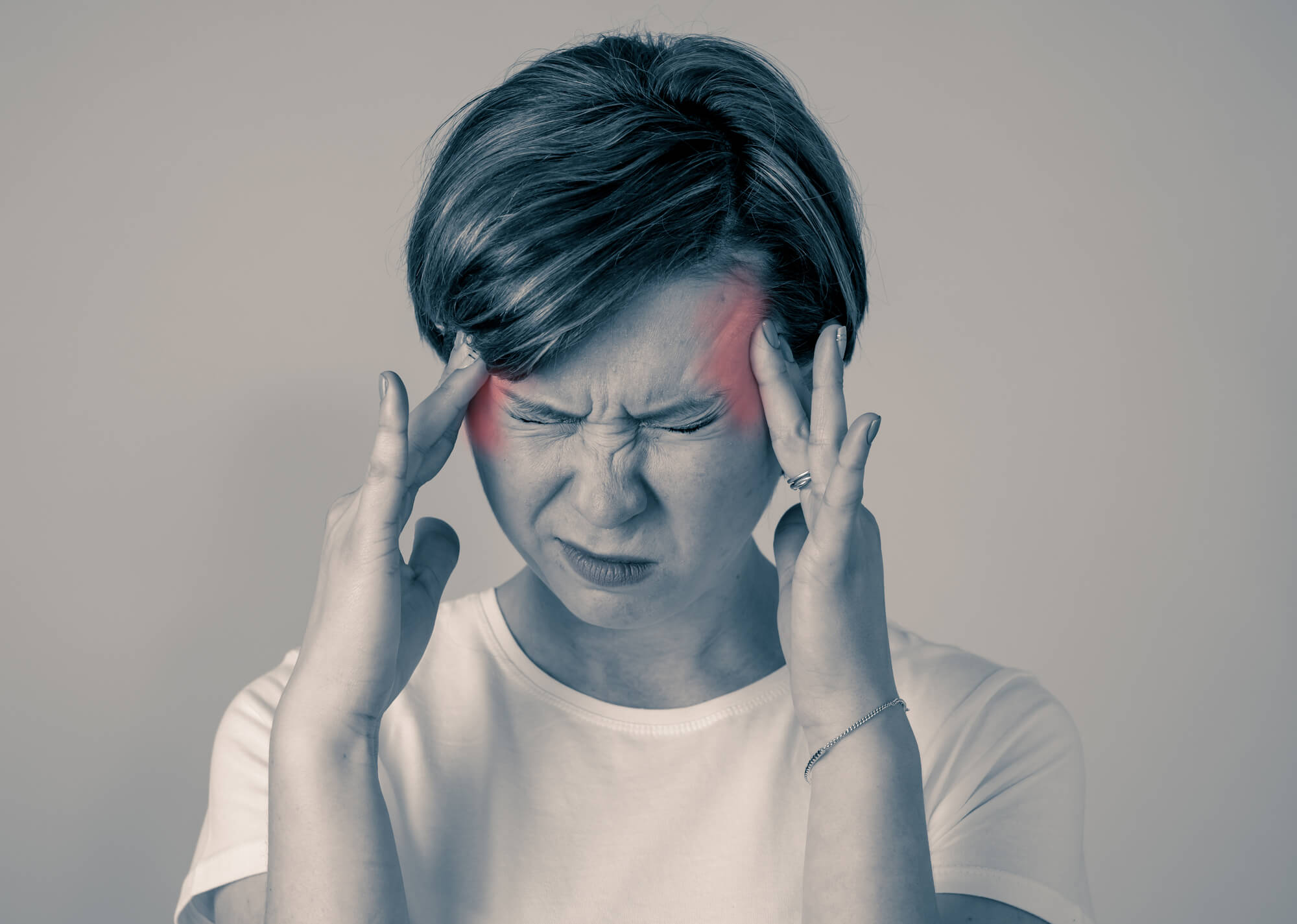
Cold water may help by constricting blood vessels. Ice and cold have an instant numbing effect that can lessen pain sensations. Lower temperatures may also slow nerve conduction of pain signals to the brain.
To try cold water for migraine, consider a cool or cold shower, a cold compress on the forehead, or an ice pack covering the carotid arteries on each side of the neck.
You might also alternate warm and cool showers or apply different temperatures to various areas of the body. A 2016 study reported that combining a hot arm and foot bath with an ice massage to the head significantly reduced migraine pain.
Other home remedies for migraine
Home approaches may help on their own or alongside over-the-counter or prescription migraine medicines. Here are some strategies to consider during your next migraine:
- Reduce excess stimulation such as bright lights and loud sounds.
- Sleep as much as possible.
- Stay calm with deep-breathing exercises or meditation.
- Try yoga poses like Child’s Pose or Bridge Pose.
- Consider melatonin.
- Try acupressure massage on known migraine points.
- Ensure adequate vitamin D and magnesium intake.
- Apply Tiger Balm to your temples.
Frequently asked questions
Can a cold shower trigger a migraine attack?
Migraine triggers differ between individuals. Some people find cold showers provoke or worsen migraine rather than improve it.
Does a cold shower reduce migraine?
Cold showers may reduce migraine pain for some people. Typically, cold water and ice have a numbing effect that can lessen migraine discomfort.
Will a hot bath help a headache?
A warm or hot bath can ease a headache by relaxing tense muscles and reducing tension. Adding a few drops of lavender or eucalyptus oil to bath water may provide additional calming effects.
Takeaway
There’s no scientific proof that hot showers relieve migraine attacks. However, warm water can relax muscles and reduce stress for some people. Many find that cold showers are actually more effective at lessening migraine pain.






















Leave a Reply
You must be logged in to post a comment.