
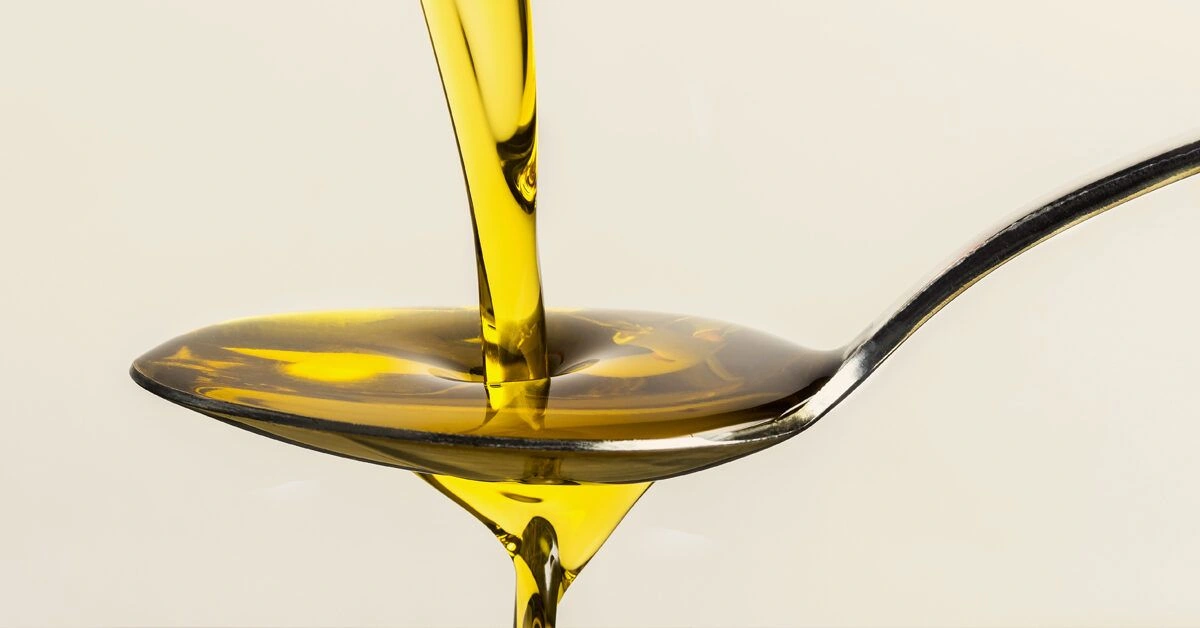
Canola and olive oils rank among the most commonly used culinary oils around the globe.
Both are marketed as heart-friendly fats and are used in similar culinary applications. Still, people often ask how they contrast and which one is the healthier option.
This piece outlines the distinctions between canola and olive oil.
What are canola oil and olive oil?
Canola oil comes from rapeseed (Brassica napus L.) that has been selectively bred to have low levels of naturally occurring harmful substances like erucic acid and glucosinolates. This selective breeding makes canola oil safe for human consumption (1).
Typical canola production includes heating, pressing, solvent extraction, and refining steps, though expeller-pressed and cold-pressed versions are also available. The oil is usually bleached and deodorized to produce a neutral color and smell (2).
Conversely, olive oil is obtained from pressed olives, the fruit of the olive tree.
There are several grades, with the most common being regular (sometimes called “pure”) olive oil and extra virgin olive oil.
Extra virgin olive oil is extracted solely by mechanical pressing, while regular olive oil typically blends virgin (pressed) oil with refined (heated or chemically treated) olive oil (3, 4).
Although extra virgin olive oil costs more than regular olive oil, it’s viewed as healthier because it undergoes less refining.
Summary: Canola oil is produced from specially bred rapeseed, while olive oil is derived from pressed olives and is available in multiple grades.
Similar nutritional profile
From a nutritional standpoint, canola and olive oils are fairly alike.
The nutrient content of 1 tablespoon (15 ml) of canola and regular (refined) olive oil is (5, 6):
| Canola | Olive | |
| Calories | 124 | 124 |
| Fat | 14 grams | 14 grams |
| • Saturated | 7% | 14% |
| • Monounsaturated | 64% | 73% |
| • Polyunsaturated | 28% | 11% |
| Vitamin E | 16% of the RDI | 13% of the RDI |
| Vitamin K | 8% of the RDI | 7% of the RDI |
Notably, olive oil supplies more saturated and monounsaturated fats, whereas canola oil is richer in polyunsaturated fats.
Antioxidant content
Canola and olive oils vary markedly in their antioxidant content — compounds that neutralize damaging molecules known as free radicals.
Free radicals are highly reactive and can harm cells when present in excess. Damage from free radicals has been linked to chronic conditions such as heart disease, diabetes, Alzheimer’s, and some cancers (7).
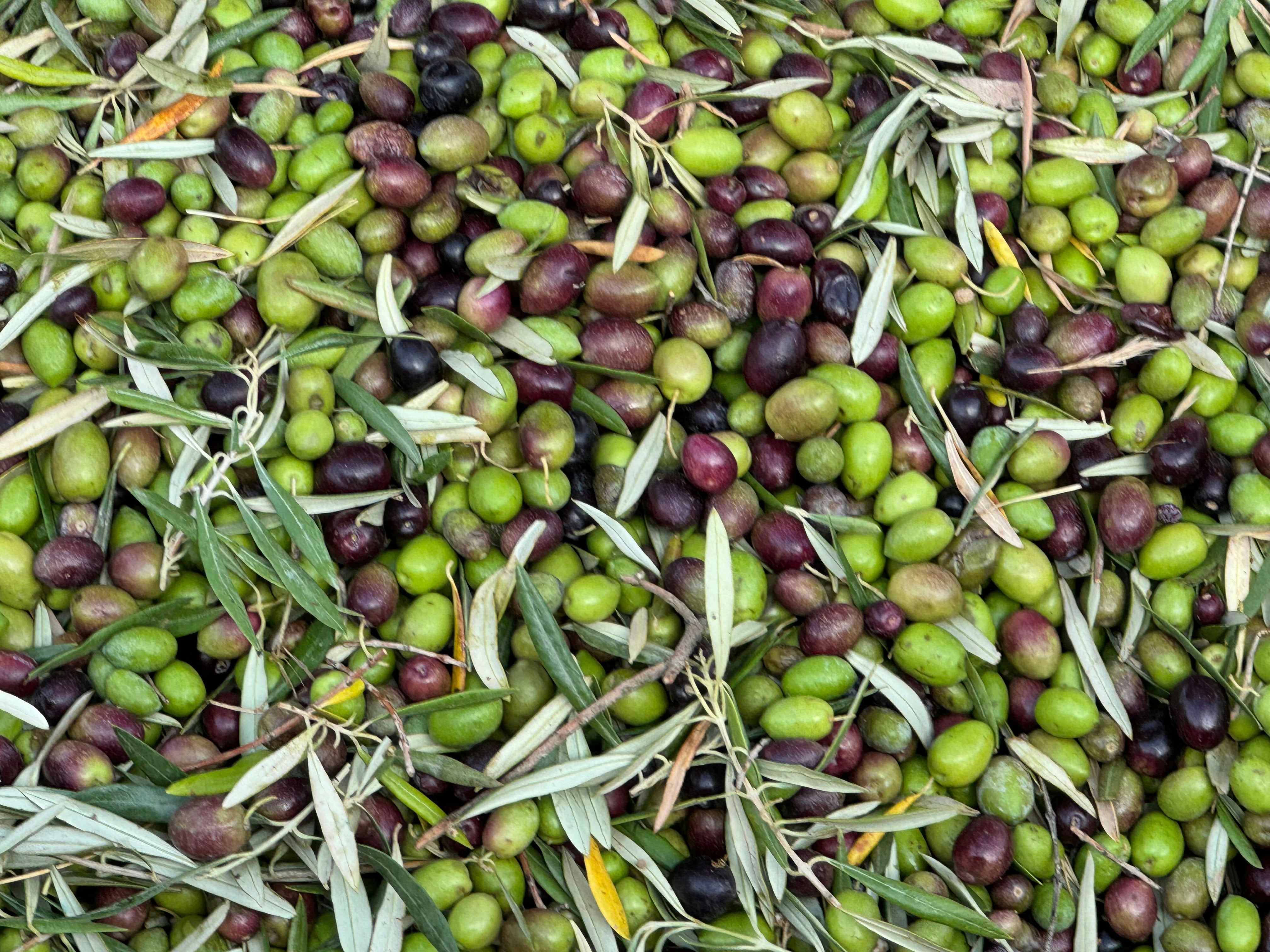
Olive oil contains over 200 plant-derived compounds, including polyphenols that act as potent antioxidants in the body (8).
However, polyphenol levels vary with processing methods (9).
Refining greatly lowers antioxidant content, so regular olive oil has fewer polyphenols, while extra virgin olive oil is rich in these compounds (1, 2, 9).
Key polyphenols include oleuropein, hydroxytyrosol, and oleocanthal, which are associated with reduced inflammation and a lower risk of heart disease (10).
Summary: Olive and canola oils have comparable calorie and fat totals but differ in fatty acid makeup. Extra virgin olive oil is notably higher in antioxidants than canola oil.
Culinary uses
Olive and canola oils have different characteristics that make them better suited for specific cooking roles.
Frying
When cooking at high temperatures, oils reach a point — the smoke point — where they begin to smoke (11).
Canola oil has a higher smoke point at 460°F (238°C) compared with regular olive oil at 410°F (210°C) and extra virgin olive oil at 383°F (195°C) (11, 12).
When an oil exceeds its smoke point, its glycerol and free fatty acids degrade and generate compounds such as aldehydes, ketones, and alcohols that may be harmful and affect flavor (11).
Even though olive oils have lower smoke points than canola, both regular and extra virgin olive oils tend to be relatively stable under heat and are not likely to produce toxic substances.
Still, overheating can diminish beneficial constituents like oleocanthal, altering flavor and reducing healthful properties (13, 14, 15, 16).
For this reason, canola oil is generally preferable for very high-heat cooking, including deep-frying and intense searing. That said, both oils perform well for pan frying and other medium-heat methods.
Other uses
While olive oil can be used for frying, it is more commonly enjoyed raw.
Extra virgin olive oil is excellent as a dip for bread, as a salad dressing, or drizzled over finished dishes.
Its vivid color and somewhat peppery flavor impart a distinctive Mediterranean character to foods when used in cooking.
Some people may not like this pronounced flavor; in that case, regular olive oil—with its milder taste—may be preferable.
Canola oil, being bleached and deodorized, has a neutral flavor and is mainly used in frying and baking rather than as a finishing oil.
A practical drawback of olive oil is its cost, which limits its widespread use in many commercial kitchens and restaurants.
Summary: Both oils are suitable for pan frying and medium-heat cooking, while canola is the better option for deep frying and high-heat searing. Extra virgin olive oil is the preferred choice for dressings, dips, and finishing dishes due to its bold flavor.
Which one is healthier?
Overall, olive oil — particularly extra virgin — is the healthier option compared with canola.
Regular consumption of olive oil is associated with improved markers of heart health, better blood sugar control, and reduced mortality risk (17, 18, 19).
For instance, a review of 33 studies found that people consuming the most olive oil had a 16% lower risk of developing type 2 diabetes compared with those consuming the least (18).
Higher olive oil intake is also associated with a lower risk of stroke and improvements in cardiovascular risk factors such as LDL (bad) cholesterol and triglycerides (17).
These advantages are largely due to olive oil’s antioxidant and plant-derived compounds, which are particularly concentrated in extra virgin varieties (9).
In contrast, canola oil is frequently refined, which substantially reduces levels of essential fatty acids and antioxidants (1, 2).
Although canola oil is often touted as heart-healthy, the research is mixed. Some studies indicate benefits, while others suggest potential drawbacks (1, 20).
One study of 2,071 overweight or obese adults found that frequent canola oil users had a higher likelihood of developing metabolic syndrome compared with those who rarely or never used it (20).
Metabolic syndrome consists of conditions such as central obesity, elevated triglycerides, cholesterol abnormalities, high blood pressure, and raised fasting glucose, which together increase cardiovascular risk (21).
Be aware that several studies promoting canola’s cardiovascular benefits have industry funding, which may introduce conflicts of interest. More independent research is needed to clarify canola’s effects on heart health (1, 22, 23, 24, 25).
Animal studies have also linked canola oil to increased inflammation, negative effects on memory, and lower circulating antioxidant levels (26, 27).
By contrast, multiple studies support extra virgin olive oil’s anti-inflammatory effects and cardiovascular benefits (28, 29, 30).
Considering current evidence, olive oil appears to offer more proven health benefits than canola oil.
Summary: Stronger evidence supports olive oil — especially extra virgin — for health benefits, notably for heart health. It is less refined and richer in antioxidants compared with canola oil, making it the preferable option.
The bottom line
Olive and canola oils are widely used cooking fats with overlapping applications.
While canola is often better for very high-heat frying, both are appropriate for medium-heat cooking. Olive oil is the superior choice for dressings, dips, and as a finishing oil.
Importantly, olive oil is the healthier pick, offering numerous antioxidant compounds and cardiovascular benefits.
If you want a versatile, healthful oil for everyday use, olive oil—particularly extra virgin—is an excellent option.























Leave a Reply
You must be logged in to post a comment.