

Oils and butters from plants are widely used in personal care items such as lotions, lip balms, and hair treatments.
While cocoa, coconut, and shea butters are household names, kokum butter is a less familiar alternative that brings its own distinctive characteristics and advantages.
This piece reviews the possible benefits and applications of kokum butter and compares it to other commonly used plant butters.
What is kokum butter?
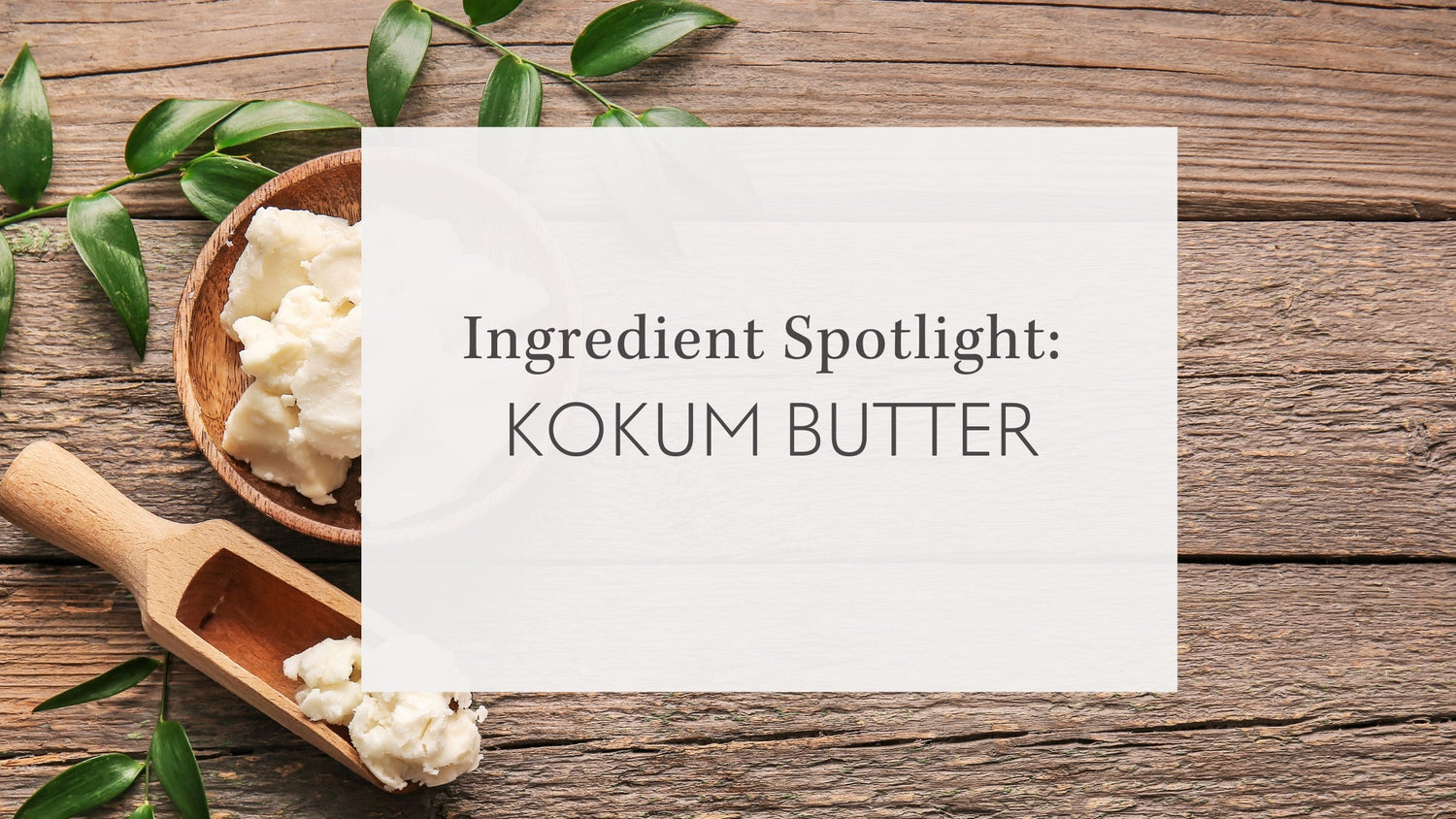
Kokum butter is extracted from the seeds of the kokum fruit tree.
The kokum tree, botanically called Garcinia indica, is mainly grown in tropical areas of India. The fruit and seeds are used in culinary, cosmetic, and medicinal traditions.
Kokum butter typically appears pale yellow to light gray and is largely made up of a saturated fat called stearic acid (1).
The fat’s makeup keeps kokum butter solid at ambient temperatures, which is why it’s categorized as a butter rather than an oil.
Although edible and sometimes used in chocolates and confections, kokum butter’s primary use is in topical cosmetics and personal care formulations such as makeup, lotions, soaps, balms, and salves (1).
Compared with many plant butters, kokum butter is naturally very firm yet melts readily when warmed by the skin.
It can be used on its own, but many commercial products blend kokum butter with other oils or butters to improve spreadability.
Summary: Kokum butter is a tropical fat obtained from kokum seeds. Although edible, it’s most commonly used in topical cosmetic and medicinal preparations.
Potential benefits and uses
Kokum butter appears to be a versatile and useful ingredient in various cosmetic and topical medicinal preparations.
That said, contemporary research that specifically examines kokum butter’s pharmacological effects is very limited.
Restores moisture to dry skin, scalp, and hair
Kokum butter is best known as an effective emollient, meaning it helps moisturize the skin (2).
It may be applied to nearly any area needing hydration, including skin, lips, feet, scalp, and hair.
Unlike many other plant butters, kokum butter is relatively lightweight. It soaks into skin easily and doesn’t leave a greasy residue.
Many users anecdotally report that kokum butter suits sensitive skin, though robust evidence for this is lacking.
If you have dry or sensitive skin, consider testing a small patch of kokum butter before applying more widely.
May soothe inflamed skin
Kokum butter is traditionally applied to relieve skin inflammation from cuts, burns, and ulcerations (1).
A small trial involving 23 participants with dry, cracked heels found that applying kokum butter twice daily for 15 days markedly improved symptoms (3).
Nevertheless, comprehensive clinical data on kokum butter’s effectiveness for wound or inflammation management are nearly absent.
Some researchers suggest that the butter’s moisturizing effect, together with antioxidant and antimicrobial compounds present in kokum fruit, could explain its reputed soothing qualities (4).
More human studies are needed before firm conclusions can be drawn.
Although kokum butter is probably safe for minor abrasions, burns, or rashes, consult a healthcare professional before applying it to serious wounds, since human safety studies are lacking (5).
May treat acne
There’s limited formal evidence that kokum butter treats acne, yet many people report perceived benefits when using it topically.
Whether kokum butter helps acne likely depends on the underlying causes—dryness, excessive oil, hormonal factors, or bacterial imbalance (6).
Kokum butter is a strong moisturizer and is regarded as non-comedogenic, meaning it’s unlikely to block pores. Therefore, it may hydrate dry, irritated skin without worsening breakouts.
If acne stems from dryness or the overuse of heavy, pore-clogging products, switching to kokum butter might help. Still, definitive results can’t be guaranteed at this time.
May reduce visible signs of aging
Many people assert that kokum butter helps address and prevent visible aging signs such as wrinkles, reduced elasticity, fragility, and dryness.
As with other claimed benefits, there’s no solid research proving it prevents or reverses these signs long term.
Because kokum butter is an effective emollient, it may enhance skin hydration and impart a more youthful appearance.
However, some studies suggest topical moisturizers offer temporary improvements only, so it remains unclear whether benefits persist after use stops (6).
In short, additional research is necessary to clarify kokum butter’s role in promoting skin health and combating aging signs.
Summary: Kokum butter is commonly used for acne, aging concerns, inflammatory skin issues, and dry skin or hair, yet human research supporting these uses is scarce.
How it compares with similar products
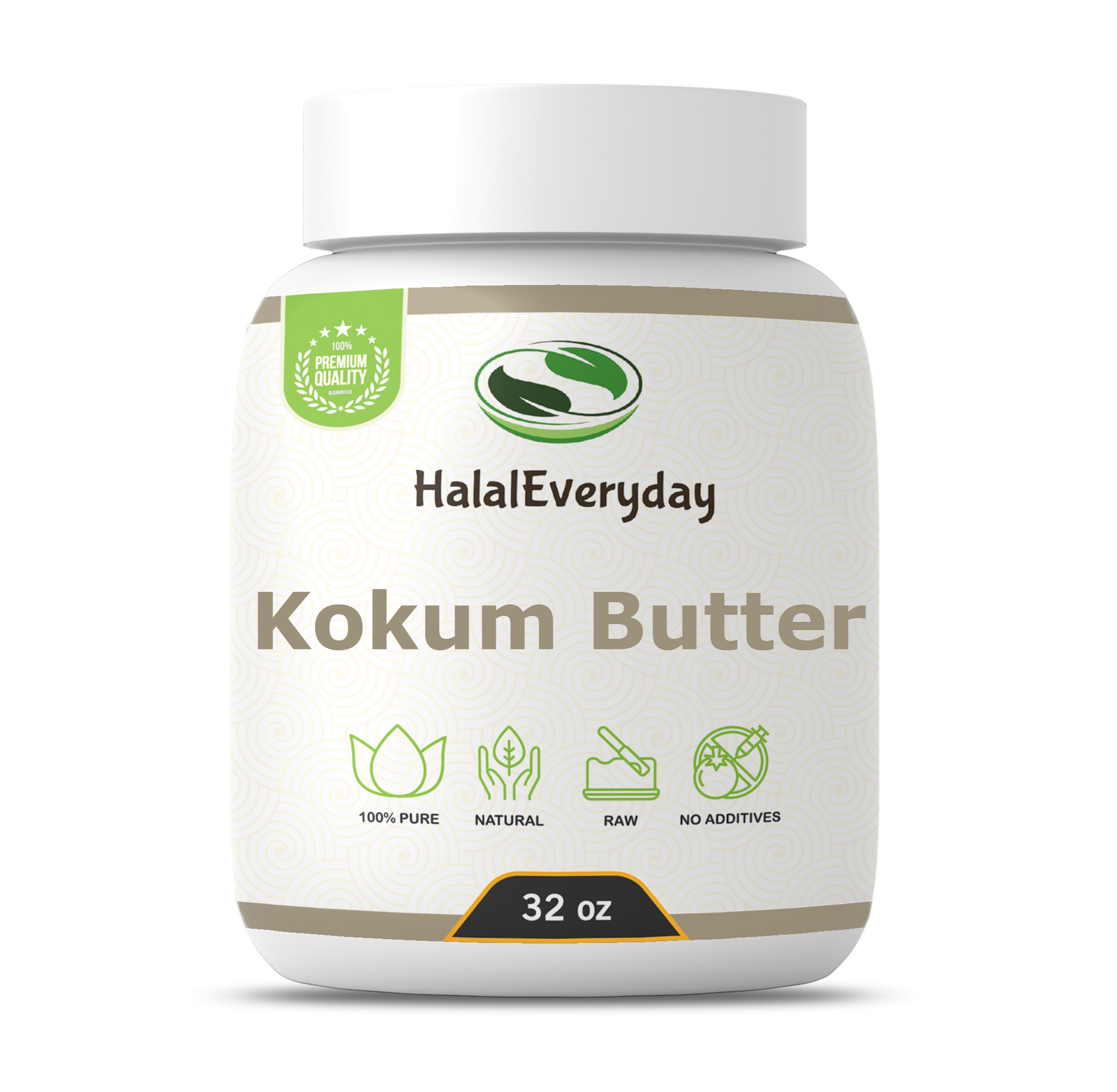
Kokum butter has both strengths and drawbacks relative to other plant butters like cocoa, shea, and coconut.
Advantages of kokum butter include:
- Neutral scent. Kokum butter is naturally scentless. By contrast, cocoa, coconut, and shea butters have distinct aromas. If you’re fragrance-sensitive, kokum may be preferable.
- Quick absorption. Kokum butter is unusually light for a plant butter, absorbing fast without greasiness—something coconut, shea, and cocoa butters often lack.
- Non-comedogenic. Like shea butter, kokum butter is unlikely to clog pores or provoke acne. Cocoa and coconut butters are more prone to fouling pores and are generally less suitable for facial use.
- Highly stable. Kokum butter is among the most chemically and structurally stable plant butters, making it useful as a natural emulsifier or hardening agent in homemade cosmetics.
Disadvantages of kokum butter include:
- Cost. Kokum butter is typically pricier than many other plant butters.
- Availability. It’s less commonly stocked than more popular butters, making it harder to source.
- Workability. Its firm consistency can make it challenging to handle in formulations.
Whether you should swap other butters for kokum depends on your intended application.
If you make soap, lip balm, or are bothered by the scent, texture, or pore-blocking properties of other butters, trying kokum butter could be worthwhile.
You can buy kokum butter online.
Summary: Kokum butter offers a neutral scent, stability, and a non-pore-clogging profile, but it’s more costly, less available, and tougher to handle than some alternatives.
The bottom line

Kokum butter is a plant-derived fat from kokum seeds, commonly used in topical cosmetic and medicinal products like lotions, salves, and balms.
It provides strong moisturizing effects and is unlikely to clog pores. People use it for issues including acne, mild inflammatory conditions, and dry skin, hair, and scalp.
However, firm scientific evidence supporting specific therapeutic claims is limited.
Compared with cocoa and shea butters, kokum butter lacks a pronounced scent and is less oily. Its chief downsides are higher cost, limited availability, and a stiff texture that can complicate handling.
For most people, kokum butter appears safe, but if you have concerns, speak with a healthcare professional before incorporating it into your routine.





















Leave a Reply
You must be logged in to post a comment.