
Eight glasses of water per day is often repeated as a universal health rule, yet this advice may not be firmly grounded in science. Hydration requirements differ from person to person, and your daily fluid needs can also be met through foods and various beverages — not just plain water.

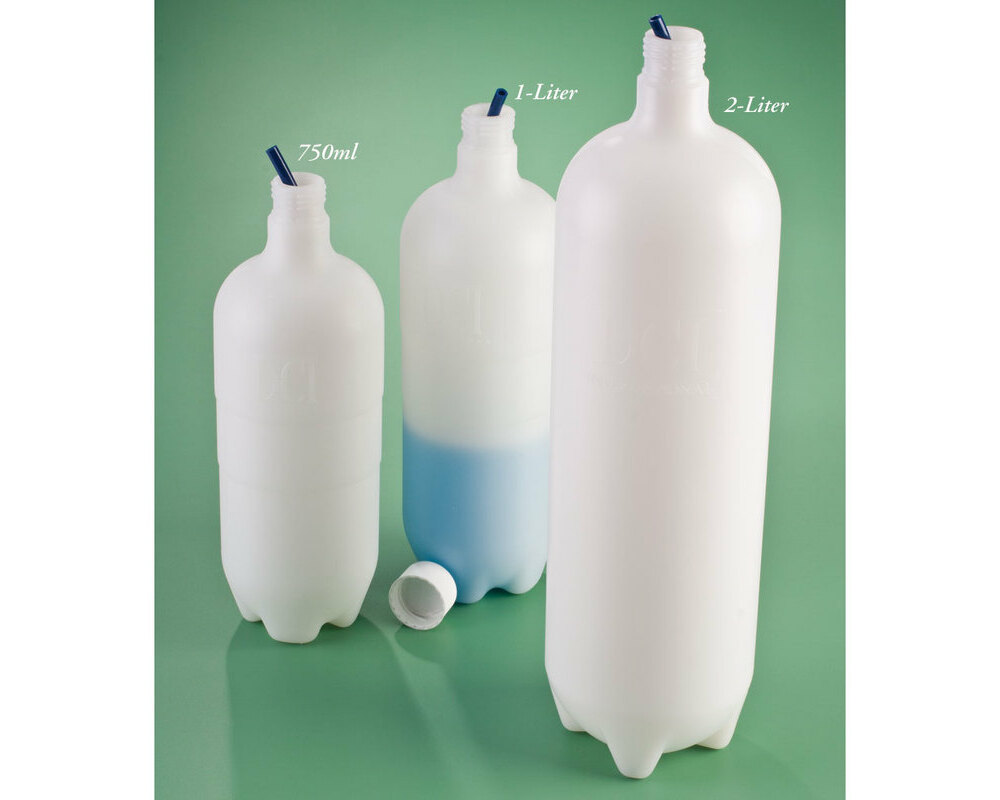
You’ve likely been told to drink eight 8-ounce (240-ml) glasses of water daily. This equals about half a gallon, or roughly 2 liters. If you’ve ever wondered, How many water bottles is 2 liters, the answer depends on bottle size. For example, with standard 16.9-ounce (500-ml) bottles, 2 liters equals about four bottles. Understanding this can make tracking hydration easier. You can also explore How much water is in a water bottle in liters for a clearer breakdown of common bottle sizes.
This “8×8 rule” has become widely accepted because it’s simple and easy to remember. But is there solid evidence supporting it, or is it more of a general guideline than a strict medical recommendation?
This article examines the research behind the eight-glasses-a-day advice, explains how hydration truly works, and discusses how much water you may actually need each day for optimal health and wellness.
Evidence for drinking 8 glasses of water each day
It’s difficult to determine the exact origin of the “eight glasses per day” recommendation. One theory suggests it may stem from the idea that you should consume 1 ml of fluid for every calorie eaten.
For someone consuming 2,000 calories daily, this would total 2,000 ml (about 64 ounces), which equals eight 8-ounce glasses.
However, an expanding body of scientific evidence indicates that this broad recommendation may be excessive for some individuals and insufficient for others. Hydration needs are not one-size-fits-all and depend on numerous biological and environmental factors.
Certain conditions — such as intense exercise, hot climates, pregnancy, or breastfeeding — can significantly increase water requirements. Yet for generally healthy adults living in moderate conditions, consuming large volumes of water beyond thirst cues may not be necessary.
That said, insufficient fluid intake can lead to mild dehydration, defined as a loss of 1–2% of body weight due to fluid depletion. Symptoms may include fatigue, headache, reduced concentration, and mood changes (1). Even slight dehydration can affect daily performance and overall well-being.
Importantly, preventing dehydration doesn’t require rigidly following the eight-glasses rule. In most healthy individuals, thirst is a reliable biological signal that guides adequate fluid intake.
SummaryThere is no strong scientific evidence supporting the strict 8×8 rule. Individual hydration needs vary, and thirst is typically a dependable guide for most healthy adults.
Foods and beverages other than water can contribute to hydration
Plain water is not the only contributor to your hydration status. A variety of beverages and foods provide meaningful amounts of fluid.
Drinks such as milk and fruit juice contribute to daily water intake. Even caffeinated beverages and mild alcoholic drinks like beer can support hydration when consumed in moderation (2, 3, 4). Despite common misconceptions, moderate caffeine intake does not automatically cause dehydration in habitual consumers.
Additionally, many whole foods naturally contain high percentages of water. The total amount you obtain from food depends on how frequently you consume water-rich options. Fruits and vegetables are especially hydrating, but animal products also contain notable water content.
For instance, watermelon is composed of 91% water, and eggs are 76% water (5, 6). Cucumbers, oranges, strawberries, yogurt, soups, and leafy greens are also excellent contributors to fluid intake.
Furthermore, your body produces a small amount of water internally through the metabolism of carbohydrates, fats, and proteins. This is known as metabolic water (7). While this source alone isn’t sufficient for hydration, it does contribute to your overall fluid balance.
If you’re calculating intake in practical terms and asking, How many water bottles is 2 liters, remember that total hydration includes more than just bottled water. Still, if using 500-ml bottles, 2 liters equals about four bottles. For comparison, you might also find it helpful to read How many liters is 4 bottles of water to better visualize daily fluid amounts.
SummaryHydration comes from multiple sources — including beverages, water-rich foods, and metabolic processes — not just drinking plain water alone.
Drinking enough water has some health benefits
Adequate hydration is essential for maintaining normal physiological function. Your body constantly loses water through breathing, sweating, urination, and bowel movements. Replenishing these losses supports temperature regulation, nutrient transport, and cellular health.
Ensuring sufficient fluid intake may provide several health advantages:
- Weight loss. Drinking adequate water may increase calorie expenditure, reduce appetite when consumed before meals, and potentially lower the risk of long-term weight gain (8). Choosing water over sugar-sweetened beverages can also reduce overall calorie intake.
- Better physical performance. Even mild dehydration can impair exercise capacity. A 2% reduction in body water during physical activity may increase fatigue and decrease motivation (9). Athletes and physically active individuals should be particularly mindful of hydration status.
- Reduced severity of headaches. In individuals susceptible to headaches, increasing water intake may lessen intensity and shorten episode duration. In dehydrated individuals, water may relieve headache symptoms (10, 11).
- Constipation relief and prevention. For those who are dehydrated, proper hydration may help prevent and alleviate constipation, although further research is needed (12). Adequate fiber intake combined with sufficient fluids supports regular bowel movements.
- Decreased risk of kidney stones. While additional research is warranted, some evidence suggests that increasing water consumption may reduce recurrence of kidney stones in individuals prone to developing them (13, 14).
Overall, maintaining balanced hydration supports both short-term physical performance and long-term health outcomes.
SummaryStaying properly hydrated may support weight management, enhance physical performance, ease constipation, and reduce the likelihood of certain health issues.
How much water should you drink each day?
There is no universal answer to this question, as hydration requirements differ widely among individuals.
The National Institute of Medicine established an Adequate Intake (AI) level for total water and total beverages. AI represents an intake level believed to satisfy the needs of most healthy people.
The AI for total water (including water from food, beverages, and metabolism) and total beverages (including water and other drinks) is (15):
| Total water | Total beverages | |
| Males, ages 19–70 | 125 ounces (3,700 ml) | 101 ounces (3,000 ml) |
| Females, ages 19–70 | 91 ounces (2,700 ml) | 74 ounces (2,200 ml) |
These figures can serve as general guidance, but many factors influence individual needs. Body size, muscle mass, physical activity level, climate, altitude, and overall health status all play significant roles.
Athletes, people living in hot or humid environments, and individuals who are pregnant or breastfeeding typically require higher fluid intake (16). Conversely, some individuals may meet their needs with less, particularly if they consume a diet high in water-rich foods.
It becomes clear that hydration is highly personalized. For some, eight glasses daily may be more than adequate; for others, it may fall short.
If you prefer a simple strategy, allow thirst to guide you. Drink when you feel thirsty and stop once your thirst is satisfied. Increase fluid intake during exercise or periods of heat exposure to compensate for additional losses.
However, keep in mind that thirst perception may diminish with age. Some older adults may need to consciously remind themselves to drink fluids, as aging can reduce the sensation of thirst (17).
The bottom line
Although drinking eight glasses of water daily is often presented as a scientifically proven rule, there is limited evidence supporting this exact recommendation.
Hydration needs are individualized and influenced by diet, activity level, health status, and environment. You can obtain fluids not only from water but also from other beverages, water-rich foods, and metabolic processes.
For most healthy individuals, drinking in response to thirst is an effective and practical way to maintain adequate hydration.
Just one thing
Try this today: If you’re tracking your intake and wondering, How many water bottles is 2 liters, calculate based on your bottle size to better understand your daily consumption. Small adjustments can help you meet your hydration goals more consistently.





















Leave a Reply
You must be logged in to post a comment.