
Blisters that develop between the toes are most often triggered by fungal infection, repeated friction, or an allergic reaction. In many situations, you can manage them effectively at home. If you’re searching for How to treat pinky toe blisters, understanding the underlying cause is the first and most important step.
When a blister forms between two toes, what starts as minor irritation can quickly turn into significant discomfort—especially if you spend long hours walking, standing, or exercising. The constant pressure placed on your feet can worsen the tenderness and delay healing if not addressed properly.

There are two primary categories of interdigital toe blisters: those caused by friction and those that are unrelated to friction.
Blisters that are not friction-related and appear directly between two toes are commonly due to infection or an allergic response. More frequently, however, blisters between toes occur when one toe continually rubs against another, leading to skin irritation. These are known as friction blisters or pinch blisters, and they can typically be treated at home with proper care and preventive measures.
Types of blisters
A blister is a pocket of fluid that forms beneath the upper layer of the skin. The fluid inside may be clear or tinged with blood. Friction and nonfriction blisters can appear very similar. However, the blister’s location and the circumstances surrounding its development can help you—or a healthcare professional—determine its cause.
Interdigital blisters not due to friction
Your feet are exposed daily to environments that make them susceptible to infections and allergic reactions. These conditions can produce a range of symptoms, including rashes, redness, and blistering.
If a blister forms between your toes—rather than on a toe that is being pressed or squeezed by another toe or tight footwear—it is likely not caused by friction.
Such a blister may be visible on the top of your foot between two toes. In other instances, an interdigital blister can develop at the base of two toes on the underside of your foot, which may make it less noticeable at first.
Because infection can be responsible for an interdigital blister, medical evaluation and prescription treatment may be necessary. Appropriate medications and consistent foot hygiene are usually sufficient to clear the condition.
Pinch blisters
As the name implies, a pinch blister forms when one toe curls slightly beneath a neighboring toe and becomes compressed. In some cases, the repetitive rubbing force can cause the blister to rupture before you even realize it formed. Tight-fitting shoes can also apply excessive pressure to the toes, contributing to blister development.
Pinch blisters commonly appear near the tip of a toe or around its base. Unlike infection-related interdigital blisters, the cause of a pinch blister is often easy to identify, making prevention more straightforward once the trigger is recognized.
Causes of blisters between toes
Identifying why a blister has formed helps you choose the correct treatment and lowers the likelihood of recurrence. Since your feet endure constant pressure and exposure to moisture, heat, and friction, they are particularly prone to skin problems that can make walking or even standing uncomfortable.
Interdigital blisters not related to friction may indicate an underlying health issue. Sometimes additional symptoms make the cause more apparent. In other cases, a trained healthcare provider must assess the condition to confirm the diagnosis.
Fungal infections
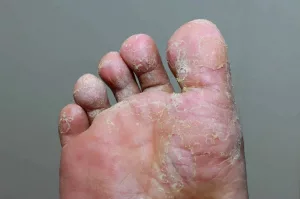
One of the most common fungal infections affecting the feet is athlete’s foot. Wearing damp socks or walking barefoot in warm, humid places—such as locker rooms—can increase your risk. Athlete’s foot typically causes an itchy, scaly rash, but it can also lead to blister formation between the toes.
If you suspect a fungal origin, prompt treatment with antifungal medication can help prevent the infection from spreading and worsening.
Allergies
Certain allergic reactions may also cause blisters between the toes or elsewhere on the foot. An insect bite or sting can trigger a blister if you are allergic. Polyester is another potential allergen that may affect the feet. If you are sensitive and wear polyester socks, an interdigital blister could develop between adjacent toes.
Eczema
This inflammatory skin condition can be provoked by sweat, extreme dryness, bacteria, allergens, or other irritants that spark an eczema flare-up. The hallmark symptom of eczema is dry, red, scaly patches of skin. In some cases, blisters may also develop between the toes or on other parts of the body.
If eczema is suspected, a dermatologist can recommend treatments to reduce inflammation and protect the skin barrier.
Sunburn
Severe sunburn can cause blisters to appear almost anywhere on the body. Spending extended time barefoot in direct sunlight can easily burn the top of your foot, increasing the chance of blistering between the toes.
Pinch blisters
Pinch blisters are associated with toe shape and alignment, as well as footwear choices and walking patterns. While the cause may be relatively clear, preventing repeated occurrences may require footwear adjustments and protective strategies.
Toe alignment
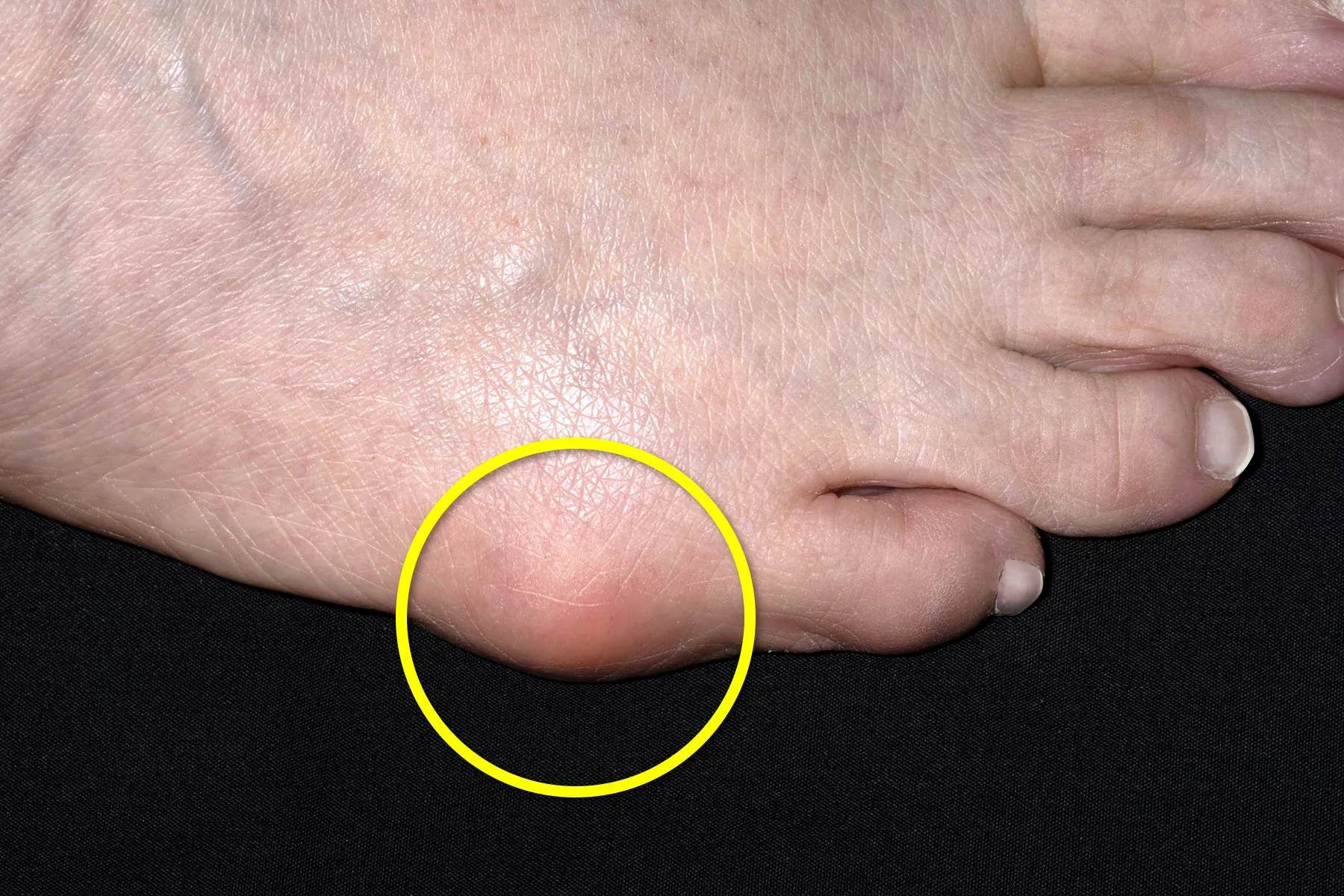
If one or more toes bend toward an adjacent toe, recurring blisters are more likely unless preventive action is taken. Conditions such as hammer toe—where a toe bends abnormally at the middle joint—or even mild misalignment can create consistent pressure points that damage the skin.
Sweat
Feet that remain damp for prolonged periods allow moisture to accumulate between the toes. This environment increases the likelihood of skin irritation and friction blister formation. Managing moisture is essential when considering How to treat pinky toe blisters and prevent future flare-ups.
Ill-fitting shoes
Poorly fitting footwear is a major contributor to foot problems, including blisters between the toes, on the heel, or along the sole. Shoes that squeeze the toes together can cause multiple pinch blisters, particularly if you walk or run frequently. On the other hand, shoes that allow excessive toe movement may create repeated friction on specific toes.
If you frequently experience a Blister on bottom of pinky toe from walking or a Blister on pinky toe bottom, evaluating your footwear fit and support is critical.
Treatment for blister between toes
In most cases, you can treat a toe blister on your own. Beyond allowing time for healing, your primary objective is preventing infection. Avoid popping the blister or picking at it, as intact skin provides a protective barrier against bacteria.
Whether the blister is newly formed or already raised, cover it carefully with a clean bandage. If possible, switch to roomier shoes, loosen laces, or avoid wearing shoes for the remainder of the day to minimize additional pressure.
If the blister has ruptured, you may soak your toes in a clean basin of warm water mixed with Epsom salts. Gently cleansing the area with warm water alone is also acceptable.
Protect the blister with an adhesive bandage or apply a circular piece of moleskin to shield it during healing. If the underlying skin is exposed, consider applying a moisture barrier such as Aquafor or Vaseline before covering it with a dressing.
Monitor for signs of infection:
- redness
- swelling
- pus draining from the blister
- pain
- fever
If you believe the blister is infected, consult a doctor. A bacterial infection may require an antibiotic. If a fungal infection is responsible, your doctor may prescribe an antifungal cream or spray to apply to the affected area.
Seek medical advice as well if you experience a blister along with symptoms such as dry, scaly skin patches that suggest eczema or another chronic skin disorder. A dermatologist or podiatrist can help determine the most effective course of action.
Blister prevention
If blisters consistently form in the same location, proactive steps can help reduce the risk of recurrence. Additionally, if you anticipate being on your feet for extended periods, these preventive measures can keep your toes more comfortable and healthy.
Wedges
Soft pads or wedges placed between the toes can reduce direct friction and lower the chance of blister formation. However, wedges may shift out of place, particularly during running or high-impact activity.
Toe sleeves
Gel-based toe sleeves or protective socks fit over individual toes to minimize rubbing against neighboring toes and provide cushioning.
Lubricants
Applying a small amount of petroleum jelly to areas prone to blisters may decrease friction enough to prevent skin breakdown.
Socks
Some runners wear two pairs of socks to reduce friction on the soles and between toes. Choosing a moisture-wicking material for the inner sock can help draw sweat away from the skin, decreasing the risk of friction blisters.
Taping
Covering vulnerable areas with moleskin slightly larger than the blister-prone spot can provide extra protection. Taping two adjacent toes together with medical adhesive tape may also limit friction.
Takeaway
If you’re unsure about the most effective approach for How to treat pinky toe blisters or how to prevent them from returning, consider consulting a podiatrist. A specialist can assess for toe alignment issues such as hammer toe and recommend appropriate treatment options.
You may also receive guidance on selecting properly fitted athletic or work shoes. Specialty shoe retailers can measure your feet to ensure an optimal fit. If dress shoes or occupational footwear are contributing to the issue, look for alternatives that offer better support and spacing for your toes.
When avoiding problematic shoes isn’t possible, take preventive precautions. Using protective padding or lubrication can significantly reduce discomfort and protect your skin by the end of the day.













Leave a Reply
You must be logged in to post a comment.