

Why are my legs tired?
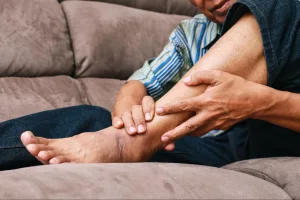
Tired legs are a very common complaint and can stem from many different underlying causes. You might be more prone to fatigued legs if you’re female, overweight, or older. Leg fatigue also tends to affect people who sit or stand for long stretches without adequate movement or breaks.
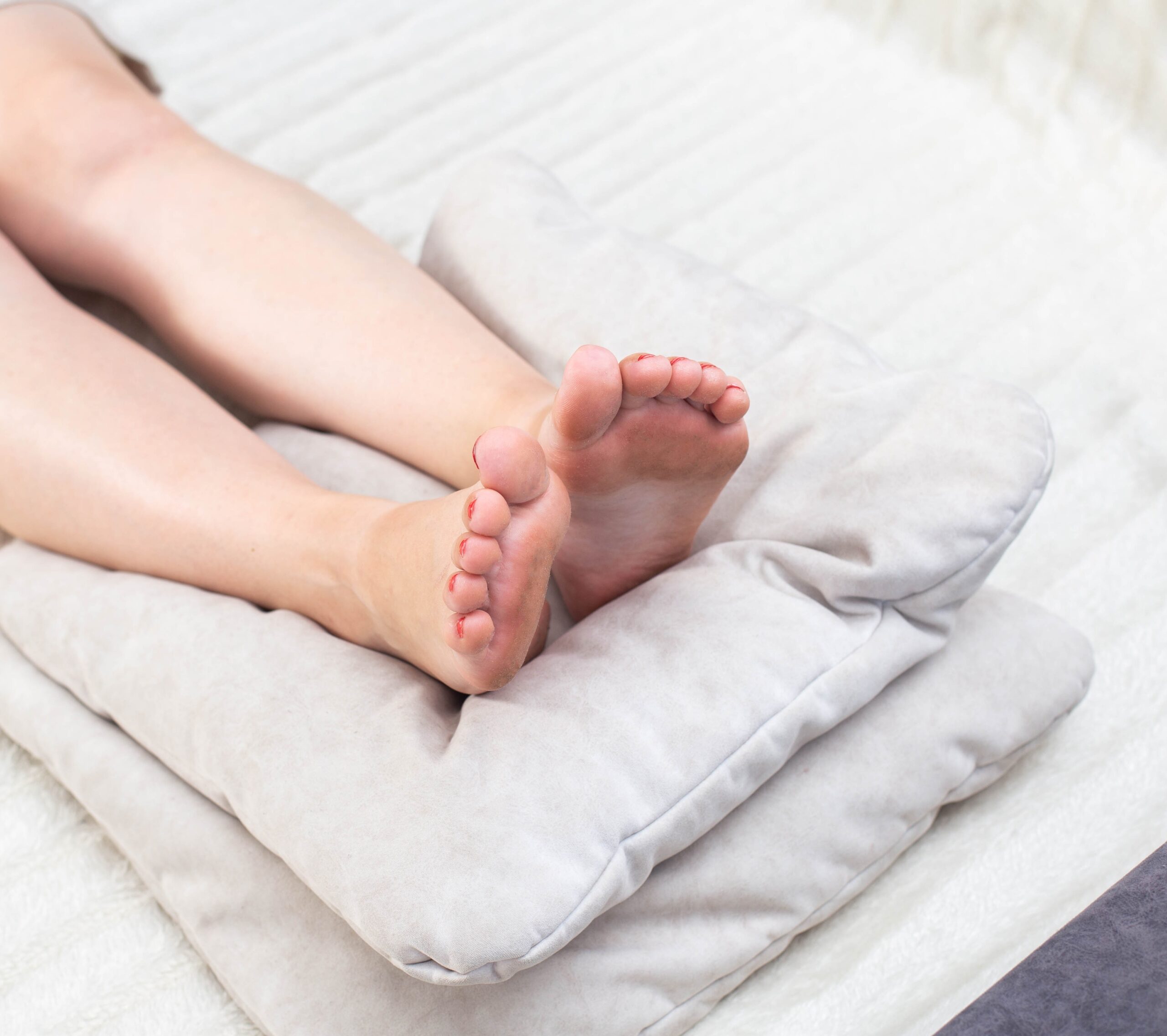
If you’ve ever wondered, Why do my legs feel heavy when I walk, you’re not alone. That dragging, sluggish sensation can interfere with daily activities and reduce overall mobility. In many cases, heavy or tired legs are linked to lifestyle factors, circulation concerns, or muscle strain.
Continue reading to explore this symptom in more detail, including frequent causes, associated conditions, and available treatment approaches.
8 causes for tired legs
Numerous factors can contribute to tired, heavy legs. This sensation may also occur alongside pain, tenderness, throbbing, or cramping. While tired legs are often not serious, it’s still essential to listen to your body when fatigue appears—especially if other unusual symptoms are present.
Below are several potential causes of leg fatigue:
1. Overuse
If you’ve recently increased your physical activity or spent more time on your feet than usual, your legs may naturally feel worn out. Muscles that are overworked can become fatigued, leading to soreness and a heavy sensation.
Ensure you’re allowing sufficient recovery time and staying within your physical limits. Proper rest helps reduce strain, prevent injury, and support muscle repair.
If your job requires frequent standing or walking, schedule short breaks throughout the day to relieve pressure on your legs and encourage healthy circulation.
2. Underuse
On the other hand, not moving enough can also lead to tired legs. Prolonged sitting reduces circulation and may cause stiffness, weakness, or that familiar heavy feeling.
If you must remain seated for long periods, aim to stand and move for at least five minutes every hour. Even light stretching or a brief walk can improve blood flow.
If you’re confined to bed for an extended time, perform gentle leg lifts and stretches hourly. Elevating your legs with pillows may also help reduce pooling of blood in the lower extremities.
3. Muscle cramps
Excessive use of the leg muscles can trigger muscle cramps. These sudden, involuntary contractions may leave your legs feeling sore, tight, and fatigued afterward.
Give your body adequate time to rest until symptoms ease. If cramping is intense or persistent, consult your doctor for evaluation. Addressing hydration, electrolyte balance, and stretching habits may also help reduce recurrence.
4. Hypokalemia
Hypokalemia occurs when potassium levels in the bloodstream are low. This condition can result in:
- fatigue
- weakness
- cramping in the legs
- constipation
Certain medications or medical conditions may lead to hypokalemia. Your doctor can identify the root cause and recommend the most appropriate treatment to restore potassium balance safely.
5. Varicose veins
If you experience heavy, aching, or visibly swollen veins, varicose veins may be the cause. These develop when veins do not function efficiently, allowing blood to pool and causing them to enlarge.
This can produce symptoms such as leg fatigue, swelling, throbbing discomfort, and a sense of pressure—especially after long periods of standing.
Self-care strategies like regular exercise, leg elevation, and wearing compression stockings can often ease symptoms. If problems persist or worsen, consult your doctor for further management options.

6. Poor circulation
Your legs may feel fatigued or heavy if blood is not circulating efficiently throughout your body. Poor circulation frequently affects the lower extremities because blood must travel upward against gravity to return to the heart.
When circulation is compromised, blood may accumulate in the legs, ankles, and feet, contributing to swelling and discomfort. Many people searching Why do my legs feel heavy when I walk discover that vascular health plays a significant role.
You may improve circulation by:
- increasing daily movement
- avoiding tight clothing
- managing underlying conditions, such as diabetes
If symptoms do not improve, your doctor may prescribe medication or recommend further testing to evaluate vascular function.
7. Pregnancy
Swelling during pregnancy can be attributed to:
- hormones
- fluid retention
- increased pressure on veins
These changes may cause your legs to feel tired, heavy, or uncomfortable. Cramping and varicose veins are also common during pregnancy.
Sleeping on your left side may help reduce pressure on the vein responsible for carrying blood from the lower body back to the heart. Gentle prenatal exercises may also support circulation.
Seek medical attention immediately if you notice sudden or severe swelling, as this may indicate preeclampsia.
8. Multiple sclerosis (MS)
Muscle fatigue or a sensation of heavy legs can be a symptom of MS. In fact, fatigue is the most frequently reported symptom among individuals with this condition. Heat and humidity may intensify fatigue.
MS contributes to fatigue because it affects the nerves and disrupts communication between the brain and muscles, making movement more physically demanding.
Other symptoms of MS include:
- blurred or double vision, or loss of vision
- tingling and numbness
- pains or muscle spasms
- loss of balance or feelings of dizziness
- bladder issues
- sexual dysfunction
- difficulty concentrating, staying organized, or remembering things
MS requires a medical diagnosis. If you suspect MS, consult your doctor for a thorough evaluation.
How to treat tired legs at home
In many situations, tired legs can be managed effectively at home using supportive self-care strategies.
1. Dry brushing
Dry brushing may stimulate circulation, enhance energy levels, and encourage lymphatic drainage. It also provides gentle exfoliation for the skin.
Use a natural-bristle brush and begin at your feet, brushing upward toward your heart. Continue for 10 to 15 minutes before taking a cool shower.
2. Warm bath
Soaking in a warm bath can promote relaxation, ease muscle tension, and improve blood flow while reducing pressure on your legs. Add up to 2 cups of sea salt, Epsom salt, or baking soda and soak for at least 20 minutes.
3. Foot bath
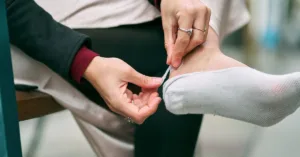
A soothing foot bath may help refresh tired feet by decreasing aches, soreness, and inflammation.
Add 1 cup each of Epsom salt, sea salt, and vinegar to a basin of warm water. Soak your feet for a minimum of 20 minutes.
4. Apple cider vinegar
One study found that topical use of apple cider vinegar may help reduce varicose veins symptoms, including cramping, pain, and fatigue.
You can massage diluted vinegar directly onto your legs or incorporate it into a warm bath.
5. RICE method
This strategy includes:
- Rest. Pause activity and allow your legs time to recover.
- Ice. Apply ice packs or soak your legs in cold water for 20 minutes at a time, several times daily.
- Compression. Use a compression bandage to limit swelling.
- Elevation. Keep your legs raised on pillows to reduce swelling and discomfort.
The RICE method can help decrease inflammation, enhance circulation, and relieve pain.
6. Massage
Massage therapy may ease leg fatigue by promoting blood flow and relaxing tight muscles. If possible, schedule a session with a certified massage therapist. You can also perform self-massage using oils or topical ointments.
A capsaicin gel or cream may assist with pain relief and circulation support.
7. Simple exercises
Performing simple movements can quickly stimulate circulation and reduce stiffness. Even brief activity may help if you’re asking yourself, Why do my legs feel heavy when I walk.
- Roll a tennis ball under your feet while seated.
- Rotate your ankles clockwise, one at a time, as though tracing a circle on the floor.
- Alternate between rising onto your toes and lowering your heels while standing.
- Do jumping jacks, squats, or jog in place to activate the leg muscles.
If leg weakness accompanies heaviness, you may find additional insight in this guide: Why do my legs feel heavy and weak.
How to prevent tired legs
You can take proactive steps to lower your risk of developing tired or heavy legs:
- Consume a balanced, nutrient-rich diet to meet your daily vitamin and mineral requirements and sustain energy levels.
- Obtain sufficient vitamin D through sunlight exposure or diet.
- Wear properly fitted, supportive footwear—especially if you stand for long hours. Consider cushioned insoles for extra comfort.
- Engage in physical activity daily for at least 15 minutes, and avoid prolonged sedentary periods.
- Avoid crossing your legs while sitting.
- Maintain upright posture whether sitting or standing.
- Drink adequate water to support circulation and muscle function.
- Maintain a healthy body weight.
- Use compression stockings if recommended.
- Sleep with pillows under your feet to encourage venous return.
- Prioritize sufficient rest and recovery.
- Limit or avoid alcohol, sugar, and caffeine.
- If you smoke, quit.
When to seek help
In most cases, rest and home remedies are enough to ease leg fatigue. However, if your legs continue to feel tired despite self-care—or if symptoms persist for more than a few days—schedule an appointment with your doctor.
Seek medical evaluation if you experience ongoing pain, swelling, numbness, or functional difficulty. A healthcare professional can determine whether an underlying medical condition is responsible.
Outlook
For many people, taking time to rest, recover, and care for their bodies restores strength and comfort to their legs. Considering how much your legs support you each day, occasional extra care goes a long way.
If you repeatedly notice heaviness, fatigue, unexplained swelling, or pain—especially if you frequently think, Why do my legs feel heavy when I walk—consult your doctor for a thorough assessment and personalized guidance.


















Leave a Reply
You must be logged in to post a comment.