
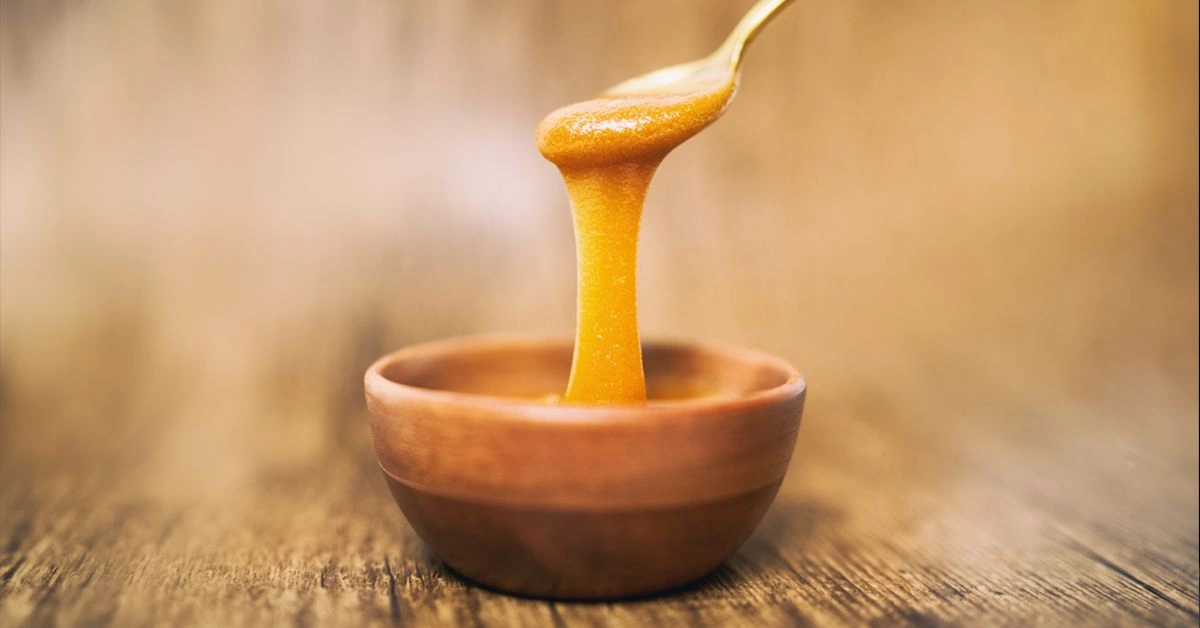
Manuka honey contains anti-inflammatory and antioxidant components that might ease eczema signs when applied to the skin. Still, additional studies are needed to firmly establish these effects.
If your skin is frequently itchy, red, and flaky, you could be among the more than 31 million Americans living with eczema. You’re likely open to trying many approaches to improve how your skin looks and feels.
Before losing hope or spending a lot on pricey creams, consider trying honey for your eczema. Honey has anti-inflammatory and antioxidant effects that could be helpful for managing eczema symptoms.
That said, consult your physician before starting this home remedy. If you decide to use honey to help your eczema, you may want to combine it with other remedies or prescribed treatments.
This article examines honey’s properties and how it might help reduce eczema symptoms.
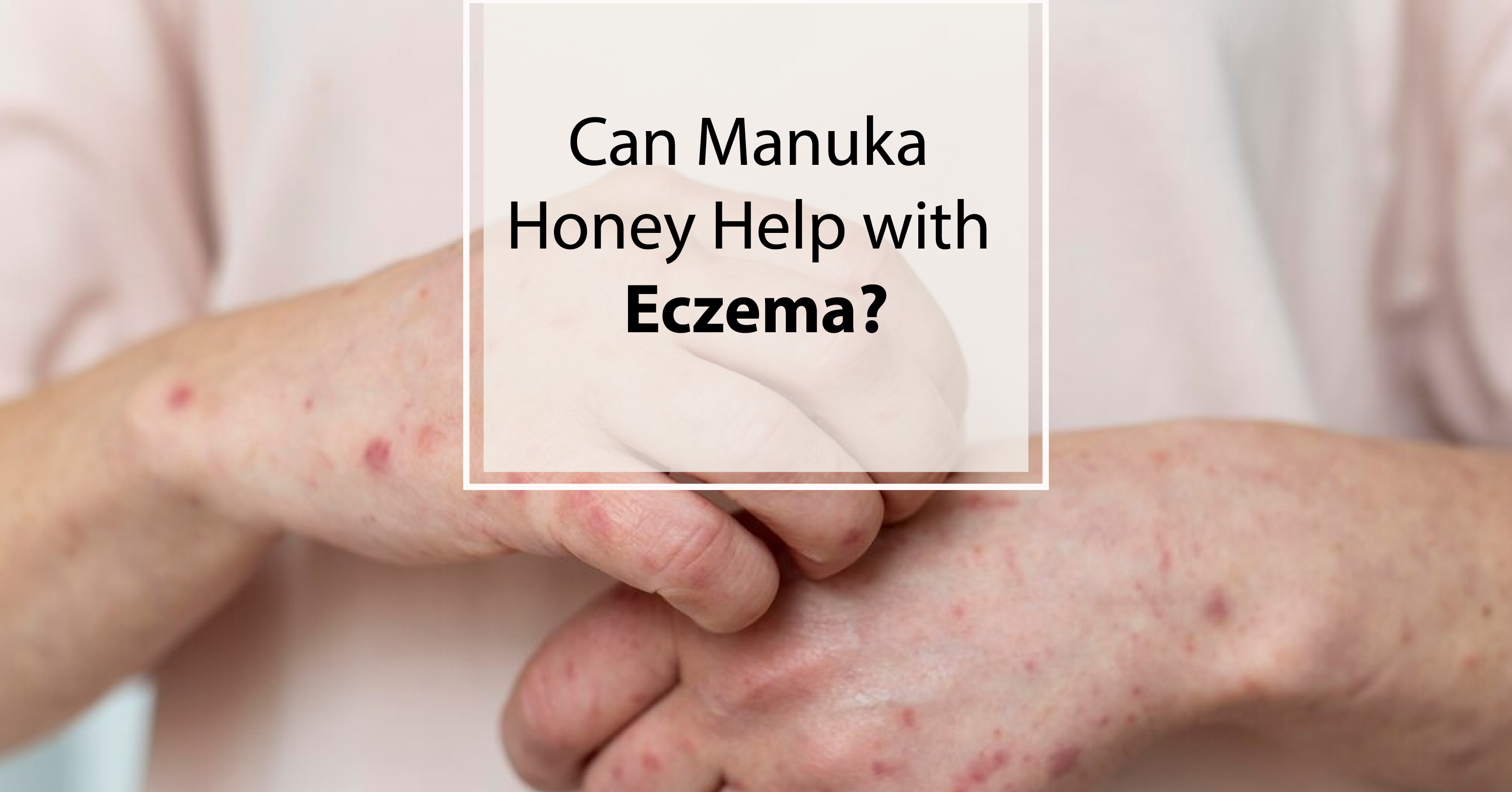
Learn more about eczema
Everything You Need to Know About Eczema
How might honey ease eczema symptoms?
The distinct antimicrobial and anti-inflammatory traits of honey enable it to suppress and inhibit microbial growth.
Medical-grade honey has been used in clinical settings to assist in the care of certain burn injuries and skin wounds.
It may also be helpful for eczema because of its capacity to:
- support tissue healing
- modulate immune responses
- control bacterial growth
About 70% to 90% of people with eczema carry Staphylococcus aureus on their skin. Honey’s antimicrobial action may help lower these bacteria and the inflammation they cause.
If eczema becomes infected, symptoms can grow more painful. Applying honey might decrease bacterial colonization on the skin, reducing infection risk.
Honey can also be used alongside certain medical treatments to enhance their effects.
Studies demonstrate honey’s special properties can be particularly effective against infections from multidrug-resistant microbes.
So, even if antibiotics are prescribed for eczema-related infections, topical honey applications may still offer benefit.
Which kinds of honey work best for eczema?
Manuka honey is especially noted for wound and infection healing due to its enhanced antimicrobial potency. This extra activity is thought to be linked to methylglyoxal, a compound not commonly found in other honeys.
Because of manuka honey’s increased antimicrobial action, medical-grade honey products have been created to treat multidrug-resistant bacterial strains. However, medical-grade honeys vary in their antibacterial effectiveness.
A 2020 comparison of 18 honey varieties found surgihoney most effective against multiple bacterial strains, though further research is needed to determine which honey best treats eczema.
2024 research also indicates honey can effectively care for wounds in people with diabetes.
Be aware that non–medical-grade honey may contain pesticides or microbes that could aggravate eczema, so avoid using nonmedical honey for treatment.
How should you apply honey?
A 2017 study reported improvement in eczema after participants, for seven nights, did the following:
- spread a layer of medical-grade honey on the affected area
- covered it with gauze
- left it in place overnight
- washed the area the next morning
More studies are needed to determine the optimal ways to use honey for easing eczema symptoms.
Are there side effects to consider?
Although uncommon, severe reactions including anaphylaxis can occur in people allergic to honey or bee venom who apply honey topically.
Anaphylaxis symptoms may include:
- hives
- facial swelling
- wheezing
- labored breathing
- fainting or lightheadedness
- rapid heart rate
- intense anxiety or a sense of impending doom
Other home remedies that may help eczema
Besides honey, other home approaches for eczema include:
- colloidal oatmeal baths
- stress-management techniques like meditation and yoga
- acupuncture
- bleach baths
Learn more about natural strategies for managing eczema.
What medical treatments are commonly recommended?
Depending on where your eczema appears and how severe it is, your clinician might recommend:
- antihistamines to lessen itching
- topicals and medical moisturizers
- phototherapy
- immunosuppressant medications
- injectable biologic agents
If your eczema becomes infected, a physician may prescribe antiviral, antibiotic, or antifungal drugs as appropriate.
The bottom line
Honey possesses anti-inflammatory and antioxidant qualities that may help ease eczema symptoms. To try honey for eczema, apply medical-grade honey topically to the affected skin.
Alongside honey, you can use other home measures such as oatmeal baths and available over-the-counter or prescription therapies to manage eczema symptoms.
If you have known allergies to honey or bee venom, discuss this with your doctor before using honey as an eczema remedy.


















Leave a Reply
You must be logged in to post a comment.