
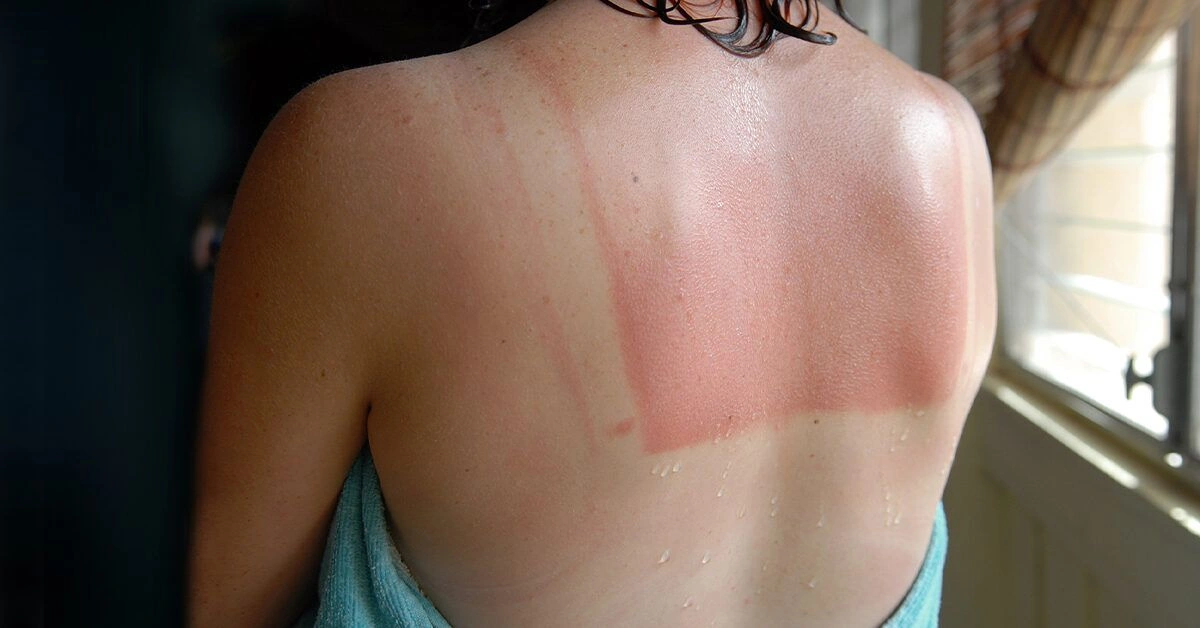
Whether a sunburn eventually develops into a tan largely depends on your skin type, which is not something you can change.
If you spent too long in the sun and are hoping your bright-red sunburn will mellow into a bronzed hue, you may be disappointed.
Below is a breakdown of sunburns, tanning, and what happens in between.
Health notice
Tanning carries many risks, including skin injury and skin cancer. Most health experts advise against deliberate exposure to UV rays from sunlight or tanning devices.
Tanning occurs in two stages
That desirable glow you see is essentially evidence of skin damage.
The warm, golden color you get after sun exposure is your body’s reaction to harm — damage to skin layers caused by ultraviolet (UV) radiation.
A tan actually happens through a two-step process:
Immediate UV injury response
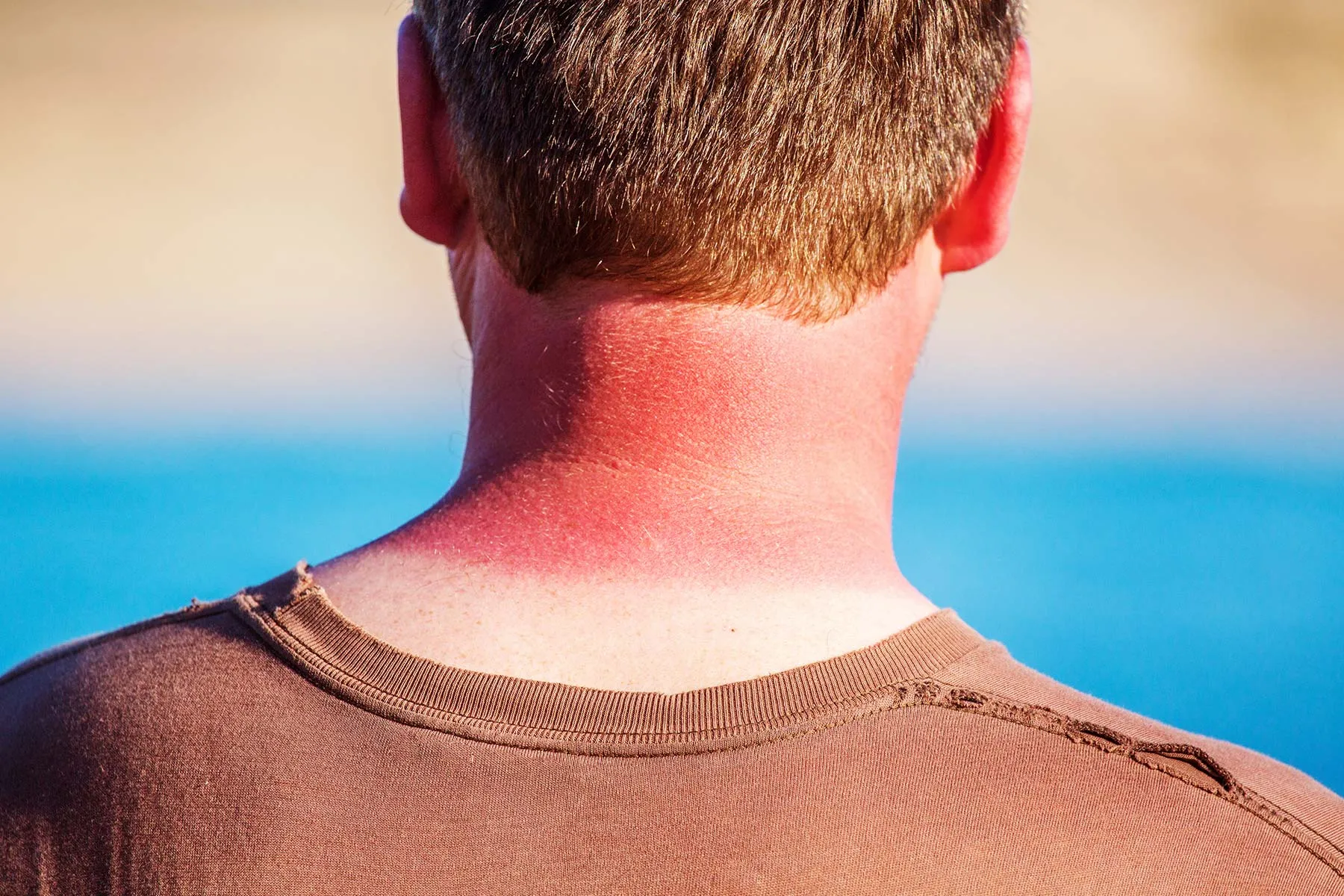
Ultraviolet rays from the sun harm cells in the epidermis. In response, your immune system boosts blood flow to the injured area, which explains why sunburned skin looks red and feels hot.
Simultaneously, chemicals released by the damaged cells signal your brain, causing pain. This can occur anywhere from 6 to 48 hours after being in the sun.
Increased melanin production
Your body ramps up melanin production as a protective attempt to shield skin from further harm. Melanin is the pigment that gives color to your skin, hair, and eyes.
If your skin type can tan, melanin will darken your complexion within about 48 hours following sun exposure.
Whether you tan depends mostly on your skin type
Clinicians categorize skin types using the Fitzpatrick skin type (FST) scale.
This scale estimates how much melanin is in your skin based on your:
- skin tone
- hair color
- eye color
It’s not perfect, but it gives a reasonable idea of how your skin is likely to react to sunlight.
Use the table below to determine your FST:
| FST | Skin color | Hair color | Eye color | Tanning ability |
|---|---|---|---|---|
| I | very pale | red or blond | pale blue, gray, or green | always burns, always peels, never tans |
| II | white to light beige | blond | blue, gray, or green | often burns and peels, tans poorly |
| III | fair-to-beige with warm undertones | dark blond or light brown | hazel or light brown | tans after burning |
| IV | olive or light brown | dark brown | dark brown | rarely burns, tans easily |
| V | dark brown | dark brown | dark brown or black | rarely burns, tans deeply |
| VI | very dark brown or black | dark brown | dark brown or black | never burns, always tans deeply |
No matter your skin type, soothe a burn right away
Once you’ve overexposed your skin to the sun, the damage is done and treatments won’t reverse it. However, you can still reduce discomfort and lower the risk of complications.
There are several steps you should take for a sunburn that may relieve symptoms and reduce the chance of issues like infection.
Severe sunburns sometimes need medical attention. The Skin Cancer Foundation advises seeking care for burns that produce blisters over large areas or are accompanied by:
- fever
- chills
- confusion
For mild to moderate sunburns at home, try these recommendations:
- Cool it:Lower skin temperature several times daily with cool baths or showers, or place a clean, damp, cool towel over the affected areas.
- Take medicine:Use OTC anti-inflammatory drugs like ibuprofen (Advil, Motrin) or naproxen (Aleve) to ease pain and swelling.
- Apply moisturizer:Use aloe vera gel or a soothing lotion to ease pain and itching and help prevent dryness.
- Use steroid creams:An OTC corticosteroid cream can help relieve discomfort and reduce swelling for mild to moderate burns.
- Avoid picking:Don’t pop blisters or peel sloughed skin.
- Keep clean:Wash open blisters gently with mild soap and water, apply an antibiotic ointment, and cover with a nonstick dressing.
- Stay hydrated:Drink plenty of fluids to prevent dehydration.
Safer tanning basics
There’s no completely safe method to tan from UV exposure, but if you spend time outdoors or are committed to getting a tan, some practices reduce risk.
- Use sunscreen:Sunscreen lowers the amount of tanning you’ll get but doesn’t eliminate it. Wear at least SPF 30 when you’ll be outside for long stretches, whether you’re aiming to tan or not. Sunscreen helps prevent burns and reduces premature aging and skin cancer risk.
- Don’t rely on a base tan:A base tan is not a replacement for sunscreen, despite what a tanning salon salesperson might say. There’s no proof that a base tan prevents burns. Also, tanning beds are not safer than natural sun. In fact, even a single tanning session can significantly raise the risk of all forms of skin cancer, including melanoma.
- Avoid peak sun hours:UV intensity is strongest between 10 a.m. and 4 p.m. That window carries the highest risk of quick, severe sunburn—limit exposure then.
Better option: try tanning alternatives
If you want a sun-kissed appearance without the UV-related risks, explore UV-free alternatives. There are a few choices.
Self-tanners
Sunless tanning products contain dihydroxyacetone (DHA), a coloring agent that reacts with dead skin cells on the surface to darken skin for several days.
Self-tanning lotions, creams, and sprays are available in multiple shades so you can decide how subtle or deep you want the color.
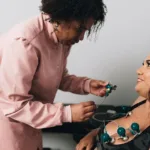
Spray tans
Spray tans are applied with an airbrush system to lay a fine layer of self-tanner over the skin. It’s usually performed by a trained technician, though home systems are available for frequent users.
Depending on how dark you go, a spray tan often lasts between 5 and 10 days.
One more tip: if you’re dealing with a burn on your head, check guidance for a sunburned scalp for specific care steps.
Takeaway
There’s no certainty that a sunburn will evolve into a tan, especially for those with very fair skin. The most reliable—and safer—way to get a tan is to use a self-tanning product or have a spray tan applied professionally.










Leave a Reply
You must be logged in to post a comment.