
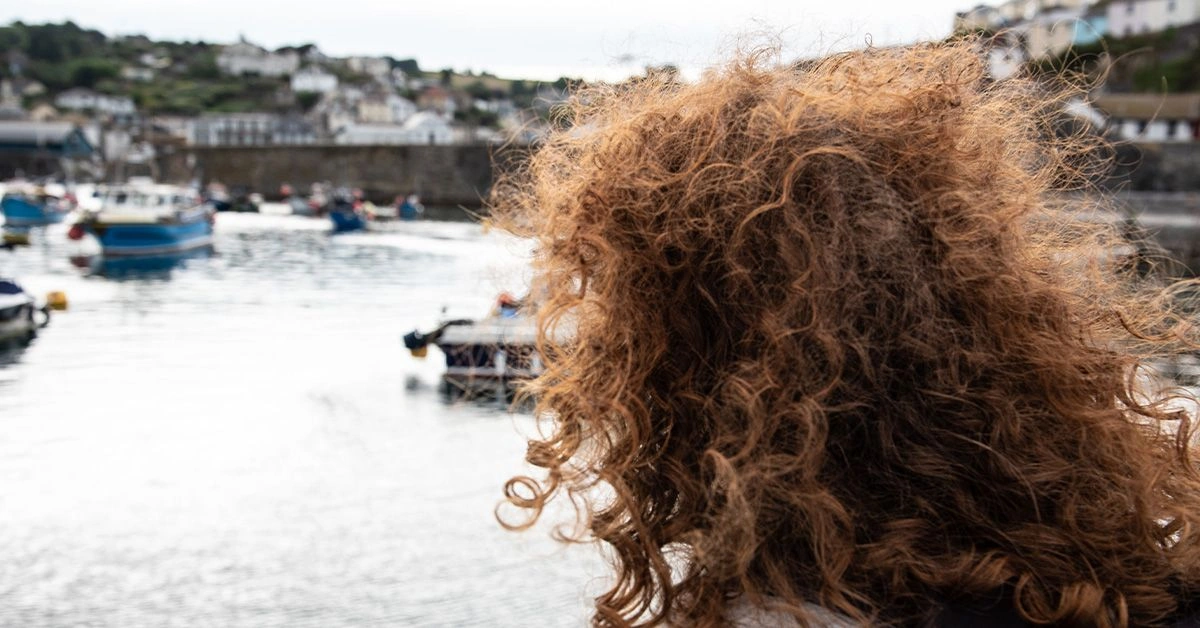
Coarse hair often needs extra hydration to avoid breakage. You may also want to steer clear of overly drying products and techniques.
Despite common misconceptions, having coarse hair doesn’t automatically mean it’s difficult to style.
In reality, “coarse hair” simply refers to strands that are thicker and have a larger diameter than many other hair types.
When attended to properly, these bulkier strands can hold waves or styles well and look full, robust, and glossy.
The secret, as with most hair types, is understanding:
- how to maintain your hair
- which products suit it
- which practices to avoid
This article explores practical hair care strategies that are particularly effective for keeping coarse hair at its best.
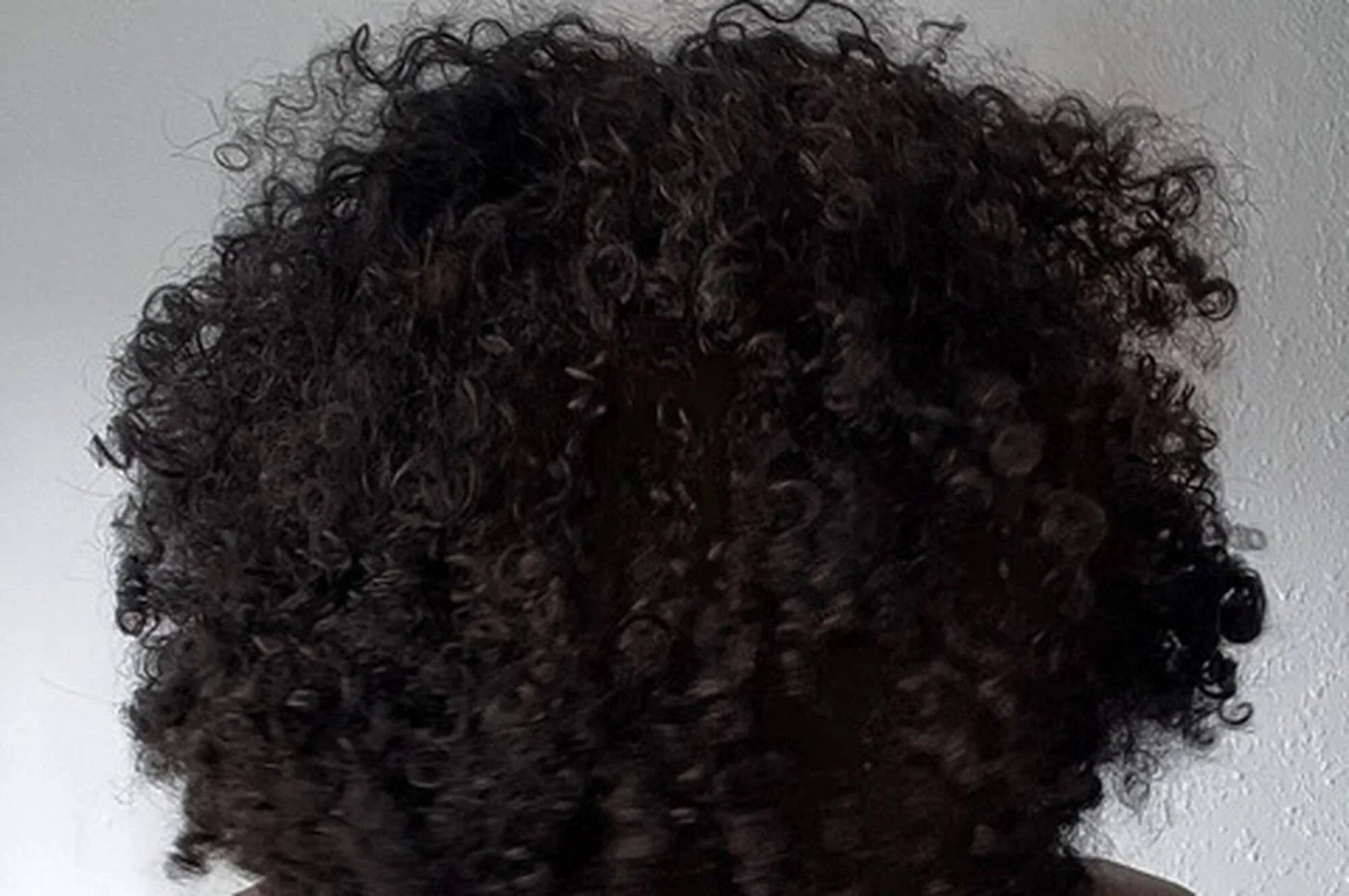
How can you tell if your hair is coarse?
Many people naturally have coarse hair due to genetics. It’s a common texture across various ethnic backgrounds, and many people appreciate its fullness.
Hair professionals usually classify coarse hair by the thicker circumference of the individual strands. That doesn’t imply the hair is rough or unmanageable.
If you roll a coarse strand between your fingers, you’ll notice its noticeable thickness. It generally feels and looks broader than a sewing thread.
By contrast, fine hair feels much slimmer and is harder to detect between your fingers.
If your hair hasn’t always been coarse, certain factors can change its texture over time.
Coarser hair may result from:
What’s the difference between coarse and thick hair?
There’s often confusion between “coarse” and “thick” hair.
Thick hair describes the density of follicles on your scalp. If you have thick hair, you simply have more individual hairs growing from your scalp than others.
Coarse hair refers to the size of each individual hair shaft — larger in diameter and more substantial to the touch.
Texture and density are distinct characteristics, and everyone has a mix of the two.
Knowing your hair’s texture and density helps you choose the best care and styling approach.
Hair care recommendations for coarse hair
Understanding how to treat coarse hair can make styling easier and enhance its appearance. The right routines and products can boost shine and manageability.
Below, hair-care specialists share eight effective methods to support the health and manageability of coarse hair.
1. Apply conditioning creams
Conditioning creams and serums help the hair shaft lie flatter and restore its natural form.
Many anti-frizz conditioning creams shield coarse hair from visible damage by infusing strands with silicones and proteins.
Serums can introduce gloss and weight to unruly coarse hair that resists styling.
Paul Mitchell Super Skinny Serum contains lightweight silicones designed to smooth, condition, and enhance shine on coarse strands.
Hair Treatment Serum by Bali Secret is a leave-in serum that helps control frizz and boost shine using plant oils and vitamins.
2. Avoid alcohol-heavy styling products
Alcohol is a common ingredient in many styling products, especially hairsprays and gels. While they can temporarily control your hair, they often strip moisture.
Coarse strands are prone to drying out, which can lead to damage. Prefer alcohol-free or low-alcohol formulations when possible.
Two alcohol-free choices to consider include:
- Pantene Pro-V Hairspray, a lightweight, alcohol-free spray that helps combat frizz by blocking humidity.
- L’ANGE Hair Luster Spray Laminate, an alcohol-free mist with botanical extracts, which may justify its higher price if you want a styling product that also imparts shine.
3. Sleep on a silk pillowcase
Although evidence is limited, many beauty experts suggest using a silk pillowcase to protect hair from:
- snarls
- tangles
- breakage
Silk offers a low-friction surface that is gentler on hair and skin than cotton alternatives.
Silk pillowcases also absorb less moisture, which may help hair retain its natural oils and luster.
If you choose to purchase a silk pillowcase, opt for genuine silk rather than “silk-like” options that may use inferior materials.
4. Cut down on heat styling
Frequent use of heat tools depletes hair of moisture, making it:
- drier
- more frizzy
- harder to control
Limit your heat styling if you have coarse hair. For blow drying, research suggests maintaining about a 6-inch distance between the dryer and your hair to help reduce damage.
Also, keep the dryer moving rather than concentrating heat on a single area.
5. Use deep conditioning masks
Deep conditioning masks are excellent for nourishing, moisturizing, and softening coarse hair. You can make DIY masks using natural components like:
- coconut oil
- olive oil
- honey
- aloe vera
- avocado
If a mask works well for your hair, consider leaving it on overnight to amplify the benefits.
Hot oil treatments featuring oils such as:
- avocado oil
- jojoba oil
- coconut oil
can also help seal in moisture, reduce frizz, and combat dryness.
Apply a hair mask or hot oil treatment once a week; if your hair is particularly dry, you can increase that to twice weekly.
6. Support hair health with vitamins
While external products help, your diet influences hair health from the inside out.
Key vitamins and minerals for hair include:
- vitamins A, C, D, and E
- biotin
- niacin
- iron
It’s best to obtain these nutrients through a balanced diet.
If you struggle to get enough from food alone, supplements can help address shortfalls. Consult a healthcare professional before starting any supplement regimen.
7. Maintain regular trims
Trimming hair every 8–10 weeks is a helpful guideline for all hair types.
Frequent trims remove split ends and strands damaged by:
- blow drying
- heat tools
- color treatments
- other chemical processes
Booking a salon visit every couple of months can keep your style fresh and prevent weighty, damaged ends from causing tangles.
A professional stylist can also help preserve your hair’s shape without letting damaged tips weigh it down.
8. Pick the best brush
Choose a paddle or round brush with ample spacing between the bristles.
For coarse hair, brush when it’s damp to reduce frizz, flyaways, and knots as it dries. Avoid excessive brushing.
A brush that may be helpful is the Bsisme Hair Boar Bristle Brush, which helps distribute natural scalp oils from roots to ends and removes surplus oil.
The takeaway
Coarse hair is characterized by individual strands that are thicker and have a larger diameter than other hair textures. It’s often mistaken for thick hair, which actually describes the number of follicles on your scalp.
With the right care, coarse hair can hold styles well and present as full-bodied and voluminous.
However, excessive heat, harsh treatments, and frequent styling can make it dry, brittle, frizzy, and susceptible to breakage.
As with any hair type, choosing products and practices that nourish and properly condition coarse hair is essential to keeping it healthy and manageable.


















Leave a Reply
You must be logged in to post a comment.