

Back discomfort that worsens with inhalation can arise from injury to the bones or muscles of the back. It can also stem from health issues affecting internal organs such as the lungs or heart.
There are numerous reasons you might experience back pain when taking a breath.
Below, we examine 11 potential causes of back pain during breathing, outlining typical signs and available treatment approaches for each.
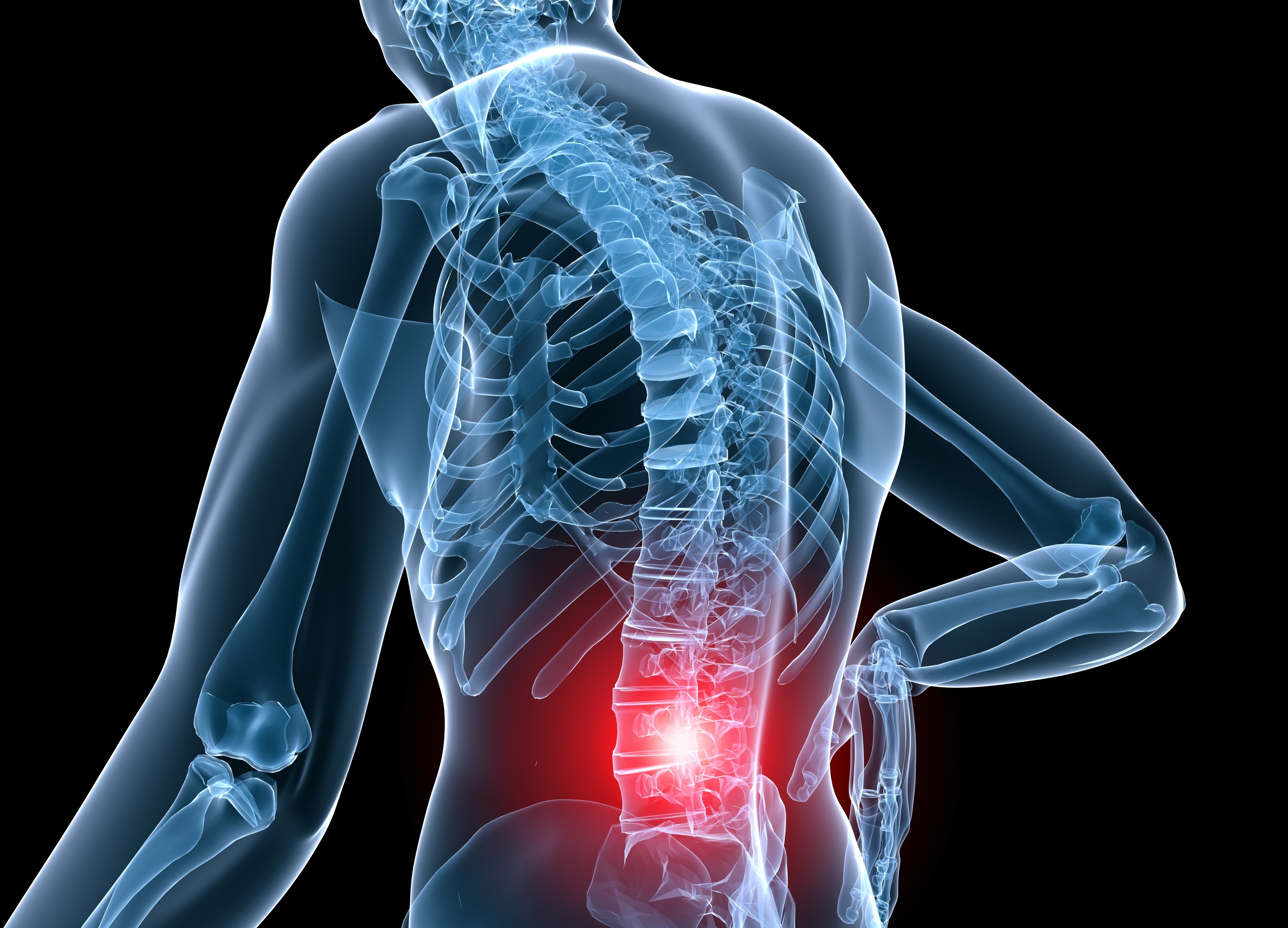
1. Strained muscle
A muscle strain can result from a single injury or from repetitive motions. If a back muscle is strained, you’ll often feel a sharp ache on the side where the injury happened.
Common signs of a strained muscle include:
- sudden pain when breathing or moving
- muscle spasms
- decreased range of motion
- difficulty bending forward
Muscle strains are usually not dangerous and often improve with rest. Still, getting an evaluation from a healthcare provider can confirm whether the problem is a simple strain or something more serious.
2. Pulmonary embolism
A pulmonary embolism is a blood clot lodged in an artery of the lung. This is a potentially fatal condition that needs immediate medical care.
The hallmark symptom is shortness of breath. You may also experience intense pain in your chest, shoulder, back, or neck on the side affected.
Other possible symptoms include:
- irregular heartbeat
- dizziness or lightheadedness
- rapid breathing
- restlessness
- coughing up blood
- chest pain
- weak or rapid pulse
3. Scoliosis
Scoliosis refers to an abnormal lateral curvature of the spine. It most often appears during the rapid growth of adolescence. The exact cause isn’t always clear, though developmental factors, heredity, and neurological issues can play a role.
People with scoliosis may have trouble breathing or feel back pain because the rib cage and spine place pressure on the heart and lungs.
Signs of scoliosis include:
- back pain
- breath-related discomfort
- one hip appearing higher than the other
Symptoms can develop slowly and may not be obvious at first. If you suspect scoliosis, it’s wise to consult your physician for an accurate diagnosis.
4. Obesity
Excess weight around the abdomen, neck, and back can cause breathing difficulties and discomfort while inhaling. People who are obese may develop obesity hypoventilation syndrome.
Symptoms of obesity hypoventilation syndrome include:
- breathing problems at night
- persistent daytime sleepiness or sluggishness
- feeling short of breath
- headaches
5. Bruised or broken rib
The signs of a bruised rib and a fractured rib are similar. Imaging tests such as an X-ray, CT scan, or MRI are often used to tell them apart.
Both injuries can cause pain at the site when you inhale, sneeze, laugh, or make sudden abdominal movements.
Additional signs of a bruised or broken rib include:
- bruising or discoloration around the area
- muscle twitching or spasms
- tenderness at the site
6. Pleurisy
Pleurisy is inflammation of the lining surrounding the lungs. This lining, called the pleura, consists of two thin membranes that protect and enclose each lung. The severity of pleurisy ranges from mild to life-threatening.
When the pleura become inflamed, breathing can become painful. You may feel a sharp, stabbing sensation on one or both sides of your chest or a constant aching that worsens with inhalation. The pain can radiate into the shoulders and back.
Other signs may include:
- shortness of breath or shallow breathing
- cough
- fast heartbeat
- fever
- headache
- unexplained weight loss
Treatment varies depending on the cause:
- Antibiotics for bacterial infections.
- Medications to ease coughing or dissolve clots or excess mucus.
- For milder cases, over-the-counter pain relievers and anti-inflammatories may help.
7. Herniated disk
Rubbery cushions called disks sit between each vertebra and absorb shock. Each disk has a soft, jelly-like center and a tougher outer ring. A herniated (slipped) disk occurs when the inner gel pushes through a tear in the outer layer.
If the displaced material presses on a nearby nerve or the spinal cord, it can produce pain, numbness, or weakness in an arm or leg. The lower back is the most frequent location for a herniated disk.
A herniated disk may cause back pain that worsens with breathing. Other typical symptoms include:
- pain and numbness on one side of the body
- tingling or burning sensations near the injury
- muscle weakness
- pain radiating into the arms or legs
- pain that intensifies after sitting or standing
If you suspect a herniated disk, seek medical evaluation promptly to reduce the risk of lasting nerve damage.
8. Pneumonia
Pneumonia is an infection that inflames the air sacs in the lungs, which can fill with fluid and make breathing difficult. It may affect one lung or both.
Symptoms vary from mild to severe and may include:
- coughing that produces phlegm
- shortness of breath even at rest
- chest, abdominal, or back pain that worsens with breathing or coughing
- fever
- sweating or chills
- fatigue
- wheezing
- nausea or vomiting
Pneumonia can be caused by bacteria, viruses, or fungi.
Bacterial pneumonia is commonly treated with antibiotics; antifungals treat fungal causes. Viral pneumonia often resolves with rest and home care, though severe cases may require hospitalization.
9. Lung cancer
Lung cancer often produces few or no symptoms in early stages.
A tumor pressing on nerves near the spine can cause one-sided back pain. If the cancer spreads to other areas, it may produce bone pain in the back or hips.
Other possible signs of lung cancer include:
- a persistent cough
- coughing up blood
- chest pain that worsens with breathing, coughing, or laughing
- recurrent respiratory infections
- painful swallowing
- shortness of breath
- hoarseness
- unexplained weight loss
- loss of appetite
If you experience these symptoms, follow up with your doctor for proper evaluation.
10. Heart attack
A heart attack happens when blood flow to part of the heart is blocked, causing heart muscle damage.
Heart attacks can produce chest pressure or pain that radiates to the back. Symptoms vary between individuals and may present atypically.
Common signs include:
- chest discomfort
- pain in the left arm
- difficulty breathing
- extreme tiredness
- nausea
- excessive sweating
- indigestion-like sensations
A heart attack is a medical emergency. If you suspect one, call emergency services immediately.
11. Fractured vertebra
A broken vertebra usually results from trauma. Pain from a fractured vertebra often worsens with movement.
Symptoms vary by the injured spinal segment. A damaged bone may press on the spinal cord and cause:
- numbness and tingling
- weakness
- bladder or bowel dysfunction
Osteoporosis increases the risk of vertebral fractures. If you think a vertebra might be broken, seek medical care promptly.
When to seek care
Some causes of back pain during breathing are potentially serious. Seek immediate medical attention if you have any of the following:
- shortness of breath or trouble breathing
- loss of bladder or bowel control
- fever
- coughing up blood
- intense pain
- numbness or tingling
The bottom line
Back pain that occurs with breathing can result from many different conditions. While some causes are minor, others require urgent medical care, so it’s important not to dismiss this symptom.
Talk to your doctor if you have severe or worsening back pain when breathing. If you suspect a heart attack, pulmonary embolism, or severe pneumonia, get emergency care right away.





















Leave a Reply
You must be logged in to post a comment.