

Rye bread has been associated with a number of possible health advantages, including improved blood sugar regulation and better cardiovascular and digestive health.
Rye bread usually appears darker and has a more pronounced, earthy flavor than typical white or wheat breads, which is one reason many people prefer it.
This piece examines the nutrient profile and potential health advantages of rye bread.
Varieties
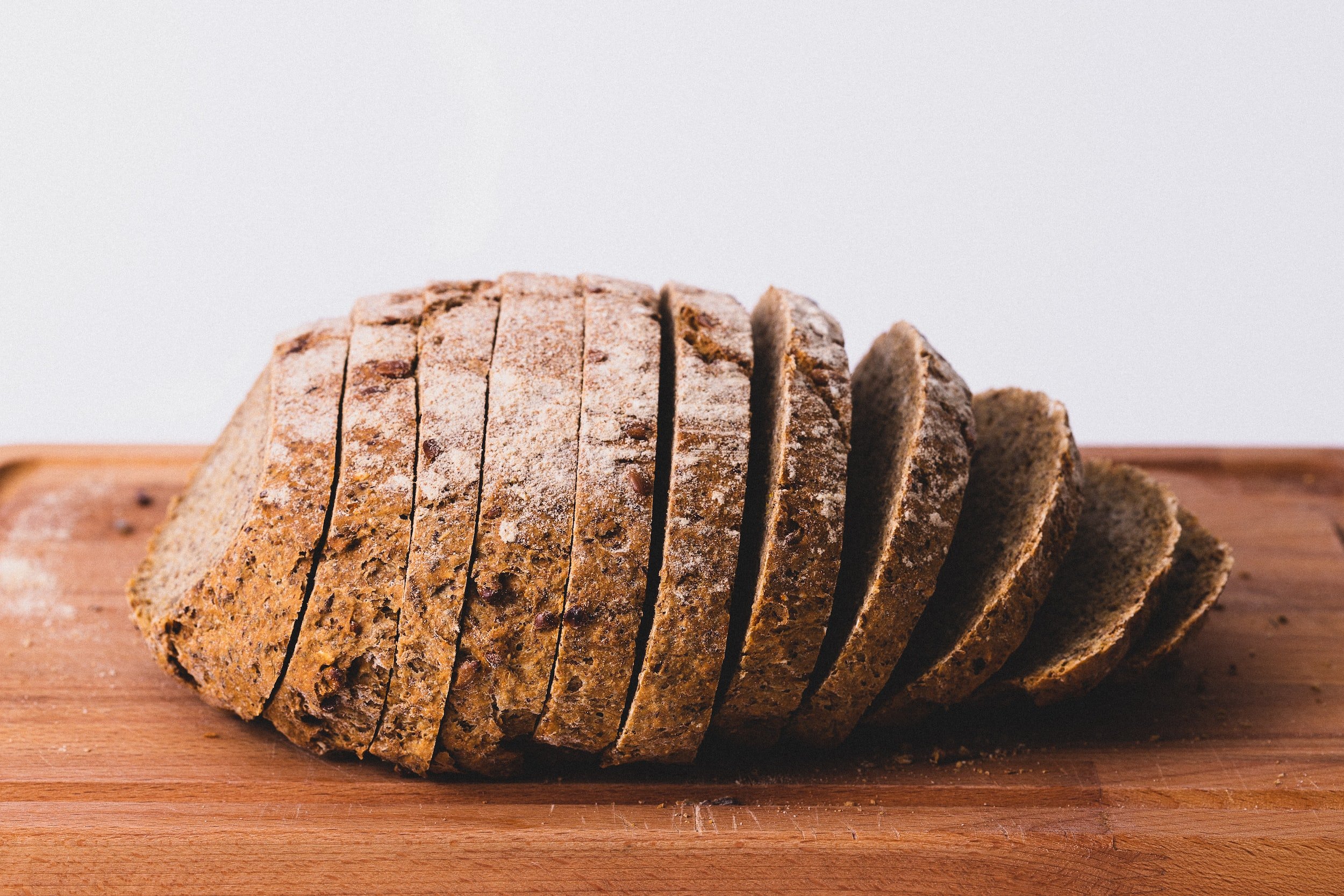
Rye bread is generally produced using a blend of rye flour and rye kernels (Secale cereale).
It exists in several forms depending on the mix used, including:
- Light rye bread. This style is made from white rye flour only, which is milled from the endosperm — the starchy center of the rye grain.
- Dark rye bread. This type uses flour milled from whole rye grains. Occasionally, dark rye flour is made by tinting white rye flour with cocoa powder, instant coffee, or molasses.
- Marbled rye bread. This form is created by rolling together light and dark rye doughs. Sometimes the darker dough is simply light rye dough tinted with cocoa, coffee, or molasses.
- Pumpernickel bread. This loaf is made from coarsely ground whole rye kernels.
In the United States, commercially produced light and dark rye breads are often combined with wheat flour.
Compared to ordinary white and whole wheat loaves, rye bread is typically denser, darker, and has a more intense, slightly sour-earthy flavor.
Rye flour contains less gluten than wheat flour, which explains why rye loaves are heavier and don’t rise as much as wheat-based breads.
Because rye still contains gluten, it is not suitable for people with celiac disease or gluten intolerance.
Nutrition facts
Rye bread is a good source of fiber and offers a notable nutrient composition.
The precise makeup varies with the proportion of rye flour used, with darker ryes containing higher amounts of rye flour than lighter versions.
On average, 1 slice (32 grams) of rye bread supplies the following nutrients (1):
- Calories: 83
- Protein: 2.7 grams
- Carbs: 15.5 grams
- Fat: 1.1 grams
- Fiber: 1.9 grams
- Selenium: 18% of the Daily Value (DV)
- Thiamine: 11.6% of the DV
- Manganese: 11.5% of the DV
- Riboflavin: 8.2% of the DV
- Niacin: 7.6% of the DV
- Copper: 6.6% of the DV
- Iron: 5% of the DV
- Folate: 8.8% of the DV
Rye bread also supplies smaller amounts of zinc, pantothenic acid, phosphorus, magnesium, calcium, and other micronutrients.
Compared with common breads like white and wheat, rye bread generally has more fiber and delivers higher amounts of certain micronutrients, notably B vitamins (1, 2, 3).
That said, whole wheat bread (as opposed to refined white wheat) contains about 1.93 grams of fiber per slice, which is fairly similar to rye bread’s fiber content (1, 4).
Additionally, research has indicated that pure rye bread tends to be more satiating and has a smaller impact on blood glucose levels than white and wheat breads (5).
Potential health benefits
Including rye bread in your diet may support your health in a number of ways.
May improve heart health
Consuming rye bread might enhance various markers of cardiovascular health, as studies have found links between its intake and reduced heart disease risk factors.
For instance, an 8-week trial involving 40 participants compared the effects of replacing 20% of daily calories with either rye or white wheat bread on blood cholesterol.
Researchers in a 2000 study reported that rye bread lowered cholesterol levels in men more effectively than white wheat bread, decreasing total and LDL (bad) cholesterol by as much as 14% and 12%, respectively (6).
This benefit is likely due to rye’s higher soluble fiber content — a type of indigestible fiber that forms a gel in the gut and can help remove cholesterol-rich bile from circulation. Regular soluble fiber intake has been associated with a 5–10% drop in both total and LDL cholesterol within roughly 4 weeks (7).
May aid blood sugar control
Controlling blood sugar is important for everyone, particularly people with type 2 diabetes or impaired insulin production.
Rye bread has several attributes that may help regulate blood sugar (8).
First, it’s rich in soluble fiber, which slows carbohydrate digestion and absorption, causing a slower rise in blood glucose (9).
Rye also contains phenolic compounds like ferulic and caffeic acids that may delay the release of glucose and insulin into the bloodstream, further helping glycemic control (10).
For example, a study with 21 healthy adults showed that eating a rye-based evening meal supplemented with resistant starch slowed sugar and insulin release and increased satiety hormones, helping people feel fuller for longer (11).
However, plain rye alone did not significantly change blood glucose in that study, though it did boost feelings of fullness (11).
Support digestive health
Rye bread may benefit digestive health in various ways.
Primarily, it is a good source of fiber, which helps maintain regular bowel movements. Soluble fiber absorbs water, which helps stools remain bulky and soft and easier to pass (12).
Indeed, one trial with 51 adults who had constipation found rye bread to be more effective than white wheat bread and even laxatives for treating constipation, without harmful side effects (13).
Other research has shown that rye fiber can increase circulating levels of short-chain fatty acids like butyrate.
These short-chain fatty acids are associated with benefits such as weight loss, improved blood glucose control, and potential protection against colorectal cancer (14, 15, 16).
Help you stay fuller for longer
Many earlier studies have shown that rye bread is highly satiating (10, 17, 18).
This effect likely stems from its soluble fiber content, which helps prolong feelings of fullness (19, 20, 21).
For example, a study of 41 people found those who consumed whole grain rye bread felt more satisfied and ate fewer calories later in the day than those who ate refined wheat bread (17).
Other potential benefits
Beyond the benefits outlined above, rye bread may offer additional advantages.
Though evidence is more limited, these potential effects include:
- May reduce inflammation. One human study connected rye intake with lower inflammatory markers such as interleukin 1 beta (IL-1β) and interleukin 6 (IL-6) (22).
- May protect against certain cancers. In human and laboratory studies, rye consumption has been associated with a reduced risk of some cancers, including prostate, colorectal, and breast cancers (23, 24, 25, 26).
Possible downsides of rye bread
Although rye bread is generally healthful, it has some potential drawbacks, including:
- Contains antinutrients. Rye, particularly lighter varieties, contains phytic acid, an antinutrient that can reduce absorption of minerals like iron and zinc from the same meal. However, antinutrients are typically not problematic for people who eat a balanced diet (27).
- May cause bloating. Rye is rich in fiber and contains gluten, which can produce bloating in people sensitive to these components.
- Unsuitable for a gluten-free diet. Because rye contains gluten, it isn’t appropriate for those following a gluten-free regimen, such as people with celiac disease.
- May be high in added sugar. In some regions, rye breads include considerable added sugar to improve taste. Added sugars are unhealthy and can contribute extra unwanted calories.
How to make rye bread
Fresh rye bread is simple to bake at home with just a few ingredients.
These ingredients and proportions are used to make a lighter rye loaf:
- 1.5 teaspoons instant dry yeast
- 1.5 cups (375 ml) warm water
- 1 teaspoon salt
- 1.5 cups (200 grams) rye flour
- 1.5 cups (200 grams) wholemeal flour
- 1 teaspoon caraway seeds (optional)
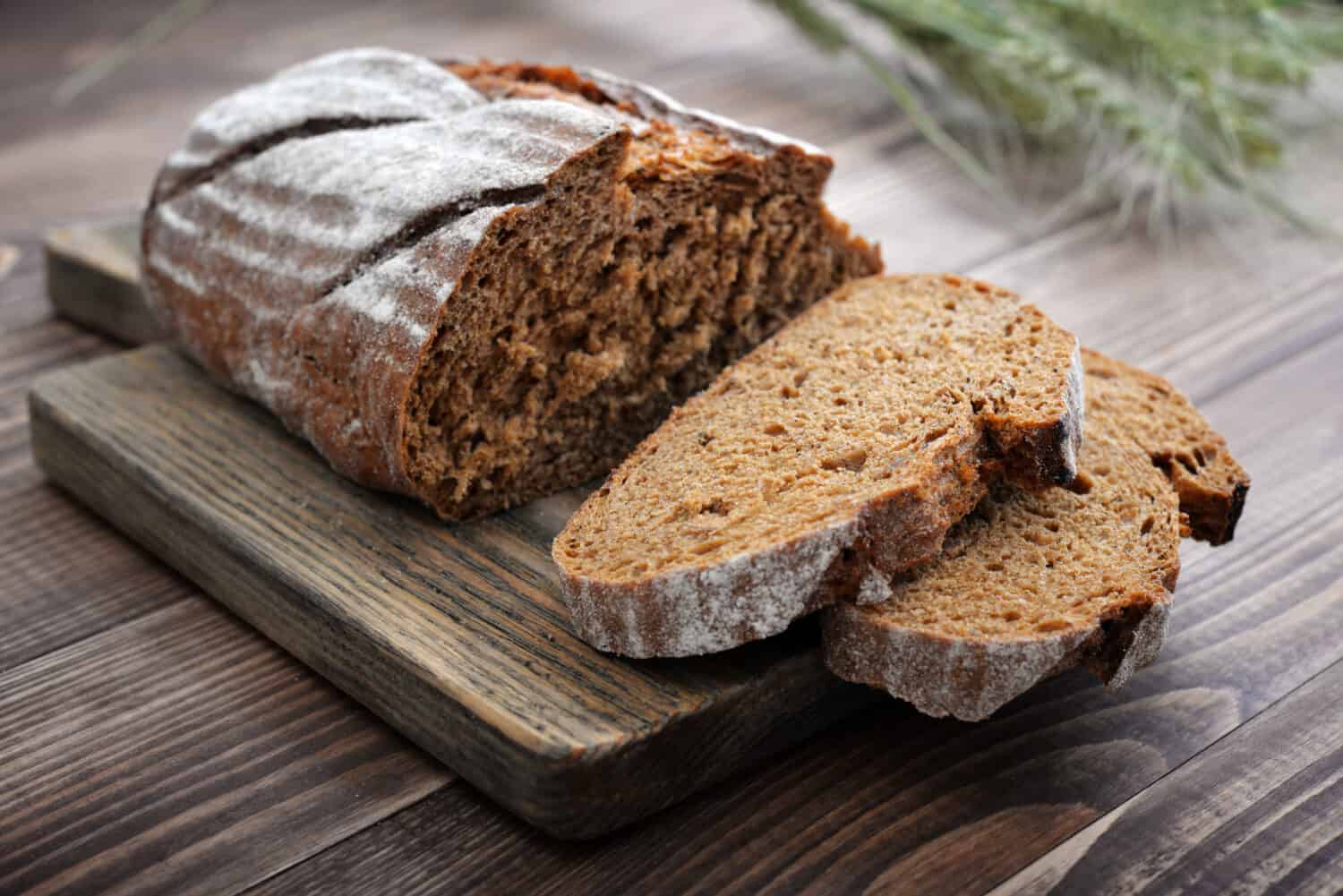
Here’s a quick summary of the process:
- Mix the yeast, salt, rye flour, wholemeal flour, and water in a bowl. Rye flour is relatively dry, so add more water if the dough seems too stiff. Knead until smooth. Note that rye dough is less elastic than wheat dough.
- Place the dough in a lightly oiled bowl, cover with plastic wrap, and allow it to rise until doubled in size, about 1–2 hours.
- Turn the dough out and shape it into a smooth oval loaf. If using caraway seeds, incorporate them at this stage.
- Put the loaf into a lightly greased loaf pan, cover with plastic wrap, and let it rise again until doubled, another 1–2 hours.
- Preheat the oven to 425°F (220°C). Uncover the loaf, make a few horizontal slashes with a knife, and bake for about 30 minutes or until dark. Remove and cool on a wire rack for at least 20 minutes before slicing.
The bottom line
Rye bread is a solid alternative to conventional white and wheat breads.
While it can cause bloating in sensitive individuals and some types may contain added sugars, it also has several potential benefits.
It typically provides more fiber and micronutrients — especially B vitamins — and has been associated with advantages such as weight management, better blood sugar control, and improved heart and gut health.
Additionally, it’s easy to swap in place of white or wheat breads in your diet and can be readily baked at home.























Leave a Reply
You must be logged in to post a comment.