The MIND Diet: A Detailed Guide for Beginners


Key takeaways
- The MIND diet blends principles from the Mediterranean and DASH diets to support cognitive health and lower the risk of dementia.
- This eating pattern emphasizes green leafy vegetables, berries, nuts, olive oil, and fish, while advising you to limit butter, cheese, red meat, fried foods, and sweets.
- Evidence suggests that adhering to the MIND diet may help reduce oxidative stress and inflammation, potentially slowing age-related cognitive decline, although additional studies are required.
“MIND” stands for “Mediterranean-DASH Intervention for Neurodegenerative Delay.” It is a hybrid dietary approach developed to decrease the likelihood of dementia and age-related loss of brain function.
This beginner-friendly guide explains everything you need to know about the MIND diet, including how it works, how to follow it, and practical tips for building balanced MIND diet recipes that align with long-term brain health goals.

What is the MIND diet?
The MIND diet was specifically designed to help reduce dementia risk and slow the cognitive decline that often accompanies aging. It merges key elements from two widely respected eating patterns: the Mediterranean diet and the Dietary Approaches to Stop Hypertension (DASH) diet.
Many health professionals consider these diets among the most beneficial for overall wellness. Research indicates they can lower blood pressure and reduce the risk of heart disease, diabetes, and other chronic conditions.
Researchers aimed to tailor a dietary pattern that would more directly target cognitive performance and dementia prevention. To achieve this, they selected foods from both diets that showed particular promise for supporting brain function.
For instance, both the Mediterranean and DASH diets encourage a high intake of fruit. Fruit consumption has been associated with improved brain function , yet berries stand out due to especially strong supporting evidence.
As a result, the MIND diet highlights berries while placing less emphasis on fruit overall.
There are currently no rigid rules for following the MIND diet. Instead, the focus is on increasing intake of the 9 recommended food groups and cutting back on the 5 foods advised in moderation.
In the following sections, you’ll find detailed guidance on which foods to prioritize and which to limit, along with practical suggestions for creating balanced MIND diet recipes for cognitive support.
9 foods to eat on the MIND diet
Below is a list of nine foods encouraged on the MIND diet:

- Green, leafy vegetables: Aim for six or more servings per week. Options include kale, spinach, cooked greens, and salads. These vegetables are rich in nutrients linked to healthy aging and cognitive resilience.
- All other vegetables: In addition to leafy greens, try to include at least one other vegetable daily. Non-starchy vegetables are ideal because they deliver abundant vitamins, minerals, and fiber with relatively few calories.
- Berries: Consume berries at least twice weekly. Strawberries, blueberries, raspberries, and blackberries provide powerful antioxidant compounds that may support memory and overall brain performance.
- Nuts: Target five or more servings per week. While no specific type is mandated, rotating varieties can help ensure a broader range of beneficial nutrients and healthy fats.
- Olive oil: Make olive oil your primary cooking fat. It is a cornerstone of many heart- and brain-supportive MIND diet recipes.
- Whole grains: Strive for at least three servings per day. Choose oatmeal, quinoa, brown rice, whole wheat pasta, and 100% whole wheat bread to maintain steady energy and vascular health.
- Fish: Eat fish at least once per week. Fatty fish such as salmon, sardines, trout, tuna, and mackerel are particularly valuable due to their omega-3 fatty acids.
- Beans: Include beans in at least four meals weekly. This group encompasses lentils, soybeans, and other legumes, which contribute fiber and plant-based protein.
- Poultry: Aim to eat chicken or turkey at least twice per week. Fried chicken is not recommended within the MIND framework.
If you’re unable to consistently meet the suggested serving amounts, don’t abandon the diet entirely. Research shows that even moderate adherence to the MIND diet is linked with a lower risk of Alzheimer’s disease and cognitive impairment.
Although the plan highlights these 9 food categories, you’re not limited to them exclusively. However, the closer your eating habits align with MIND diet principles, the more likely you are to experience potential cognitive benefits.
5 foods to avoid on the MIND diet
The MIND diet advises limiting the following five foods:
- Butter and margarine: Keep intake below 1 tablespoon (about 14 grams) per day. Replace these fats with olive oil whenever possible.
- Cheese: Limit cheese to less than one serving per week.
- Red meat: Restrict to no more than three servings weekly. This includes beef, pork, lamb, and foods made from these meats.
- Fried food: Strongly limit fried foods, particularly those from fast-food establishments, to less than once per week.
- Pastries and sweets: This group includes ice cream, cookies, brownies, snack cakes, doughnuts, candy, and similar processed desserts. Try to consume them no more than four times per week.
These foods are limited largely because they are sources of saturated fats.
Studies have linked trans fats to several health conditions, including heart disease and even Alzheimer’s disease . The impact of saturated fat, however, remains a topic of debate in nutrition science.
It is important to note that partially hydrogenated oils — the primary dietary source of trans fats — have been banned by the Food and Drug Administration since 2020 . Small amounts still occur naturally in certain fried foods, dairy products, and red meat, but margarine and many packaged pastries are no longer major contributors.
If you’re unsure which foods to restrict, you may find it helpful to review What Are 5 foods to avoid on the MIND diet for a deeper explanation of how these items can influence long-term brain health.
Research on the MIND diet and brain health
The first official paper introducing the MIND diet was released in 2015. Since that time, multiple investigations have explored its potential cognitive benefits.
A 2023 study reported that middle-aged adults who closely followed the MIND diet demonstrated faster information processing speeds compared with those who did not adhere as strictly.
Additionally, a 2022 randomized clinical trial found that participants assigned to a calorie-restricted MIND diet for three months achieved higher scores in working memory, verbal recognition memory, and attention relative to a calorie-restricted control group.
Despite these encouraging findings, further long-term research is necessary to fully determine how effective the MIND diet may be in preventing or slowing dementia.
The MIND diet may decrease oxidative stress and inflammation
Current evidence has not yet clarified the precise biological mechanisms behind the MIND diet’s effects. However, scientists propose that it may function by reducing oxidative stress and inflammation.
Oxidative stress develops when unstable molecules known as free radicals build up in high concentrations within the body, potentially damaging cells. The brain is particularly susceptible to this type of cellular injury.
Inflammation is a natural immune response to injury or infection. When poorly regulated or chronic, however, inflammation can contribute to the development of various chronic diseases.
Combined, oxidative stress and inflammation may significantly impair brain health. In recent years, both have been targeted in strategies to prevent and treat Alzheimer’s disease.
Adherence to the Mediterranean and DASH diets has been associated with lower levels of oxidative stress and inflammation.
Because the MIND diet incorporates elements from both, many of the foods featured in MIND diet recipes likely provide antioxidant and anti-inflammatory properties that may support cognitive longevity.
A sample meal plan for 1 week
Planning meals within the MIND diet framework can be simple and flexible.
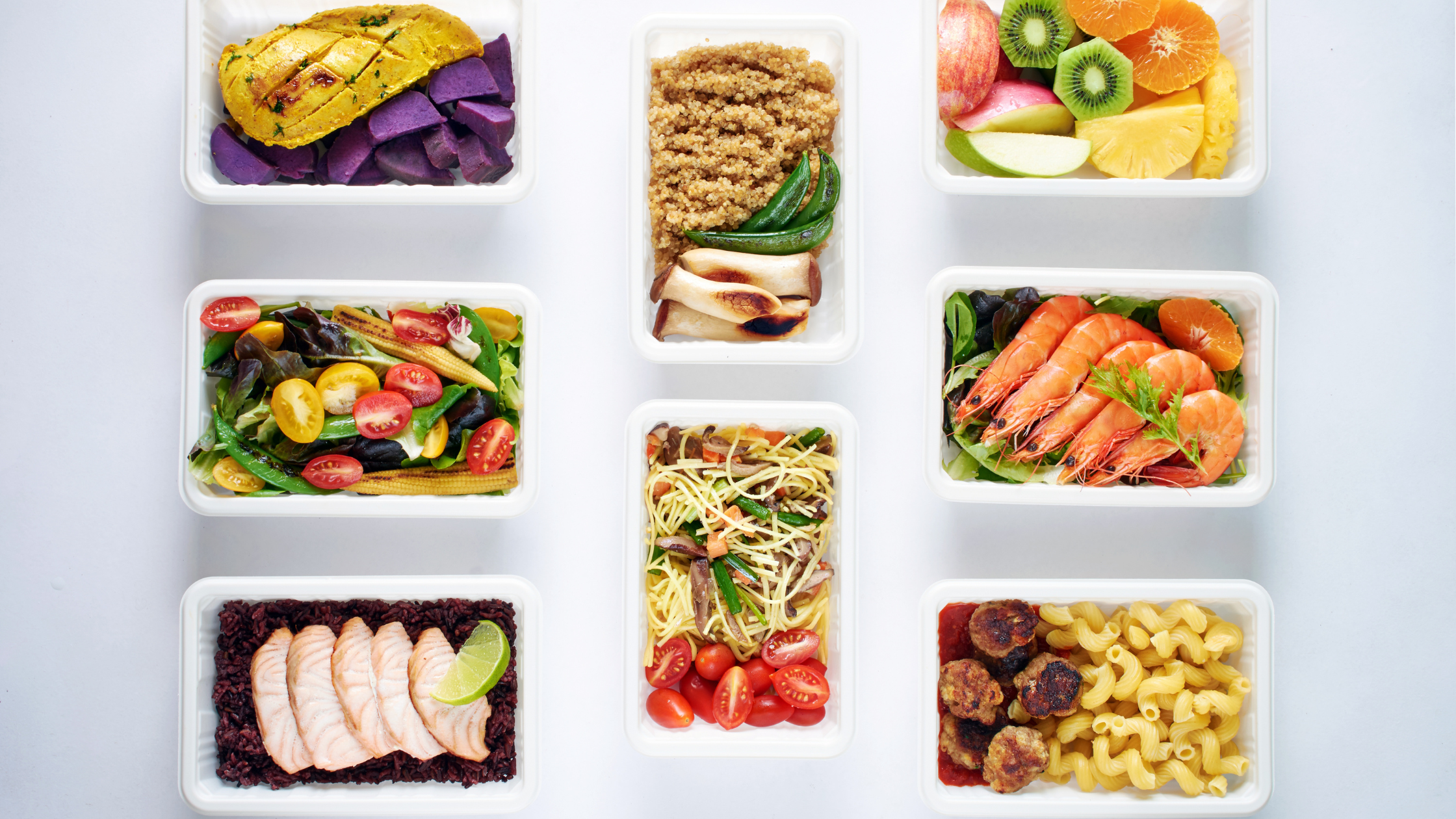
Center your meals around the 9 recommended food groups and minimize the 5 foods that should be limited. Preparing balanced MIND diet recipes in advance can make weekly adherence easier and more sustainable.
Here’s a 7-day meal plan to help you get started:
Monday
- Breakfast: Greek yogurt with raspberries and sliced almonds
- Lunch: Mediterranean salad with olive oil-based dressing, grilled chicken, whole wheat pita
- Dinner: Burrito bowl with brown rice, black beans, fajita vegetables, grilled chicken, salsa, and guacamole
Tuesday
- Breakfast: Whole wheat toast with almond butter, scrambled eggs
- Lunch: Grilled chicken sandwich, blackberries, carrots
- Dinner: Grilled salmon, side salad with olive oil-based dressing, brown rice
Wednesday
- Breakfast: Steel-cut oatmeal with strawberries, hard-boiled eggs
- Lunch: Mexican-style salad with mixed greens, black beans, red onion, corn, grilled chicken, and olive oil-based dressing
- Dinner: Chicken and vegetable stir-fry, brown rice
Thursday
- Breakfast: Greek yogurt with peanut butter and banana
- Lunch: Baked trout, collard greens, black-eyed peas
- Dinner: Whole wheat spaghetti with turkey meatballs and marinara sauce, side salad with olive oil-based dressing
Friday
- Breakfast: Whole wheat toast with avocado, omelet with peppers and onions
- Lunch: Chili made with ground turkey
- Dinner: Greek-seasoned baked chicken, oven-roasted potatoes, side salad, whole wheat dinner roll
Saturday
- Breakfast: Overnight oats with strawberries and almond butter
- Lunch: Fish tacos on whole wheat tortillas, brown rice, coleslaw, and pinto beans
- Dinner: Chicken gyro on whole wheat pita, cucumber and tomato salad
Sunday
- Breakfast: Spinach frittata, sliced apple with peanut butter
- Lunch: Tuna salad sandwich on whole wheat bread, carrots and celery with hummus
- Dinner: Curry chicken, brown rice, lentils, and a side salad
Many store-bought salad dressings are not primarily made with olive oil, but preparing your own at home is quick and straightforward.
To create a simple balsamic vinaigrette, mix 3 parts extra-virgin olive oil with 1 part balsamic vinegar. Add a small amount of Dijon mustard, salt, and pepper, then whisk until well blended.
The bottom line
The MIND diet was developed to help prevent dementia and slow age-related cognitive decline.
It emphasizes vegetables, berries, nuts, whole grains, olive oil, fish, beans, and poultry — foods commonly featured in nourishing MIND diet recipes designed to promote brain and cardiovascular health.
These nutrient-dense foods may contribute to improved cognitive function by lowering oxidative stress and inflammation.
Early findings indicate that strong adherence to the MIND diet is associated with a reduced risk of Alzheimer’s disease and a slower rate of cognitive decline over time. Nonetheless, more comprehensive research is needed to better understand its long-term impact.
Frequently Asked Questions
The MIND diet is a hybrid eating pattern combining elements of the Mediterranean and DASH diets, specifically designed to support brain health and reduce the risk of dementia and cognitive decline.
Key foods include green leafy vegetables, other vegetables, berries, nuts, olive oil, whole grains, fish, beans, and poultry, with specific weekly serving targets for each group.
Limit butter/margarine, cheese, red meat, fried foods, and pastries/sweets to support brain health and reduce intake of saturated fats.
Research suggests strong adherence to the MIND diet is associated with a reduced risk of Alzheimer’s disease and slower cognitive decline, though further long-term studies are ongoing.
Yes, a 7-day sample meal plan includes meals like Greek yogurt with berries, grilled salmon with brown rice, and whole wheat spaghetti with turkey meatballs, focusing on the recommended food groups.




Related Posts
All About the Chinese Body Clock
Sep 1, 2026 • 27 min read
How Many Carbs Are in Various Types of Sausage?
Aug 5, 2026 • 16 min read
What Is Annatto? Uses, Benefits, and Side Effects
Aug 8, 2026 • 11 min read
10 Tasty Wild Berries to Try (and 8 Poisonous Ones to Avoid)
Aug 16, 2026 • 19 min read
The 20 Best Low Carb Vegetables (Plus 1 Great Low Carb Fruit)
Aug 30, 2026 • 20 min read