
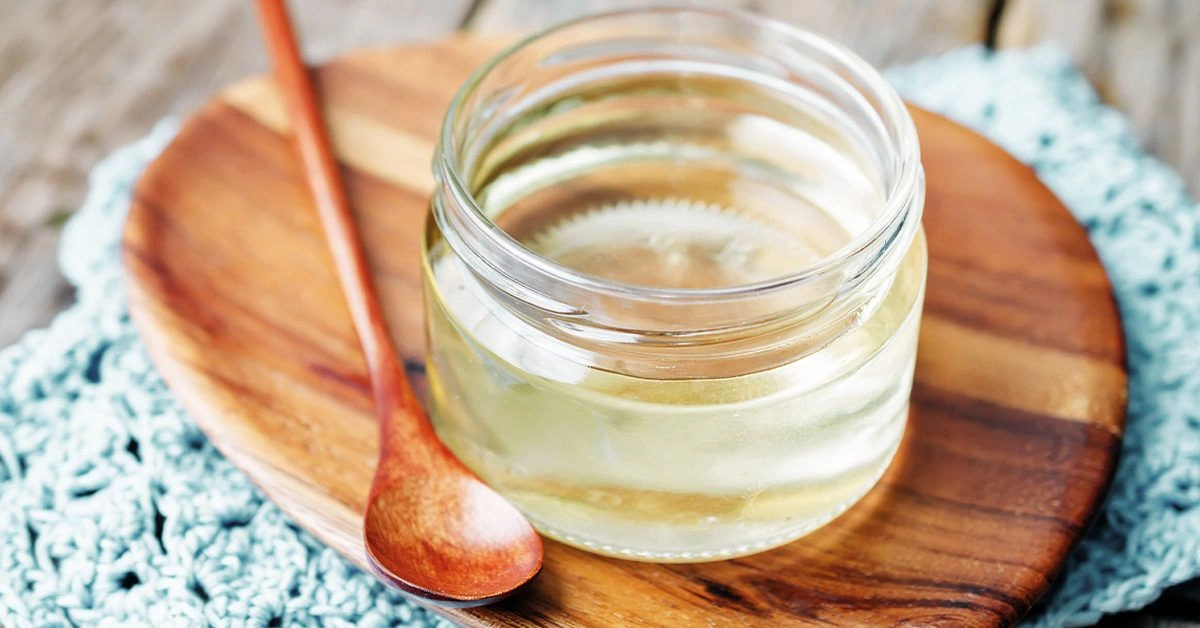
Invert sugar is commonly employed to sweeten and enhance the quality of many commercial and homemade confections.
You might be curious about what invert sugar actually is and how it differs from standard table sugar.
This piece covers everything you need to know about invert sugar, including its definition, how it’s produced, and its typical applications.

The basics
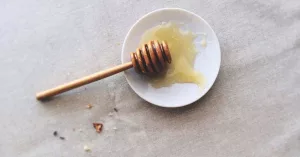
Invert sugar — sometimes called invert sugar syrup or invert syrup — is a liquid sweetening agent produced from granulated table sugar and water.
Table sugar is chemically known as sucrose. It forms when one sugar molecule called glucose bonds chemically to another sugar molecule called fructose (1).
Invert sugar is produced through hydrolysis, a procedure in which sucrose is combined with water and heated until the link between glucose and fructose breaks. Enzymes or acidic substances such as citric acid or cream of tartar can be added to speed up the reaction (2).
The end product is a viscous, sweet syrup made up of roughly equal parts glucose and fructose (2).
Because fructose is the sweetest naturally occurring sugar, the presence of free fructose in invert sugar gives it a noticeably sweeter taste than common table sugar (3).
Why is it called invert sugar?
The term invert sugar comes from its distinctive effect on light polarization.
The existence or absence of chemical bonds between sugar molecules can change the way light is rotated as it travels through them.
When polarized light moves through regular table sugar (sucrose), it rotates in one specific direction. When that same light passes through invert sugar, it rotates in the opposite — or inverted — direction. That’s how it got its name.
Summary: Invert sugar is a liquefied form of table sugar in which the chemical bond between glucose and fructose has been cleaved.
Culinary benefits
While invert sugar’s main role is to add sweetness, it also offers several practical advantages.
It helps baked goods hold onto moisture and improves mouthfeel by preventing crystallization, a problem that can occur when using granulated sugar.
If you’ve ever tried to dissolve granulated sugar in a cold drink like iced tea or cold coffee, you’ve probably noticed the crystals don’t dissolve easily.
Invert sugar provides more consistent sweetness and reduces the issue of sugar settling at the bottom of your drink, since it dissolves in water much more readily than granulated sugar.
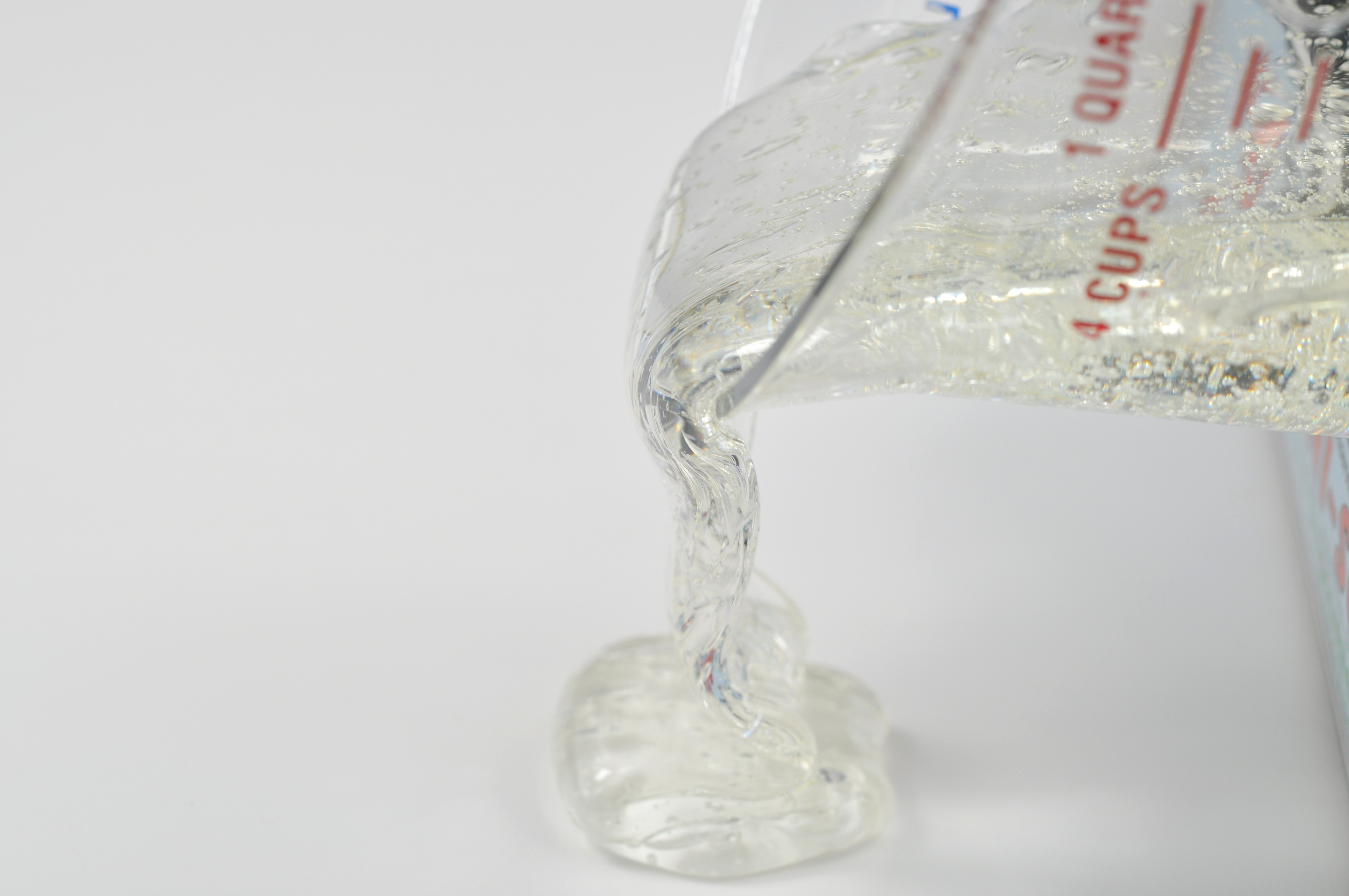
Invert sugar can be blended with other sweeteners to sweeten many common items, such as:
- ice cream
- sorbet
- gelato
- jellies
- fudge
- ganache
- taffy
- soft-baked cookies
- cakes
- frozen cocktails and other iced drinks
- flavored syrups
It’s also often used as a fermentable sugar in products like beer and kombucha.
Completely inverted sugar contains about 50% glucose and 50% fructose, but you can buy or make syrups with varying amounts of glucose, fructose, and sucrose depending on how long the mixture is heated.
Pre-made invert sugar from manufacturers is usually the most convenient and chemically consistent choice, though it may not be stocked in every grocery store.
If your neighborhood supermarket doesn’t carry it, you’ll likely find it online or at specialty restaurant and bakery supply stores.
How to make invert sugar at home
Although it may sound intimidating, producing invert sugar at home is straightforward. The method takes a bit more than an hour and requires only water, sugar, cream of tartar, and a candy thermometer.
Begin by combining 2 cups (480 mL) of water with 4.4 cups (1 kg) of granulated sugar and 1/4 teaspoon of cream of tartar in a saucepan. Heat the mixture to a boil over medium heat until it reaches 236°F (114°C), stirring intermittently.
Then remove the pan from heat, cover it, and allow it to cool. Once it’s cool enough to handle, pour it into a jar and keep it refrigerated for up to 6 months.
Summary: Invert sugar sweetens items like cakes, ice cream, and confections while helping them stay smooth and retain moisture.
Nutrition considerations
Invert sugar is an added sugar, and its nutritional profile is nearly identical to that of regular table sugar or corn syrup.
It contains roughly 46 calories and 13 grams of sugar per tablespoon (15 mL) (4).
It’s wise to limit consumption of foods containing invert sugar. Eating excessive amounts of any added sugar is linked to a higher risk of chronic diseases such as heart disease, type 2 diabetes, fatty liver, and obesity (5).
While added sugars can be part of a balanced diet in moderation, the American Heart Association recommends keeping intake to no more than 6 teaspoons (25 grams) per day for women and 9 teaspoons (37.5 grams) per day for men (6).
Treat invert sugar like any other added sweetener and try to avoid excessive consumption to lower the risk of negative health effects.
Summary: Invert sugar is an added sugar and excessive intake may contribute to adverse health outcomes.
The bottom line
Invert sugar is a liquid sweetener made by combining table sugar (sucrose) with water and breaking the bonds that join the component sugars.
The process yields a thick, sweet syrup that’s roughly 50% fructose and 50% glucose.
Invert sugar adds sweetness and helps improve moisture retention and texture in many treats such as ice cream, cakes, cookies, and candies.
From a nutritional standpoint, invert sugar is similar to other added sugars like table sugar or corn syrup and should be consumed sparingly to avoid potential health risks.
If you’d like to try invert sugar, you can buy it online or make it yourself at home.

















Leave a Reply
You must be logged in to post a comment.