

Humalog (insulin lispro) is a prescription medication used to treat diabetes in adults and some children. It’s supplied as a clear liquid for subcutaneous injection or as an intravenous (IV) infusion. It’s most commonly administered around mealtime.
Humalog helps control blood glucose in adults and certain pediatric patients with type 1 or type 2 diabetes.
The therapeutic component in Humalog is insulin lispro. (The active ingredient is the part of a drug that produces its therapeutic effect.) A related product is Humalog Mix, which contains insulin lispro combined with insulin lispro protamine.
Humalog is part of the insulin class of medications.
This article explains typical dosages for Humalog and Humalog Mix, their available formulations and concentrations, and practical guidance on use. For more detailed information about Humalog and Humalog Mix, see our comprehensive resource.
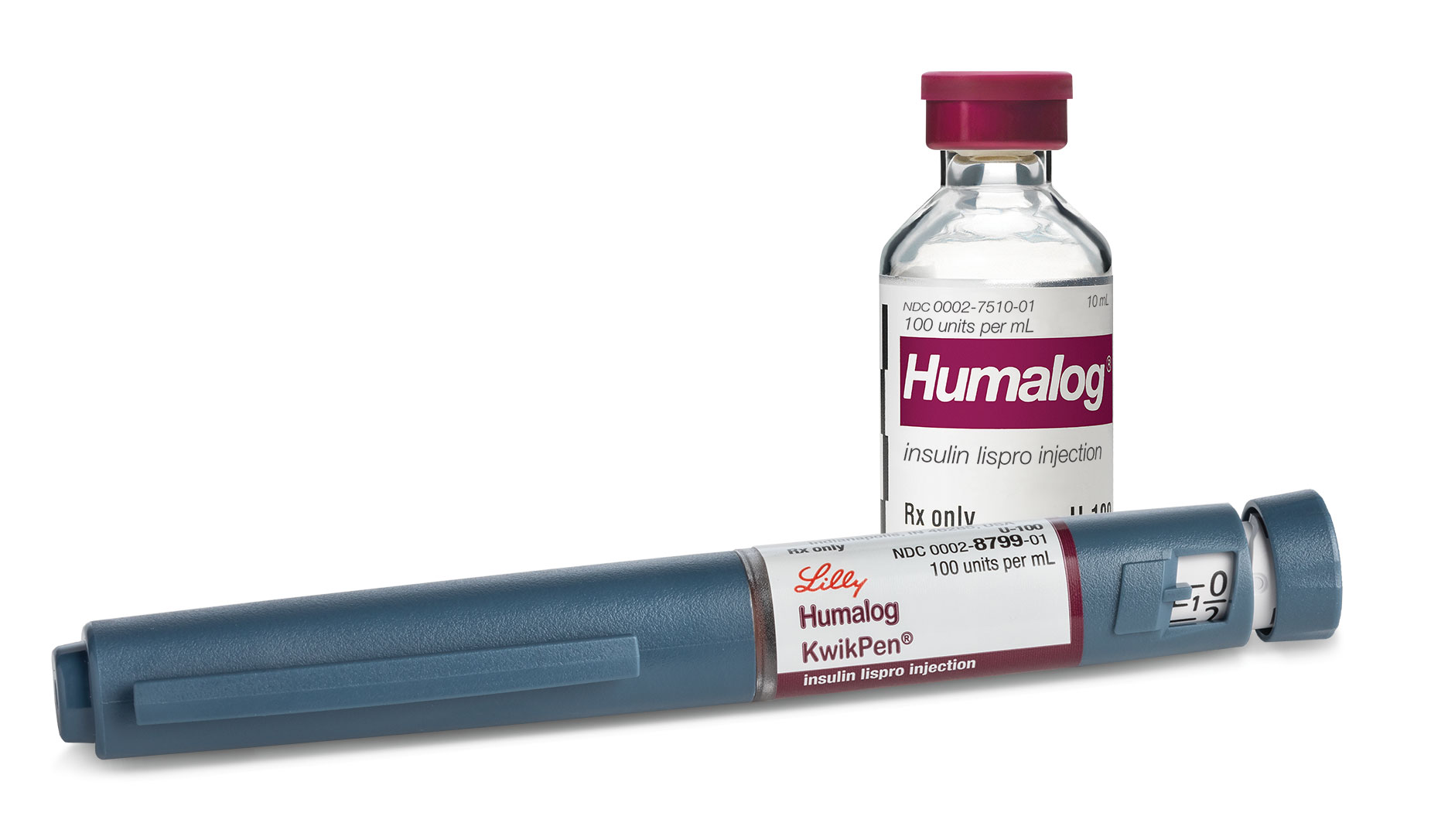
What is Humalog’s dosage?
Humalog preparations are prescribed to assist with blood sugar control in adults and children with type 1 or type 2 diabetes. These products are available as Humalog and Humalog Mix.
Insulin lispro, the main component of Humalog, is a rapid-acting insulin analogue. (An analogue is a man-made form of an insulin that resembles the natural hormone your body produces.)
Humalog Mix includes insulin lispro plus insulin lispro protamine, a longer-acting component. Humalog Mix is available in two ratio combinations:
- Humalog Mix 50/50
- Humalog Mix 75/25
Both Humalog and Humalog Mix are delivered as a liquid for subcutaneous injection (under the skin). Humalog may also be administered by a healthcare professional as an IV infusion. Humalog Mix is not indicated for IV infusion.
What are the forms of Humalog?
Humalog is supplied in several presentation types:
| Humalog form | Description | Size(s) | Units per milliliter (mL) |
|---|---|---|---|
| Humalog multidose vial | Vial with multiple doses for injections, IV infusions, or pump refills | • 3 mL• 10 mL | • U-100 (100 units/mL) |
| Humalog KwikPen | Disposable, prefilled injection pen | • 3 mL | • U-100• U-200 |
| Humalog Tempo Pen | Disposable, prefilled injection pen | • 3 mL | • U-100 |
| Humalog Junior KwikPen | Disposable, prefilled injection pen (pediatric) | • 3 mL | • U-100 |
| Humalog cartridges | Prefilled cartridges for compatible injection devices | • 3 mL | • U-100 |
Humalog Mix 50/50 and 75/25 are offered in these formats:
| Humalog form | Description | Size | Units per mL |
|---|---|---|---|
| Humalog Mix multidose vial | Vials containing multiple doses for injection | 10 mL | U-100 |
| Humalog Mix KwikPen | Disposable, prefilled injection pens | 3 mL | U-100 |
If you have questions about available Humalog presentations, consult your prescriber or pharmacist.
What strengths does Humalog come in?
Humalog is produced in two concentrations: U-100 (100 units per mL) and U-200 (200 units per mL). The U-200 formulation is intended solely for subcutaneous injection.
Humalog Mix 50/50 and 75/25 are only manufactured as U-100. The Mix 50/50 contains equal parts insulin lispro and insulin lispro protamine; the Mix 75/25 contains 75% insulin lispro protamine and 25% insulin lispro.
What are the typical dosages of Humalog?
Your clinician will usually initiate therapy at a low dose and titrate gradually to the dose that achieves optimal glucose control. The goal is to prescribe the lowest effective dose. There is no defined maximum dose for Humalog.
The guidance below outlines commonly used dosing approaches. However, always follow the specific dose and schedule your prescriber gives you.
Dosage for type 1 diabetes
Manufacturers do not provide a single dosing regimen for Humalog; dosing is individualized based on factors such as body weight, glycemic control, and comorbidities.
In type 1 diabetes, total daily insulin is commonly calculated and then split: approximately half as a long-acting insulin and half as a rapid-acting insulin.
Your clinician will instruct you on calculating a total daily insulin requirement to determine appropriate Humalog or Humalog Mix dosing.
Per recommendations from the American Diabetes Association, dosing for type 1 diabetes often ranges from about 0.4 to 1 unit of insulin per kilogram (kg) of body weight. (One kg equals roughly 2.2 pounds.)
When you inject depends on the product you use:
- Humalog: Typically administered about 15 minutes before or immediately after eating. Exact dose and timing are individualized by your clinician.
- Humalog Mix: For Mix 50/50 or 75/25, the usual approach is to administer about 15 minutes before meals, generally twice daily to cover two main meals. Dose is determined by your clinician.
If prescribed for use with an insulin pump, your clinician will set the pump dosing parameters.
Discuss any dosing questions with your healthcare provider.
Dosage for type 2 diabetes
As with type 1 diabetes, manufacturers don’t set a standard dose for Humalog in type 2 diabetes; individual factors and concurrent therapies influence dosing.
People with type 2 diabetes commonly receive a scheduled long-acting insulin and may add rapid-acting insulin at mealtimes to control postprandial glucose.
The American Diabetes Association suggests an initial dose for rapid-acting insulins like Humalog of about 4 units, or approximately 10% of the long-acting insulin dose, typically taken with the largest meal.
Timing depends on the product:
- Humalog: Generally used about 15 minutes before or immediately after meals; dosing individualized by your clinician.
- Humalog Mix: Usually given about 15 minutes before meals and often administered twice daily to cover two meals.
Contact your clinician if you have questions about your Humalog or Humalog Mix regimen.
Is Humalog used long term?
Yes. Humalog and Humalog Mix are often prescribed as ongoing, long-term therapy when they are deemed safe and effective for the individual patient.
What’s the dosage of Humalog for children?
Humalog is approved for pediatric use; Humalog Mix is not approved for children.
Humalog has not been evaluated in children under 3 years of age and has limited study in children with type 2 diabetes.
There is no manufacturer-established pediatric dosing table; dosing in children must be personalized. If Humalog is recommended for your child, the child’s clinician will determine the most appropriate dose.
Talk to your child’s doctor if you have concerns about pediatric use.
What factors can affect my dosage?
The dose of Humalog or Humalog Mix prescribed to you may be influenced by several variables, including:
- the type and severity of your diabetes
- which formulation you use
- your body weight
- your target blood glucose goals
- the timing and intensity of your physical activity
- other medical conditions
- other medications you are taking
Optum Now is operated by RVO Health. By clicking on this link, we may receive a commission. Learn more.
What’s a Humalog insulin sliding scale?
A sliding scale is a dosing chart designed to guide insulin administration based on blood glucose readings. It indicates the insulin dose to take before meals or at bedtime based on current glucose values.
If your clinician recommends a sliding scale, they’ll help develop one tailored to your insulin needs and treatment plan.
The sliding scale may take into account variables like diet and exercise; changes in those factors can alter insulin requirements and should be considered to avoid hyperglycemia or hypoglycemia.
Sliding scales can be used with Humalog or Humalog Mix, but they may not be appropriate for every treatment plan. Discuss with your clinician whether a sliding scale is suitable for you.
Frequently asked questions
Below are answers to common questions about Humalog.
How do I know how much Humalog or Humalog Mix I should use?
Dosing varies by individual and is determined by factors such as daily insulin needs and meal patterns. Your clinician will work with you to design a diabetes care plan and choose an appropriate Humalog or Humalog Mix dose.
Refer to the “What is Humalog’s dosage?” section above for more details.
What’s the dosage if I’m using a KwikPen?
Dosing with a KwikPen depends on factors like current glucose readings and meal composition. You’ll usually calculate a dose for each injection based on your treatment plan. Follow the instructions your clinician provided when prescribing the pen.
See the “What is Humalog’s dosage?” section above for further information.
Can I use Humalog at bedtime?
Humalog is not commonly administered solely at bedtime, unless taken with a meal immediately before sleep. Typical nighttime therapy for many people with type 2 diabetes is a long-acting insulin to provide basal coverage for up to 24 hours (for example, insulin detemir).
If you’re unsure about timing, discuss your schedule and needs with your clinician.
How is Humalog used?
Humalog and Humalog Mix are provided as liquid solutions for subcutaneous injection. Humalog can also be delivered as an IV infusion by a healthcare professional; Humalog Mix is not intended for IV use.
Humalog may be administered via an insulin pump that provides continuous basal insulin and bolus doses at mealtimes.
Both products are available in multiple forms and strengths; see the “What is Humalog’s dosage?” section above for specifics.
When starting treatment, your clinician will demonstrate injection technique for you or a caregiver. Follow those instructions closely. You can also consult the manufacturer’s step-by-step prescribing information for Humalog and Humalog Mix:
Humalog, Humalog Mix 50/50, Humalog Mix 75/25.
Store Humalog products in the refrigerator. Remove a new pen or vial from refrigeration and allow it to warm to room temperature (preferably below 86°F/30°C) before injection.
Inspect the medication before use: Humalog should appear clear and colorless; Humalog Mix should look cloudy and white. If appearance is abnormal, discard and use a new dose.
Multidose vials and prefilled pens/cartridges can be used multiple times per labeling. Do not reuse single-use syringes.
What if I miss a dose?
Humalog and Humalog Mix are usually given around meals. If you forget a pre-meal dose, take it immediately after finishing the meal. If several hours have passed since the meal, take your usual dose at the next scheduled time.
Taking a dose later than usual may delay insulin action; monitor for signs of hyperglycemia or hypoglycemia and check blood glucose more frequently than usual.
If you receive Humalog as an infusion from a healthcare provider, reschedule missed appointments promptly.
Contact your clinician with any concerns about missed doses.
To help remember doses, consider alarms, reminder apps, phone timers, or a kitchen timer.
What should be done in case of overdose?
Do not take more Humalog than prescribed; excess insulin can cause severe hypoglycemia. Keep track of your insulin amounts and monitor blood glucose closely.
Symptoms of overdose
Overdose symptoms may include:
- confusion
- dizziness
- trembling
- sweating
- blurred vision
- seizures
- loss of consciousness
What to do if you use too much Humalog
If you suspect you’ve taken too much Humalog or Humalog Mix, contact your clinician immediately. You can also reach America’s Poison Centers at 800-222-1222 or use their online resource. If you experience severe symptoms, call 911 or go to the nearest emergency department right away.
What should I ask my doctor?
If your clinician recommends Humalog or Humalog Mix, they will prescribe the appropriate dose. Still, you may want to discuss specifics.
Do not change your dose of Humalog or Humalog Mix without consulting your clinician. Use the medication exactly as prescribed. Share any concerns with your healthcare provider.
Questions to consider asking your clinician:
- What should I do if I miss a scheduled Humalog dose?
- How do my daily activities and routines affect my Humalog dose?
- Will other medications I take require adjustments to my Humalog dose?
For broader health information and condition-specific tips, consider subscribing to HealthEH newsletters or joining support communities such as Bezzy.
Ask a pharmacist
Q:
What’s the difference between Humalog U-100 and Humalog U-200?
A:
The distinction is concentration: Humalog U-100 contains 100 units of insulin per milliliter, while Humalog U-200 contains 200 units per milliliter. Both formulations contain the same active ingredient, insulin lispro.
Humalog U-200 is twice as concentrated as U-100, so a smaller injection volume is usually required to deliver the same number of insulin units. Do not switch between U-100 and U-200 without consulting your clinician.
If you’re also managing dosing of other insulins, you may find it helpful to review resources like novolog dosage for comparison and context.
Disclaimer: Every effort has been made to ensure this information is accurate and current. This article is not a substitute for professional medical advice, diagnosis, or treatment. Always consult your physician or other qualified healthcare provider regarding any medical condition or medication. Drug information can change; this article does not include all possible uses, directions, precautions, warnings, interactions, allergic reactions, or adverse effects.

















Leave a Reply
You must be logged in to post a comment.