
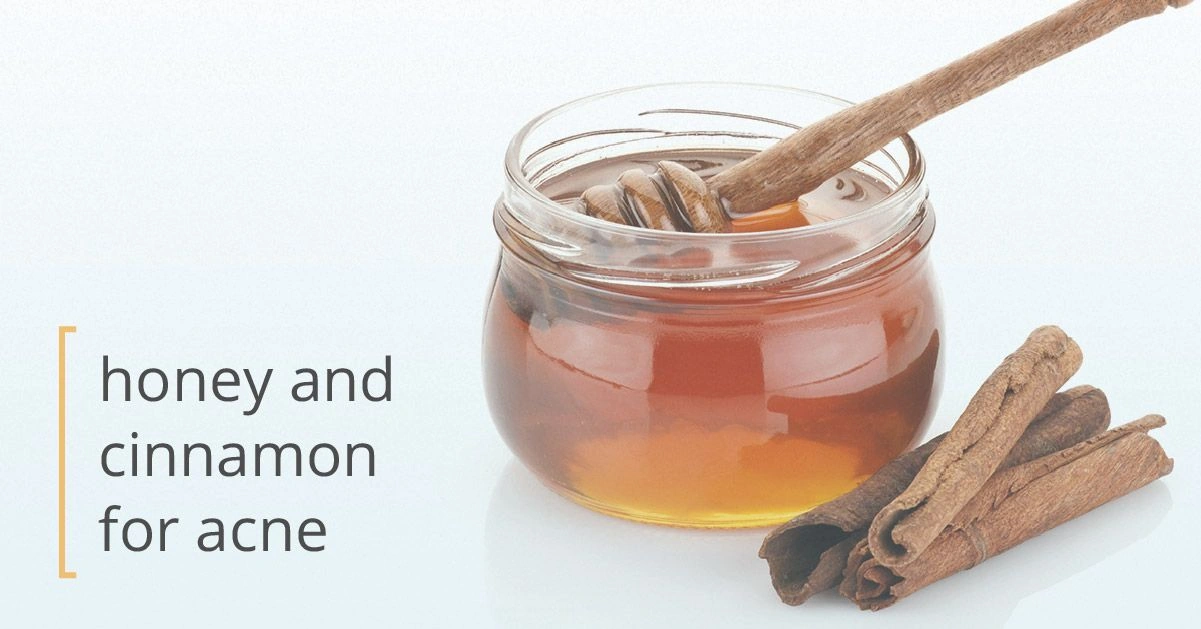
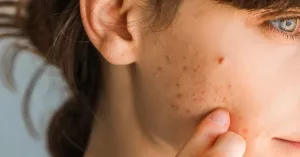
When pores become blocked with excess oil and dead skin cells, your skin often reacts with the bumps and lesions we call acne. Breakouts most commonly appear on the face, chest, and back, though pimples can develop on nearly any area of the body.
Acne doesn’t only leave blemishes and cause discomfort. It can also influence your emotional well-being and confidence. If you’ve battled pimples before, you know they don’t always clear up quickly. As some lesions fade, new ones can form, creating a persistent cycle of irritation. Deep inflammatory lesions can even result in lasting scars if not treated appropriately.
Before consulting a dermatologist, some people explore natural approaches to manage their breakouts. Below is information on using honey and cinnamon for acne—whether this DIY treatment is effective and what potential adverse effects to watch for.
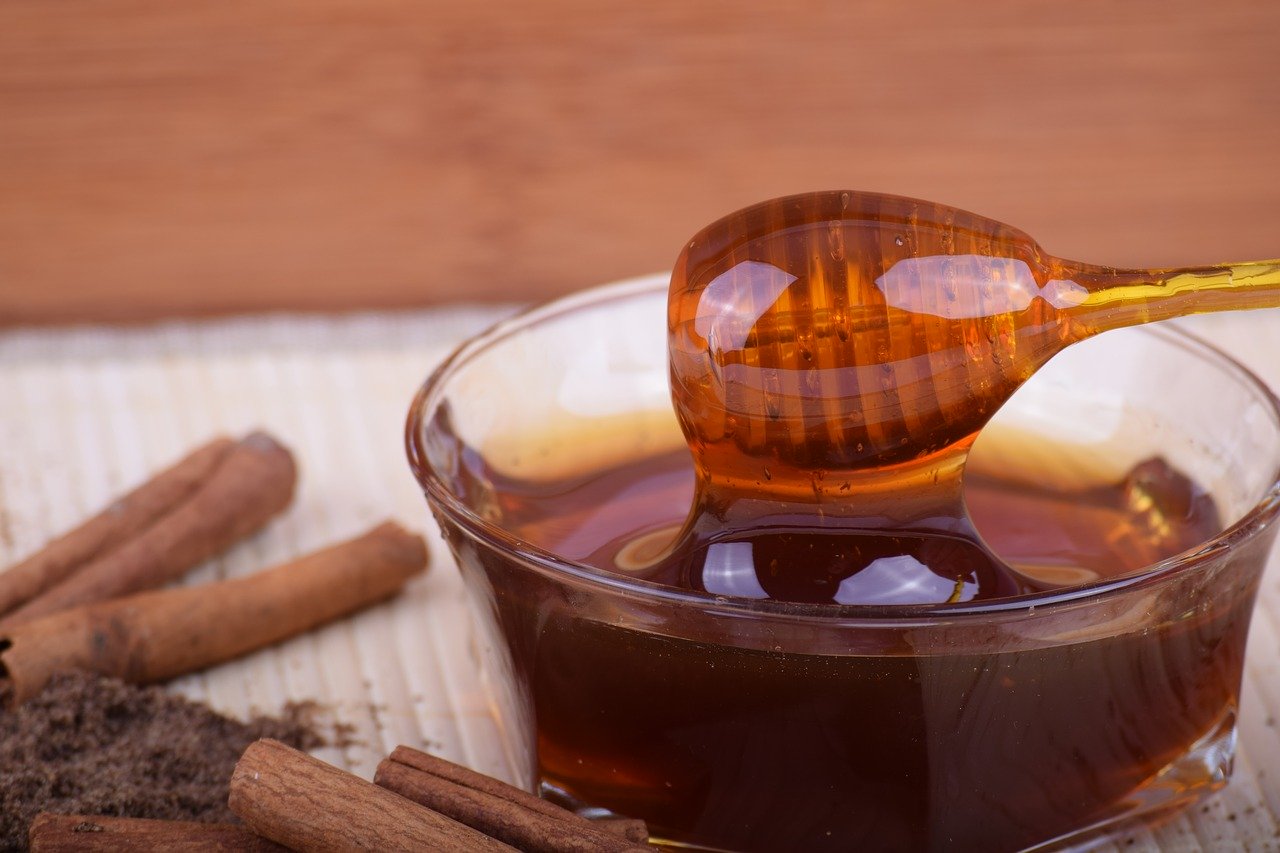
What are the benefits of honey and cinnamon?
Benefits
- Honey may assist in treating skin issues like ulcers and burns.
- Raw honey, rather than processed supermarket honey, offers the medicinal qualities.
- Both cinnamon and honey exhibit antimicrobial effects.
Honey has gained interest among clinicians as a possible therapy for several skin problems, including ulcers, pressure sores, and burns. The theory is that honey can permeate wounds to help inhibit bacterial growth. Additionally, honey might reduce inflammation and create a moist healing environment.
The honey most often associated with these therapeutic properties is not the typical processed variety found in many grocery aisles. Manuka honey, a raw, minimally processed type, is frequently recommended for medicinal purposes.
Cinnamon has traditionally been used to address various respiratory, digestive, and even gynecological issues. A recent review of scientific literature found that cinnamon may have antimicrobial, antiparasitic, antioxidant, and anti-inflammatory effects in animal studies, and it might also support wound healing.
Similar to honey, a particular variety of cinnamon seems to offer the most benefit. That variety is Cinnamomum zeylanicum, often called “true cinnamon.”
What the research says
While honey appears promising for wound care, its effectiveness specifically for acne remains uncertain.
In a randomized controlled trial of 136 participants assessing whether topical kanuka honey—a relative of manuka—could improve acne (alongside twice-daily use of an antibacterial soap), results were modest. Only four out of 53 people in the honey group experienced notable improvement. These findings cast doubt on honey’s benefits for acne, but they don’t definitively rule it out; more studies are necessary to determine its usefulness.
Cinnamon might also seem like a promising addition to acne care, but human data are currently limited. More research is required before cinnamon can be endorsed as an effective acne treatment.
Risks and warnings
Risks
- Avoid this remedy if you have an allergy to honey or cinnamon.
- If you’re allergic to honey, you might experience trouble swallowing or breathing.
- If you’re allergic to cinnamon, you may develop redness or skin irritation.
Although many people can apply a honey-and-cinnamon mask without problems, some may be allergic to one or both ingredients.
If you are allergic to pollen, celery, or bee-related products, applying honey to the skin could trigger a reaction.
Possible symptoms include:
- difficulty swallowing
- inflammation
- itching
- hives
- shortness of breath
- swelling of the skin
- wheezing or other breathing difficulties
Those sensitive to cinnamon may experience similar signs. Topical cinnamon can also cause localized redness and irritation.
How to use honey and cinnamon for acne
Online, you’ll find multiple recipes for masks and spot treatments combining honey and cinnamon, and many people claim these mixtures clear their skin. Beauty influencer Michelle Phan shares a simple honey-and-cinnamon mask on her site.
For the mask, you’ll need three tablespoons of manuka honey and one tablespoon of true cinnamon.
Mix the two ingredients, heat for about 30 seconds in the microwave, ensure it isn’t too hot, then spread it over your face. Leave it on for 10 minutes, rinse thoroughly, and gently pat your skin dry with a clean towel.
Other treatments for acne
If honey and cinnamon or other home remedies don’t clear your pimples, consider consulting your primary care physician or a dermatologist. During the visit, your provider will examine your skin, ask about your lifestyle and family history of acne, and review any over-the-counter or at-home treatments you’ve tried.
There are several topical and systemic medications that can improve skin condition. You may also explore procedural options—chemical peels, laser or light therapies, or extractions—to complement medical treatment.
Acne treatments generally fall into three categories: oral medications, topical therapies, and other procedures that can address both active breakouts and scarring.
Topical medications
Topical treatments applied directly to the skin may take a few weeks before you notice improvement. Typically, you apply them about 15 minutes after cleansing and drying your face. Directions depend on the clinician’s guidance and acne severity. Side effects can include dryness, redness, or irritation at the treated sites.
Common topical options include:
- retinoids, such as tretinoin (Avita)
- antibiotics often formulated with benzoyl peroxide, such as benzoyl peroxide–clindamycin (BenzaClin)
- antibiotics combined with anti-inflammatories, such as dapsone (Aczone)
Oral medications
Some clinicians recommend oral drugs alone or together with topical regimens.
Common oral choices include:
- antibiotics, such as minocycline
- combined oral contraceptives containing estrogen and progestin, like Ortho Tri-Cyclen
- anti-androgens, such as spironolactone (Aldactone)
- vitamin A derivatives, such as isotretinoin (Claravis)
Other therapies
Beyond topicals and medications, various procedures can help ease acne and reduce the risk of scars.
Common procedural options include:
- light-based treatments, including lasers
- chemical peels
- extractions to clear whiteheads or blackheads
- steroid injections
- microdermabrasion
Optum Now is operated by RVO Health. By clicking on this link, we may receive a commission. Learn more.
What you can do now
Although many people attest that at-home mixtures like honey and cinnamon help acne, robust scientific support is limited. If you choose to try a honey-and-cinnamon mask, keep these tips in mind:
- Use raw, unprocessed honey.
- Use true cinnamon (Cinnamomum zeylanicum).
- Perform a patch test before applying the mask to your face to check for adverse reactions.
If over-the-counter or natural approaches don’t relieve your symptoms—especially for more severe acne—consult a physician or dermatologist. There are many additional treatments that may improve how you look and feel.
How to prevent future breakouts
Some acne drivers, like genetics and hormonal changes, are out of your control. Still, you can take steps to reduce the likelihood of breakouts:
- Wash your face only twice daily. Over-cleansing can irritate skin and boost oil production, promoting more breakouts.
- Use OTC products containing benzoyl peroxide or salicylic acid to help remove excess oil clogging pores. Benzoyl peroxide also helps kill bacteria involved in acne.
- Choose makeup labeled “oil-free” or “noncomedogenic,” as these are less likely to block pores.
- For body acne, wear loose clothing that allows your skin to breathe.
- Keep your hands away from your face. Picking at lesions can lead to scarring or additional breakouts.











Leave a Reply
You must be logged in to post a comment.