
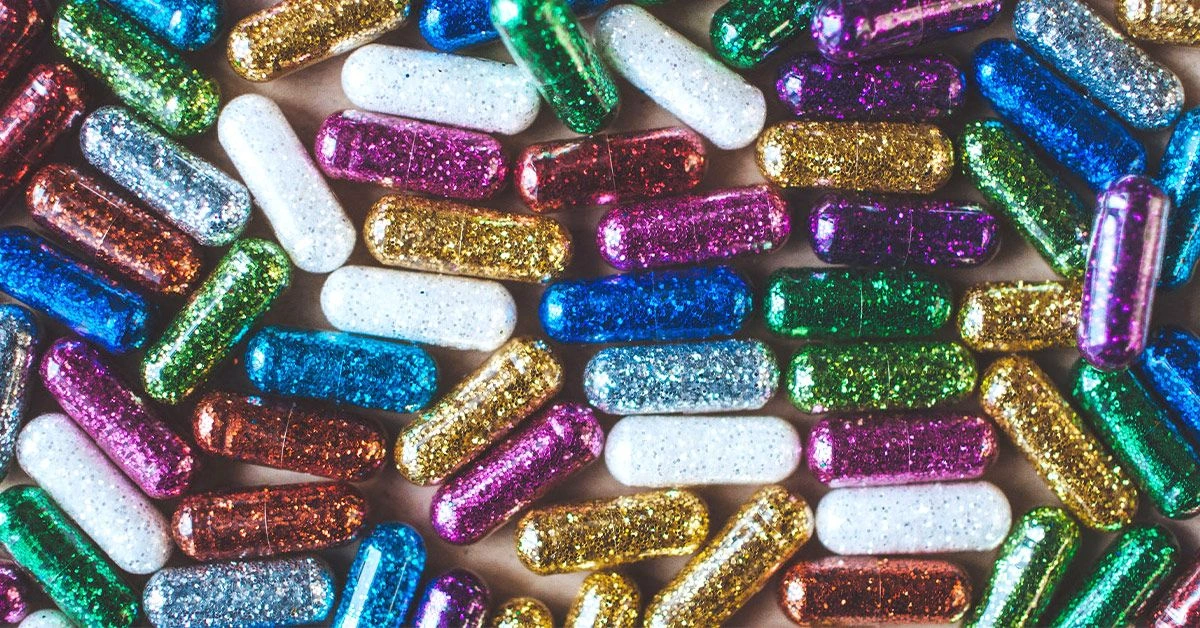
Molly is another term for 3,4-methylenedioxymethamphetamine (MDMA). Determining whether it’s addictive is difficult because what’s sold as molly is often unpredictable.
Many people say molly is a cleaner form of MDMA. Yet a large share of products marketed as molly are either adulterated with other compounds or contain no MDMA whatsoever.
When other substances are mixed into molly, they can alter how users respond. That variability complicates efforts to determine who might develop dependence.
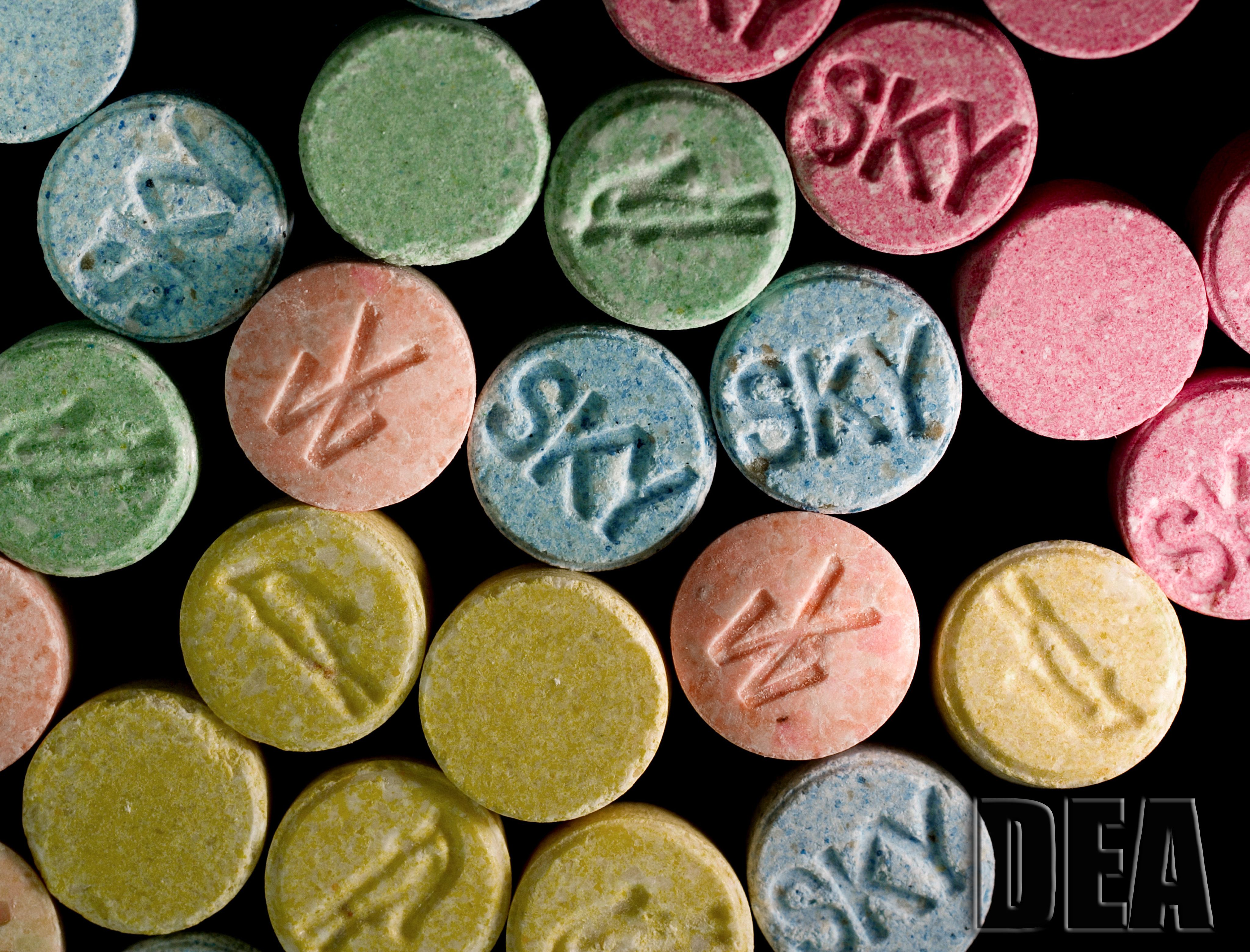
MDMA is also commonly called ecstasy. Molly typically comes as a powder or in capsules and is usually swallowed, though some people snort it. Ecstasy tends to be distributed as colored pills.
Below is essential information about molly you should be aware of.
Is molly legal?
MDMA is classified as a Schedule I substance, meaning the Drug Enforcement Administration (DEA) views it as having no accepted medical use and a high potential for abuse. Selling, buying, or possessing MDMA — including molly — is illegal in the United States.
Additionally, potent synthetic cathinone stimulants, often marketed as “bath salts,” are sometimes passed off as molly. These substitutes can produce intense cravings and more extreme, sometimes violent, reactions.
Symptoms of molly use
Molly boosts the brain’s release of neurotransmitters such as dopamine, serotonin, and norepinephrine. Elevated levels of these chemicals change brain function.
The National Institute on Drug Abuse (NIDA) notes that some frequent molly users may experience signs of dependence and withdrawal.
Molly’s effects begin within about 30 to 45 minutes and usually last roughly six hours. It can take up to 48 hours for the drug to clear from the body.
Immediate effects of using molly can include:
- increased energy
- greater sociability
- heightened emotions, empathy, or trust
- sensitivity to light, sound, and touch
Besides these short-term sensations, molly can cause severe — sometimes life-threatening — effects.
negative symptoms of molly usehigh blood pressure potentially life-threatening increase in body temperature lack of awareness that can impair decision-making and lead to things like dangerous driving anxiety depression confusion paranoia headache blurred vision nausea chills sweating dizziness sleeplessness irritability loss of appetite restless legs tense muscles memory problems
Risks of using molly
Molly is a stimulant with some hallucinogenic qualities comparable to substances like mescaline or peyote. It impacts the brain, heart, and other vital organs.
Serious reactions can occur depending on the individual and whether other drugs are combined with molly.
When molly’s effects subside, you might experience withdrawal. These symptoms can include:
- intense drug cravings
- depressive mood
- confusion
- difficulty concentrating
- memory issues
Withdrawal can worsen if a person increases dose or frequency of use, and these signs may indicate an addiction or substance use disorder.
To avoid withdrawal, some people use molly repeatedly. Repeated use can lead to risks such as:
- elevated heart rate and irregular rhythms
- panic attacks
- anxiety, depression, or confusion
- seizures
- dehydration and renal complications
Causes of MDMA use disorder
There are distinctions among tolerance, dependence, and addiction. How the brain and body respond to a substance is central.
Some users develop tolerance, meaning they need larger amounts or more frequent doses to achieve prior effects. With tolerance, people may escalate their molly or ecstasy use over time.
Dependence occurs when stopping the drug produces physical and emotional withdrawal symptoms.
A substance use disorder includes dependence plus alterations in the brain’s reward pathways. Dopamine plays a crucial role. For some individuals, this leads to intense cravings for molly.
Use can become compulsive despite harmful consequences such as declining health or loss of relationships and employment.
Genetic, environmental, and social factors also contribute to the development of substance use disorders.
Research remains inconclusive about molly’s addictive potential. It shares properties with other stimulants like cocaine but is generally less potent. Addiction is possible with frequent or heavy consumption.
Because other stimulants are often laced into molly, and some of those may be more habit-forming, the situation is further complicated.
Diagnosis of MDMA use disorder
Some individuals do exhibit dependence and withdrawal with regular molly consumption.
An experienced addiction specialist can help address these symptoms and support recovery.
behaviors that may indicate addictionThe following behaviors are associated with an MDMA use disorder:a noticeable change in personality or behavior inability to perform normal daily routines strong urges or compulsion to use molly even with negative effects life revolves around molly (talking about how to get it, use it, etc.) giving up other commitments, including work and social life, for molly withdrawal symptoms (mood swings, depression, anxiety, etc.)
Treatment for MDMA use disorder
Treatment focuses on managing withdrawal, easing cravings, and preventing relapse.
The Food and Drug Administration (FDA) has not approved medications specifically for MDMA use disorder, though various drugs are under investigation.
find help todayIf you or someone you care about needs help stopping molly, contact your healthcare provider. You can also reach out to these organizations for assistance:Call the Substance Abuse and Mental Health Services Administration (SAMHSA) hotline at 800-662-4357 for support and referrals to treatment near you. SAMHSA also offers an online treatment locator to find providers in your area. Call the National Alliance on Mental Health (NAMI) helpline at 800-950-6264 or text “NAMI” to 741741 for 24/7 support and treatment information. If you or someone you know is in crisis, call the National Suicide Prevention Lifeline at 800-273-8257 for free, confidential help 24/7.
Outlook for people with MDMA use disorder
As with other substance use disorders, recovery outcomes depend on multiple factors, including appropriate treatment and commitment to change.
Having confidence in the recovery process matters. Although the path may be challenging, achieving lasting recovery is possible.

The bottom line
MDMA appears in several forms and under different names, with molly (powder or capsules) and ecstasy (colored pills) among the most familiar.
Despite marketing that molly is a purer MDMA form, product composition varies widely; some batches contain no MDMA and instead include substances like designer fentanyl, caffeine, cocaine, ketamine, bath salts, or other additives.
Molly can lead to dependence. People who use it frequently or heavily may become addicted. Ongoing research aims to clarify whether molly causes lasting changes to brain chemistry.
Genetic predisposition along with social, emotional, and environmental influences can increase susceptibility to misuse.
If you have concerns about molly use, consult a qualified healthcare professional for advice and support.





















Leave a Reply
You must be logged in to post a comment.