
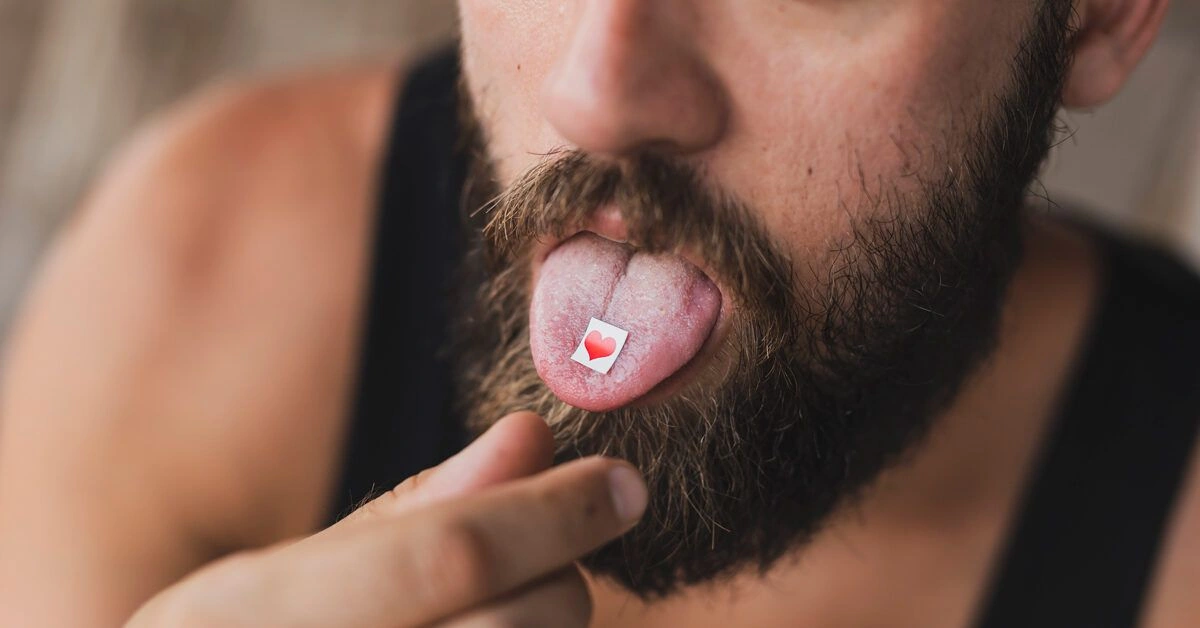
Although it’s technically possible to ingest enough LSD to cause toxicity or fatality, such occurrences are exceedingly uncommon. That doesn’t mean consuming very large amounts of LSD is without risk, however.
Despite growing momentum toward decriminalizing lysergic acid diethylamide (commonly called LSD or acid) and rising interest in its therapeutic uses, misconceptions about this well-known psychedelic remain widespread.
One persistent misconception is that LSD overdoses are common.
Below, we’ll clarify the difference between a challenging experience or “bad trip” and a true overdose, explain why some studies on LSD overdoses can be misleading, and answer the perennial question: “What’s the worst that could happen?”
Distinguishing an overdose from a bad trip
First, don’t conflate an overdose with a bad acid trip — the two can look quite different.
Mental or emotional symptoms commonly seen in a bad trip include:
- disturbing visual or auditory hallucinations
- intense paranoia
- heightened anxiety
- depressive feelings
- symptoms resembling psychosis
- a distorted sense of time
- depersonalization (which can sometimes be experienced in a beneficial way)
These psychological effects can impair judgment and lead people to act in ways they normally would not.
Physically, LSD may also produce:
- dry mouth
- increased perspiration
- impaired coordination
- an accelerated heart rate
Bad trips are more likely at higher doses of LSD, which helps explain why some people confuse heavy dosing with overdose risk.
While unpleasant, these symptoms usually don’t need medical treatment unless they aggravate an existing condition (such as a psychiatric or cardiac issue) or lead to dangerous behavior.
How much LSD would cause an overdose?
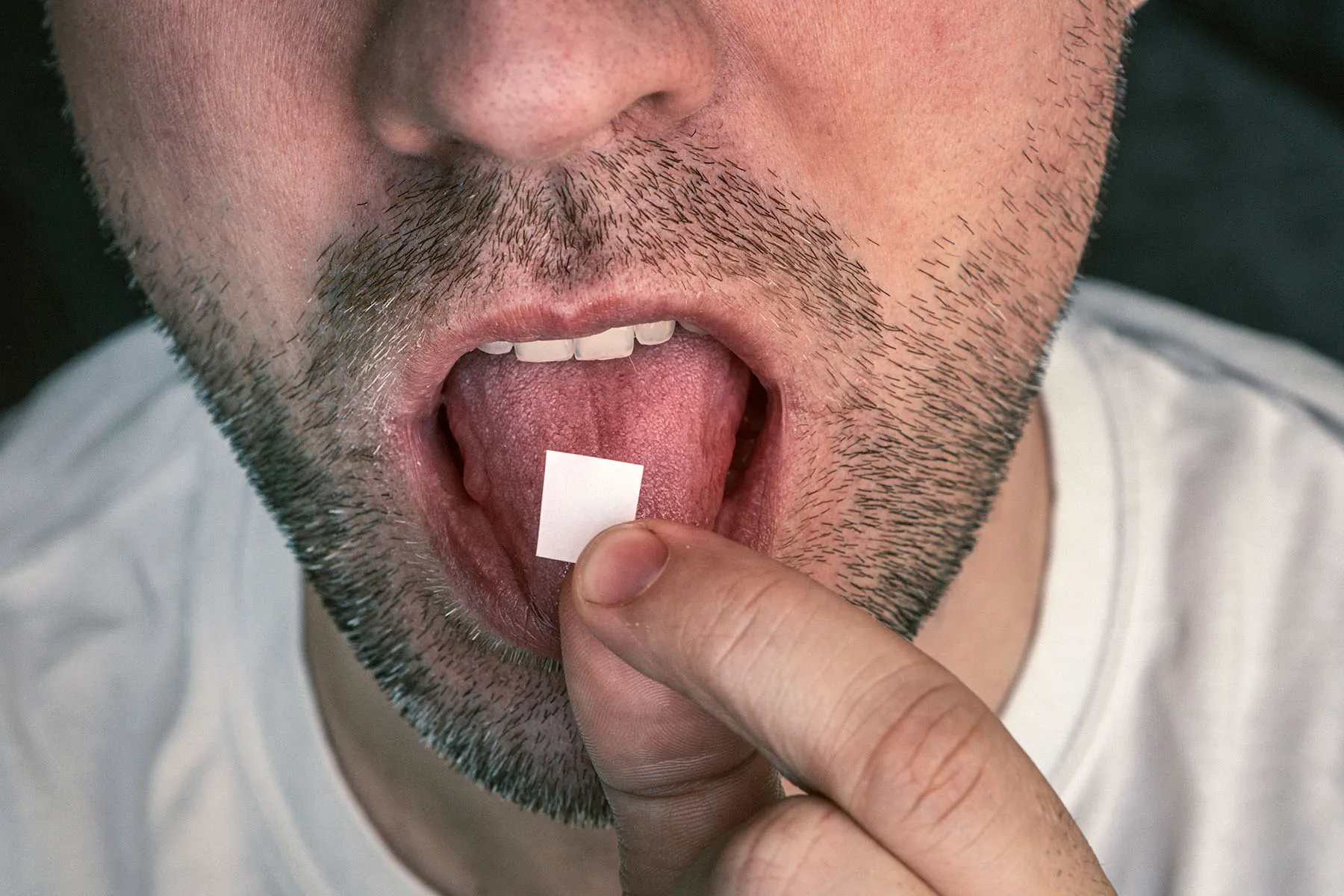
There’s no single, definitive threshold, but research indicates that doses in the range of 50 to 200 micrograms are non-toxic and medically safe when taken alone in an appropriate setting. For context, a standard acid tab often contains about 100 to 200 micrograms.
As for what constitutes truly excessive amounts, a 2020 review presents several case reports that offer some perspective.
One report describes a 15-year-old who accidentally consumed between 1,000 and 1,200 micrograms at a party and required overnight hospitalization. At the same event, a 26-year-old woman accidentally took roughly 500 micrograms but did not need to be hospitalized.
In another incident, a 49-year-old woman who was using morphine for foot pain inadvertently snorted 55 milligrams of LSD, mistaking it for cocaine.
She did not need emergency care but suffered repeated vomiting for 12 hours and experienced partial memory loss of the episode. Vomiting subsided after 12 hours, but she reported feeling “pleasantly high” for an additional 12 hours.
The authors pointed out that 55 milligrams is roughly 550 times the amount in a typical LSD tab.
Older work from 1973 estimated a potentially lethal human dose around 14,000 micrograms (14 milligrams), though that figure is far below what was consumed in the case above.
What might happen in an overdose scenario?
Because standalone LSD overdoses are so scarce, there’s limited data on a “typical” presentation. Still, the following signs after LSD use warrant urgent medical attention:
- prolonged vomiting
- involuntary bowel movements
- symptoms consistent with psychosis
- very high body temperature
- loss of consciousness
- seizures
- difficulty breathing
- suicidal ideation or attempts
Deaths attributed to LSD — what’s really happening?
If true LSD overdoses are rare, what explains deaths linked to LSD?
A closer look at five such fatalities reveals other contributing factors, including hazardous environments and law enforcement restraint.
In one case, a 14-year-old experiencing a bad trip jumped through a window and cut his leg. When authorities arrived, he was unresponsive and acting uncontrollably; he was hogtied in a restraint position at a juvenile facility.
He later lost consciousness, was hospitalized, slipped into a coma, and died about a week later. His death was initially blamed on an LSD overdose, but later analysis suggested asphyxiation from restraint as the cause.
Although LSD set events in motion, the fatal outcome was not due to a toxic dose of the drug itself.
Another incident involved a 28-year-old on a bad trip who fled from police and was beaten and hogtied. In the police vehicle he was placed in the restrictive position and officers noted “gurgly” breathing.
He was declared dead at the station and the cause was recorded as asphyxiation related to being hogtied.
In a different case, a 20-year-old woman who died after taking LSD at a music festival was said to have succumbed to LSD toxicity causing organ failure, hyperthermia, and dehydration.
Given the unusual nature of her response, researchers proposed she may have taken another compound not detected in toxicology tests, naming the synthetic psychedelic 25I-NBOMe as a likely candidate — a substance that has been linked to multiple fatalities and toxic reactions.
When to be worried
Although LSD overdoses are uncommon, remember that street drugs aren’t always properly labeled or manufactured under sterile conditions. Products can be adulterated with other substances that carry a higher overdose risk.
Any of the red-flag symptoms listed above should prompt you to call emergency services. You should definitely seek help if someone shows signs of:
- respiratory distress
- unresponsiveness
- violent, jerky movements
If a person is vomiting, place them on their side and bend the top knee inward if feasible to help keep the airway clear and reduce the risk of choking.
If they don’t appear to be overdosing but are extremely agitated or seem likely to harm themselves or others, move them to a calm, safe space and stay with them while you contact help.
The takeaway
Relative to many substances, LSD is fairly low-risk when taken alone at doses under about 200 micrograms. Even very large, so-called “heroic” doses can be managed safely in clinical settings.
That said, even modest doses can induce uncomfortable psychological and physical effects, though these are usually not medical emergencies or evidence of an overdose.
No confirmed deaths have been attributed solely to LSD, but risks remain—especially with higher doses or when LSD is mixed with other drugs or medications.
If you suspect an overdose based on the signs described above, get medical help immediately.
For more context on psychedelics and related health questions, you might also find useful reading on lsd vs shrooms and topics like can skinny people get diabetes.


















Leave a Reply
You must be logged in to post a comment.