
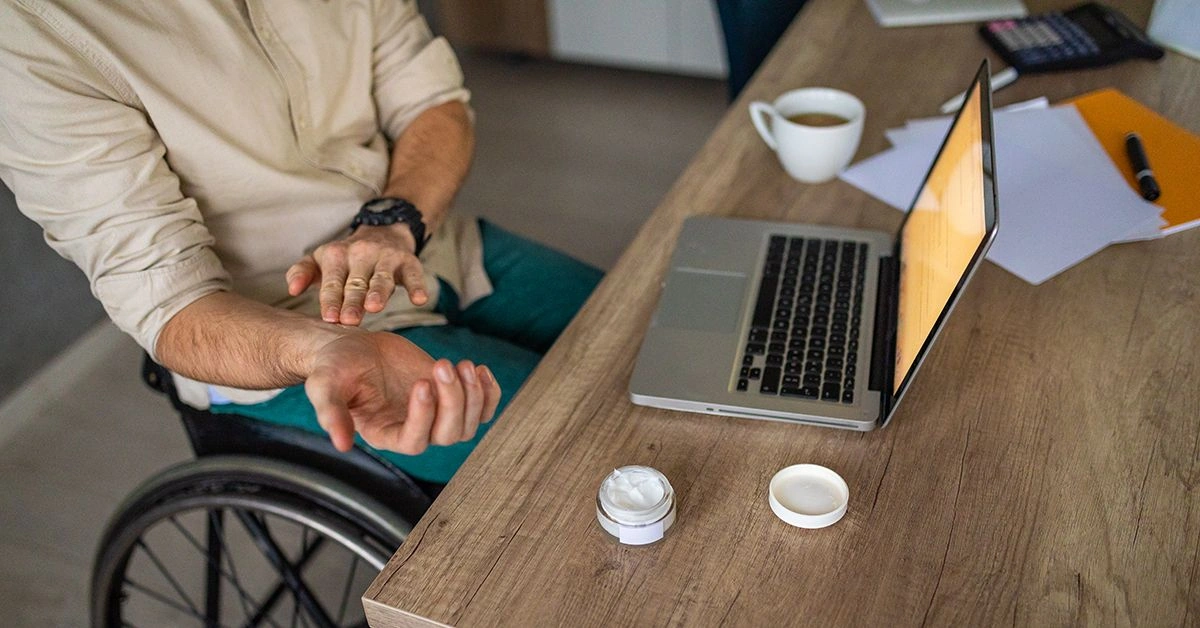
THC (tetrahydrocannabinol) and CBD (cannabidiol) are both linked to a variety of potential health advantages. The primary distinction lies in their chemical structure and legal status.
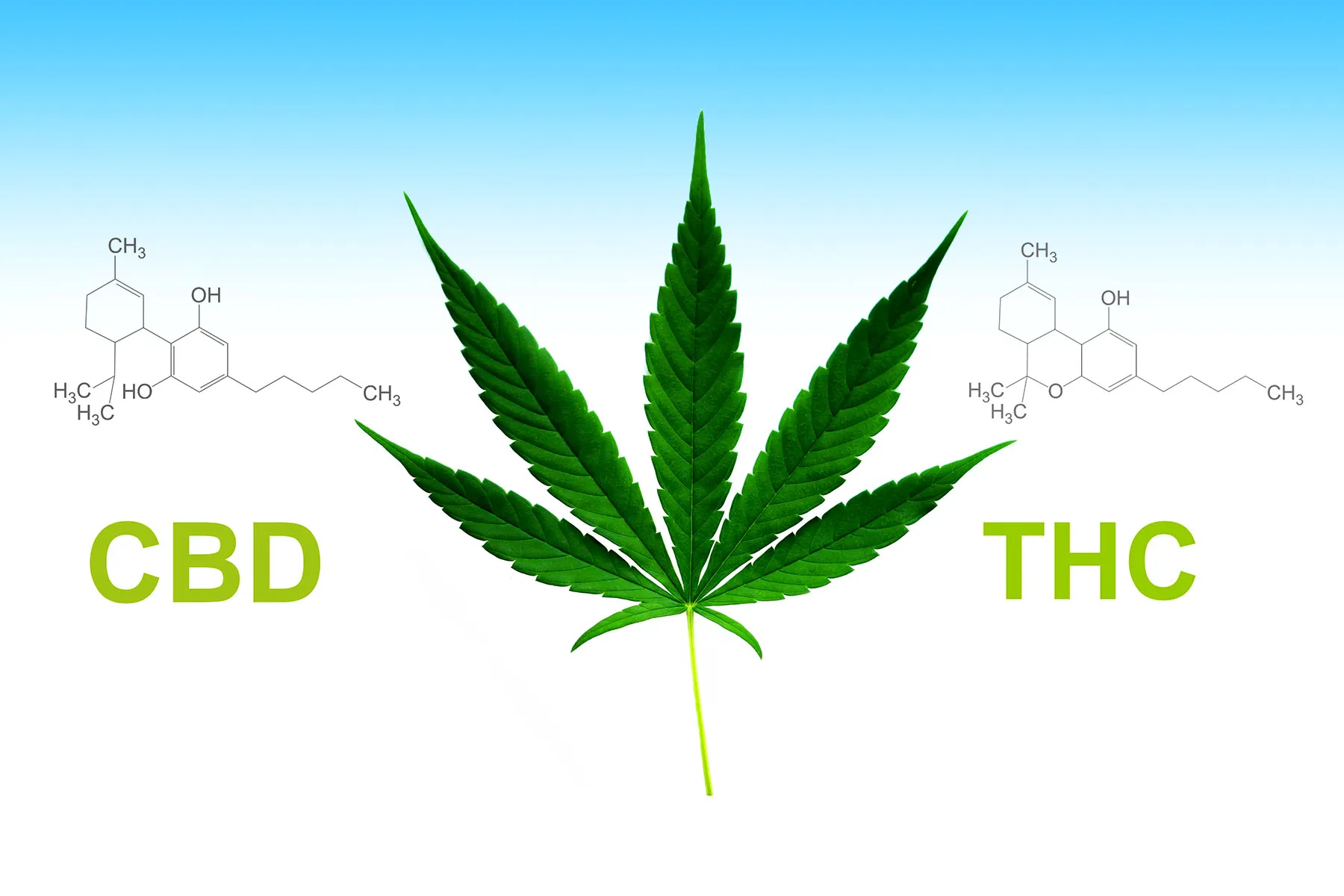
Both THC and CBD are cannabinoids — chemical constituents extracted from cannabis. However, THC is psychoactive, meaning it can produce a “high,” whereas CBD does not cause intoxication.
Both types of topical products can be applied to ease localized pain or inflammation, but THC-infused creams may also provide extra effects like muscle relaxation or a more noticeable sense of relief, depending on the formulation and strength.
Legal differences are another major contrast. CBD and THC are not always governed by the same rules. Typically, THC-containing products face stricter legal limits in more places.
What’s in each formulation?
The ingredient profiles of THC and CBD lotions differ across brands. As the names indicate, THC lotions predominantly feature tetrahydrocannabinol, while CBD lotions primarily contain cannabidiol.
THC lotion
THC lotions include varying levels of tetrahydrocannabinol, the principal psychoactive constituent of cannabis.
It remains uncertain whether applying THC topically can cause intoxication. Still, THC can interact with local receptors in the skin to help relieve pain or discomfort.
CBD lotion
CBD lotions are infused with cannabidiol, the non-psychoactive cannabinoid from cannabis.
Some CBD topicals, particularly full-spectrum varieties, may contain trace amounts of THC. If you prefer to avoid THC entirely, there are many THC-free CBD lotions available.
Certain products combine both CBD and THC to leverage the so-called “entourage effect,” a hypothesis proposing that mixing cannabinoids can amplify their therapeutic impacts.
What can each be used for?
Both THC and CBD creams may be useful for addressing:
- Skin conditions
- Localized pain
- Inflammation
There’s limited comparative data indicating whether THC topicals outperform CBD topicals for these concerns or vice versa. Consequently, it’s difficult to assert that one is categorically better for certain health problems.
However, available research indicates that:
- CBD may decrease inflammation tied to acne
- THC may lessen swelling related to allergic contact dermatitis
- CBD may alleviate symptoms of eczema and psoriasis
Still, more research is needed before a clear consensus emerges on whether CBD or THC can reliably improve these issues.
Many users anecdotally report that THC creams feel stronger. Some of that perception could be due to placebo effects. Robust clinical trials comparing CBD and THC topicals are necessary to clarify any real differences.
Possible side effects and risks
Both THC and CBD lotions are generally tolerated well, but there are certain risks and adverse effects to be mindful of.
Skin irritation
As with any topical product, there’s a risk of localized irritation or contact dermatitis. This may stem from the cannabinoids themselves or other components in the formula, such as fragrances.
If you have sensitive skin, performing a patch test when trying a new cosmetic is a prudent step.
Intoxication
Some individuals report mild psychoactive effects after using high-potency THC lotions. It’s unclear whether these experiences are due to systemic absorption of THC or placebo-related perception.
CBD, in contrast, is non-psychoactive.
Drug testing
If you might undergo drug screening, it’s advisable to avoid lotions that contain THC.
While topical use is unlikely to produce a high, trace THC could still be absorbed and, depending on concentration and frequency of application, potentially appear on drug tests.
Standard drug tests do not generally detect CBD itself.
Quality and regulation
Because the Food and Drug Administration does not regulate CBD and THC items comprehensively, product labels may not always be accurate.
A 2022 study examining 105 topical cannabinoid products revealed substantial mislabeling:
- 18 percent contained more than 10% less CBD than claimed
- 58 percent had over 10% more CBD than listed
- Only 28 percent were correctly labeled
When buying CBD or THC topicals, choose reputable items that have been third-party tested and provide a certificate of analysis or lab report online.
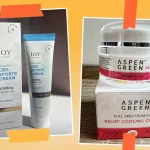
For curated suggestions, see our lists of the 8 Best CBD Creams, Lotions, and Balms and the Best CBD Skincare Brands.
The bottom line
Both THC and CBD lotions are promoted for providing targeted relief from pain, inflammation, and certain skin problems.
Although THC is psychoactive, it’s uncertain whether topical use will produce intoxication.
There is a shortage of head-to-head research comparing the benefits of THC lotions versus CBD lotions.
If you’re unsure which product is most appropriate, speaking with a healthcare provider can help you decide among the options.

















Leave a Reply
You must be logged in to post a comment.