

Though flaxseed has been a staple in diets and traditional wellness approaches for generations, it’s recently attracted attention for a different purpose: hair care.
Whether you apply flaxseed oil to your strands or incorporate more ground flaxseed into your meals, many believe these habits support stronger hair, improved growth, and easier manageability.
Research is limited, but there’s little doubt that ground flaxseed and cold-pressed flaxseed oil provide several promising health advantages.
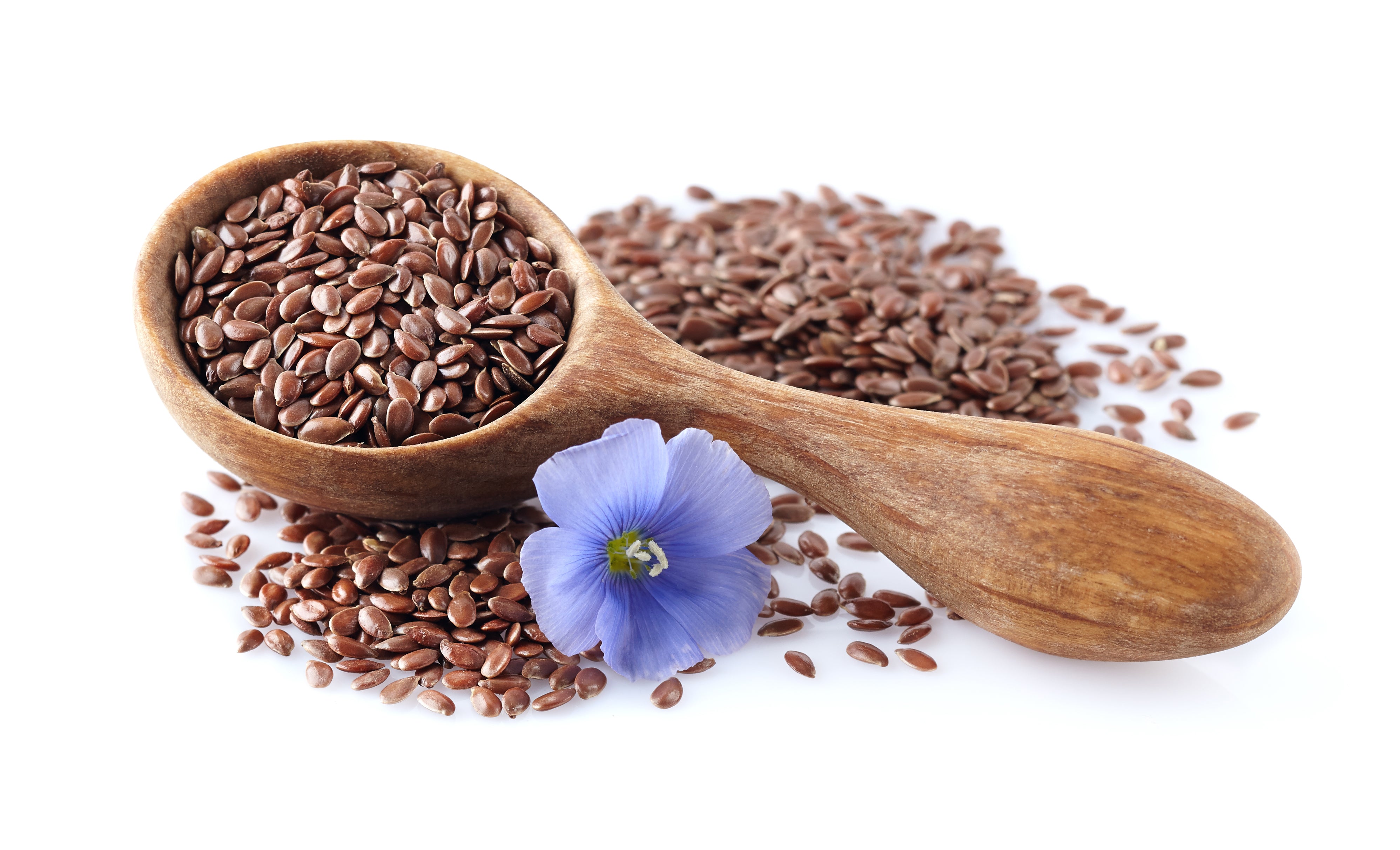
What is flaxseed?
Characterized by its golden-brown hue, flaxseed is regarded as a nutritional standout thanks to a blend of essential macro- and micronutrients, including protein, omega-3 fats, dietary fiber, and antioxidants.
Despite its nutrient density, whole flaxseeds aren’t well digested unless they’re broken down. That’s why they’re typically milled into a powder for eating or cold-pressed to yield oil for cooking and flavoring dishes.
Flaxseed oil is also applied in various complementary therapies and folk remedies, including those aimed at improving hair health.
How flaxseed might benefit hair
Applying any vegetable oil to hair can help smooth the cuticle, reducing breakage and frizz and supporting healthy growth. Flaxseed oil may provide additional advantages due to its distinct nutrient makeup.
Flaxseed Oil Benefits for HairThe following components may be directly helpful for hair:
Omega-3 fatty acids. It may seem odd that a seed contains a fatty acid commonly associated with fish, but flaxseed provides a plant form called alpha-linolenic acid (ALA). Fish supplies the long-chain omega-3s such as docosahexaenoic acid (DHA) and eicosapentaenoic acid (EPA). ALA is associated with cardiovascular benefits and can help reduce inflammation — an underlying factor in many conditions that may impede hair growth.
B vitamins. Flaxseed contains B vitamins, a family of nutrients linked to stronger, healthier, and faster-growing hair.
Vitamin E. This antioxidant, common in nuts and plant oils, defends the scalp from free-radical damage that can hinder hair growth and supports robust hair follicles.
To maximize the nutritional payoff from flaxseed, consuming the ground seeds or their oil is more effective; topical use can still provide temporary cosmetic improvements.
Ways to use flaxseed for hair
There are several approaches to leveraging flaxseed for hair health. When applying flaxseed directly to hair, use the oil rather than whole or coarsely crushed seeds.
Flaxseed oil is sold in grocery stores alongside cooking oils and in specialty wellness shops.
For a simple hair mask, warm a small quantity of flaxseed oil in your palms and work it through your hair. Leave it on for up to 15 minutes, then rinse and shampoo as usual.
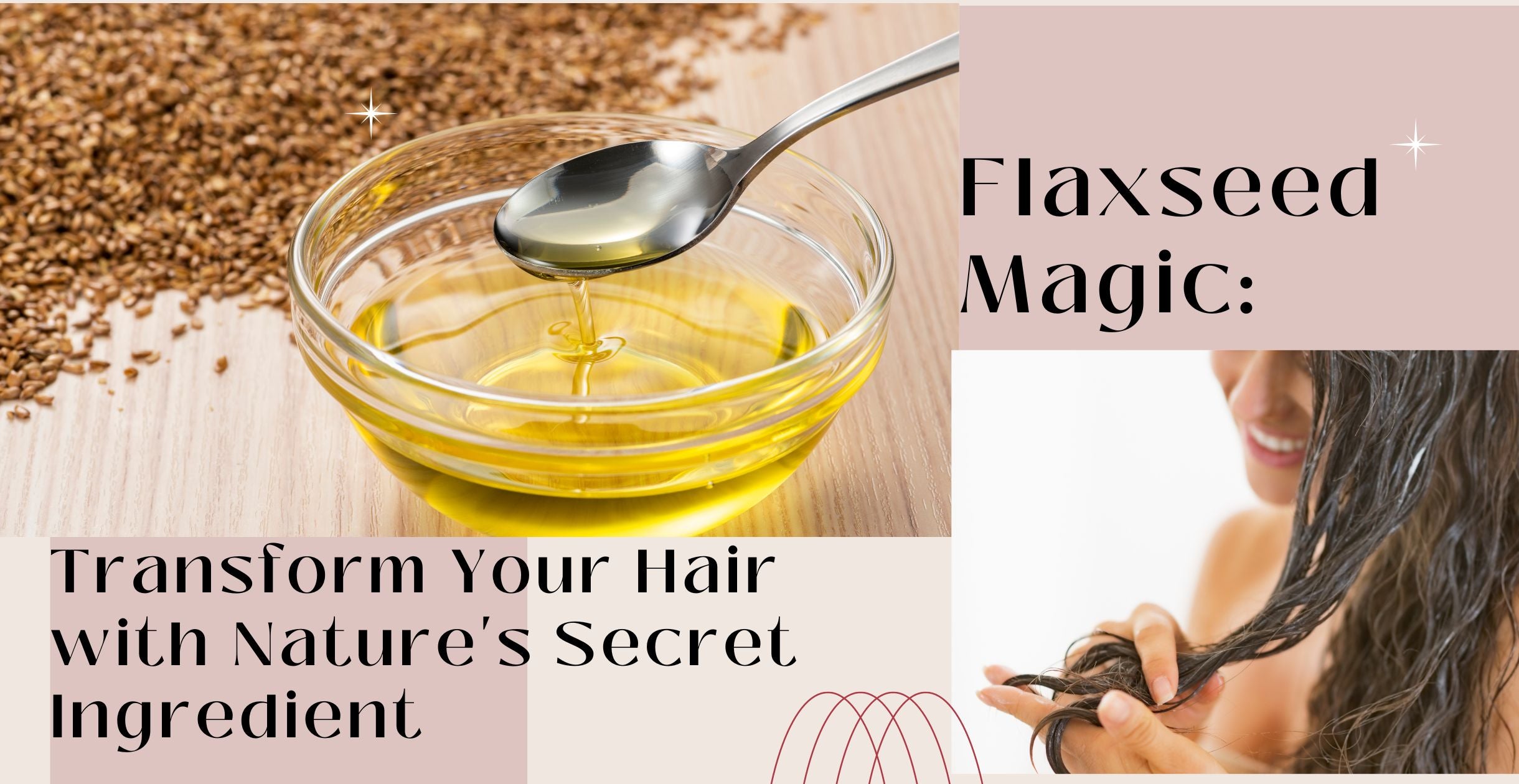
You can also use flaxseed oil as a pre-conditioning rinse after shampooing; rinse out the oil before applying your conditioner.
Another option is to create a flaxseed gel. Unlike a rinse-out mask, flaxseed gel is intended to remain in your hair until the next wash, offering hold and moisture.
Flaxseed oil is sold in capsule form as a dietary supplement. Consult your physician before starting any supplement, including flaxseed, since supplements can produce adverse effects (see the risks section below).
Dosage varies by brand; some manufacturers recommend taking as many as six flaxseed capsules daily.
Finally, you can enjoy the benefits of flaxseed by eating milled seeds. Sprinkle ground flaxseed for a nutty boost on oatmeal, salads, or grains.
Over time, the fatty acids and antioxidants in flaxseed may help your hair become smoother and more resilient. As with any touted “superfood,” however, flaxseed is most effective as part of a balanced diet.
Risks of flaxseed oil
Although flaxseed oil is a natural, plant-based product, it can carry risks.
Possible side effects of flaxseed oilgastrointestinal discomfort such as abdominal cramps, bloating, gas, diarrhea, and constipation; toxicity from consuming unripe or unground seeds; lowered blood pressure; a potential elevated prostate cancer risk; increased estrogen-like activity (from flaxseed only), which might negatively affect a fetus during pregnancy; interactions with certain medications, particularly blood thinners, cholesterol drugs, and insulin; and skin reactions to topical oils.
Moreover, while flaxseed oil supplies omega-3s, it isn’t the richest source of the forms your body uses most readily.
Omega-3s from flaxseed are primarily ALA, which must be converted into DHA and EPA before the body can utilize them, so you ultimately receive only a portion of omega-3s in usable form.
If your goal is to increase omega-3 intake, consuming fatty fish or using fish oil supplements may be more effective. Relying solely on flaxseed oil may not provide sufficient long-chain omega-3s.
The bottom line
Flaxseed and flaxseed oil are nutritious, plant-based options you can incorporate into your diet. Check with your healthcare provider to confirm flaxseed is safe for you, especially if internal use is being considered.
You can also apply flaxseed oil topically for immediate smoothing and conditioning effects.
Whichever way you use flaxseed, remember to maintain other healthy hair habits too, such as regular trims, appropriate shampooing, and conditioning. For additional natural hair-supporting measures, consider incorporating green tea for hair into your routine where suitable.




















Leave a Reply
You must be logged in to post a comment.