

Key takeaways
- Green tea, abundant in antioxidants such as epigallocatechin gallate (EGCG), may help decrease hair shedding by lengthening the growth phase and supporting regrowth.
- Drinking green tea or applying formulations containing its extract can boost nutrient delivery to the scalp, which might enhance hair condition.
- Though generally well tolerated, high amounts of EGCG from supplements can cause adverse effects; consult a healthcare professional before beginning supplementation.
Green tea has been consumed for centuries and remains one of the planet’s most widely enjoyed drinks.
Lauded for numerous health claims, many brands now incorporate green tea into their offerings, notably in products that promise improved hair health.
That said, you might question whether green tea actually supports hair health.
This article explores what green tea does and whether it could benefit your hair.

What is green tea?
Tea leaves originate from the plant Camellia sinensis. Depending on how they’re processed, the leaves yield green, black, white, or oolong tea (1).
Green tea is produced from fresh leaves that are dried and exposed to heat or sunlight to prevent oxidation and fermentation, which gives green tea its characteristic taste (1).
Some varieties of green tea undergo unique processing. For instance, matcha is made from leaves shaded before harvest, yielding a bolder flavor and greater antioxidant content (2, 3).
Green teas are renowned for their high antioxidant levels. Most of these antioxidants are flavonols, especially catechins (1, 2).
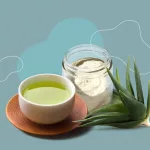
The predominant and most potent catechin in green tea is epigallocatechin gallate (EGCG), which has been associated with a lower risk of heart disease and some cancers (1, 2, What is green tea? Tea leaves originate from the plant Camellia sinensis. Depending on how they’re processed, the leaves yield green, black, white, or oolong tea (1). Green tea is produced from fresh leaves that are dried and exposed to heat or sunlight to prevent oxidation and fermentation, which gives green tea its characteristic taste (1). Some varieties of green tea undergo unique processing. For instance, matcha is made from leaves shaded before harvest, yielding a bolder flavor and greater antioxidant content (2, 3). Green teas are renowned for their high antioxidant levels. Most of these antioxidants are flavonols, especially catechins (1, 2). The predominant and most potent catechin in green tea is epigallocatechin gallate (EGCG), which has been associated with a lower risk of heart disease and some cancers (1, 2, 4). Because of its antioxidant richness, green tea and its extracts are being explored for additional uses, including preventing hair loss and enhancing hair health. Green tea is commonly added to haircare formulations for its alleged advantages. Below are some possible hair-related benefits of green tea. Hair loss affects many people worldwide and can arise from stress, nutritional gaps, autoimmune conditions, and hormonal fluctuations (5). Hormone-driven hair loss, or androgenetic alopecia, impacts roughly 50 million men and 30 million women in the United States. About half of men and a quarter of women aged 50+ will experience some level of this type of hair thinning (6, 7). During hair thinning, the hair’s normal cycle changes. This cycle includes three stages — anagen (growth), catagen (transition), and telogen (shedding) (5). Two hormones — testosterone and dihydrotestosterone — can shorten the growth phase and accelerate hair loss. Some studies suggest EGCG can counteract these hormones’ effects on hair and reduce shedding (5). In a small company-sponsored pilot trial, 10 individuals with androgenetic alopecia took a product called Forti5 for 24 weeks. By the study’s end, 80% showed notable hair regrowth (8). However, the supplement contained undisclosed amounts of green tea extract along with melatonin, vitamin D, omega-3, omega-6, beta-sitosterol, and soy isoflavones, so it’s unclear whether the green tea extract was responsible for the gains (8). In an animal experiment, mice treated topically with EGCG-rich green tea exhibited significantly less hair loss than untreated controls (9). EGCG seems to mitigate testosterone-driven hair loss by extending the anagen phase and delaying the telogen phase, which reduces shedding (9). Green tea may encourage healthier hair growth and regrowth. In a small human trial, researchers applied a topical EGCG extract derived from green tea to the scalps of three people with alopecia. After four days, the subjects showed marked increases in hair growth activity (10). EGCG appears to promote hair growth by activating hair follicles and shielding skin and hair cells from damage (5, 10). Moreover, in a mouse study, 33% of animals that consumed green tea extract experienced hair regrowth after six months, whereas none in the control group did (11). Still, it’s not yet clear how fast or effective green tea–based hair treatments are for stimulating human hair growth, particularly in people without hormone-related hair loss. Hair is part of the integumentary system — which includes the skin, nails, hair, and related structures. Hair grows from the skin and relies on blood flow and nutrients during its growth phase (12). In a small study of 15 participants, those taking supplements containing green tea extract for 12 weeks experienced a 29% increase in skin blood flow and oxygen delivery versus controls (13). In another arm of the same study, 30 people consuming about 4 cups (1 liter) of green tea daily for 12 weeks showed improved skin hydration compared with the control group (13). Since hair growth depends on oxygen and nutrient supply to the scalp, and poor circulation can contribute to hair loss, drinking green tea may enhance nutrient delivery to the scalp and support hair growth (12, 13). Given green tea’s reported growth-supporting qualities, many haircare products now include it or its extract. These items can be bought online or at most retailers. Here are several ways to incorporate green tea into your hair routine: Additionally, drinking 1–2 cups (240–480 ml) of green tea daily supplies your body with additional antioxidants. Although research supports some benefits of consuming green tea and using green tea hair products for hair growth, there are important precautions to consider. While drinking green tea is generally safe, many green tea supplements and concentrated oils contain far higher EGCG levels, which can cause problems such as liver injury and gastrointestinal discomfort (14). A recent review suggested safe EGCG intake limits of about 338 mg/day from supplements and 704 mg/day from brewed tea. Be wary of supplements with substantially greater doses (14). Always consult your healthcare provider before beginning any new supplement. For brewed green tea, most people can safely drink up to 3–4 cups (710–950 ml) daily. Green tea hair products are increasingly common, and whether they’re cost-effective depends on how they’re used. Hair follicles receive blood and nutrients to support new hair growth. Once a hair shaft emerges from the follicle, it no longer gets direct nutrient supply (12). Thus, drinking green tea won’t strengthen existing hair shafts; it can only influence the new hair produced within the follicle. Topical products can condition and hydrate hair strands but won’t make the existing hairs grow longer from the root (12). If you use a mask or shampoo, apply it to your scalp and roots so it reaches hair follicles. Also, massage gently when shampooing to avoid harming the roots. Green tea is a beverage rich in antioxidants that’s enjoyed worldwide. Consuming it or using products containing green tea may reduce the risk of hair loss and potentially support regrowth. Numerous green tea hair products are sold in stores or online, but apply them to your scalp and roots for the best outcome. You can also rinse hair with brewed green tea after cleansing and conditioning. If you prefer to drink green tea, up to 3–4 cups (710–950 ml) per day is generally considered safe.Summary: Green tea is crafted from fresh, dried tea leaves, preserving a higher concentration of antioxidants like epigallocatechin gallate (EGCG). EGCG may reduce risk for heart disease, certain cancers, and potentially hair loss.
Hair benefits of green tea
May prevent hair loss

Supports hair growth
Improved nutrient delivery
Summary: Epigallocatechin gallate (EGCG) in green tea may slow hair loss by blocking hormone-driven effects and encourage regrowth by stimulating follicles.
How to use green tea for your hair
Summary: Shampoos, conditioners, and masks may contain green tea or its extract; apply them to your scalp and roots for maximum effect. Drinking 1–2 cups (240–480 ml) of green tea daily can boost antioxidant intake.
A word of caution
Toxicity
How to use the products
Summary: Most people can safely consume up to 3–4 cups (710–950 ml) of green tea daily, but consult a clinician before using green tea supplements. Apply green tea hair products to the scalp and roots for optimal benefit.
The bottom line
Frequently Asked Questions
Does green tea really help hair growth?
How should I use green tea for my hair?
Are there any risks to using green tea for hair?
How often can I rinse my hair with green tea?
Will drinking green tea strengthen existing hair shafts?














Leave a Reply
You must be logged in to post a comment.