
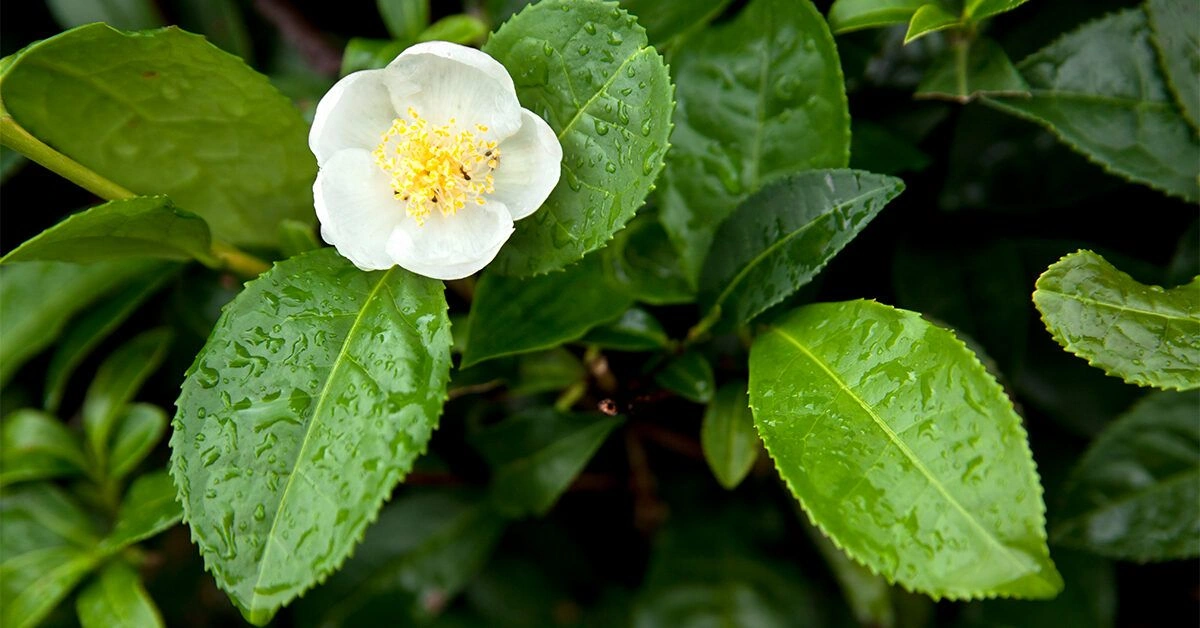
Black, green, oolong, and white teas all originate from the Camellia sinensis plant — commonly called the tea plant. The extract derived from its leaves is essentially the concentrated oil or phytochemical extract of those leaves (1).
Camellia sinensis leaf extract has become increasingly popular because of the broad health effects associated with tea, particularly green tea.
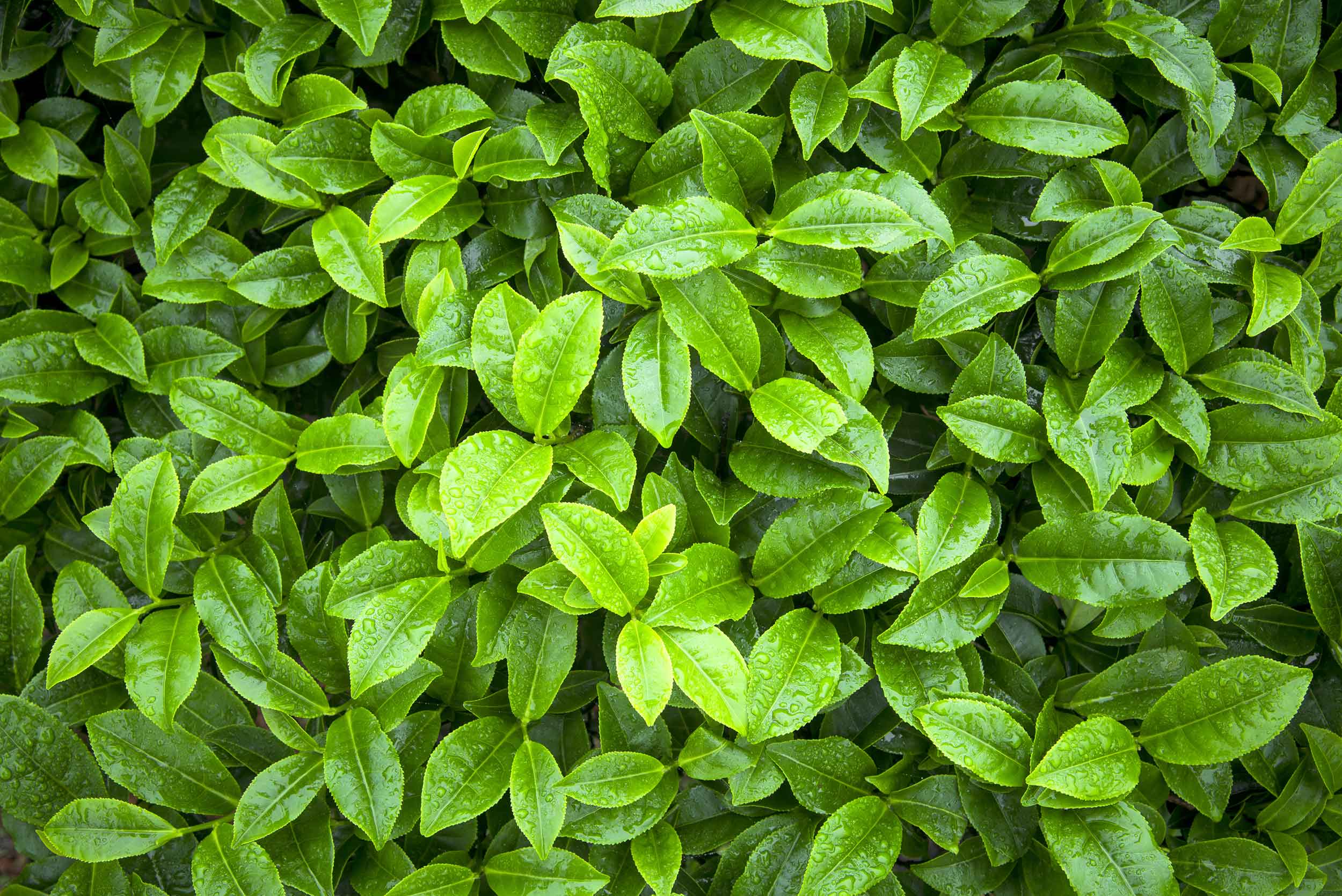
The extract provides the plant’s active constituents in a denser form; you can prepare it yourself or purchase it as a dietary supplement.
This article examines Camellia sinensis leaf extract, its effects on health, and common applications.
Main compounds
Camellia sinensis leaf extract contains the same bioactive constituents that give tea its scent, flavor, bitterness, mouthfeel, and therapeutic properties (2).
Below are the primary compounds present in the extract.
Catechins
Catechins represent one of the key active groups in the Camellia sinensis plant. Research attributes many of the extract’s anticancer properties to these molecules (1).
They belong to the flavonoid family, a prevalent class of polyphenols — compounds known for their strong antioxidant activity (3).
Antioxidants counteract damaging molecules called free radicals, helping to prevent and mitigate diseases that can arise from oxidative stress when these radicals accumulate (4).
The extract includes four main catechins: epigallocatechin gallate (EGCG), epigallocatechin (EGC), epicatechin gallate (ECG), and epicatechin (EC). EGCG is the most abundant and biologically active of the group (1, 5, 6, 7).
Caffeine
Caffeine is the best-researched stimulant found in coffee and tea. A typical cup of green tea contains roughly 6% caffeine by dry weight (1, 8).
It is associated with both beneficial and adverse health outcomes.
For example, habitual caffeine consumption has been linked to lower risks of type 2 diabetes, metabolic syndrome, cardiovascular disease, dementia, and Alzheimer’s disease in some studies (8, 9, 10, 11).
As a stimulant, caffeine can raise alertness, reduce tiredness, and enhance exercise capacity and cognitive performance (12, 13).
Nonetheless, excessive caffeine intake can produce harmful effects, including irregular heartbeat in some individuals (14).
L-theanine
L-theanine is a non-protein amino acid derived from tea leaves. It is the dominant amino acid in green tea, making up about half of its amino acid composition (15).
L-theanine contributes to tea’s distinctive taste and aroma.
It is also responsible for tea’s calming properties and may support concentration and learning (16, 17).
In addition, L-theanine exhibits anti-inflammatory and antioxidant actions and has been linked to enhanced immune function (15, 16, 17).
Other compounds
Besides the major constituents listed above, tea leaf extract contains B-group vitamins, lipids such as linoleic and alpha-linolenic acids, and trace minerals like magnesium, calcium, iron, zinc, and selenium (3).
Summary: Camellia sinensis leaf extract is abundant in catechins, caffeine, and L-theanine — the primary bioactive substances behind tea’s health effects.
Effects on skin health
Camellia sinensis leaf extract has a long tradition in cosmetics because of its favorable effects on skin condition and appearance.
Owing to EGCG’s antioxidant activity, the extract may shield skin from damage caused by ultraviolet radiation (UVR), which can result in sunburn, premature aging, and nonmelanoma skin cancers (18, 19, 20).
Research also indicates that topical application and oral intake of the extract can decrease scaling and enhance skin blood flow, elasticity, hydration, and density (18, 21).
Additionally, the caffeine present in the extract is often used in anti-cellulite formulations (22).
It may also accelerate wound healing and help reduce excessive sebum production, a common feature of oily skin (18, 23).
Summary: Camellia sinensis leaf extract is widely used to support skin health and appearance, mainly due to its antioxidant content and caffeine.
Effects on heart health
Consuming Camellia sinensis leaf extract or drinking tea may support cardiovascular health.
Catechins and L-theanine in the extract may help lower several cardiovascular risk factors, such as:
- Blood cholesterol and triglycerides. Evidence suggests the extract can reduce total and LDL (bad) cholesterol and triglyceride levels by decreasing their absorption (1, 15, 23, 24, 25).
- Arterial plaque. Catechins can reduce LDL oxidation, which helps prevent plaque formation and arterial blockages (1, 23, 25, 26).
- Blood pressure. The extract may lower blood pressure by encouraging blood vessel relaxation and enhancing vascular function (23, 27).
Moreover, the extract might lower heart attack risk by reducing cardiac enlargement, improving blood pressure regulation, and restoring antioxidant enzyme activity (23).
Summary: Camellia sinensis leaf extract may benefit heart health by lowering blood pressure, cholesterol, triglycerides, and by inhibiting plaque formation in arteries.
Anticancer effects
The extract’s anticancer actions are largely tied to its catechins, especially EGCG.
Laboratory and animal studies show EGCG can exert cancer-protective effects by triggering apoptosis (programmed cell death) in malignant cells (3, 23, 28, 29, 30).
It may also impede tumor growth and spread by blocking angiogenesis — the formation of new blood vessels that nourish tumors (23, 25, 28, 31).
EGCG also boosts the activity of endogenous antioxidant enzymes, helping neutralize free radicals that can damage DNA and contribute to cancer development (28, 29, 31).
Research suggests EGCG may be helpful against various cancers, including:
- Prostate cancer. EGCG may lower the risk of low-grade prostate cancer, reduce recurrence, and improve quality of life for patients (1, 7, 32, 33, 34).
- Breast cancer. Beyond risk reduction, EGCG may decrease mortality, reduce recurrence, and extend disease-free intervals in early-stage breast cancer patients (1, 23, 35).
- Other cancers. EGCG may also be linked to lower risks of lung, stomach, colorectal, and liver cancers (1, 3, 23, 36).
Summary: Catechins in the extract may help lower the risk of several cancer types.
Effects on the immune system
L-theanine and EGCG are important constituents regarding immune support.
Research indicates L-theanine may boost T-cell production. T cells are white blood cells crucial for fighting infection (15).
Consequently, it could be valuable in defending against infections, allergic conditions, and hypersensitivity reactions (15).
Additionally, EGCG appears to help rebalance immune responses in several autoimmune conditions by lowering the production of inflammatory markers (37).
EGCG may also boost resistance to infections and exhibit antiviral activity by interfering with early infection steps and disrupting viral replication in infected cells (38, 39, 40).
Summary: L-theanine and EGCG in Camellia sinensis leaf extract may strengthen immune defenses and help the body fight infections and viruses.
Effects on stress and anxiety
L-theanine is central to the extract’s ability to reduce stress (41).
Studies show L-theanine fosters relaxation and lowers anxiety by raising brain levels of dopamine and serotonin — neurotransmitters involved in mood and motivation (15).
L-theanine also appears to increase alpha brain wave activity, which is associated with a relaxed yet alert mental state (15, 42, 43).
Interestingly, one study noted that the calming impact of L-theanine may be amplified when taken together with caffeine, which the extract also contains (44).
Summary: Camellia sinensis leaf extract has a soothing effect largely due to L-theanine, which encourages relaxation and reduces anxiety.
Effects on weight loss
Obesity is a significant public health issue worldwide.
Both EGCG and caffeine in Camellia sinensis leaf extract have been studied for their potential to support weight loss (45).
EGCG may help reduce weight by inhibiting enzymes involved in the intestinal absorption and digestion of carbohydrates and fats, which could lower caloric uptake (23, 45, 46, 47).
It may also affect gut microbiota and promote weight loss by modulating fat metabolism and increasing lipolysis (45, 46, 47, 48).
Meanwhile, caffeine can raise metabolic rate, energy expenditure, and fat oxidation, which may contribute to weight reduction (23, 49).
Some evidence suggests the weight-loss effects are stronger when EGCG and caffeine are consumed together, as they naturally are in the extract (50, 51, 52, 53).
However, other trials have found no statistically significant weight loss from green tea or green tea extract (54, 55).
Therefore, additional research is needed to clarify how Camellia sinensis leaf extract influences body weight.
Summary: Caffeine and EGCG in the extract could support weight loss, especially combined, but studies are mixed and further research is required.
Other health benefits
Camellia sinensis leaf extract may offer extra benefits, such as:
- Anti-inflammatory effects. Animal research suggests extract compounds can suppress production of pro-inflammatory mediators implicated in conditions like arthritis (23, 56).
- Bone health support. Animal and human studies indicate catechins may help regulate bone metabolism and reduce bone loss (23, 57).
- Liver protection. Catechins and L-theanine may shield the liver by lowering enzymes associated with inflammation and hepatic injury when elevated (15, 23, 58).
Summary: Camellia sinensis leaf extract may also protect against inflammation-related issues and support bone and liver health.
Potential downsides
Although Camellia sinensis leaf extract is generally regarded as safe and well tolerated, some adverse effects have been reported.
For example, its caffeine content can cause jitteriness and headaches in susceptible individuals (7).
Excessive caffeine intake during pregnancy has been associated with increased risk of pregnancy loss and low birth weight in some studies (59, 60).
Milder side effects reported include skin reactions like rashes or allergic responses, and gastrointestinal symptoms such as nausea and diarrhea (61).
More seriously, there are reports linking green tea extracts to liver injury, though such events are rare.
A systematic review by the United States Pharmacopeia (USP) concluded that green tea extracts can rarely lead to hepatotoxicity (62).
These toxic reactions may arise from high EGCG concentrations interacting with medications or from individual metabolic susceptibilities (28, 61, 62, 63, 64).
Reports of liver damage have occurred with daily intakes ranging from about 700–2,100 mg, though some cases appeared at lower intakes of approximately 140–1,000 mg per day (26, 62).
These dose ranges are comparable to single servings of some commercial Camellia sinensis extracts, and product strengths and recommended doses vary, so liver toxicity could potentially occur even at commonly suggested doses.
Many side effects were reported when the extract was taken on an empty stomach. If you use the extract, consider taking it with food (61, 62, 65).
Speak with a healthcare professional before using Camellia sinensis extract if you are pregnant, have existing medical conditions, or have concerns about liver toxicity or other adverse effects.
Stop using the extract promptly if you notice signs of liver injury, such as dark urine, abdominal pain, or yellowing of skin or the whites of the eyes (jaundice) (62).
Summary: The extract is typically safe for most people, but high intakes can cause jitteriness, headaches, skin reactions, nausea, diarrhea, and — in rare instances — liver toxicity.
How to make and take it
Research supports the extract’s potential to prevent and help treat a variety of conditions.
Nevertheless, its most common uses remain weight management and topical cosmetic applications for skin health.
While drinking tea delivers many benefits, the extract provides higher concentrations of the active compounds.
You can buy Camellia sinensis leaf extract online as powders, capsules, or liquid preparations.
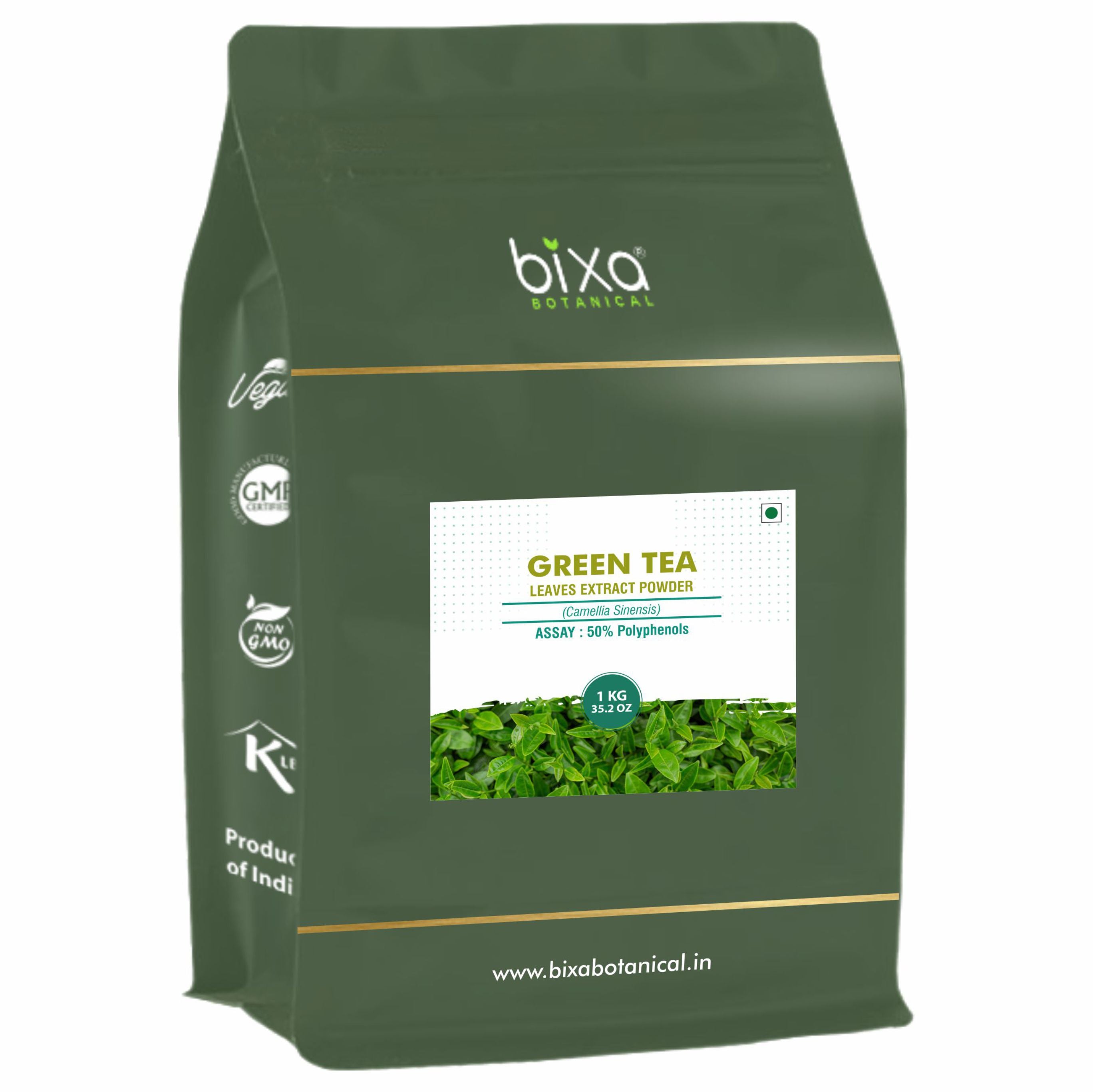
Alternatively, you can prepare a homemade extract.
Homemade Camellia sinensis leaf extract
Use the following method to make a glycerin-based Camellia sinensis leaf extract at home.
Ingredients
- 10 grams of ground green tea leaves
- 80 mL of glycerin
- water
Supplies
- a fine mesh filter or food-grade oil filter
- a dark, airtight storage bottle with at least 150 mL capacity
Directions
- Place 10 grams of ground green tea leaves in a pot and cover with water. If you have larger leaves, grind them first.
- Bring to a gentle boil, cover, and simmer for at least 30 minutes and up to 2 hours.
- Strain the liquid through a fine filter or food-grade oil filter to remove the leaves.
- Separate the solids, leaving a concentrated tea extract that should be diluted.
- To achieve an 80% glycerin solution, add 20 mL water to 80 mL glycerin. This dilution helps produce an extract with a 3–5 year shelf life.
- Mix thoroughly and transfer into the storage container.
Antioxidants in the extract are sensitive to light and oxygen, so keep the product in a sealed, dark container to slow degradation (17).
Always consult a healthcare professional before buying or consuming Camellia sinensis leaf extract.
Summary: Camellia sinensis leaf extract is commonly used for weight management and skin care. You can purchase it or prepare your own extract at home.
The bottom line
Camellia sinensis leaf extract is the concentrated oil or phytochemical extract from tea leaves.
It is rich in bioactive substances such as catechins, L-theanine, and caffeine, and research links it to several potential health benefits.
The extract may support immune function, reduce stress and anxiety, and aid weight management.
However, it can cause side effects like jitters, nausea, skin reactions, and — rarely — liver toxicity.
If you’re considering trying it, consult a healthcare provider first. You can purchase Camellia sinensis leaf extract online or make it yourself.

















Leave a Reply
You must be logged in to post a comment.