
Celiac disease is an autoimmune disorder that severely harms the lining of the small intestine. Its symptoms are set off by gluten — a protein present in wheat, barley, and rye.
There is no cure for celiac disease at this time. The only effective treatment is a strict gluten-free eating plan — often called the celiac disease diet — which allows the body to recover.
Even tiny amounts of gluten can continue to damage the intestines in people with celiac disease, even when symptoms are not noticeable (1).
Avoiding gluten is vital for those with celiac disease, but it can be more challenging than it appears.
This article outlines the advantages of the celiac disease diet and provides lists of safe and unsafe foods, a sample weekly menu, and practical suggestions.

What Is the Celiac Disease Diet?
Anyone diagnosed with celiac disease must adopt the celiac disease diet.
The plan involves eliminating gluten, a naturally occurring protein found in several grains, notably wheat, barley, and rye (2).
When an individual with celiac disease ingests gluten, their immune system mounts a response that damages the small intestine’s lining.
Consequently, the small intestine cannot absorb nutrients effectively, causing symptoms such as diarrhea, unintended weight loss, and malnutrition (3).
The only way to stop this injury is to strictly adhere to a gluten-free celiac disease diet.
Summary: The celiac disease diet eliminates gluten-containing foods to stop autoimmune damage to the intestines in people with celiac disease.
Potential Benefits
The celiac disease diet is mandatory for people with celiac disease and offers multiple benefits.
Reduces the Symptoms of Celiac Disease
Many individuals with celiac disease suffer uncomfortable symptoms, including diarrhea, indigestion, abdominal pain, fatigue, and headaches (4).
Following a gluten-free diet for at least a year has been shown to ease these symptoms in more than 90% of people with celiac disease, markedly improving quality of life (5, 6, 7).
Gastrointestinal issues like diarrhea often resolve fastest — some people feel better within two days of starting a gluten-free diet.
On average, noticeable improvements in bowel habits, bloating, and abdominal discomfort occur within about one month (8).
Prevents Small Intestinal Damage
For those with celiac disease, ingesting gluten triggers an immune response that harms the small intestine, the organ responsible for nutrient absorption.
By avoiding gluten, this immune reaction is halted, allowing the small intestine to repair and resume normal function.
Healing takes time, so initiating a gluten-free diet as early as possible is beneficial.
One study found that up to 95% of children with celiac disease who followed a gluten-free diet for two years showed no signs of intestinal damage (9).
Recovery is generally slower in adults, with 34–65% showing gut healing within two years.
However, that proportion rises to at least 66% — and as high as 90% — after five or more years on a strict gluten-free diet (9, 10).
Vigilance is crucial: even minimal gluten exposure can inhibit intestinal healing (11).
Improves Nutrient Absorption
Nutrient shortfalls are common in people with celiac disease because the damaged small intestine fails to absorb vitamins and minerals properly.
Deficiencies in iron, calcium, magnesium, zinc, vitamin B12, niacin, riboflavin, folate, and fat-soluble vitamins A, D, E, and K are frequently observed (12, 13).
Unexplained iron-deficiency anemia is one of the most common signs of celiac disease in adults (14).
Supplementation may not correct deficiencies if the intestines remain damaged and cannot absorb nutrients (15).
Adopting a gluten-free diet has been shown to heal the intestines enough to resolve iron-deficiency anemia within six to twelve months, even without supplements (16).
Improves Fertility
Women with celiac disease have higher infertility rates and may face an increased risk of miscarriage compared with women without the disorder (17, 18).
Evidence suggests the autoimmune reaction to gluten may play a role (19).
Strict adherence to a gluten-free diet has been associated with improved fertility and lower miscarriage rates (19, 20).
May Reduce Cancer Risk
Celiac disease is linked to about a threefold increased risk of non-Hodgkin’s lymphoma — a serious cancer affecting the lymphatic system (21).
Some studies indicate that early diagnosis and following a gluten-free diet may lower this risk, though additional research is required (22, 23, 24).
Lowers the Risk of Osteoporosis
Up to 75% of people with untreated celiac disease exhibit reduced bone density and a higher chance of osteoporosis (25).
This may result from impaired calcium and vitamin D absorption, along with inflammation that disrupts bone formation (26).
Research shows that detecting celiac disease early and beginning a gluten-free diet can help prevent bone loss and lower the long-term risk of osteoporosis (26, 27).
Summary: Adhering to a gluten-free diet offers many advantages for people with celiac disease, such as symptom relief, intestinal healing and improved nutrient uptake, plus reduced risks of infertility, certain cancers, and osteoporosis.
Foods to Eat
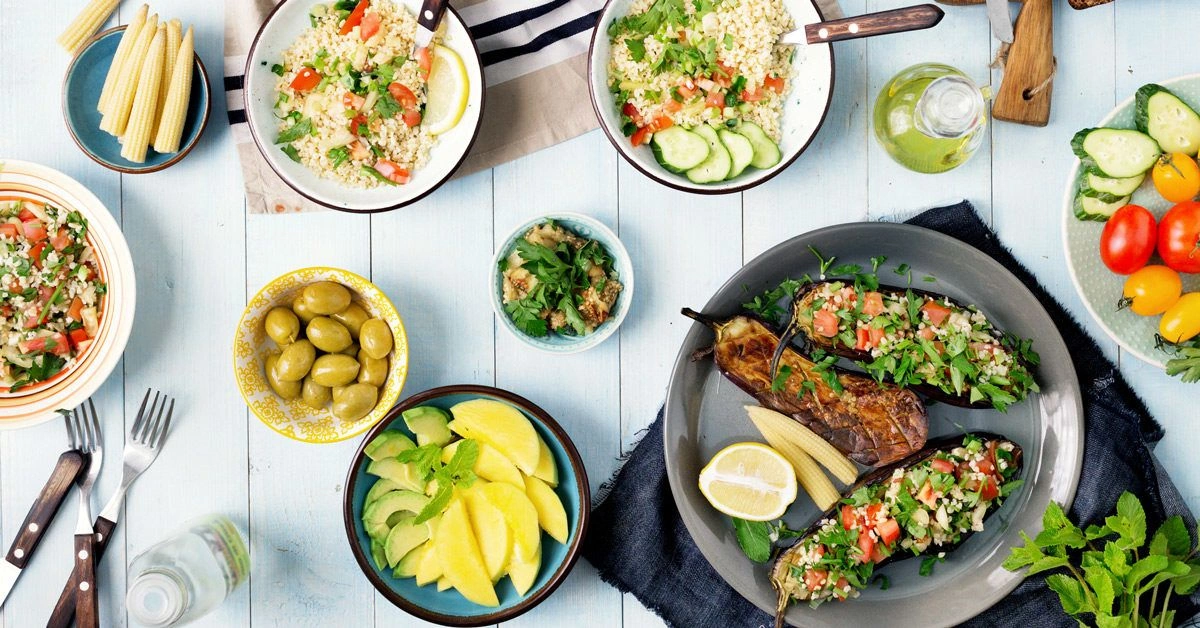
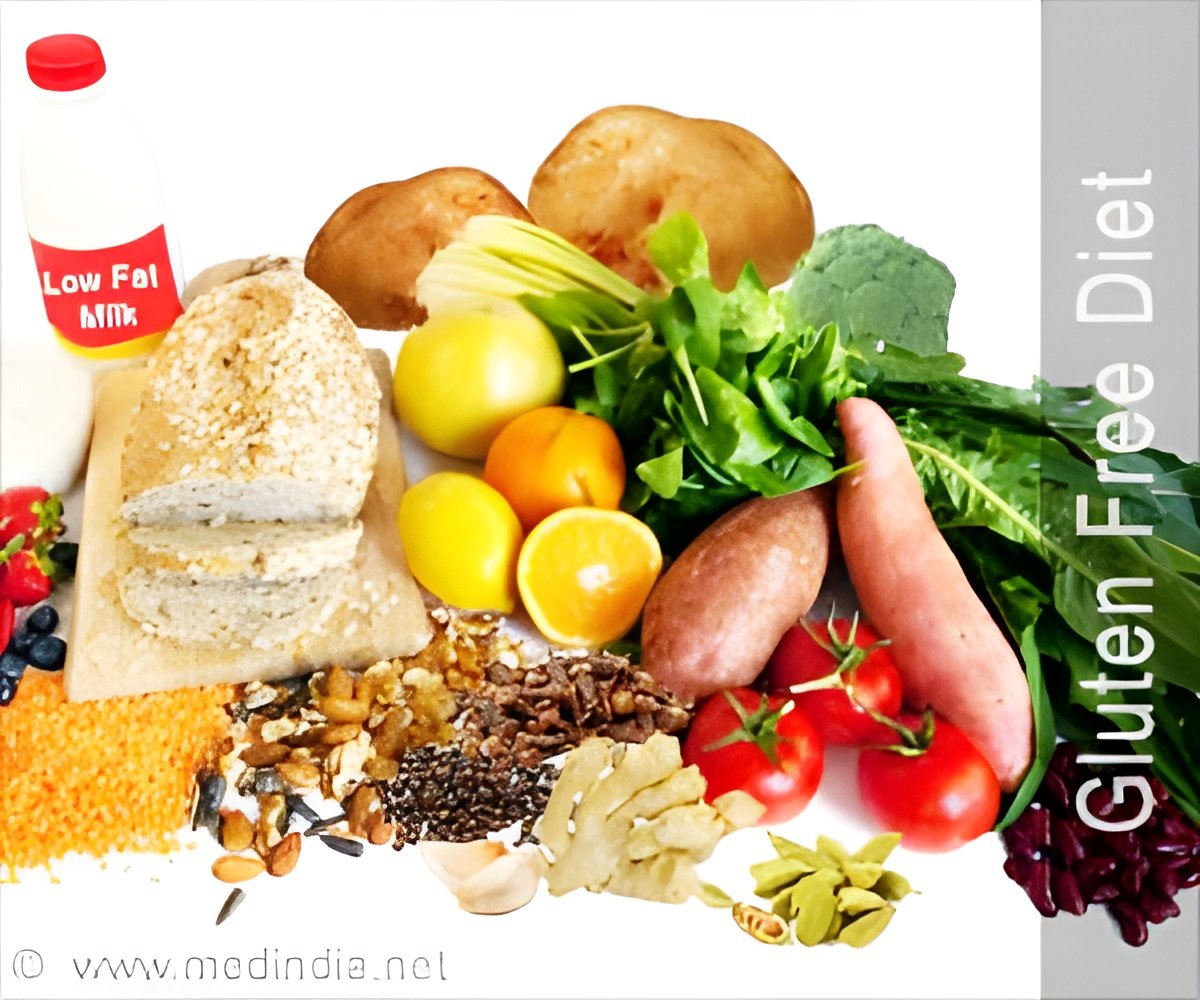
Many foods are naturally free of gluten and suitable for the celiac disease diet, including (13):
- Animal proteins: Beef, chicken, dairy, eggs, game meats, lamb, pork, seafood, and turkey.
- Fats and oils: Avocado, coconut oil, olives, various oils, solid fats, and butter.
- Fruits and vegetables: Any variety, whether fresh, frozen, dried, or canned.
- Gluten-free grains and pseudocereals: Amaranth, buckwheat, corn, millet, quinoa, rice, sorghum, teff, and wild rice.
- Herbs and spices: All fresh and dried herbs and spices are naturally gluten-free and can be used freely.
- Legumes: Beans, lentils, peanuts, peas, and soy products.
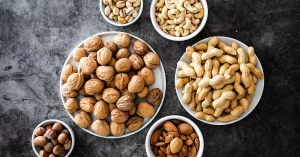
- Nuts and seeds: All types, such as almonds, cashews, chia, flax, pecans, pepitas, pine nuts, and walnuts.
There are also many specialty items available, like gluten-free breads, cereals, flours, crackers, pastas, and baked goods.
Summary: Animal proteins, fruits, vegetables, nuts, seeds, legumes, herbs, and spices are naturally gluten-free. A variety of gluten-free grains and specialty products are also available.
Foods to Avoid
On the celiac disease diet, avoid foods that contain gluten.
Grains that naturally contain gluten include (13):
- Wheat
- Dinkel
- Durum
- Einkorn
- Emmer
- Farina
- Farro
- Graham
- Khorasan (KAMUT®)
- Semolina
- Spelt
- Wheat berries
- Wheat germ
- Wheat bran
- Barley
- Rye
- Triticale (a wheat–rye hybrid)
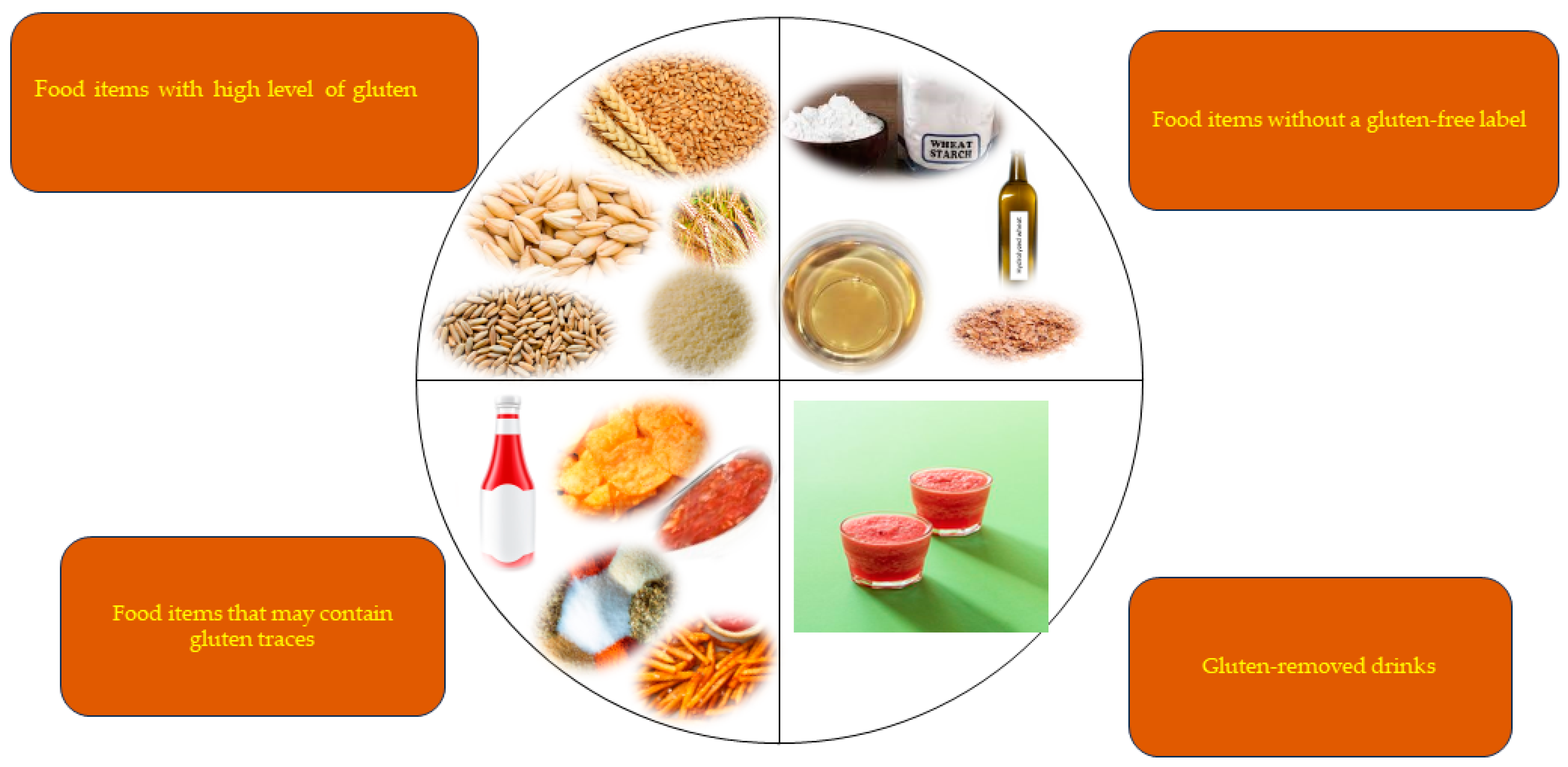
Products containing these ingredients include:
- Breakfast and baked goods: Bagels, biscuits, bread, cornbread, crepes, croissants, donuts, flatbreads, flour tortillas, French toast, muffins, naan, pancakes, pita, potato bread, rolls, and waffles.
- Desserts: Brownies, cakes, cookies, pastries, pie crusts, and certain candies.
- Pasta: Chow mein, couscous, dumplings, egg noodles, gnocchi, ramen, ravioli, soba, udon, and wheat-based pasta.
- Snacks: Crackers, graham crackers, and pretzels.
- Some beverages: Beer and other drinks made from malt.
- Other: Breadcrumbs, croutons, wheat flour, barley flour, rye flour, gravy, malt flavoring/extract, panko, sauces thickened with flour, soy sauce, stuffing, and any foods with a flour coating (e.g., chicken tenders, tempura).
Foods often at risk for cross-contamination with gluten include:
- Commercially fried foods: Many establishments use the same fryer for multiple items, which can contaminate gluten-free options like fries.
- Improperly handled gluten-free dishes at restaurants: Gluten-free meals should be prepared using designated equipment and clean gloves.
- Oats: Often processed on the same machinery as gluten-containing grains and may be contaminated unless labeled gluten-free.
Foods that commonly contain hidden gluten include:
- Brown rice syrup: While brown rice is gluten-free, the syrup may be manufactured with barley malt, which contains gluten. Choose gluten-free labeled versions.
- Chips: May be dusted with flour or contain malt vinegar — always read labels.
- Ice creams and frozen yogurts: Beware of cookie, cake, or brownie mix-ins.
- Lunch meats: Some brands add starches that include gluten.
- Marinades and dressings: May include malt vinegar, soy sauce, or flour as ingredients.
- Meat substitutes: Seitan, some veggie burgers, veggie sausages, imitation bacon, and imitation seafood often contain gluten.
- Meats: Some processed meat blends contain gluten or are marinated with gluten-containing products.
- Seasoning packets: Can contain gluten-containing starches or flour.
- Soup: Watch for flour thickeners (common in creamy soups) or barley.
- Stock, broth, and bouillon: Certain varieties contain flour.
Summary: Avoid wheat, barley, and rye on the celiac disease diet, along with any products made from these grains or contaminated with gluten.
Sample Gluten-Free Menu
Monday
- Breakfast: Hard-boiled eggs with fresh fruit and almonds.
- Lunch: Lettuce wrap filled with gluten-free deli meat, potato chips, and guacamole.
- Dinner: Shrimp and vegetable stir-fry with tamari (gluten-free soy sauce) over rice.
Tuesday
- Breakfast: Plain Greek yogurt topped with sliced fruit, nuts, and honey.
- Lunch: Leftover stir-fry.
- Dinner: Chicken tacos with sautéed peppers and onions in corn tortillas, served with refried beans and salsa.
Wednesday
- Breakfast: Gluten-free toast with avocado and a fried egg.
- Lunch: Tuna-stuffed avocados with a side of sugar snap peas and trail mix.
- Dinner: Baked chicken with lentil pasta, marinara sauce, and roasted vegetables.
Thursday
- Breakfast: Fruit smoothie made with plain Greek yogurt.
- Lunch: Leftover chicken and lentil pasta.
- Dinner: Dinner bowl with quinoa, sautéed kale, avocado, and sweet potatoes topped with herbed tofu dressing.
Friday
- Breakfast: Overnight oats made with gluten-free oats, your choice of milk, nuts, coconut, and blueberries.
- Lunch: Spinach salad with quinoa, chickpeas, vegetables, and an olive oil dressing.
- Dinner: Pizza prepared with a gluten-free crust.
Saturday
- Breakfast: Bacon and eggs with breakfast potatoes and berries.
- Lunch: Leftover pizza and a side salad.
- Dinner: Baked salmon with steamed vegetables and brown rice.
Sunday
- Breakfast: Omelet with mushrooms, peppers, and onions, plus a piece of fruit.
- Lunch: Vegetarian chili topped with cheddar, green onion, and avocado.
- Dinner: Roast beef with potatoes, carrots, and onions.
Summary: You don’t have to overhaul your meals for a gluten-free diet. Many substitutes exist for staples like bread, pasta, and soy sauce.
Potential Pitfalls and Helpful Tips
Following a gluten-free diet is fairly straightforward, but there are several common pitfalls to watch for.
Nutrient Deficiencies
In the US, wheat-based products such as bread, crackers, and pasta are often fortified with B vitamins like niacin, thiamine, riboflavin, and folic acid (28).
Gluten-free versions of these items are not required to be fortified, which could raise the risk of vitamin and mineral shortfalls if you rely heavily on these products (29, 30).
Whole-grain wheat, barley, and rye are good fiber sources, so it’s important to include other fiber-rich foods like oats (gluten-free labeled), beans, and legumes when avoiding gluten (31).
Expenses
Gluten-free specialty items — breads, baked goods, crackers, and pasta — can be more than twice the price of their wheat-based counterparts (32).
However, these specialty foods are not essential. You can meet nutritional needs affordably by choosing naturally gluten-free whole foods.
If you need meal ideas, search online for gluten-free recipes or pick up a gluten-free cookbook online or from a library or bookstore.
Less Flexibility
Although gluten-free options are increasingly common in stores and restaurants, the celiac disease diet can sometimes feel restrictive and isolating (33).
This is particularly true during social events involving food, like weddings, parties, or dining out with friends (34, 35).
Still, the diet becomes easier with time and practice; research suggests most people adapt within about five years (36).
To make eating out simpler, review menus online ahead of time, call restaurants to confirm gluten-free choices, or bring a gluten-free dish to social gatherings.
Keeping a positive mindset and concentrating on foods you can enjoy instead of what you must avoid will make the celiac disease diet more manageable.
Summary: Common issues with the celiac disease diet include potential nutrient gaps, higher costs for specialty products, and limited flexibility when dining away from home. Eating balanced, naturally gluten-free foods and planning ahead can reduce these challenges.
The Bottom Line
The celiac disease diet is a gluten-free regimen that eases symptoms, enables intestinal healing, improves nutrient absorption, and lowers the risks of infertility, certain cancers, and osteoporosis.
Avoid wheat, barley, rye, and any products made with these grains, and emphasize naturally gluten-free foods and grains instead.
Although the celiac disease diet may seem costly and restrictive at first, preparation and openness to new foods can make the transition smoother and more enjoyable.



















Leave a Reply
You must be logged in to post a comment.