
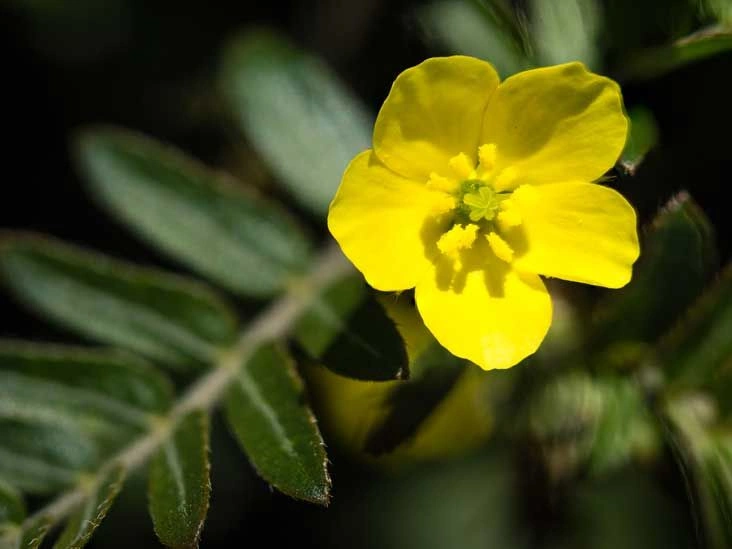
Research indicates Tribulus terrestris might assist in managing blood glucose and cholesterol in individuals with type 2 diabetes.
Many widely used dietary supplements today are derived from plants with centuries of medicinal use.
One such herb is Tribulus terrestris, claimed to offer numerous health advantages, including lower blood sugar and cholesterol, altered hormonal levels and enhanced sexual function and libido.
This article covers what you should know about this plant, its possible health effects and whether you should think about taking it as a supplement.
What Is Tribulus Terrestris?
Tribulus terrestris is a small, leafy herb. It’s also referred to as puncture vine, Gokshura, caltrop and goat’s head (1).
It grows across many regions, including parts of Europe, Asia, Africa and the Middle East (2).
Both the root and fruit have a history of medicinal use in Traditional Chinese Medicine and Indian Ayurveda (3).
Historically, the plant has been used for various purported effects, such as boosting libido, supporting urinary tract health and reducing swelling (3).
Today, Tribulus terrestris is commonly sold as a general wellness supplement and is often an ingredient in products marketed to raise testosterone (4).
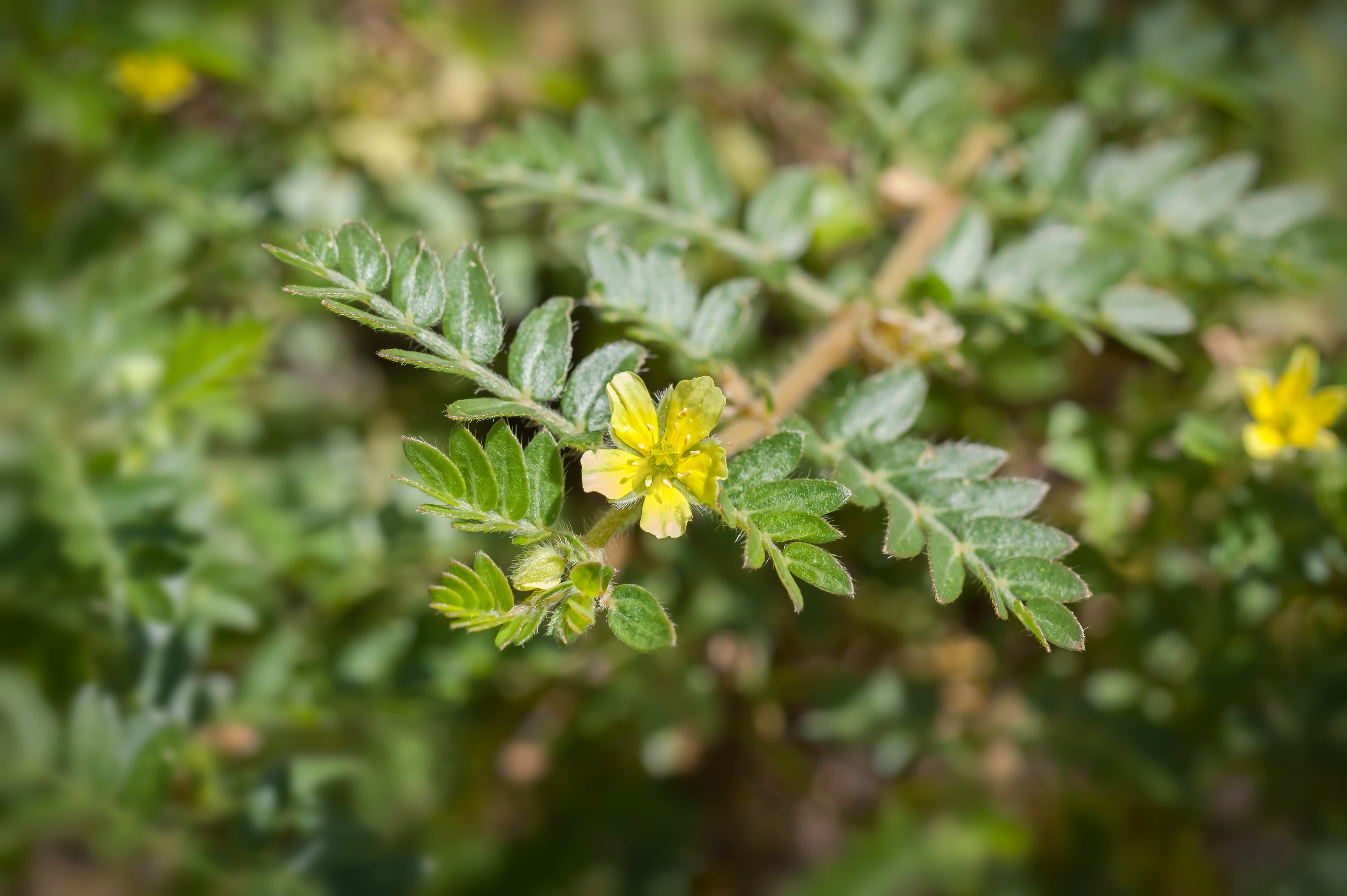
Summary: Tribulus terrestris is a plant with a long history of traditional use. It’s popular as an all-purpose supplement and appears frequently in testosterone-boosting formulas.
Possible Effects on Heart Health and Blood Sugar
Although many take Tribulus terrestris for sexual health or testosterone-related reasons, researchers have also examined other potential benefits.
One trial evaluated 1,000 mg of Tribulus terrestris per day in 98 women with type 2 diabetes.
After three months, those taking the supplement showed reductions in blood sugar and cholesterol compared with placebo recipients (5).
Animal experiments have similarly suggested that Tribulus terrestris may lower blood glucose, protect blood vessels and prevent rises in blood cholesterol (6, 7).
While these early results are encouraging, additional human studies are required before recommending the herb for these purposes.
Summary: Early evidence suggests Tribulus terrestris might help improve glucose control and cholesterol in people with diabetes, but human research is limited.
It Does Not Raise Testosterone in People
A quick search reveals many Tribulus terrestris products marketed to enhance testosterone.
A review pooled results from 12 primary studies in men and women aged 14–60. Study durations ranged from 2 to 90 days and included healthy participants and those with sexual dysfunction.
The reviewers concluded the supplement did not increase testosterone levels (4).
Some animal studies report testosterone increases with Tribulus terrestris, but these findings are generally not replicated in human trials (8).
Summary: Despite advertising claims, Tribulus terrestris does not seem to elevate testosterone in humans, based on studies across different ages and health statuses.
Tribulus Terrestris May Improve Libido
Even if it doesn’t boost testosterone, the herb might enhance sexual desire.
Researchers observed that men with low libido who took 750–1,500 mg of Tribulus terrestris daily for two months reported a 79% increase in sexual desire (4, 9).
Likewise, 67% of women with very low libido experienced increased desire after supplementing with 500–1,500 mg daily for 90 days (4).
Other trials have reported improved sexual desire, arousal and satisfaction in women with diminished libido when given supplements containing the herb (10).
Research results for men with erectile dysfunction are mixed.
Some studies indicate 800 mg per day may not effectively treat erectile dysfunction (11), while other reports show notable improvements in erections and sexual satisfaction with 1,500 mg per day (12).
Overall, Tribulus terrestris appears likely to enhance libido in both sexes, but more research is needed to determine the magnitude and consistency of these effects.
Summary: Studies suggest Tribulus terrestris may raise sexual desire in men and women with low libido. Findings for erectile dysfunction are inconsistent, with higher doses showing more promise.
No Benefit for Body Composition or Athletic Performance
Many physically active people use Tribulus terrestris hoping it will improve body composition by building muscle or reducing fat (13).
This expectation may stem from the herb’s reputation as a testosterone booster, although evidence does not support that claim.
Research on whether the herb enhances body composition or athletic performance is sparse and largely negative.
One study looked at elite male rugby players who took the supplement during five weeks of resistance training. At the study’s end, there were no differences in strength or body composition gains between those taking the herb and those on placebo (14).
Another trial found eight weeks of supplementation alongside exercise did not improve body composition, strength or muscle endurance more than placebo (15).
No research is available specifically on exercising women, but it’s probable that similar results would be seen.
Summary: Tribulus terrestris does not appear to enhance muscle growth, reduce fat or boost exercise performance beyond placebo.
Other Possible Actions
Beyond the effects already discussed, Tribulus terrestris may have several other actions in the body:
- Fluid balance: The herb may act as a diuretic and increase urine output (16).
- Immune function: In rats, immune activity increased after administration of the supplement (17).
- Brain effects: As part of a multi-ingredient formula, Tribulus terrestris showed potential antidepressant effects in mice (18).
- Inflammation: Test-tube research revealed possible anti-inflammatory activity (19).
- Pain relief: High doses provided analgesic effects in rats (20).
- Cancer: In vitro studies have indicated potential anti-cancer activity (21).
However, most of these observations come from animal models or laboratory studies, and the supporting evidence is limited (3).
Substantial additional research in animals and humans is necessary to confirm whether these effects occur in people.
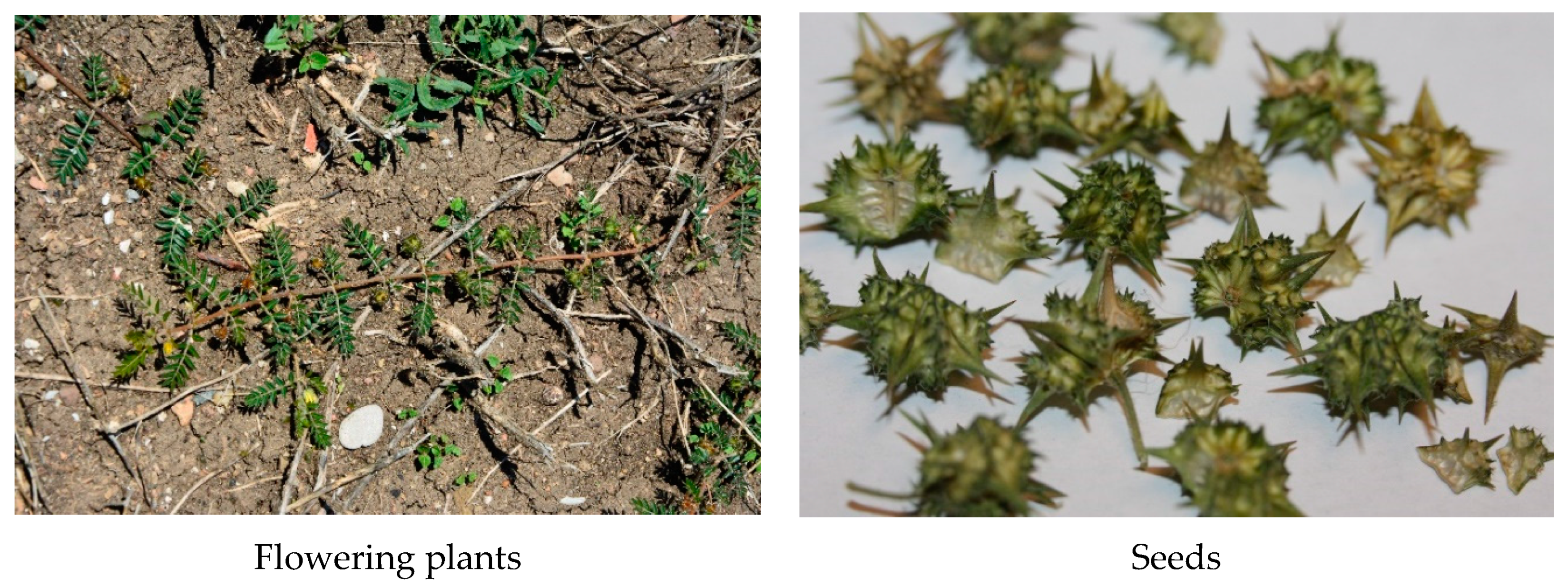
Summary: Although many claims are made about Tribulus terrestris, the evidence for most effects is minimal and largely confined to animal or laboratory studies rather than human trials.
Dosage, Safety and Adverse Effects
Researchers have tested a wide range of dosages of Tribulus terrestris.
Studies assessing blood sugar-lowering effects used 1,000 mg per day, whereas libido trials used 250–1,500 mg daily (4, 5).
Some studies dosed based on body weight, for example 4.5–9 mg per pound (10–20 mg per kg) of body mass.
Thus, a person weighing about 155 pounds (70 kg) might take roughly 700–1,400 mg daily (4).
If you’re interested in trying Tribulus terrestris, a variety of products are available on Amazon.
Saponins in Tribulus Terrestris
Saponins are chemical constituents in Tribulus terrestris believed to be responsible for many of its effects.
Supplement labels often state the dose and the percentage of saponins, indicating how much of the product consists of these compounds.
Many supplements contain 45–60% saponins. A higher saponin percentage means the preparation is more concentrated, so a smaller dose may be appropriate.
Side Effects Are Generally Minor
Multiple trials using different dosages have reported few side effects and no major safety issues (12, 22).
Occasional adverse effects include mild stomach cramps or reflux (10, 12, 22).
However, animal research has raised concerns about potential kidney damage, and one human case of toxicity linked to Tribulus terrestris—reported by a man using it to prevent kidney stones—has been documented (23, 24).
Overall, most studies do not indicate serious harm from the supplement, but it’s important to weigh possible risks and benefits.
If you plan to use Tribulus terrestris, consult your healthcare provider to determine an appropriate dose.
Summary: Most research reports minimal side effects from Tribulus terrestris, though occasional stomach upset and rare toxicity cases have been noted.
The Bottom Line
Tribulus terrestris is a small herb long used in Traditional Chinese and Indian medicine.
Although many health claims exist, most have only been investigated in animals.
In humans, limited evidence suggests it may improve blood sugar and cholesterol in people with type 2 diabetes.
While it does not raise testosterone, Tribulus terrestris may enhance libido in both men and women.
It does not appear to improve body composition or athletic performance.
Most studies find the supplement to be safe with only minor side effects, but there have been rare reports of toxicity.
As with any supplement, consider the possible benefits and risks before using Tribulus terrestris.
















Leave a Reply
You must be logged in to post a comment.