

Most individuals regain a portion of the weight they lost after discontinuing semaglutide. That said, consistent physical activity and a nutritious, balanced eating pattern may support keeping at least some of the weight off.

Semaglutide is the active ingredient found in Wegovy, Ozempic, and Rybelsus. At present, only Wegovy has approval in the United States specifically for weight loss. Semaglutide is also widely prescribed to help manage type 2 diabetes.
This medication works by decreasing appetite and increasing feelings of fullness, which can contribute to weight reduction over time. However, once treatment ends, many people experience an increase in appetite again, making weight regain more likely. This is why conversations around Stopping and restarting Ozempic for weight loss have become increasingly common.
You may be able to preserve some — or even much — of your weight loss if you incorporate sustainable weight management strategies during semaglutide therapy and continue them after stopping the medication. Planning ahead for Stopping and restarting Ozempic for weight loss can also make the transition smoother and help set realistic expectations.
Semaglutide use and weight loss
Semaglutide is a glucagon-like peptide-1 (GLP-1) receptor agonist that helps balance blood sugar (glucose) levels, reduces appetite, and enhances feelings of satiety.
The Food and Drug Administration (FDA) has approved three brand-name versions of semaglutide for different indications:
- Wegovy: FDA-approved for weight loss and lowering the risk of cardiovascular disease.
- Ozempic: FDA-approved for treating type 2 diabetes only.
- Rybelsus: FDA-approved for treating type 2 diabetes only.

In some cases, healthcare professionals prescribe Ozempic and Rybelsus for off-label use in weight management. “Off-label” indicates that a medication is being used for a purpose other than the one it received official approval for.
Because Ozempic is commonly used off-label for weight reduction, many people have questions about stopping therapy, restarting it, and the potential metabolic consequences. Understanding how GLP-1 receptor agonists function can clarify why weight regain sometimes occurs.
Is it possible to keep weight off after stopping semaglutide?
Yes, maintaining weight loss after semaglutide is achievable, but long-term success typically depends on additional lifestyle and behavioral strategies.
Even when healthy habits are in place, many people regain weight after discontinuing semaglutide. This phenomenon is often described as “Ozempic rebound,” though it can occur with any semaglutide brand.
“The research shows that it is very challenging for most individuals to maintain weight loss after stopping Wegovy,” said Dr. Melissa Grant, an obesity medicine specialist based in Boston. “This can happen even when they continue the same nutrition and exercise patterns that helped them lose weight.”
Dr. Grant emphasized that regaining weight after semaglutide does not reflect a lack of effort or willpower. Instead, it’s largely driven by physiological changes — specifically, increased hunger and reduced satiety once the medication is no longer active in the body.
For people concerned about Side effects of Ozempic after stopping, weight regain is only one potential issue. Appetite fluctuations, digestive changes, and shifts in blood sugar regulation may also occur.
If you’re thinking about Stopping and restarting Ozempic for weight loss, the strategies below may help reduce the likelihood or severity of weight regain.
Keep up your exercise routine
Although regaining some weight is common after stopping semaglutide, staying physically active may lessen how much weight returns.
A post-treatment analysis from 2024 found that individuals who continued exercising after stopping GLP-1 receptor agonists experienced less weight regain compared to those who became less active.
The Centers for Disease Control and Prevention (CDC) advises adults to aim for at least 150 minutes of moderate-intensity aerobic exercise weekly along with 2 days of strength training.
However, for weight loss maintenance after semaglutide, higher levels of activity may be beneficial.
“I encourage patients to gradually build up their activity levels from the start,” Dr. Grant explained. “Our long-term objective is at least 250 minutes per week of moderate-intensity physical activity, which research suggests supports weight maintenance.”
Combining cardiovascular exercise with resistance training may help preserve lean muscle mass, which plays a key role in maintaining metabolic rate after weight loss.
Read about 8 effective exercises for weight loss.
Mimic fullness through food choices
Semaglutide delays gastric emptying, helping you feel satisfied for a longer period after eating.
After stopping semaglutide, Dr. Grant suggests recreating that sense of fullness by prioritizing protein at each meal.
Protein-rich foods can slow digestion and enhance satiety. She also recommends consuming “plenty of produce, which adds volume to meals with fewer calories because of its high water and fiber content.”
Incorporating fiber from vegetables, fruits, legumes, and whole grains may further stabilize blood sugar and help control hunger between meals. Thoughtful meal planning can be especially helpful for those navigating Stopping and restarting Ozempic for weight loss to avoid rapid changes in appetite.
Here are 16 high protein foods for weight loss.
Continue with professional guidance
Partnering with healthcare professionals — such as an obesity medicine specialist, registered dietitian, or certified personal trainer — can provide structure and accountability for long-term weight management.
Ongoing medical supervision is particularly important if you are considering restarting semaglutide. A clinician can evaluate whether resuming therapy is appropriate, review dosing, and discuss alternatives if needed. If your goal is sustainable results, learning How to not gain weight after stopping Ozempic may also provide practical guidance.
Read about how to talk with a doctor about losing weight.
How long can you stay on semaglutide?
In clinical trials, semaglutide has been studied for weight loss for up to 104 weeks, or 2 years.
Ozempic and Rybelsus are designed for long-term management of type 2 diabetes. The appropriate duration of Wegovy use for obesity varies depending on individual health goals, medical history, response to treatment, and potential side effects.
Your prescribing clinician should work with you to develop a personalized treatment plan that can be reviewed and modified over time.
Read about the possible withdrawal symptoms of semaglutide.
Can you take semaglutide more than once?
If you discontinue semaglutide and regain weight, it is possible to restart treatment under medical supervision. However, the medication is not intended as a short-term solution to be cycled on and off simply to lose a few pounds.
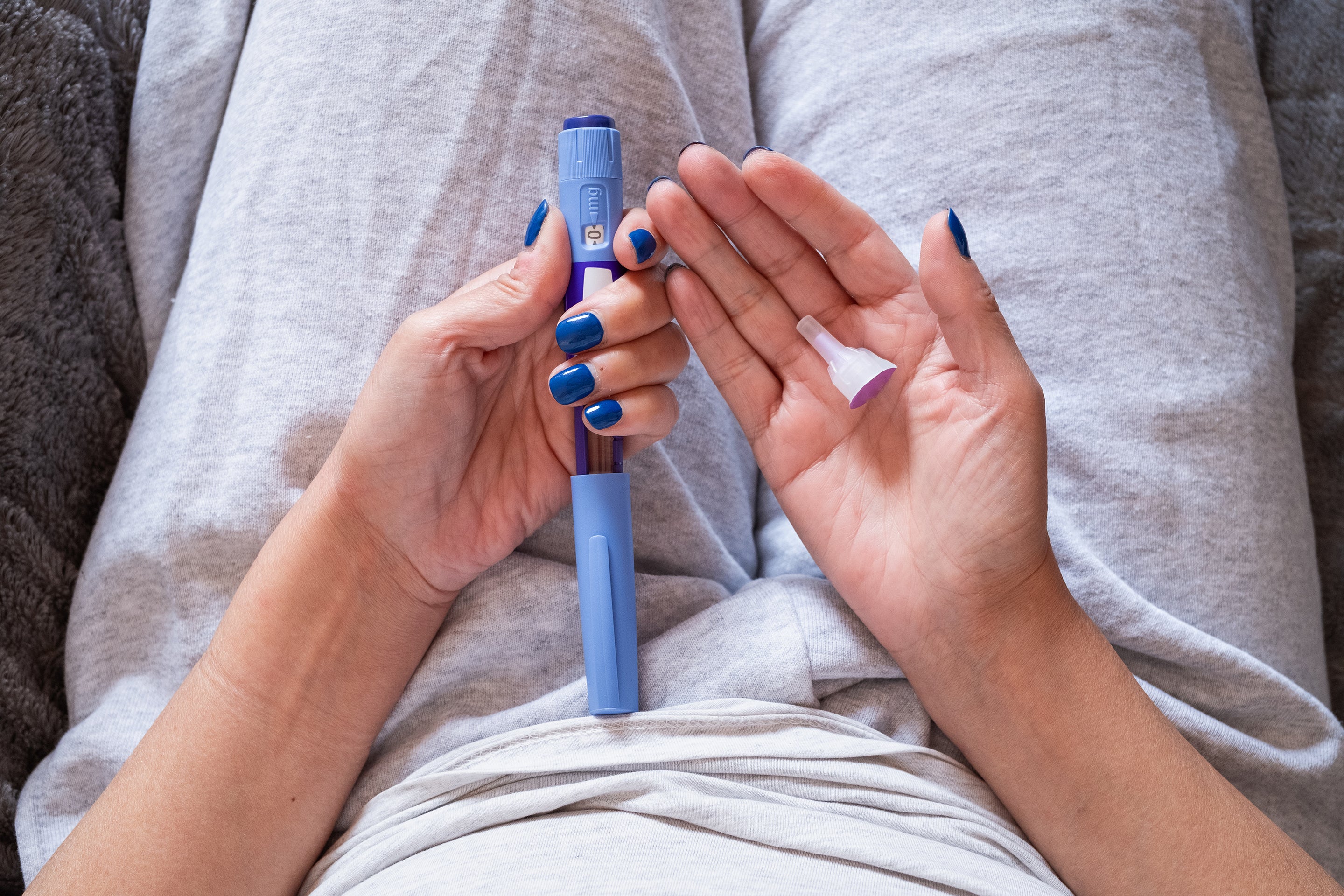
“Wegovy is meant for long-term use in both weight loss and weight maintenance,” Dr. Grant noted. “It shouldn’t be initiated with the plan to stop and restart repeatedly if weight returns. Be cautious of providers who suggest it can be used briefly with permanent results.”
She recommends viewing Wegovy similarly to medications prescribed for other chronic conditions.
“Obesity is a chronic disease. When we use medications to treat it, they are generally intended for ongoing use, just like treatments for other chronic illnesses,” she said. “For example, we don’t discontinue high blood pressure medications once blood pressure improves.”
Understanding this long-term perspective can help set realistic expectations around Stopping and restarting Ozempic for weight loss and reduce frustration if weight fluctuates.
Learn more about Wegovy for weight loss.
What to do if you gain weight back quickly
If you notice rapid weight regain after stopping semaglutide, Dr. Grant advises reviewing what has changed since ending treatment.
“Have certain behaviors shifted — such as no longer tracking meals or reducing physical activity?” she suggested.
Sometimes lifestyle adjustments occur gradually and go unnoticed until weight begins to increase.
To identify patterns that may be contributing to weight gain, consider resuming daily food logging, maintaining an activity journal, and consulting a healthcare professional to rule out other medical causes.
While restarting semaglutide may be appropriate for some individuals, not everyone responds equally to Wegovy. Other weight loss medications or comprehensive lifestyle programs may offer better outcomes depending on your medical profile and preferences.
The bottom line
Many people experience some degree of weight regain after discontinuing semaglutide, but maintaining your progress is possible with consistent effort and support.
Remaining proactive with exercise, balanced nutrition, behavioral strategies, and medical follow-up can reduce the risk of regaining weight after stopping semaglutide. For those considering Stopping and restarting Ozempic for weight loss, working closely with a qualified healthcare provider is key to developing a safe, sustainable, and individualized plan.





















Leave a Reply
You must be logged in to post a comment.