
Roughly 1% to 10% of all basal cell carcinomas progress to an advanced stage. Failing to seek medical evaluation for suspicious skin changes is a major contributor to the development of advanced skin cancer.
Basal cell carcinoma (BCC) is a form of skin cancer. Together with squamous cell carcinoma (SCC), it represents the most frequently diagnosed type of cancer overall.
The American Cancer Society (ACS) estimates that approximately 5.4 million basal or squamous cell carcinomas are diagnosed in the United States annually. About 80% of these cases are BCC.
In many individuals, BCC remains confined to one area of the skin. In uncommon situations, however, it can invade deeper surrounding tissues or spread to distant parts of the body. This stage is referred to as advanced BCC. Reviewing Pictures of advanced basal cell carcinoma can help illustrate how these more serious cases may appear compared with early lesions.
This article explains what advanced BCC is, outlines symptoms to watch for, and discusses how it is diagnosed and treated.
What is advanced basal cell carcinoma?
BCC is considered advanced when it extends into deeper nearby tissues or spreads to distant organs. It’s estimated that 1% to 10 % of BCCs progress to this stage.
When advanced BCC grows beyond the original lesion and infiltrates adjacent skin or underlying structures, it’s called locally advanced BCC. Although it remains near the initial site, the depth and extent of involvement can make management more complex.
If advanced BCC travels from the primary tumor to distant tissues, it’s termed metastatic BCC. This presentation is extremely uncommon, accounting for less than 1% of all BCCs.
The most common site of metastasis for BCC is the lymph nodes, though it may also spread to the bones, lungs, or liver in rare cases.
How can you tell if it’s advanced basal cell carcinoma?
Advanced BCC usually develops from a preexisting lesion that was not treated or that returned after therapy. It most often appears on areas with significant sun exposure, including the:
- face
- scalp
- ears
- neck
- shoulders or upper back
BCC can look different from person to person. Common presentations include:
- a slightly raised, scaly patch that may appear irritated
- a sore or pimple-like growth that fails to heal and may bleed or ooze
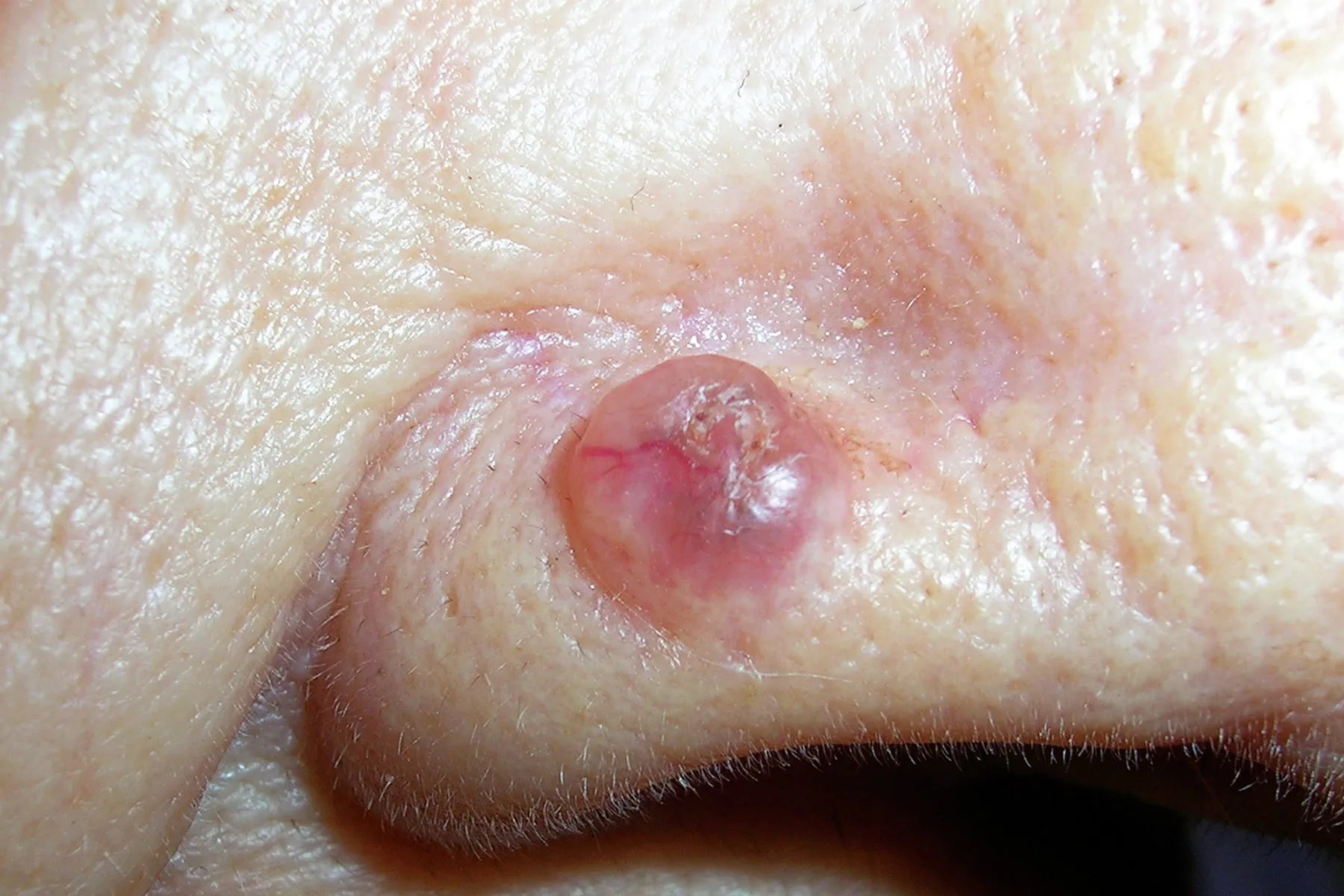
- a pearly or shiny bump similar in color to your skin and sometimes mistaken for a mole
- a pink or reddish lesion with a depressed center
- a flat, firm, waxy area that resembles a scar
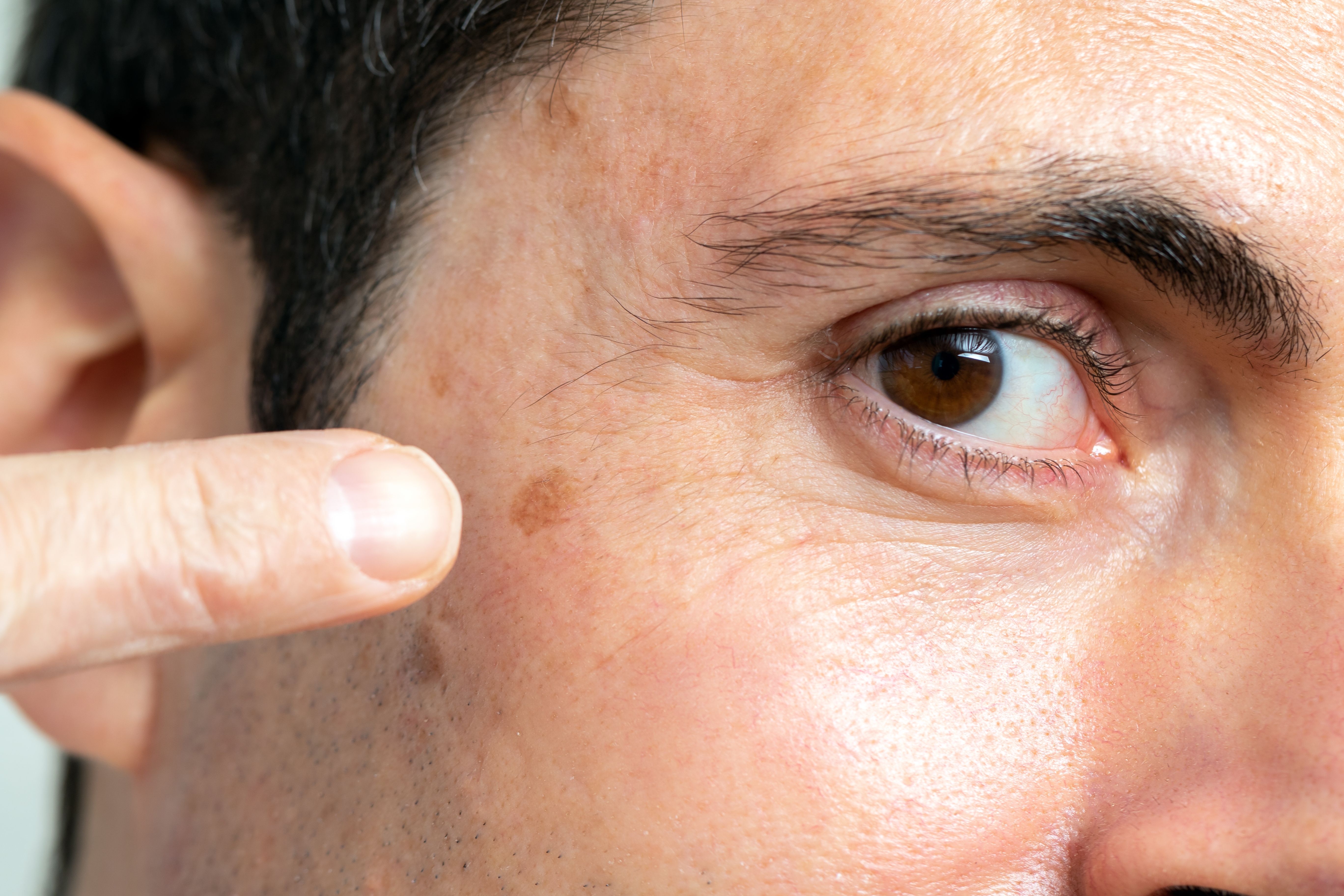
Comparing suspicious spots with Skin cancer pictures early stages and Basal cell carcinoma Stages pictures can help you recognize changes that warrant medical evaluation. Looking at Pictures of advanced basal cell carcinoma may also highlight warning signs such as ulceration or extensive tissue involvement.
Don’t hesitate to see a doctor if you have any suspicious skin lesions
If you notice an unusual or changing lesion, especially on sun-exposed areas like the face, scalp, neck, or shoulders, schedule an appointment with a dermatologist. When BCC is detected early, treatment can reduce the risk of progression to advanced disease.
Locally advanced BCC
As BCC becomes locally advanced, the lesion often enlarges significantly. It may ulcerate, bleed, or fail to heal. With continued growth, it can damage surrounding soft tissue and even underlying bone.
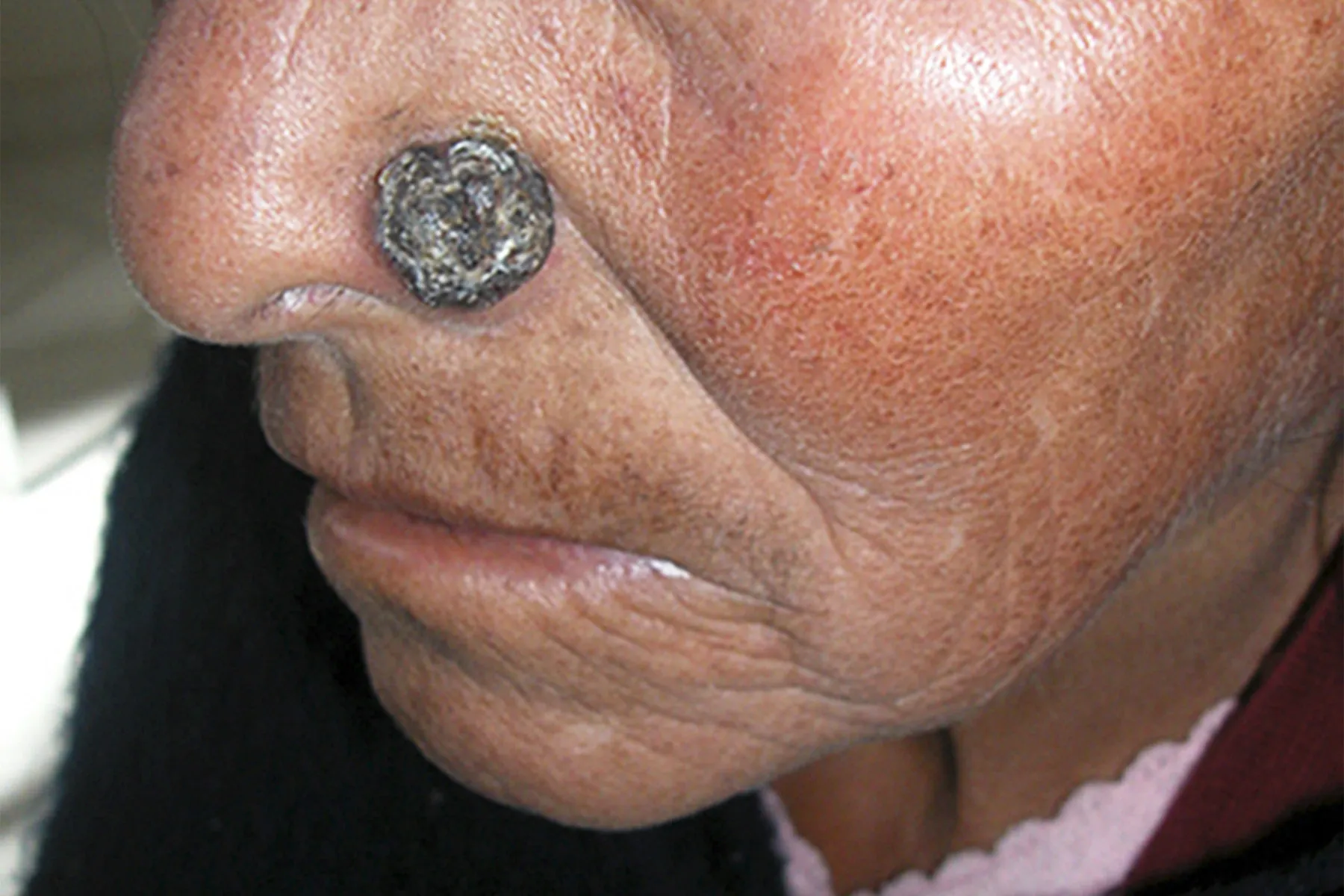
Some individuals with locally advanced BCC develop multiple lesions. A 2022 study involving 433 people with locally advanced BCC found that nearly 23.3% had more than one lesion, with a median of three lesions per person.
Metastatic BCC
Symptoms of metastatic BCC depend on the location of spread. General symptoms may include:
- fatigue
- weakness
- unintended weight loss
- shortness of breath
- pain at the metastatic site
What causes advanced basal cell carcinoma and who’s at risk?
BCC develops due to DNA mutations in basal cells that lead to uncontrolled growth and division. Many cases involve alterations in the hedgehog signaling pathway.
This pathway normally regulates cell growth. When disrupted, basal cells can multiply uncontrollably, forming cancer.
The primary cause of these DNA changes is exposure to ultraviolet (UV) radiation from sunlight or tanning beds. Additional risk factors include:
- older age
- having light-colored skin
- being assigned male at birth
- a personal or family history of nonmelanoma skin cancer
- arsenic or radiation exposure
- inherited conditions such as basal cell nevus syndrome or xeroderma pigmentosum
- a weakened immune system, including:
- individuals who’ve received an organ or bone marrow transplant
- people undergoing chemotherapy or radiation therapy
- those taking immunosuppressive medications
- individuals living with HIV
- a history of repeated sunburns
- previous thermal burns from hot liquids, steam, or flames
BCC typically grows slowly, often over several years. This gradual progression is one reason why early detection through skin exams is so important.
Skin cancer prevention strategies
You can lower your risk of developing BCC by incorporating these preventive steps into your routine:
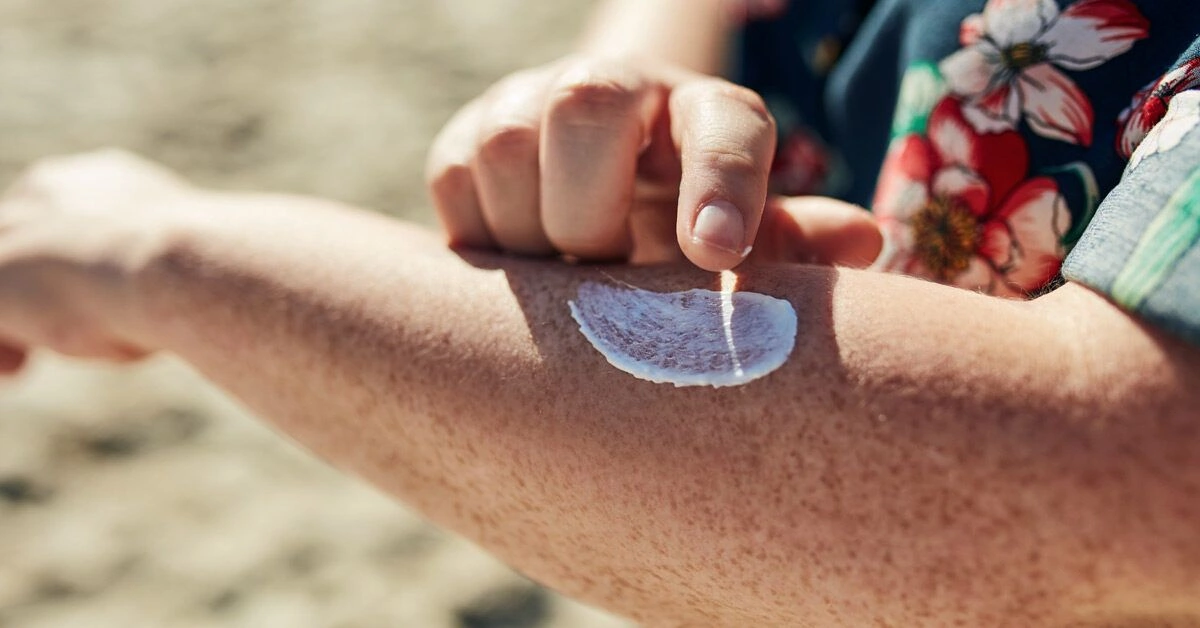
- Apply a water-resistant sunscreen with an SPF of 30 or higher whenever you’re outdoors, and reapply every 2 hours.
- Seek shade and limit outdoor activities during peak sun intensity, usually between 10:00 AM and 2:00 PM.
- Remember that water, sand, and snow reflect UV rays and increase sunburn risk.
- Wear sun-protective clothing, including sunglasses, a wide-brimmed hat, and lightweight garments with UV protection.
- Avoid tanning beds and consider sunless tanning products instead.
- Perform regular self-examinations to identify new or changing lesions.
A 2022 review emphasizes that delaying evaluation of concerning skin lesions significantly contributes to advanced BCC. Prompt assessment by a dermatologist can make a meaningful difference.
How do doctors diagnose advanced basal cell carcinoma?
To diagnose advanced BCC, a dermatologist begins with a detailed medical history, asking about:
- when you first noticed the lesion
- whether it has changed in size, shape, or color
- associated symptoms such as itching, pain, or bleeding
- any additional symptoms
- your personal or family history of skin cancer
A comprehensive skin examination follows. The dermatologist inspects the lesion visually and with a dermatoscope, a specialized magnifying device. They may also examine the rest of your skin for other suspicious areas.
Your lymph nodes may be palpated to check for swelling, which can indicate spread.
A biopsy is essential for confirmation. The tissue sample is examined under a microscope to determine whether cancer is present and to identify the specific type.
If metastasis is suspected, additional tests such as a lymph node biopsy or imaging studies may be performed to assess distant spread.
How is advanced basal cell carcinoma treated?
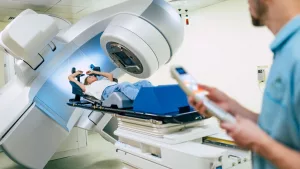
Surgery and radiation therapy are standard treatments for many BCCs and may still be options in certain advanced cases.
However, when tumors are large, located in challenging areas, or have spread extensively, these approaches may not be feasible. In such situations, systemic treatment is required. Systemic therapy works throughout the entire body.
The Food and Drug Administration (FDA) has approved several systemic therapies for advanced BCC.
Targeted therapy
Targeted therapy involves medications that act on specific molecular pathways in cancer cells. For advanced BCC, these include:
- vismodegib (Erivedge), approved by the FDA in 2012
- sonidegib (Odomzo), approved by the FDA in 2015
Both medications inhibit the hedgehog pathway, which plays a key role in many BCCs. By blocking this pathway, tumor growth and spread can be slowed.
A 2018 review of studies evaluated their effectiveness:
- Locally advanced BCC: vismodegib and sonidegib demonstrated similar overall response rates (69% versus 57%, respectively). However, vismodegib showed a higher complete response rate (31% versus 3%).
- Metastatic BCC: vismodegib had an overall response rate of 39%, compared with 15% for sonidegib. The lower response rate contributes to sonidegib not being approved for metastatic BCC.
Immunotherapy
Immunotherapy enhances the immune system’s ability to recognize and destroy cancer cells. Cemiplimab (Libtayo) is an immunotherapy drug that was approved by the FDA in 2021 for advanced BCC.
Cemiplimab is a programmed cell death 1 (PD-1) blocking antibody, a type of immune checkpoint inhibitor. By blocking PD-1, it allows immune cells to better detect and attack cancer cells. PD-1 inhibitors have shown benefit in aggressive cancers such as metastatic melanoma.
A 2021 study found that among people with advanced BCC who did not respond to targeted therapy, about 6% achieved a complete response with cemiplimab and 25% experienced a partial response.
What’s the outlook for a person with advanced basal cell carcinoma?
Overall, the prognosis for advanced BCC is less favorable than for early-stage disease because of deeper invasion or spread, which can complicate treatment.
According to the ACS, exact mortality numbers for BCC and SCC are not tracked by cancer registries. It’s estimated that around 2,000 people in the United States die each year from BCC and SCC combined.
Several factors influence prognosis, including:
- the tumor’s size and location
- the extent of spread, including metastasis
- whether the cancer is recurrent
- response to treatment
- your age and overall health status
If you’ve been diagnosed with advanced BCC, your healthcare team can discuss these factors and provide a personalized outlook.
Takeaway
BCC is classified as advanced when it invades deeper tissues or spreads to distant organs. Because BCC generally grows slowly, this progression often occurs over several years.
Advanced BCC can be more difficult to manage than early-stage disease due to its size, location, and extent. Still, newer systemic treatments—including targeted therapy and immunotherapy—have improved outcomes for many patients who are not candidates for surgery or radiation.
Early detection remains key. If you notice new, changing, or nonhealing skin lesions, consult a dermatologist promptly. Reviewing Pictures of advanced basal cell carcinoma may help you understand what advanced disease can look like, but a professional evaluation is essential for accurate diagnosis and timely treatment.





















Leave a Reply
You must be logged in to post a comment.