
Corns are localized patches of thickened skin that form on toes and feet as a result of repeated rubbing or pressure. Several things can increase your risk of developing corns, including:
- repetitive motions or activities
- improperly fitting footwear
- foot deformities such as bunions or hammer toe
Corns come in several varieties, such as:
- hard corns
- soft corns
- seed corns
Seed corns are small corns that appear on the soles of the feet. They may be hard to differentiate from other foot lesions like calluses or plantar warts.
Read on to find out more about seed corns, how they’re treated, and how to distinguish them from other skin problems on the foot.
What is a seed corn?
A seed corn is a very small variety of foot corn. Like other corns, they form because of pressure and friction and are often linked with dry skin. The clinical name for seed corns is heloma miliare.
Typical features of seed corns include:
- small, hard, well-circumscribed round spots of skin that are smaller than other corn types
- located on the sole (bottom) of the foot, frequently occurring in clusters
- usually without symptoms, though they can cause discomfort or pain when pressed or when in weight-bearing zones
How are seed corns different from calluses?
Calluses are also hardened areas of thickened skin caused by ongoing pressure or friction, and they can resemble corns.
Ways to tell a callus apart from a corn include:
- Size. Calluses are generally larger than corns, especially compared with seed corns.
- Shape. Seed corns and many corns are typically round and well-defined; calluses can have irregular shapes.
- Location. Calluses tend to form on weight-bearing zones like the heel or ball of the foot.
- Pain. Calluses are seldom painful, though cracking of the skin can cause discomfort.
How do seed corns differ from plantar warts?
A plantar wart is a wart that develops on the sole of the foot and is caused by certain strains of human papillomavirus (HPV).
Seed corns and plantar warts can both appear as hard, thickened patches and may hurt when pressure is applied to the bottom of the foot.
Because they can look alike, distinguishing them can be tricky. Consider these points:
- Size. Plantar warts can be small or grow larger; seed corns remain small.
- Skin lines. Natural skin creases on the sole are interrupted by plantar warts, whereas seed corns do not break these lines.
- Tiny dots. Plantar warts frequently contain small brown or black spots within them.
If a clinician cannot clearly identify whether a lesion is a seed corn or a plantar wart, they may perform a skin biopsy to examine tissue under a microscope.
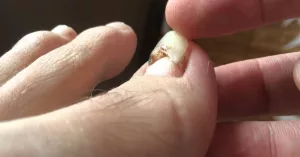
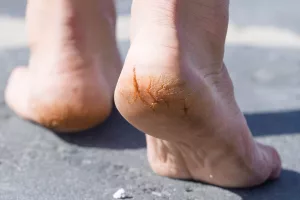
Images of seed corns, plantar warts, and calluses
This picture collection shows examples of seed corns, plantar warts, and calluses to help you recognize what might be on your foot.

How are seed corns treated?
If you have seed corns, you can try the following home measures:
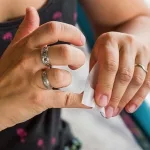
- Reduce thickened skin. There are strategies to thin the thickened skin caused by seed corns:Filing. Use a pumice stone or emery board to gently file away layers of hardened skin. Do this carefully and avoid removing too much skin to prevent injury. Over-the-counter products. These often contain salicylic acid and are sold as liquids or pads. Do not use these if you have diabetes or impaired circulation.
- Soak your feet. The American Academy of Dermatology Association recommends soaking feet in warm, soapy water for 5 to 10 minutes to soften seed corns, making them easier to manage.
- Moisturize. Apply a moisturizer to the soles to keep skin hydrated and softer.
- Mind your footwear. While addressing seed corns, wear comfortably fitting shoes and socks.
With home care, seed corns can resolve over time, though the duration varies between individuals.
If seed corns persist or do not improve with these measures, a healthcare provider can trim them. Never attempt to cut them yourself, as this can cause infection.
How can you prevent seed corns?
To help stop seed corns from forming or returning, try the following:
- Pick shoes carefully. Poorly fitting shoes commonly cause corns. When buying shoes, look for:A proper fit. Ensure your foot doesn’t slide in the shoe and that seams don’t press into your foot. Adequate toe space. If you can’t wiggle your toes, the shoe may be too tight. Low heel. High heels increase pressure on the front of the foot.
- Wear socks. Socks help reduce friction between the foot and shoe.
- Moisturize. Because seed corns are linked to dry skin, regularly moisturize the soles of your feet.
- Use pads or insoles. Adhesive pads or removable shoe inserts can relieve pressure and friction on targeted areas of the foot.
When should you see a doctor?
See your healthcare provider if seed corns are:
- extremely painful
- significantly limiting daily activities
- red, swollen, or appear infected
People with diabetes or other conditions that impair blood flow to the feet have a higher risk of infection from minor injuries caused by self-treatment. If you fall into this group, consult your doctor before attempting home remedies.
In most cases, a clinician can recognize seed corns by examining your feet.
Takeaway
Seed corns are very small corns that form on the soles of the feet and often appear in clusters. They usually cause no symptoms unless pressed.
Calluses and plantar warts can resemble seed corns, but differences in size and appearance can help you tell them apart.
Home treatments for seed corns include:
- thinning the thickened skin
- soaking the feet
- regular moisturizing
Contact your healthcare provider if seed corns become very painful or show signs of inflammation or infection.











Leave a Reply
You must be logged in to post a comment.