

The enlargement of your lymph nodes, the presence of cysts, infections, or even irritation from shaving or deodorant products can lead to a lump beneath your armpit. In certain situations, this swelling may signal a more serious underlying medical condition. Understanding How to relieve swollen lymph nodes armpit begins with identifying the exact cause of the swelling and determining whether it requires medical care.
Lymph nodes are small, oval-shaped structures distributed throughout the body’s lymphatic system. They are essential components of the immune system, helping your body filter harmful substances and combat infections. Still, swollen glands are not the only explanation for a lump under the arm. Several other conditions may also be responsible.
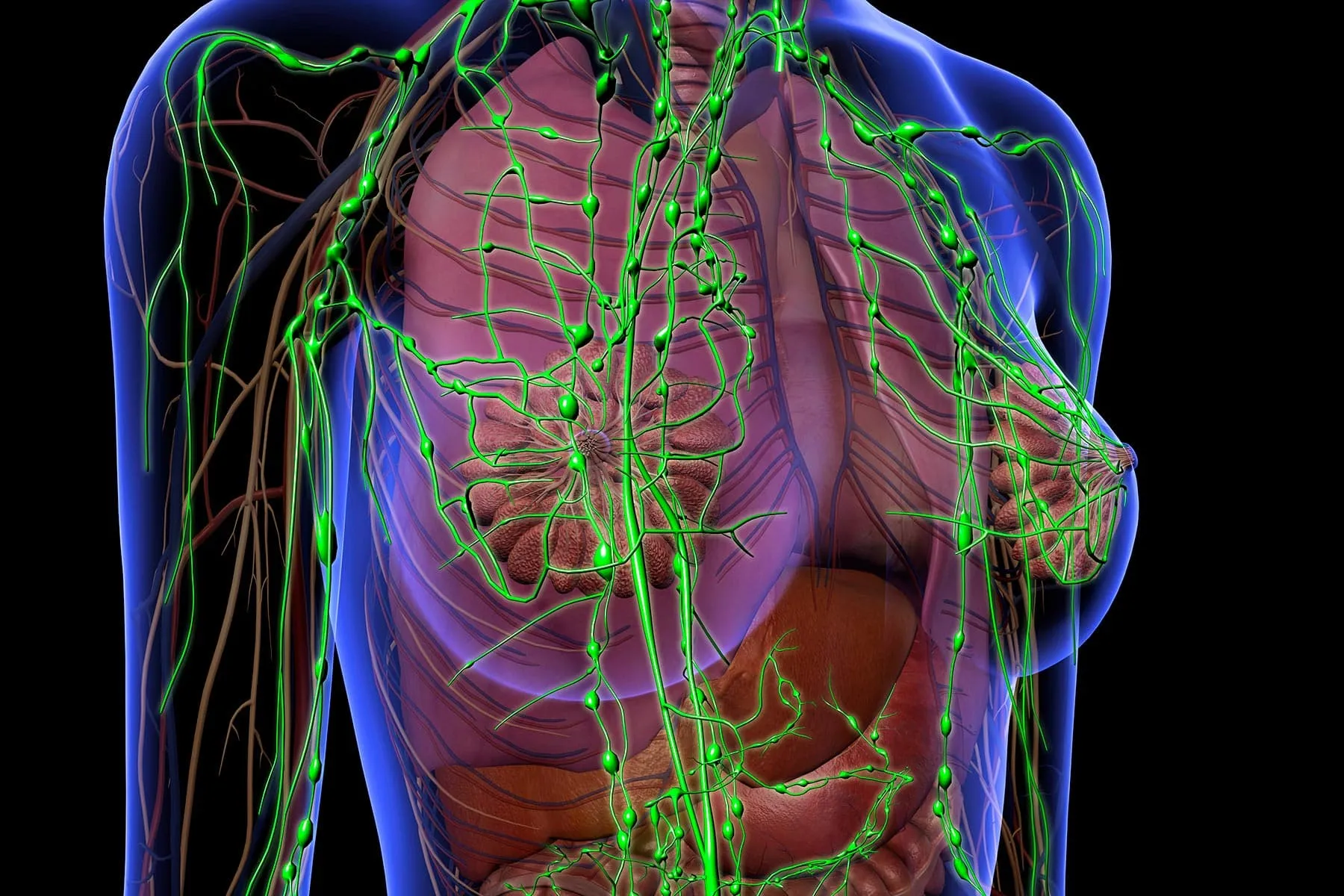
An armpit lump can feel tiny and barely noticeable, or it may be large and prominent. You should seek medical evaluation if the lump gradually increases in size, persists over time, becomes painful—or remains painless but does not resolve. Early assessment is key to appropriate management and peace of mind.
Causes of armpit lumps
Most armpit lumps are noncancerous and often result from abnormal tissue growth or temporary immune responses. However, some may be linked to more serious health concerns. Any unusual or persistent lump should be assessed by a healthcare professional to rule out significant conditions. If you are unsure What causes enlarged lymph nodes under armpit, a proper medical evaluation can clarify the reason and guide treatment.
Common causes of armpit lumps include:
Allergic reactions
A lump may sometimes develop due to an allergic response to creams, deodorants, soaps, or other skincare products applied to the underarm area. Skin irritation and localized inflammation can cause temporary swelling.
Vaccine reaction
Swelling under the arm may occur as a side effect of certain vaccines, such as COVID-19. This reaction typically represents the immune system responding appropriately and is often temporary.
Systemic lupus erythematosus (SLE)
SLE is an autoimmune disease that affects joints and internal organs. Common symptoms of SLE include:
- joint and muscle pain
- extreme tiredness
- rashes, often on the nose and cheeks, that usually come on after being in the sun
- headaches
- mouth ulcers
- a high temperature
- hair loss
- weight loss
- swollen glands, usually in the neck, armpits, or groin
- chest pain
Infections
Viral infections such as influenza (the flu) or Epstein-Barr virus may cause lymph nodes in the armpit to swell. When your immune system is actively fighting an infection, lymph nodes enlarge as they produce additional immune cells. In many cases, learning How to relieve swollen lymph nodes armpit involves supporting recovery from the underlying infection with rest, hydration, and prescribed medications if needed.
Lipomas or fibroadenomas
These growths are generally benign. A fibroadenoma is a noncancerous fibrous tissue growth, while a lipoma is a soft, benign mass composed of fatty tissue. Both types can occasionally develop under the arm and usually do not pose serious health risks.
Lymphoma
Lymphoma is a cancer affecting the lymph nodes. One of the most frequent signs is a painless lump in areas such as the neck, groin, or armpit. Symptoms vary depending on the lymphoma subtype but commonly include:
- painless, swollen lymph nodes
- drenching sweats
- breathlessness
- weight loss
- tiredness
- itching
- frequent infections
- bruising
- bleeding
Breast cancer
Armpit lumps can occur in individuals of any gender and age. However, a lump beneath the arm may sometimes indicate breast cancer. Performing monthly breast self-exams and promptly reporting any new breast or underarm lumps to a doctor is essential.
Keep in mind that hormonal fluctuations during the menstrual cycle may cause breasts to feel more tender or lumpy. This is generally normal. For more reliable self-exam results, conduct checks approximately 1 to 3 days after your period ends.

Hidradenitis suppurativa
Hidradenitis suppurativa is another possible cause of underarm lumps, particularly in women, and may also affect the breast and groin areas. This chronic inflammatory condition involves blockage and inflammation of apocrine glands in hair follicles. It often leads to painful, boil-like lumps that may fill with pus, leak, and potentially become infected.
Risk factors include tobacco smoking, family history, and obesity. Although the exact cause remains unclear, it may involve hormonal changes during puberty and an exaggerated immune response to clogged hair follicles.
Sebaceous cysts
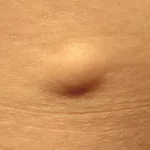
Sebaceous cysts, also called skin cysts, are typically harmless lumps filled with pus or fluid and can commonly form in the armpit. Symptoms usually include:
- round lumps beneath the skin
- fluid- or pus-filled swellings
- a small, dark central spot
- slow growth over time
- tenderness or redness if infected, though redness may be less visible on darker skin tones
Healthcare professionals generally manage these with antibiotics if infected, or surgical removal when necessary.
Diagnosing armpit lumps
A comprehensive physical examination is the first step in evaluating an armpit lump. Your doctor will ask about changes in size, duration, associated pain, and any other symptoms.
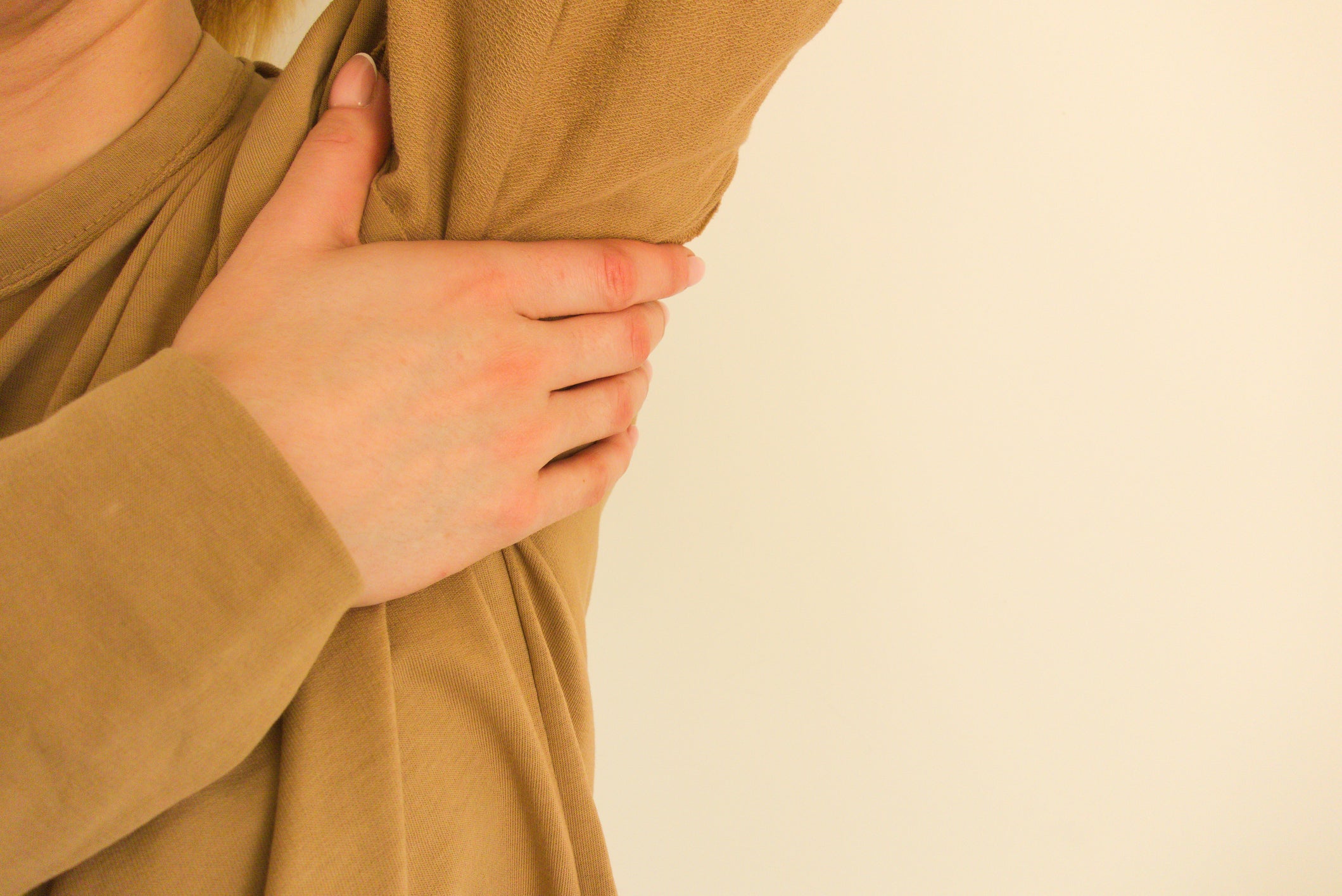
Palpation—examining the area by touch—is used to assess the lump’s size, texture, and mobility. During this process, the doctor gently feels the lymph nodes and surrounding tissues to determine whether further investigation is needed.
Sometimes, a physical exam alone suggests the lump is benign. For example, lipomas often do not require further treatment unless they cause discomfort. However, if the lump is bothersome or suspicious, additional testing may be recommended.
Depending on initial findings, your doctor may order tests to rule out infection, allergic reaction, or cancerous changes. Diagnostic tests may include:
- complete blood count to measure the number of platelets, red blood cells, and white blood cells in your system
- breast X-ray (mammogram), an imaging test that allows clearer visualization of the lump
- ultrasound scan
- biopsy, involving removal of a small tissue sample or the entire lump for laboratory analysis
- allergy testing
- a culture of fluid from the lump to check for infection
In some cases, imaging can provide additional clarity. For visual reference and comparison, you may review Underarm pictures of swollen lymph nodes in armpit to better understand how different conditions may appear.
Treating armpit lumps
Treatment depends entirely on the underlying cause. Bacterial infections are commonly treated with oral antibiotics. Within several days, the swelling should begin to subside as the medication and your immune system work together to eliminate the infection.
If the lump does not improve with oral antibiotics, hospitalization for intravenous (IV) antibiotics may be required.
When swelling is related to allergies, symptoms typically improve once appropriate medications are started and triggers are avoided.
In many cases, armpit lumps require no active treatment and can simply be monitored. Home remedies such as warm compresses and over-the-counter pain relievers may help ease discomfort while the body heals.
Conditions that often do not require intervention include:
- lipomas
- viral infections
- fibroadenoma (noncancerous breast lumps)
Management options for hidradenitis suppurativa may include:
- antibiotic therapy
- bleach bath
- biologic therapy
- wound dressings
- anti-acne therapy
- surgical treatment
- lifestyle changes
If cancer is diagnosed, your doctor will refer you to a specialist. Treatment varies depending on the cancer type and stage and may include:
- chemotherapy
- radiation therapy
- surgery
For those researching How to relieve swollen lymph nodes armpit, supportive care measures such as adequate hydration, sufficient rest, maintaining good hygiene, and promptly treating infections can reduce discomfort and promote faster recovery. However, persistent or unexplained swelling should never be ignored.
Takeaway
The prognosis for an armpit lump depends on its underlying cause. A lump related to a mild viral infection often resolves on its own over time. In contrast, a lipoma, though harmless, typically does not disappear without medical removal. A dermatologist can assist if removal is desired.
When an armpit lump is associated with cancer, outcomes vary based on the stage and whether it has spread to other areas of the body. Early diagnosis and timely treatment significantly improve recovery prospects.
Even if the lump seems minor, consulting a healthcare professional ensures an accurate diagnosis and appropriate guidance. Prompt evaluation is the safest approach whenever you notice unusual swelling under your arm.




















Leave a Reply
You must be logged in to post a comment.