
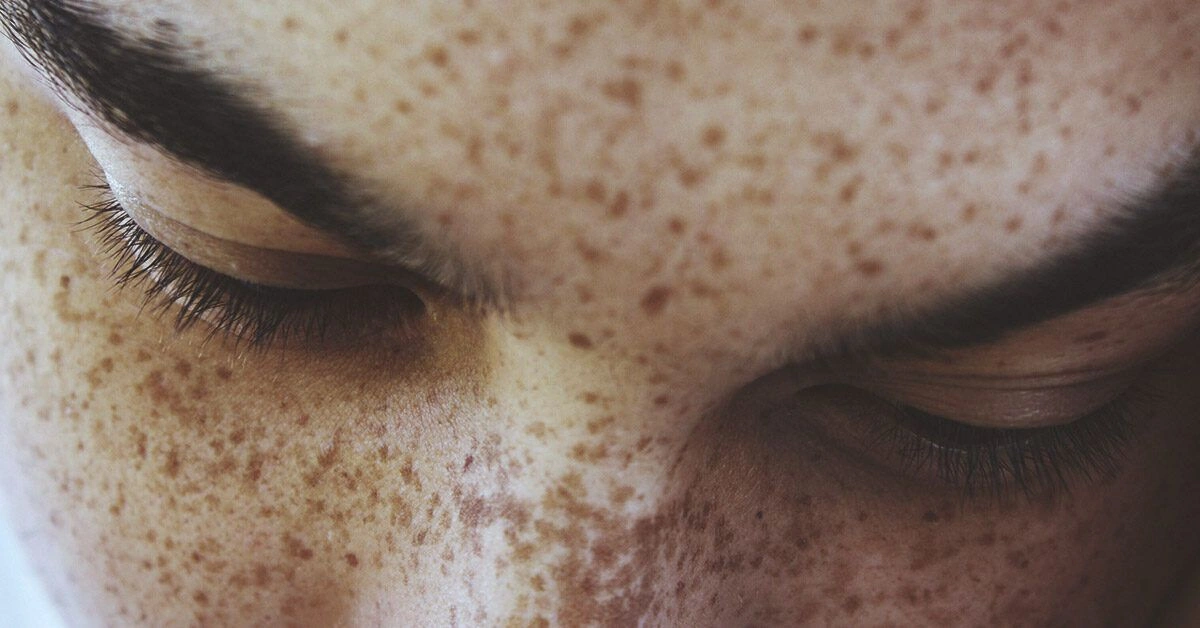
Freckles are a common, harmless variation in skin appearance. While they don’t pose a health threat, there are treatments available to lighten them.

Freckles appear as tan or light-brown spots on the skin. They form from clusters of cells that contain the pigment melanin. Unlike moles, which are often raised, freckles lie flat. They are neither painful nor dangerous.
No one is born with visible freckles, although they can run in families. They are triggered by sun exposure. If you want to reduce or remove freckles, here are seven options to consider.
1. Sunscreen
Sunscreen won’t erase freckles you already have, but it helps prevent new ones from forming. You should apply sunscreen throughout the year, even on cloudy days.
The American Academy of Dermatology recommends:
- Use sunscreen with an SPF of 30 or greater.
- Put sunscreen on exposed skin at least 15 minutes before going outside.
- Reapply every two hours and immediately after swimming or excessive sweating.
2. Laser treatment
Laser treatment delivers focused, intense light pulses to target pigmented areas. Several types of lasers exist. A 2015 study found the 1064 Q-Switched Nd:YAG laser effective for freckles, with more than half of freckles lightening in 62 percent of participants.
Laser procedures are typically safe and have a low scarring risk. Possible side effects include:
- itching
- swelling
- redness
- scabbing
- peeling
- infection
- changes in skin pigmentation
If you have a history of oral herpes, your provider may prescribe antiviral medication before laser therapy because the laser can provoke a herpes flare around the mouth.
Your clinician may provide other topical medications prior to the session and advise avoiding certain drugs or products. Disclose all medications and creams you use to your doctor.
Recovery can take up to two weeks, and multiple treatments are often required to reach the desired outcome.
3. Cryosurgery
Cryosurgery freezes abnormal skin cells using liquid nitrogen to remove them. It’s generally safe, usually requires no anesthesia, and involves minimal downtime. Potential effects include hypopigmentation, bleeding, and blistering. Scarring is uncommon.
4. Topical fading cream
Fading or bleaching creams are available over the counter and by prescription. Many contain hydroquinone, an ingredient believed to reduce melanin production and lighten darker areas.
Topical hydroquinone may cause:
- inflammation
- dryness
- burning
- blistering
- skin discoloration
In 1982, the U.S. Food and Drug Administration (FDA) regarded bleaching products with up to 2 percent hydroquinone as generally safe and effective. However, in 2006, new findings suggested hydroquinone might cause cancer in rats and lead to skin darkening or disfigurement, prompting the FDA to refer hydroquinone for further evaluation by the National Toxicology Program (NTP).
5. Topical retinoid cream
Retinoid creams are derivatives of vitamin A used to repair sun-damaged skin and reduce freckles. A 2014 review indicated retinoids may provide photoprotection by absorbing ultraviolet B radiation, which can help prevent new freckles.
Retinoids are available both with and without a prescription. Typical side effects include:
- redness
- dryness
- skin irritation
- peeling
- increased sensitivity
6. Chemical peel
Chemical peels apply a solution that exfoliates and removes damaged skin layers. For freckles, a medium-depth peel using glycolic acid or trichloroacetic acid reaches the middle skin layers and allows new skin to form once the damaged portion is removed.
Temporary effects from chemical peels may include:
- stinging
- peeling
- redness
- irritation
- crusting
- swelling
The American Society for Dermatologic Surgery notes that medium peels can take up to two weeks to heal. You’ll likely need daily soaking and topical ointments, a prescription antiviral for up to two weeks, and to avoid sun exposure until healing is complete.
7. Natural remedies
Many people turn to natural remedies to fade freckles. These methods lack strong scientific backing, but used in moderation they’re unlikely to cause harm for most people.
Common natural options include:
Lemon juice: Dab lemon juice on the skin with a cotton ball and rinse it off. Lemon is thought to have lightening effects.
Honey: Mix honey with salt or sugar to make a scrub. Honey may help reduce pigmentation.
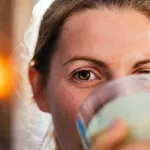
Buttermilk: Apply buttermilk to your skin and leave it on for 10 minutes before rinsing with warm water. You can mix buttermilk with oatmeal for a mask. Buttermilk contains lactic acid, which may help lighten freckles.
Sour cream: Apply sour cream briefly and rinse off. Like buttermilk, it contains lactic acid.
Yogurt: Spread yogurt on the skin and leave it for a few minutes. Yogurt also supplies lactic acid.
Onion: Rub onion on the skin and rinse with warm water. Onion can act as an exfoliant and might lighten spots.
If you notice irritation, discontinue use.
What causes freckles
Melanocytes are cells in your skin that produce melanin, the pigment that helps shield skin from ultraviolet rays. Sun exposure stimulates melanocytes to produce more melanin. Freckles are areas where melanin accumulates in the outer skin layer.
People with fair skin often have more freckles, though anyone can develop them. Although fair-skinned individuals generally produce less melanin overall, their melanocytes can produce larger amounts of pigment when exposed to the sun.
Freckles may fade on their own
Some freckles persist long-term, while others are most obvious in summer when sun exposure is higher and fade in winter or with sun avoidance. Hereditary freckles may reduce with age. Freckles caused by sun damage tend to increase over time.
When to see a doctor
Freckles are benign, but they can be mistaken for skin cancer. Excessive sun exposure raises the risk for both freckles and melanoma. Melanoma is more likely in people with fair skin or numerous freckles than in those with darker skin.
See your doctor or dermatologist if you notice changes in the size, color, or shape of a freckle. They can evaluate whether it warrants further attention.
The bottom line
Freckles are common and harmless, but many people seek removal for cosmetic reasons. Aggressive treatments such as lasers and chemical peels can be effective but require significant recovery and carry risk of side effects.
If you want to reduce freckles, consult a dermatologist to choose the best approach for you. Whatever method you pick, practicing good sun protection afterward is essential to help prevent new freckles.


















Leave a Reply
You must be logged in to post a comment.