

A metallic body odor can develop after handling copper or other metals, or when your body begins burning protein for energy during intense exercise. You might also detect a metallic taste in your mouth because of something you consumed, a medication you’re taking, or an underlying health condition. Many people who wonder, “Why do I suddenly smell blood” are actually experiencing this same metallic scent, which is often linked to iron and other minerals.

After touching coins or other metallic items, you may pick up a metallic smell on your fingers and assume tiny metal particles are clinging to your skin. However, research indicates the explanation is more complex.
A metallic scent in sweat or a metallic taste in the mouth is a fascinating example of body chemistry in action. While these odors or tastes are often temporary, understanding their potential causes can make the experience less concerning and easier to manage.
In certain situations, simple strategies can help reduce or eliminate the metallic scent, replacing it with something more neutral.
Below, you’ll find an in-depth look at possible reasons for metallic smells on your skin or breath and what steps you can take to address them.
Metallic smell on your fingers or hands
If you’ve ever sorted through loose change or handled a stack of coins, you may have noticed that your fingers retained a copper-like smell. The same thing can happen after gripping a metal handrail or touching other metallic surfaces.
It’s natural to assume that you’re smelling leftover metal transferred to your skin.
However, a 2006 study published in a journal from the German Chemical Society found that the metallic odor is actually a type of body odor. It forms when certain skin oils break down after coming into contact with metal objects or metallic chemicals.
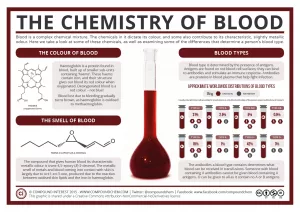
Individuals with a keen sense of smell may also notice a metallic scent when blood is present on the skin. This is because blood contains iron and other minerals, which can produce that distinctive aroma. If you’ve ever asked yourself, “Why do I suddenly smell blood?” it may help to learn How do you describe the smell of blood? to better understand what you’re detecting.

Washing your hands thoroughly with soap and water is usually enough to eliminate the metallic odor. If the smell lingers, try gently scrubbing your hands with a paste made from baking soda and vinegar, then rinse again with soap and water.
If you anticipate handling coins or metal objects, wearing gloves can help prevent metal from reacting with the oils in your skin and producing that scent.
Metallic-smelling sweat
Body odor naturally shifts over time. Hormonal fluctuations, such as those during puberty, can alter scent. Other contributing factors include your:
- environment
- personal hygiene habits
- medications
- overall health
When you perspire, your sweat can sometimes reflect aspects of your diet. For instance, eating onions or spicy dishes may make your sweat smell stronger or more pungent.
However, if your sweat carries a metallic or ammonia-like odor, the cause may be related to what you’re not eating. Endurance athletes and long-distance runners occasionally report a metallic smell during or after strenuous workouts. This can occur when the body uses protein instead of glucose as its primary fuel source.
In this process, the body breaks down ammonia into urea, which is normally excreted in urine. If ammonia accumulates, the body may release the excess — which is toxic — through sweat. Depending on the person, this ammonia-rich perspiration may smell metallic.
This phenomenon is more likely if you’re following a high-protein, low-carbohydrate diet and engage in intense exercise. Ensuring adequate carbohydrate intake and staying well hydrated may help reduce this odor. If the metallic scent persists despite dietary adjustments, discussing it with a healthcare professional can help rule out metabolic or kidney-related concerns.
Metallic smelling breath or taste in your mouth
Experiencing a metallic taste in your mouth or noticing a metallic odor on your breath can have many different causes. For those wondering, “Why do I suddenly smell blood?” the answer may lie in oral health, medication side effects, or systemic medical conditions rather than an external source.
Gum disease
Periodontitis (gum disease), gingivitis (a form periodontitis that causes gum inflammation), and an infected tooth can all lead to a metallic smell on the breath. Bleeding gums, in particular, may create a scent reminiscent of blood due to iron content.
Improving oral hygiene, including brushing, flossing, and regular dental cleanings, and treating gum disease or dental infections can help resolve the metallic taste or smell.
Medications
Some prescription medications are known to affect taste and smell. These include:
- antibiotics
- fenoprofen (nonsteroidal anti-inflammatory drug)
- muscle relaxants
- antimicrobial and antiviral drugs
- antihistamines
Multivitamin and mineral supplements may also cause temporary changes in taste perception. In most cases, the metallic taste subsides once the medication is discontinued, under medical supervision.
Cancer treatment
Radiation therapy and chemotherapy used in cancer treatment can produce a metallic or bitter taste. Certain cancers of the head and neck may also cause this symptom.
Sucking on sugar-free mints or chewing sugar-free gum can sometimes help. Rinsing your mouth before meals with a solution of baking soda, salt, and water may improve how food tastes.
Pregnancy
Hormonal changes during pregnancy can lead to unusual sensory experiences, including a metallic taste in the mouth. This symptom is often more noticeable during the first trimester.
Eating small amounts of sweets or plain crackers and maintaining good hydration may help minimize the taste. Staying well hydrated is also important to prevent dry mouth, which can intensify unpleasant taste sensations.
Chemical exposure
Exposure to certain chemicals, especially lead, can create a metallic taste in the mouth and may lead to serious health complications.
If you suspect your drinking water is contaminated, contact your local water authority to request testing for lead and other metals. Addressing environmental exposure promptly is crucial for preventing long-term health effects.
Neurodegenerative diseases
Vascular dementia and neurodegenerative diseases such as Alzheimer’s disease and Parkinson’s disease can cause dysgeusia, a disorder that affects taste perception.
Symptoms of dysgeusia may include:
- a metallic or otherwise unpleasant taste in the mouth
- distorted taste perception
- complete loss of taste
This condition can be chronic. Adjusting seasonings or experimenting with different flavors may help improve the eating experience. If neurological symptoms like memory changes, confusion, or movement difficulties are present, medical evaluation is essential.
Phantosmia (phantom smells)
Some individuals perceive a metallic odor or other smells that no one else around them can detect. Because there is no external source, these are known as phantom smells.
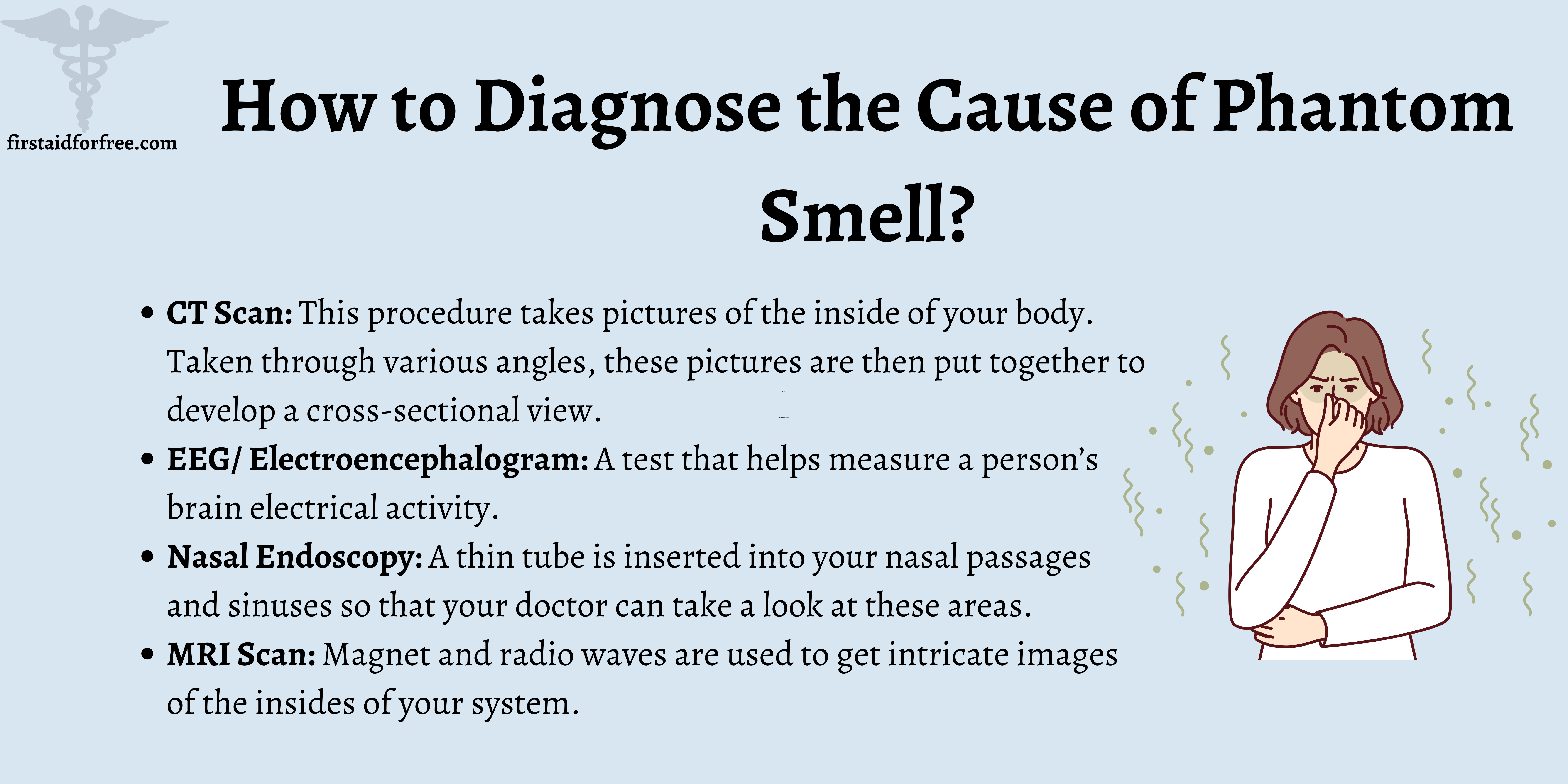
This condition, called phantosmia, is a type of olfactory hallucination and is often linked to sinus problems. Other possible causes include:
- allergies
- dental problems
- exposure to smoke or air pollution
- migraines
- cancer treatments
Less frequently, phantosmia may be associated with:
- head injury
- stroke
- neurodegenerative disease, such as Parkinson’s disease or Alzheimer’s disease
When phantosmia stems from a temporary sinus condition or allergy, it typically improves once the underlying issue resolves. If you’re unsure whether the scent resembles blood, learning more about What does blood smell like at a crime scene can provide context about how iron-related odors are perceived.
When to see a doctor
If a metallic smell on your body or breath results from an underlying medical issue, you’ll usually notice additional symptoms that signal the need for medical care.
For example, gum disease may involve swollen or bleeding gums. Neurodegenerative diseases may present with memory problems, cognitive changes, or movement disorders.
If a metallic smell is your only symptom and you’ve ruled out obvious triggers such as medications, pregnancy, or intense exercise with low carbohydrate intake, consult your physician.
A metallic taste in the mouth should also be discussed with a dentist. While the cause is often harmless, evaluating the symptom can help exclude more serious conditions.
Key takeaways
A metallic smell on your skin is typically a form of body odor that occurs after handling copper or other metals. It may also appear when your body burns protein instead of glucose during vigorous exercise.
A metallic taste in your mouth can stem from something as simple as a mineral-rich multivitamin or as complex as cancer treatment or dementia.
If you’re asking yourself, “Why do I suddenly smell blood?” pay attention to accompanying symptoms and recent activities before the odor began.
If the metallic scent or taste happens repeatedly or is accompanied by other concerning signs, seek medical advice. Identifying the root cause with a healthcare professional is the best way to find an appropriate solution.

















Leave a Reply
You must be logged in to post a comment.