

There is currently limited scientific evidence directly connecting semaglutide use with vitamin B12 deficiency or recommending routine vitamin B12 supplementation for individuals prescribed this medication. While interest in Semaglutide with B12 dosage has grown, especially in weight management settings, clinical guidelines have not established a standard requirement for combining the two.
Semaglutide is the active ingredient found in Ozempic and Rybelsus. It is prescribed to help manage type 2 diabetes and obesity by improving blood glucose control and supporting weight reduction in appropriate patients.
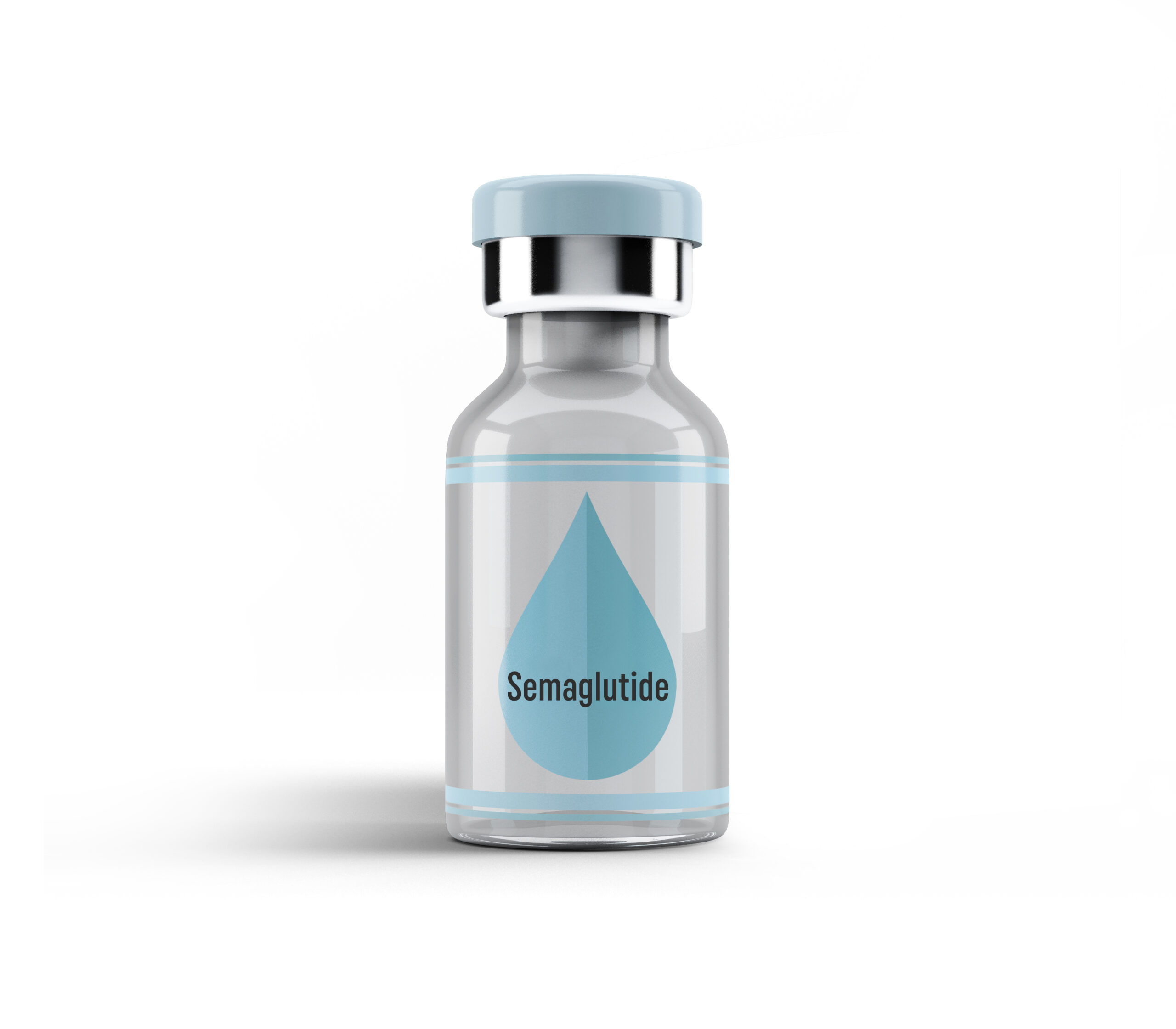
Do doctors recommend taking B12 with semaglutide?
Compounded semaglutide combined with vitamin B12 is available through certain providers, although this formulation has not received approval from the Food and Drug Administration (FDA). Some healthcare professionals suggest the combination based on theoretical mechanisms rather than established clinical evidence.
Semaglutide functions by mimicking GLP-1, a hormone that plays a key role in regulating blood sugar. It stimulates the pancreas to release insulin, decreases glucagon production, and slows gastric emptying. These actions help stabilize blood glucose levels and promote feelings of fullness, which can assist with weight management.
All GLP-1 receptor agonists, including semaglutide, delay stomach emptying and may reduce stomach acid production. Because vitamin B12 absorption depends on adequate stomach acid and intrinsic factor — a protein produced in the stomach — there is a theoretical possibility that long-term use could influence vitamin B12 levels. This could potentially contribute to vitamin B12 deficiency or worsen an existing deficiency in susceptible individuals.
In theory, using a compounded semaglutide and B12 injection may help reduce the risk of vitamin B12 deficiency and possibly support the medication’s therapeutic benefits. However, there is no conclusive scientific evidence stating that semaglutide must be paired with vitamin B12. Decisions about supplementation should be individualized based on lab results, dietary intake, and personal risk factors. A healthcare professional can determine whether monitoring vitamin B12 levels or adding supplementation is appropriate.
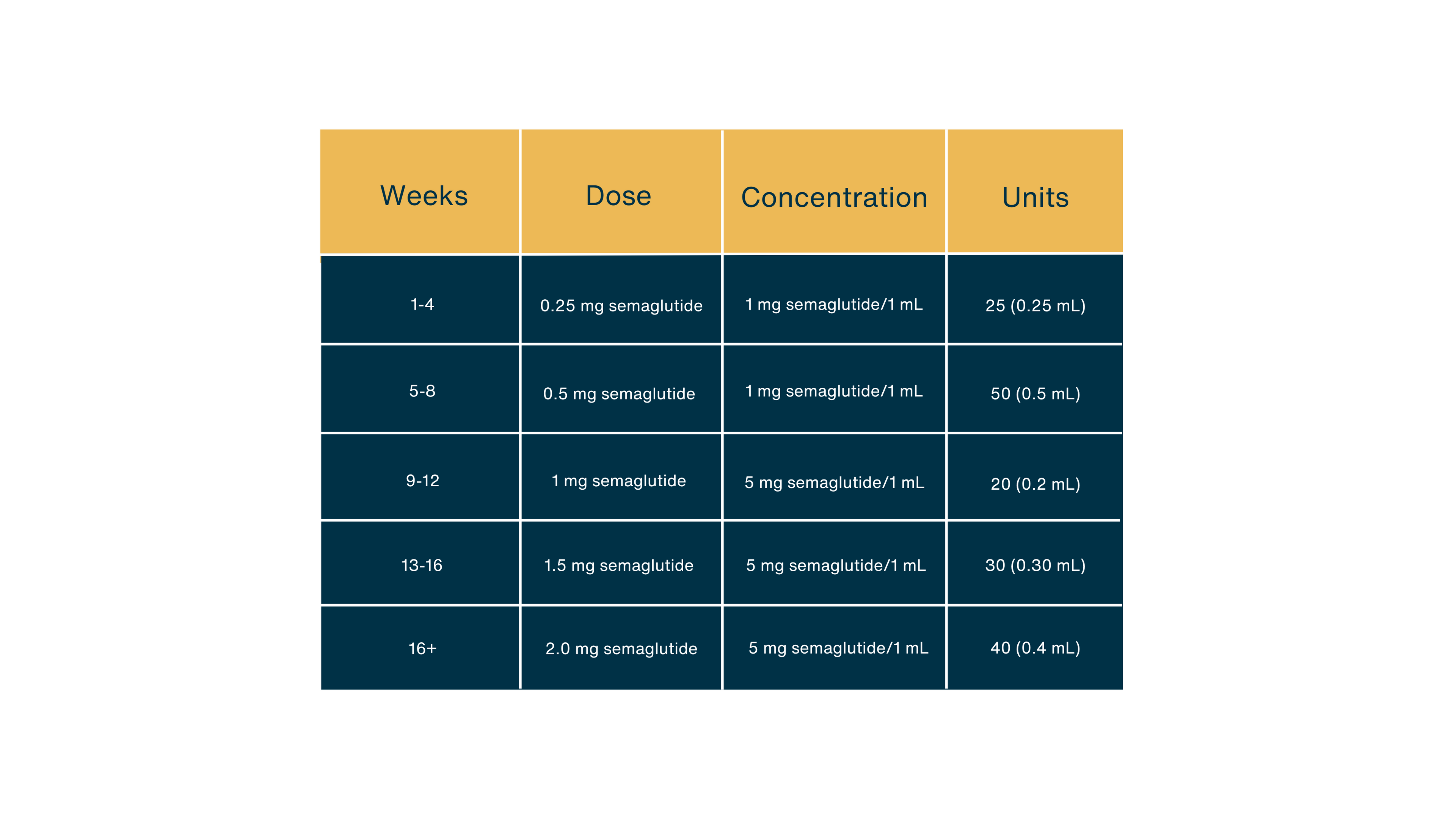
For individuals considering this option, reviewing a structured semaglutide + b12 dosage chart with a qualified provider may offer clarity regarding titration schedules and safe administration practices.
Can semaglutide with B12 boost weight loss?
Semaglutide has demonstrated significant effectiveness for weight loss in people living with obesity.
In one study, treatment with semaglutide over 104 weeks produced substantial weight loss in adults with obesity or overweight and related medical conditions. Participants receiving semaglutide experienced an average body weight reduction of 15.2%, compared to 2.6% in the placebo group. Gastrointestinal side effects were more commonly reported in the semaglutide group.
Vitamin B12 is not typically prescribed as a primary weight loss therapy. However, it plays a crucial role in overall health and may support metabolic processes and energy production. Because B12 contributes to red blood cell formation and nervous system function, adequate levels may help prevent fatigue, which can indirectly support adherence to lifestyle modifications such as exercise and dietary changes. Still, additional research is needed to determine whether compounded semaglutide with vitamin B12 provides enhanced weight loss benefits beyond semaglutide alone.
Patients exploring options often seek guidance on Semaglutide with B12 dosage to ensure proper titration and safe weekly administration, particularly when weight loss is the primary goal.
What to expect from a semaglutide and B12 injection
A compounded semaglutide and B12 injection is administered as a subcutaneous injection, meaning it is delivered just beneath the skin. The process is similar to standard semaglutide injections. Here’s what you can generally expect during treatment:
- Injection site: The medication is typically injected into the abdomen, thigh, or upper arm. A healthcare professional will either administer the injection or instruct you on proper self-injection technique to ensure safety and effectiveness.
- Frequency: Semaglutide with B12 is usually given once weekly. Most patients begin with a 0.25 mg dose of semaglutide and B12, with potential adjustment to 0.5 mg depending on tolerance and therapeutic response. Gradual dose escalation helps minimize gastrointestinal side effects. For additional clarity on measurement conversions, some patients review a Semaglutide weight loss dosage chart mL when learning how to draw up injections accurately.
- Weight loss: In a study involving 175 participants with overweight or obesity, those treated with semaglutide achieved a 5.9% body weight reduction at 3 months and 10.9% at 6 months. For someone weighing 200 pounds, that translates to approximately 11–21 pounds at 3 months and 20–39 pounds at 6 months. Some providers theorize that adding B12 may help support energy levels during this process.
- Improved blood sugar management: Semaglutide increases insulin secretion and decreases glucose production, helping to lower blood sugar levels. Vitamin B12 supports neurological health and may contribute to optimal cellular function, including that of insulin-producing cells in the pancreas.
- Increased energy levels: Vitamin B12 is essential for red blood cell production and neurological function. Maintaining adequate B12 levels may help reduce fatigue, which can be beneficial for individuals adjusting to appetite changes during semaglutide therapy.
- Support for cardiovascular health: Adequate vitamin B12 levels are associated with improved markers related to heart health, potentially lowering cardiovascular risk in people with type 2 diabetes when combined with comprehensive care.
- Management of side effects: Common side effects of semaglutide include nausea and diarrhea. Although generally mild and temporary, B12 is being evaluated as a possible supportive component in compounded formulations aimed at improving overall tolerability.
Potential side effects
Semaglutide can cause gastrointestinal symptoms such as nausea, diarrhea, or constipation. These reactions are typically mild to moderate and often subside as the body adjusts to treatment. Eating smaller meals and avoiding high-fat foods during dose escalation may help reduce discomfort.
Additionally, missing a scheduled dose may lead some individuals to notice increased appetite. Following a consistent weekly injection schedule is important for maintaining stable blood sugar levels and appetite control.
When evaluating Semaglutide with B12 dosage, healthcare providers may also monitor for symptoms of vitamin B12 deficiency in at-risk populations, including individuals with gastrointestinal disorders, older adults, or those with limited dietary intake of B12-rich foods.
Takeaway
Semaglutide is used to treat type 2 diabetes and obesity by mimicking GLP-1, a hormone that regulates blood sugar and appetite. While compounded semaglutide combined with vitamin B12 is available, evidence supporting additional benefits remains theoretical. Vitamin B12 plays a vital role in energy production and nervous system function, but no scientific data confirms that pairing it with semaglutide enhances outcomes.
If you are considering compounded semaglutide with vitamin B12, speak with a qualified healthcare professional to review your medical history, laboratory values, and personalized treatment goals. A tailored approach ensures safe dosing, appropriate monitoring, and optimal long-term results.




















Leave a Reply
You must be logged in to post a comment.