

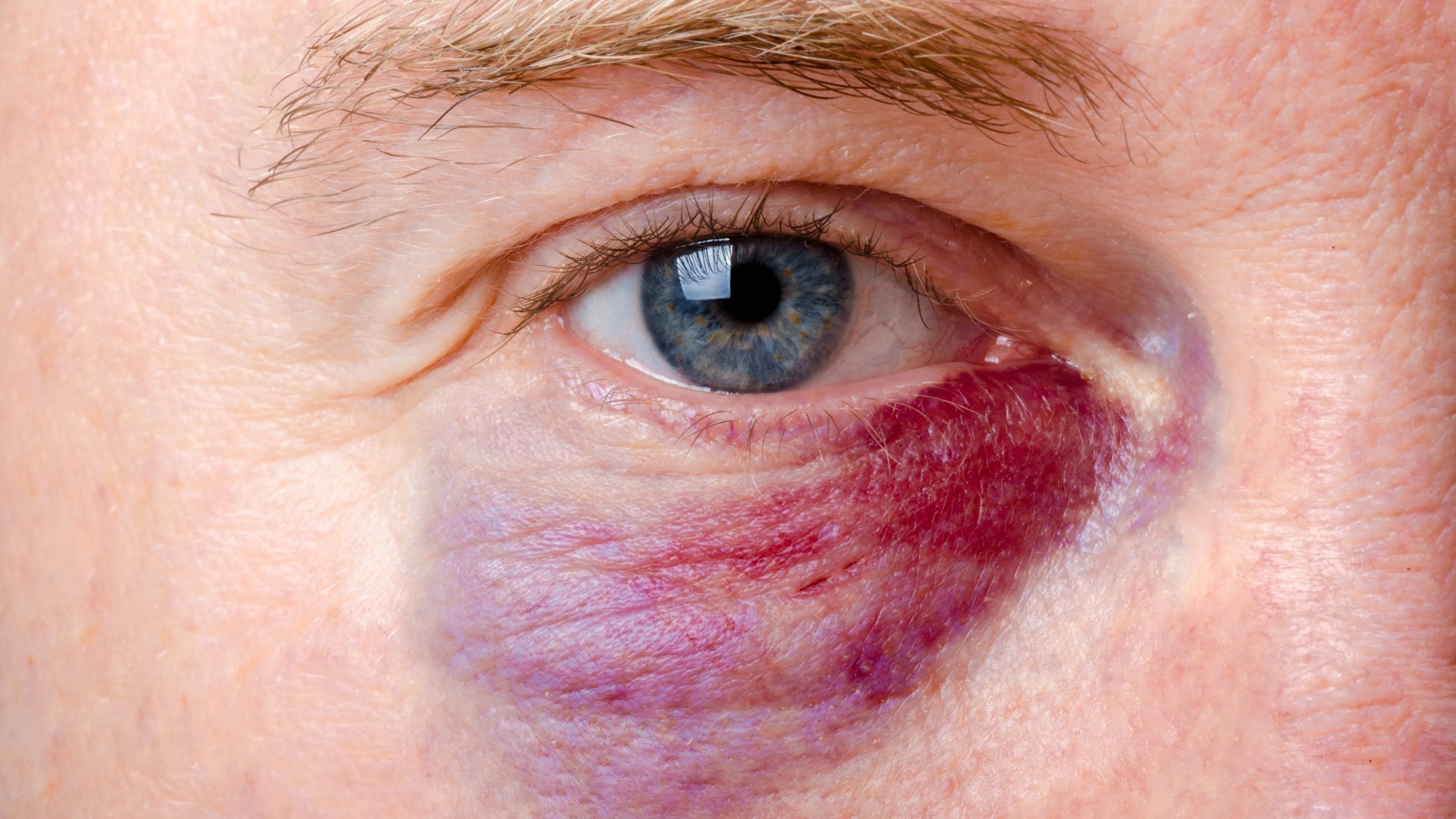
The delicate skin around your upper eyelids can sometimes appear darker or bruised. If you’ve ever wondered, Why is my eyelid bruise for no reason, the answer often lies in changes affecting your blood vessels, pigmentation, minor unnoticed trauma, or even congenital conditions present from birth.
It’s possible to experience both darkened eyelids and under-eye circles simultaneously, though one can occur without the other. These concerns are not always directly connected, even if they look similar in the mirror.
Below, we explore the potential causes and risk factors behind eyelids that look bruised or discolored, along with evidence-based approaches to treatment and prevention. Understanding why your eyelid bruise for no reason can help you determine whether it’s harmless pigmentation or something that needs medical attention.
Causes
Enlarged or dilated blood vessels in the eyelids can give the surrounding skin a darker, purplish, or bruise-like tone. Minor injuries to the eye area may also result in bruising that makes the eyelid appear darker than the rest of your complexion. However, these are only some of the possible explanations.
Your skin naturally contains melanin, the pigment responsible for its color. In certain areas, melanin production can increase, leading to darker patches known as hyperpigmentation. Conversely, reduced melanin may cause lighter or white areas, referred to as hypopigmentation.
Hyperpigmentation may be caused by:
- Sun damage. Ultraviolet (UV) exposure stimulates increased melanin production. Over time, sun-damaged skin may darken, resulting in freckles, age spots, or uneven tone—including on the eyelids.
- Pregnancy. Hormonal shifts during pregnancy can trigger increased melanin production, leading to darkened patches called melasma. These patches can develop around the eyes, and continued sun exposure may worsen melasma over time.
- Thinning skin. As part of the natural aging process, collagen and fat gradually diminish. Thinner skin can make underlying blood vessels more visible, giving the eyelids a darker or bruised appearance.
- Inflammatory diseases. Conditions such as dermatitis, allergies, chronic sinusitis, and rheumatoid arthritis may cause inflammation that leads to swelling and localized darkening of the skin.
- Certain medications. Oral contraceptives (birth control pills) are a common contributor due to hormone-related pigmentation changes. Additionally, the glaucoma medication bimatoprost may cause darkening of the eyelid skin. This typically fades within three to six months after stopping the medication.
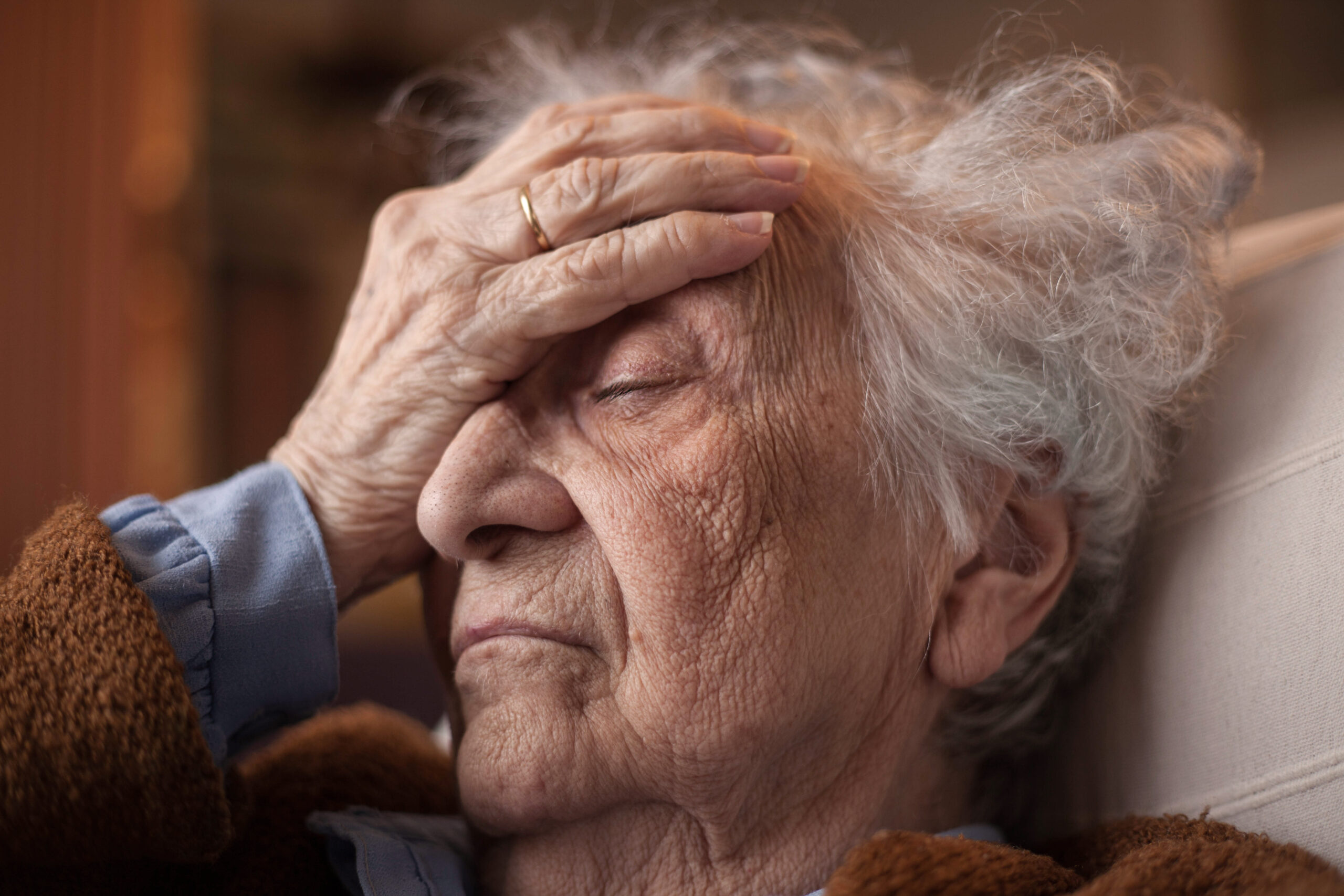
If you’re asking yourself, Why is my eyelid bruise for no reason, consider whether subtle trauma could be involved. Rubbing your eyes frequently, seasonal allergies, or even sleeping pressure can sometimes cause mild broken capillaries that resemble a bruise. In some cases, people report a Woke up with BRUISED eyelid experience, which may stem from unnoticed friction, fluid retention, or minor vascular fragility.
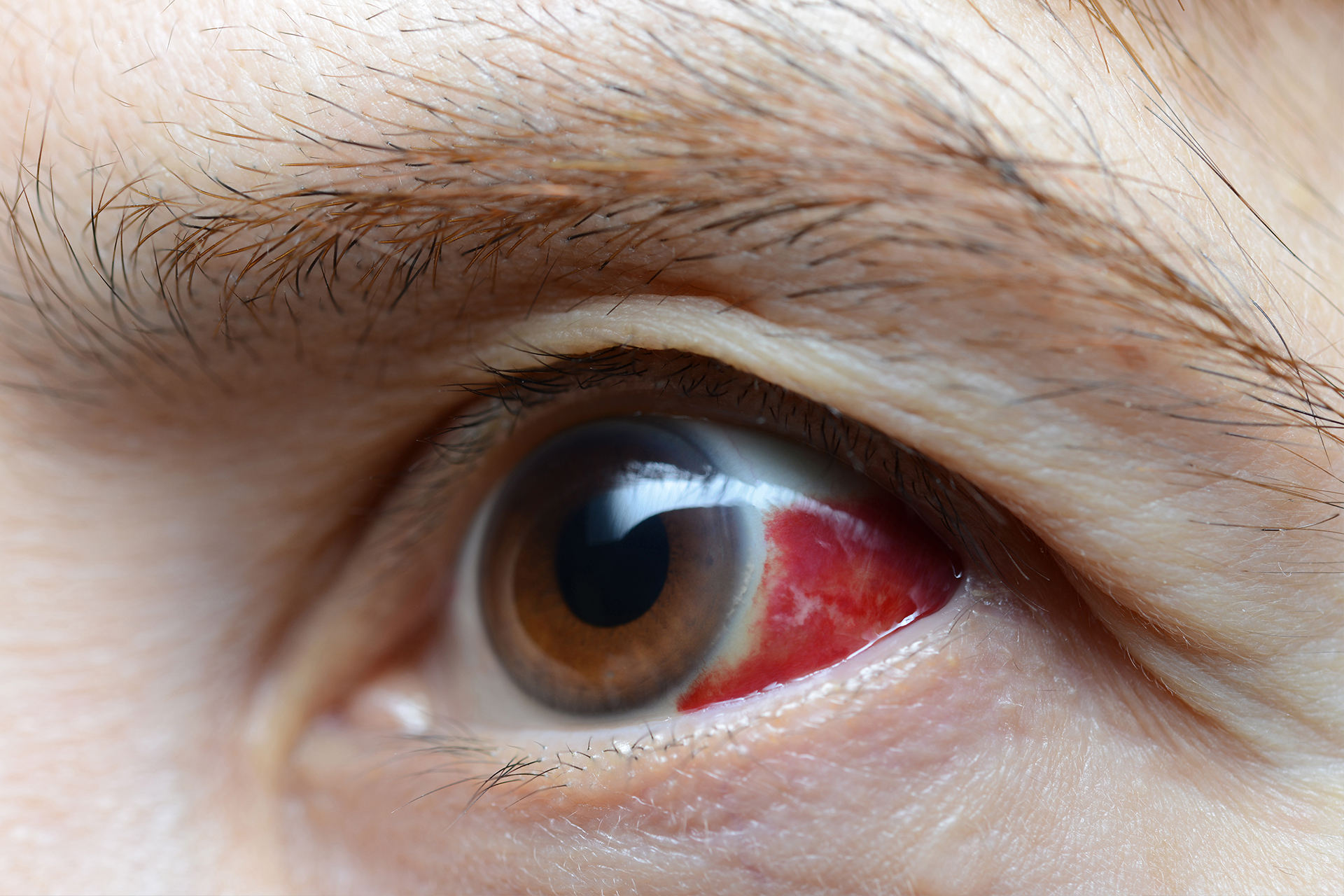
Other causes of dark or bruise-like eyelids may be congenital, meaning present at birth. These can include:
- blood vessel tumors of the eye (strawberry hemangioma)
- small, dark moles (nevi)
- noncancerous tumors (dermoid cysts)
- port-wine stains
- styes
Although some congenital eyelid conditions may not cause immediate symptoms, they can occasionally interfere with vision later in life if left untreated.
Risk factors
Individuals with lighter skin tones may have a greater risk of hyperpigmentation and visibly dark eyelids due to contrast and sun sensitivity. You may also face an increased likelihood of developing eyelids that look bruised if you:
- don’t consistently wear sunglasses outdoors
- skip sunscreen application around the eye area
- are experiencing hormonal fluctuations, such as during pregnancy or menopause
- have a family history of premature aging or inflammatory conditions
- were born with a congenital eyelid abnormality
Lifestyle factors—including inadequate sleep, chronic stress, smoking, and poor nutrition—can also influence skin quality and circulation, potentially worsening discoloration.
Home remedies
At-home care is typically the first step in reducing the appearance of dark or bruise-like eyelids. These methods are generally affordable and carry minimal side effects. While they may not fully eliminate the issue, they can improve overall skin appearance.
1. Cold compresses
Cold compresses are especially useful for constricting dilated blood vessels and decreasing inflammation. They may also reduce visible bruising caused by small broken capillaries.
You can purchase a reusable cold pack, or wrap a bag of frozen peas in a clean towel to shield your skin. Apply to the area for five to ten minutes at a time.
2. Elevate your head
Rather than lying completely flat, try sleeping with your head elevated using extra pillows or a reclining position. Elevation can promote better circulation and minimize fluid accumulation around the eyes, which may reduce swelling and discoloration.
3. Get more sleep
Although increasing sleep won’t directly cure pigmentation, lack of rest can make dark eyelids appear more noticeable. Insufficient sleep can make your skin look paler, causing darker areas to stand out more prominently. Aim for consistent, high-quality sleep to support healthy skin repair and circulation.
4. Wear concealer
Color-correcting concealers can help neutralize darkened eyelids. If you have lighter skin, a pink-toned concealer may help counteract bluish discoloration. For darker skin tones, peach or orange undertones can reduce the appearance of hyperpigmentation.
These products are widely available in cosmetic sections of drugstores and beauty retailers. Choose formulas labeled safe for the delicate eye area.
Over-the-counter (OTC) treatments
While home remedies may improve mild discoloration, they may not fully address persistent hyperpigmentation. Over-the-counter (OTC) skincare products formulated for the eye area can sometimes help.
Ingredients such as kojic acid and retinoids can help reduce hyperpigmentation by encouraging skin cell turnover and brightening uneven tone. However, these ingredients can be irritating and are often formulated for the face rather than the delicate eyelid area. Always choose products specifically labeled for use around the eyes, and consult your healthcare provider before beginning treatment.
Dermatological procedures
If conservative measures fail to produce results, a dermatologist may recommend in-office procedures, particularly if you’re still wondering, “Why is my eyelid bruise for no reason?” despite lifestyle adjustments.
Potential dermatologic treatments include:
- chemical peels
- laser resurfacing therapy
- surgical removal of tumors or accumulating melasma on the skin
- other surgical procedures, such as eyelifts
These procedures aim to reduce excess pigmentation, improve skin texture, or address structural concerns contributing to darkened eyelids.
Prevention
Protecting your skin is one of the most effective ways to prevent dark eyelids. Wear sunglasses that block both UVA and UVB rays, and consider wide-brimmed hats for additional protection. Apply a gentle, broad-spectrum sunscreen daily, including carefully around the upper eyelids.
You may also use foundation or concealer containing built-in sunscreen for added defense, taking care to avoid direct contact with the eyes. Consistent sun protection can significantly reduce UV-induced hyperpigmentation and premature aging.
For children born with eyelid abnormalities, a pediatrician may recommend surgery or prescription medications to address the underlying cause. Early intervention can help prevent future vision complications and further structural changes.
Takeaway
Dark or bruise-like eyelids can stem from a wide range of factors, including sun exposure, hormonal changes, aging, inflammation, medications, or congenital conditions. If you’re repeatedly asking, Why is my eyelid bruise for no reason, it’s important to consider both lifestyle factors and possible medical explanations.
If you’re uncertain about the cause of your eyelid discoloration, consult your doctor or dermatologist. A professional evaluation can help identify the underlying issue and guide you toward the most appropriate and safe treatment plan.




















Leave a Reply
You must be logged in to post a comment.