

Steroids may be prescribed for a sore throat when there is marked inflammation contributing to pain and discomfort.
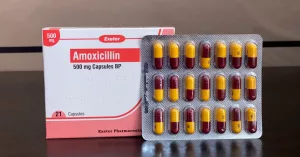
Sore throats are a frequent complaint in both adults and children. To ease symptoms, many people rely on over-the-counter options, while antibiotics may be recommended when a bacterial infection such as strep throat has been confirmed. In this context, many patients also wonder, What is amoxicillin and prednisone used for when managing throat infections? Amoxicillin is commonly used to treat bacterial infections like strep throat, whereas prednisone, a corticosteroid, may be added to reduce inflammation and improve symptom relief in more severe cases.

When inflammation is pronounced, healthcare professionals may prescribe corticosteroids. These medications help decrease inflammatory swelling, which can accelerate recovery and lessen throat pain. In some situations, antibiotics such as amoxicillin are combined with corticosteroids like prednisone to address both the infection and the inflammatory response. If you’re curious about Why do doctors prescribe steroids with antibiotics, it’s often to manage significant swelling and discomfort while the antibiotic treats the underlying bacterial cause.
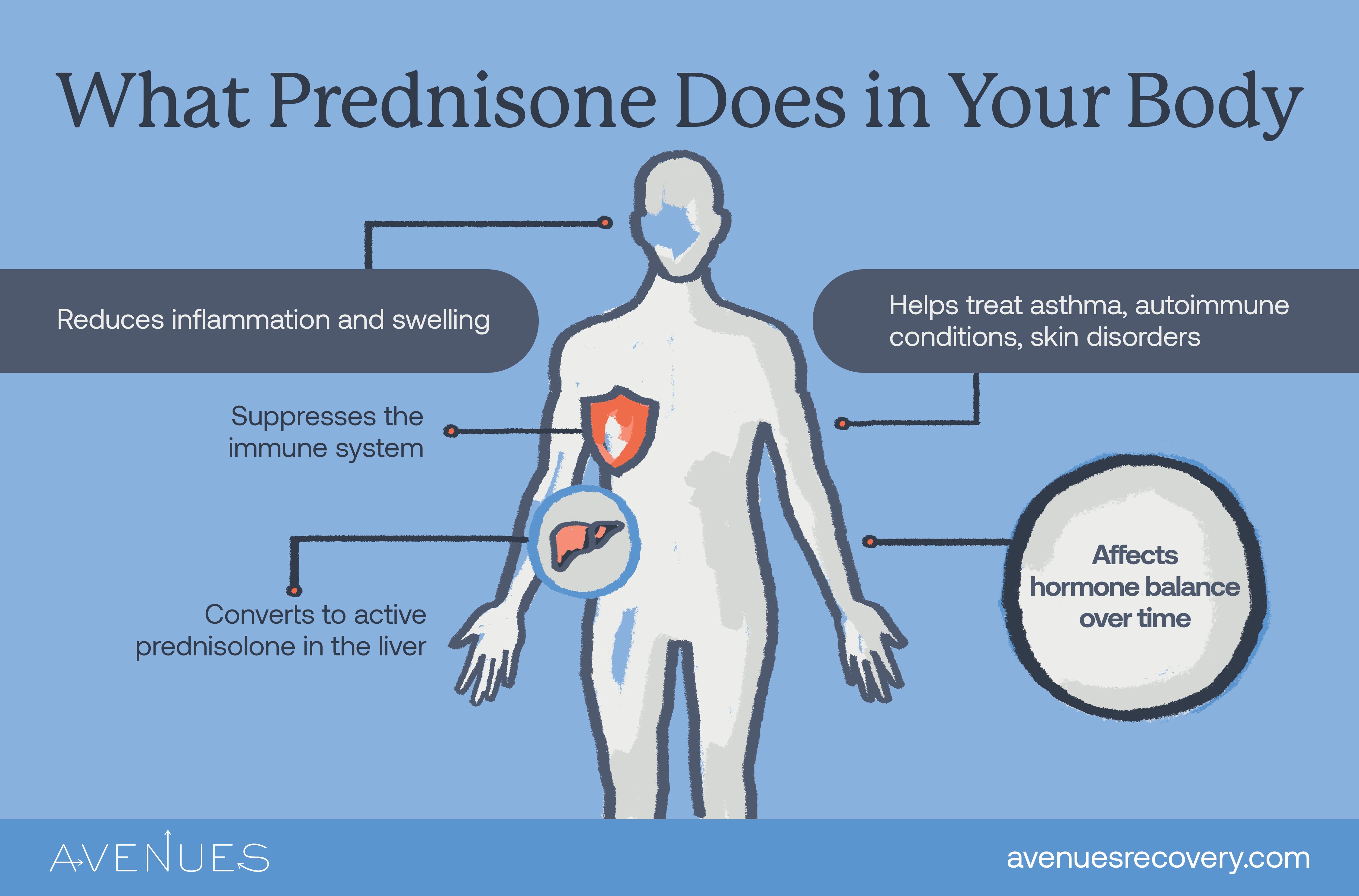
Are steroids recommended to treat a sore throat?
Corticosteroids may be recommended for sore throat treatment, particularly when there is substantial inflammation affecting swallowing or speaking.
Commonly prescribed corticosteroids for sore throat include:
- prednisone
- dexamethasone
- budesonide
These medications can be used in cases of both viral and bacterial infections. However, they are more frequently given alongside antibiotics in confirmed bacterial infections such as strep throat. For example, a provider might prescribe amoxicillin to eliminate the bacteria and prednisone to reduce swelling and pain.

That said, steroids are not considered a routine or first-line therapy for most sore throats. Supportive care and, when appropriate, antibiotics remain the standard initial approach.
Are steroids effective for a sore throat?
Corticosteroids can help relieve sore throat symptoms more quickly, especially when inflammation is significant.
In a review of nine trials including 1,319 participants, researchers evaluated how effective corticosteroids were for sore throat, either alone or in combination with other therapies. The majority of participants were also taking antibiotics.
The results showed that corticosteroids increased the likelihood of complete symptom resolution within 24 hours by 2.4 times and contributed to faster pain relief overall, although the benefits were considered moderate. This evidence helps explain What is amoxicillin and prednisone used for in certain throat infections: amoxicillin addresses the bacterial source, while prednisone may improve short-term comfort by decreasing inflammation.
When will doctors prescribe corticosteroids for a sore throat?
A doctor may consider prescribing corticosteroids for a sore throat in the following situations:
- significant inflammation
- severe or painful symptoms (especially when swallowing or speaking is difficult)
- allergic reactions (sore throat related to an allergy)
- infectious mononucleosis (mono)
- chronic or recurrent sore throats (such as those associated with tonsillitis or other underlying conditions)
In bacterial infections like strep throat, providers sometimes combine a corticosteroid with an antibiotic. If you’re wondering, Can you take steroids and antibiotics together, the answer is yes—when prescribed and monitored by a healthcare professional. This combined strategy may be used when symptoms are intense and rapid relief is a priority.
How quickly do steroids work for sore throat?
When corticosteroids are prescribed for a sore throat, the onset of action can vary depending on the medication type and the severity of symptoms. Here are some general guidelines:
- Topical steroids (throat sprays or inhalers): These act directly at the site of inflammation and may offer relief within a few hours to a day. They help reduce localized swelling and irritation in the throat.
- Oral corticosteroids (e.g., prednisone, dexamethasone): Oral forms usually take slightly longer to show noticeable effects compared to topical options. Some improvement may be felt within 12–24 hours, though the full benefit can take a couple of days. The exact timing depends on how severe the inflammation is and the underlying diagnosis.
Some evidence indicates that a single dose of oral corticosteroids increases the likelihood of symptom resolution within 48 hours in cases of acute sore throat. When combined appropriately with antibiotics such as amoxicillin for bacterial infections, this approach may both shorten symptom duration and improve comfort.
How do you know if a sore throat is viral or bacterial?
A viral sore throat generally has these characteristics:
- Often accompanied by cold or flu symptoms such as cough or runny nose.
- High fever is uncommon.
- Symptoms are typically milder.
- Tonsils may or may not appear enlarged.
- Lymph nodes are usually not swollen.
- Diagnosis is usually based on clinical symptoms rather than laboratory testing.
- Treatment focuses on rest, hydration, and over-the-counter remedies (antibiotics are ineffective against viruses).
A bacterial sore throat, on the other hand, often presents with:
- A sudden onset of symptoms.
- No accompanying cold or flu symptoms.
- High fever.
- More intense throat pain, often causing difficulty swallowing.
- Enlarged tonsils that may have white or yellow patches.
- Swollen and tender lymph nodes in the neck.
- Diagnosis confirmed by a strep test or throat culture.
- Requirement for a full course of antibiotics, such as amoxicillin, to effectively treat the infection.
Understanding whether the cause is viral or bacterial helps clarify What is amoxicillin and prednisone used for and whether either medication is appropriate in your specific case.
Potential side effects of steroids for a sore throat
Short-term side effects of corticosteroids may include:
- increased appetite
- insomnia
- mood changes
- fluid retention
- increased blood pressure
- digestive issues
Long-term use or high doses of corticosteroids may lead to:
- weakening of the immune system
- osteoporosis
- cataracts
- glaucoma
- adrenal suppression
- skin issues
Because of these potential risks, healthcare professionals carefully evaluate the benefits and drawbacks before prescribing prednisone or other corticosteroids, particularly if symptoms are mild or likely to resolve on their own.
Bottom line
Corticosteroids can help reduce sore throat symptoms, especially when inflammation is significant, and may contribute to symptom resolution within 48 hours.
However, they are not considered first-line therapy for most sore throats. Their use—whether alone or alongside antibiotics like amoxicillin—should be individualized based on the severity of symptoms, the confirmed diagnosis, and a patient’s overall health profile. Consulting a qualified healthcare professional ensures that treatment decisions are safe, appropriate, and medically accurate.


















Leave a Reply
You must be logged in to post a comment.