

Cellulitis and skin abscesses are both caused by bacterial infections affecting the deeper layers of the skin. Although they may occur separately or at the same time, each condition requires a different medical approach.
Your skin naturally hosts about 1,000 species of bacteria. Most of these microorganisms are harmless and even support overall skin health. However, when harmful bacteria penetrate beneath the surface — often through a break in the skin — they can trigger infection.
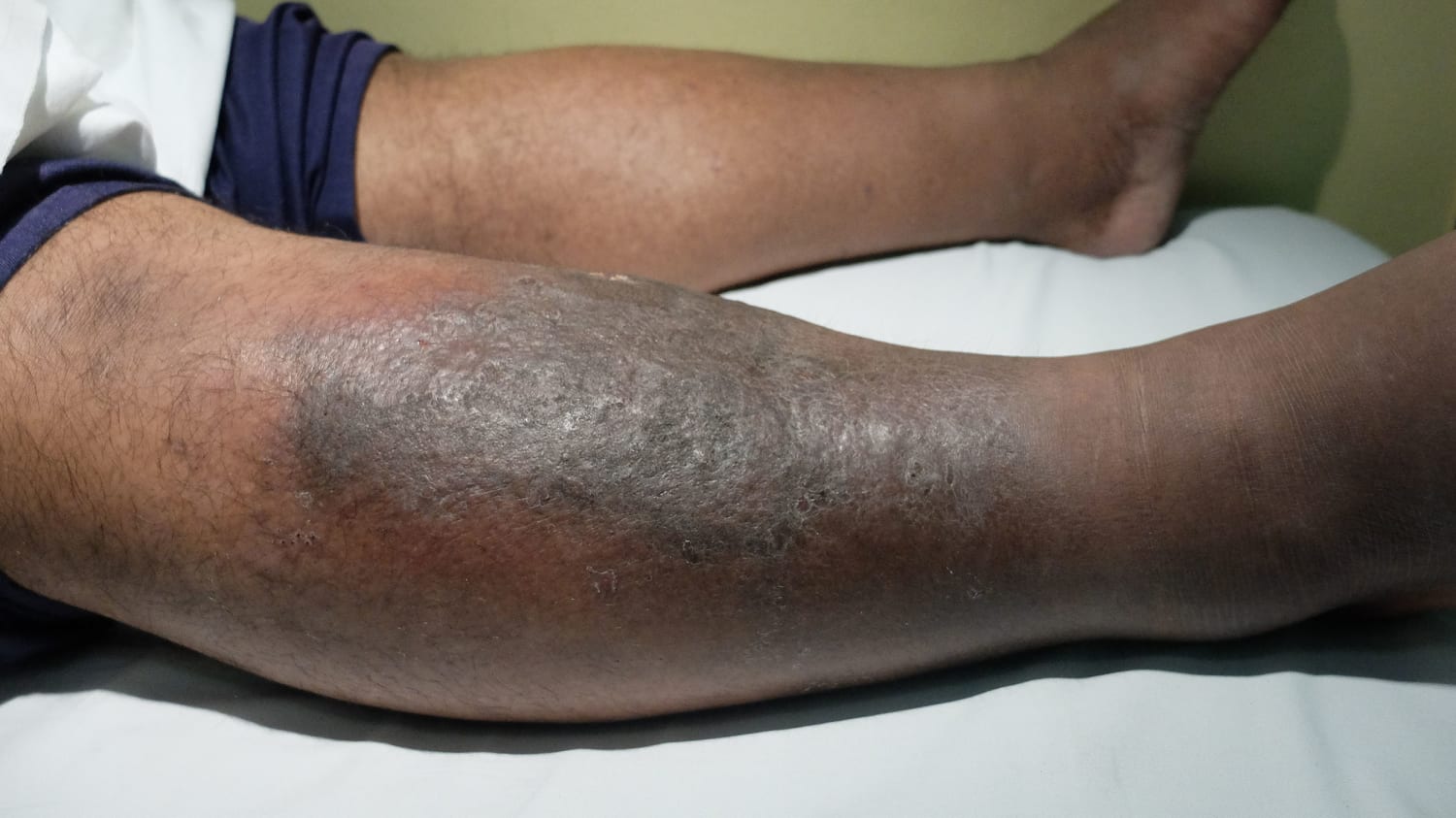
Cellulitis is one such bacterial skin infection. It leads to warmth, tenderness, redness or discoloration, and swelling, but it does not produce pus. Many people search for Pictures of cellulitis on the leg to better understand how this condition appears, since the legs are one of the most commonly affected areas.
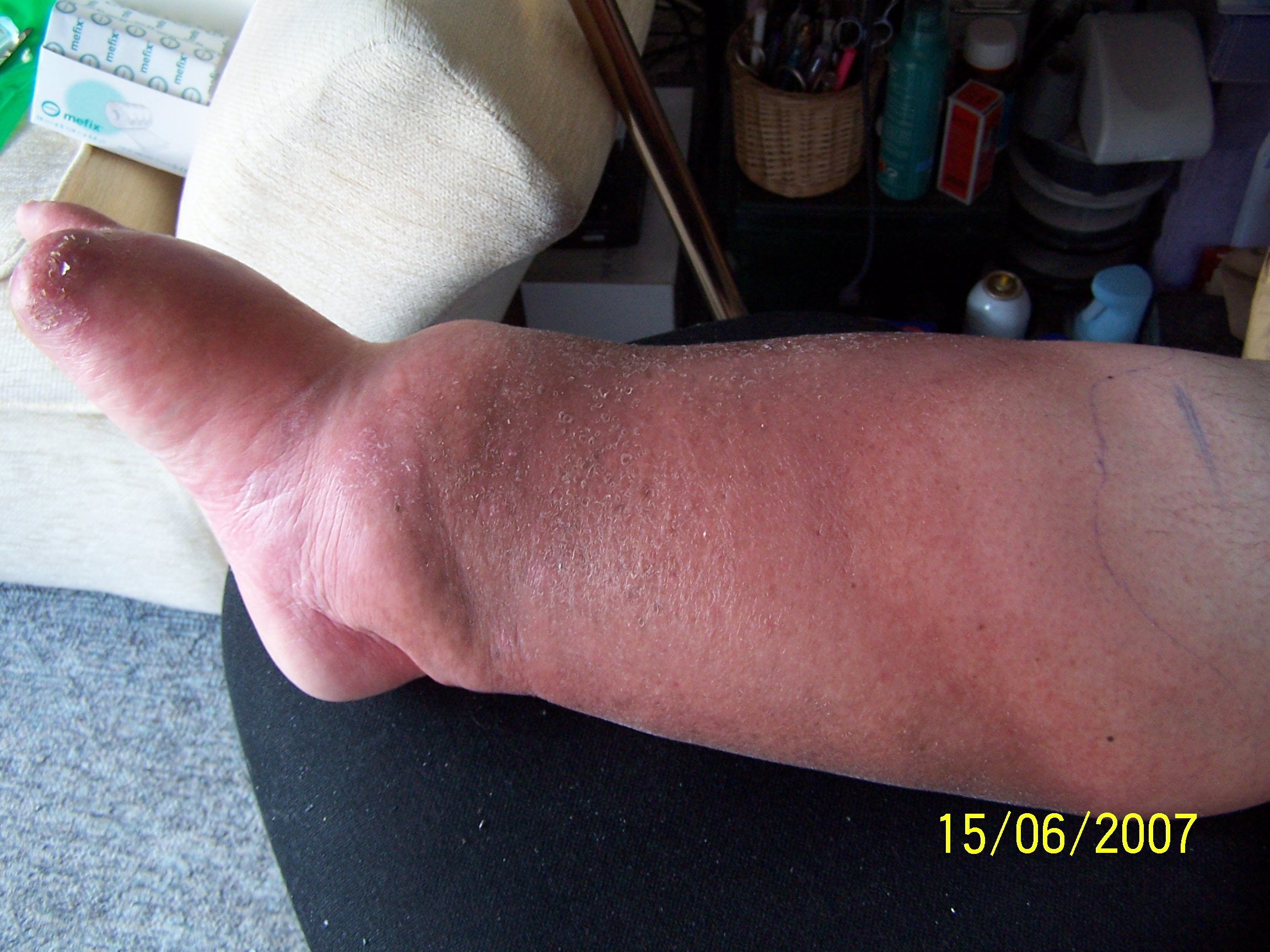
A skin abscess (cutaneous abscess), by contrast, is also an infection in the deeper skin layers but results in a localized pocket of pus.
Below, we explore how these conditions are connected, how they differ, and how healthcare professionals typically manage them. Reviewing clinical descriptions alongside reliable Pictures of cellulitis can help you recognize early warning signs and seek timely care.
What’s the difference between cellulitis and an abscess?
While cellulitis and skin abscesses are distinct diagnoses, they do share some symptoms, such as:
- skin inflammation or hyperpigmentation
- warmth or pain in the affected area
- swelling
Cellulitis can develop anywhere on the body, though it most frequently involves the legs. People often look up Pictures of cellulitis on the leg to compare symptoms like expanding redness, tenderness, and skin that feels warm to the touch. The infection may begin as a small area but can rapidly spread across a larger region. Systemic symptoms such as fever, chills, and fatigue may also occur, especially if the infection progresses.
In comparison, a skin abscess appears as a raised, painful bump. It is generally 1–3 centimeters in diameter, although it can grow significantly larger. Beneath the surface, there is a collection of pus. Some abscesses may rupture and drain spontaneously, while others remain enclosed. They can form anywhere but are most likely to develop in the groin, buttocks, armpits, or limbs.
Direct skin-to-skin contact with infected areas, pus, or drainage can spread bacteria responsible for both cellulitis and abscesses.
Who’s at risk of cellulitis or skin abscesses?
Although anyone can develop a bacterial skin infection, certain risk factors increase susceptibility, including:
- obesity or overweight
- diabetes
- other skin conditions
- injuries to the skin that bacteria can pass through
Additional contributors may include poor circulation, chronic swelling (edema), or a history of recurrent skin infections. Proper wound care and early treatment of minor cuts or abrasions can help reduce risk.
Pictures of cellulitis and abscesses
Visual comparison can be helpful when distinguishing between these infections. Reviewing trusted medical sources and Pictures of cellulitis on foot may offer further clarity, particularly since lower-extremity infections are common.
Can you have both cellulitis and an abscess?
It is possible to develop cellulitis, an abscess, or both at the same time — although one does not automatically cause the other.
However, some individuals with cellulitis face a higher likelihood of forming an abscess or experiencing additional skin infections. Factors that increase your chances include:
- a weakened immune system
- animal bites
- diabetes
- infections from antibiotic-resistant bacteria
Bacteria are responsible for both conditions. An abscess usually happens when bacteria enter through a wound, cut, or occasionally a hair follicle, leading to localized pus formation.
In most situations, healthcare providers can treat either condition — or both — in an outpatient setting, depending on severity.
When to contact a doctor
You should reach out to a healthcare professional if you notice symptoms consistent with cellulitis or a skin abscess. Without treatment, the infection may spread or become more serious.
If an infant under 3 months old develops signs of a skin infection along with a fever above 100.4ºF (38ºC), seek immediate medical care.
Warning signs that require urgent evaluation include rapidly expanding redness, severe pain, high fever, streaking redness, or signs of systemic illness.
What’s the treatment for cellulitis with an abscess?
Cellulitis is typically treated with antibiotics. Doctors often prescribe oral antibiotics, though intravenous antibiotics may be necessary if the infection is severe, spreading quickly, or not improving.
An abscess is most often managed through incision and drainage — a minor procedure in which a small cut is made in the skin to release pus. Depending on the clinical situation, antibiotics may or may not be required afterward.
If both cellulitis and an abscess are present, your doctor may recommend a combination of antibiotics and incision and drainage to fully address the infection.
Supportive care — such as elevating the affected limb, resting, and monitoring for changes — can also promote healing and reduce complications.
Know your ABCs of skin infections:Abscess vs. boil vs. carbuncle
Because skin abscesses can resemble other raised lesions, understanding their distinctions is important:
- Abscesses cause painful swelling and inflammation over an area filled with pus. On fair skin, they may appear red. On dark skin, they can look darker than the surrounding area.
- Boils are infections near the surface of the skin, typically involving hair follicles. They are painful, swollen, and covered by a thin layer of skin over fluid. On fair skin, they may look red or pink; on dark skin, they may appear darker.
- A carbuncle is a cluster of several boils grouped together, forming a larger lump that contains pus beneath the skin.
Frequently asked questions
Here are answers to common concerns about cellulitis and abscesses.
What comes first, cellulitis or an abscess?
Either condition can develop first. They may be caused by the same bacteria or by different strains.
People with cellulitis — particularly those with weakened immune systems — may have a higher risk of forming an abscess. Infections involving antibiotic-resistant bacteria may further increase this likelihood.
Additionally, pus from an abscess is highly contagious and contains bacteria capable of causing cellulitis or other skin infections in yourself or others.
Can you drain an abscess with cellulitis?
Incision and drainage is the main treatment for an abscess, whether or not cellulitis is also present. If cellulitis occurs without an abscess, antibiotics are the primary therapy.
Always consult a doctor for proper diagnosis and drainage, as attempting to drain an abscess at home can worsen infection or spread bacteria.
Do cellulitis abscesses go away on their own?
Some small abscesses may drain spontaneously and eventually resolve. However, medical evaluation is still important to ensure complete healing and to prevent complications or recurrence.
How long does it take for a cellulitis abscess to heal?
Healing time varies, but an abscess may take several weeks to fully resolve after treatment. When cellulitis is also present, doctors typically prescribe antibiotics for at least 5 days, with duration adjusted based on clinical response.
Takeaway
Cellulitis and skin abscesses are bacterial infections that can occur independently or together. Both may cause painful, swollen, and inflamed skin, but only an abscess involves a pocket of pus.
Healthcare providers usually treat cellulitis with antibiotics. For an abscess, incision and drainage is commonly recommended, and antibiotics may be added when necessary.
If you notice symptoms such as spreading redness, warmth, swelling, or a painful lump — especially after reviewing Pictures of cellulitis on the leg or similar medical images — contact a healthcare professional promptly. Early outpatient treatment is often effective and helps prevent complications.





















Leave a Reply
You must be logged in to post a comment.