
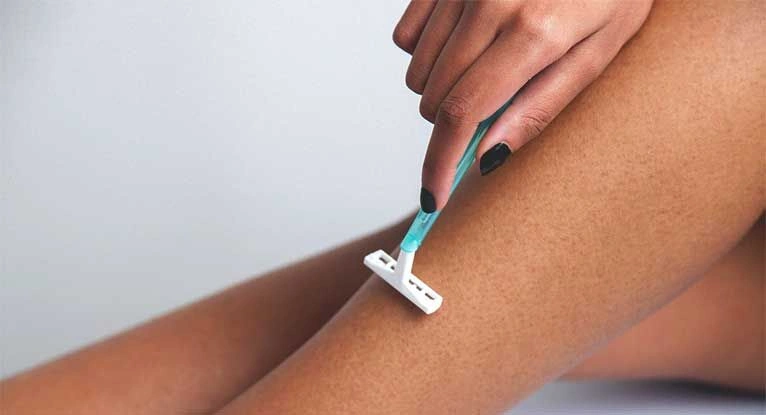
You might notice a temporary rash after shaving due to skin irritation. Treatment options may include hydrocortisone, chemical exfoliants, and practical preventive steps to help reduce future flare-ups.
Razor burn vs razor bumps is a common concern for anyone who removes body hair. Razor burn can affect anyone who shaves any area of the body. If you’ve ever developed a rash shortly after shaving, you were likely dealing with razor burn. This condition may also lead to:
- tenderness
- a burning or hot sensation
- itchiness
- small red bumps
These symptoms can appear anywhere you shave, including the face, legs, underarms, or bikini area. In most cases, razor burn is temporary and tends to resolve on its own with proper skin care.

If your symptoms are uncomfortable, there are several ways to ease irritation and support healing. Below, you’ll learn how to manage razor burn effectively and how to lower your risk of it returning. You can also explore How long does razor burn last for more insight into recovery timelines.
How to treat razor burn
Managing razor burn is often straightforward. In many cases, allowing the skin time to recover while using gentle, soothing measures is enough. Avoid shaving the irritated area until it has fully healed to prevent worsening inflammation.
To soothe heat or itching: Placing a cool, damp washcloth on the affected skin can help reduce warmth and discomfort. Natural options like aloe or avocado oil provide a cooling effect and are generally safe to apply directly to the skin.
To relieve dryness or irritation: If your skin feels dry or inflamed, gently rinse the area and pat it dry. Avoid rubbing, as friction can intensify irritation.
After drying, apply an emollient such as a fragrance-free lotion, aftershave balm, or moisturizer. Steer clear of products containing alcohol, since they may further irritate sensitive skin. If you prefer a natural moisturizer, coconut oil may help replenish hydration and support the skin barrier.
To reduce inflammation: When addressing inflammation, you can choose between home remedies and over-the-counter (OTC) treatments.
Common home remedies include:
- apple cider vinegar
- equal parts tea tree oil and water
If you prefer an OTC option, consider a topical cream containing hydrocortisone. Hydrocortisone can help decrease swelling and calm visible redness.
Shop for hydrocortisone cream.
To treat small bumps: If razor bumps appear, stop shaving the area until sores and bumps resolve. Healing may take up to three or four weeks. During this time, you can apply a topical cream such as cortisone to manage associated inflammation.
If bumps show signs of infection, seek medical advice. Indicators of infection include welts and pustules.
When infection is present, your doctor may prescribe an oral antibiotic. They may also recommend preventive treatments for future razor burn or bumps. For example, products containing retinoids may be prescribed to exfoliate the skin and reduce dead cell buildup on the surface.
Keep reading: 10 ways to get rid of or prevent razor burn »
How to prevent razor burn
Preventing razor burn starts with proper shaving technique and consistent skin care. Adopting healthier grooming habits can significantly reduce irritation.
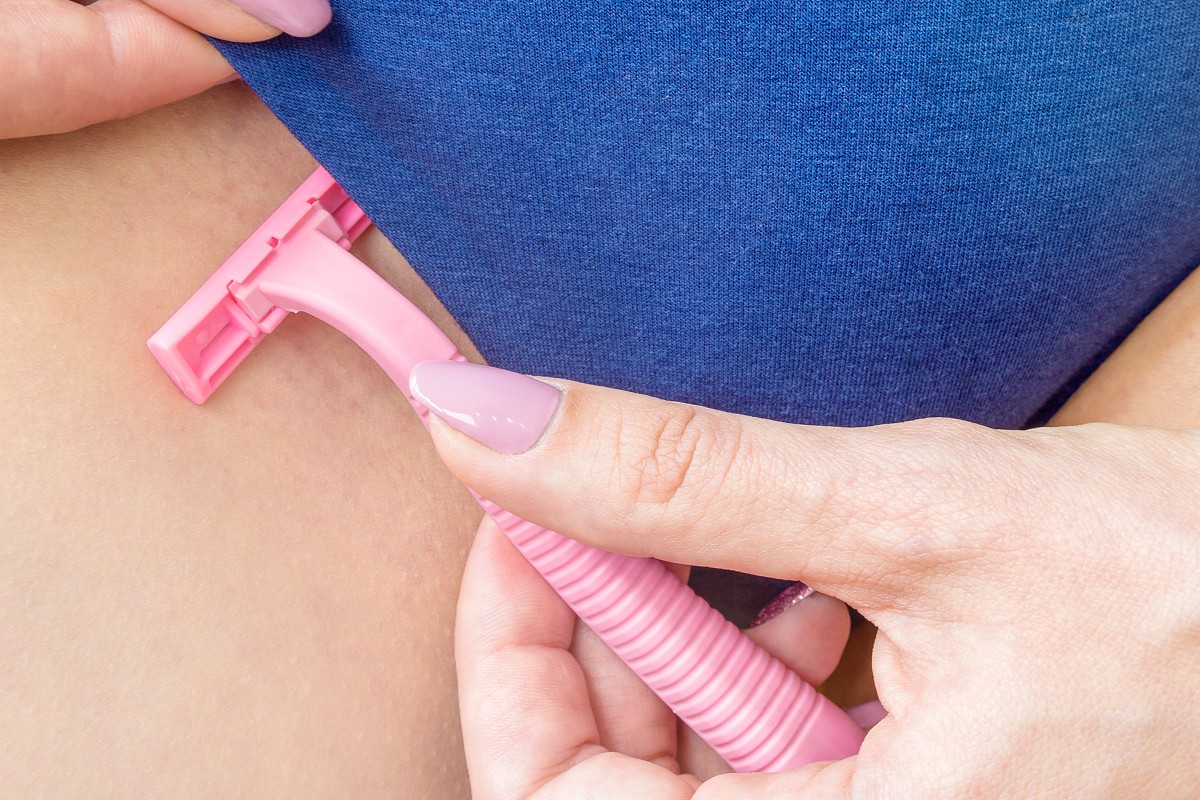
Tips and tricks
- Exfoliate regularly to remove dead skin cells and minimize clogged pores.
- Before shaving, apply a lubricant such as soap and water or shaving cream to reduce friction.
- Resist pulling your skin tight while shaving, as this can increase irritation.
- Shave in the direction of hair growth to decrease the risk of inflammation.
- Use light, short strokes instead of pressing firmly.
- Rinse your blade often during shaving to keep it clear of debris.
- After shaving, rinse with cold water or apply a cold washcloth to help close pores.
- Replace your razor or blade frequently to ensure it stays sharp.
- Consider switching to an electric razor or another hair removal method if irritation persists.
Adjusting your shaving frequency may also help. If you currently shave daily and have sensitive skin, switching to every other day or a few times per week may allow your skin more time to recover and maintain its natural protective barrier.
What causes razor burn?
Razor burn can develop for several reasons. There isn’t one single razor type or shaving product that universally causes it.
Common triggers include:
- shaving without a lubricant, such as soap and water or shaving cream
- shaving against the direction of hair growth
- using an old razor
- using a razor clogged with hair, soap, or shaving cream
- going over the same area multiple times
- shaving too quickly
- using shaving products that irritate your skin
Keep in mind that a razor is a grooming tool that requires regular maintenance. Even if you use proper lubrication and shave in the right direction, a dull or clogged blade can still lead to razor burn. Replacing blades consistently is one of the simplest ways to prevent irritation.
Is razor burn the same thing as razor bumps?
Although the terms are sometimes used interchangeably, razor burn and razor bumps are generally considered separate conditions. Understanding Razor burn vs razor bumps can help you choose the right treatment approach.
Razor burn typically occurs immediately after shaving and is linked to skin irritation. Razor bumps, on the other hand, develop when shaved hairs grow back and become ingrown.
Ingrown hairs can resemble raised bumps or acne-like lesions. They may occur after hair removal methods such as shaving, tweezing, or waxing. When hair regrows, it curls back into the skin instead of emerging outward.
Like razor burn, razor bumps may cause tenderness, inflammation, and a red rash.
Razor bumps are more frequently seen in individuals with curly hair, since curved hair shafts are more prone to re-entering the skin. A more severe form of razor bumps is called pseudofolliculitis barbae. This condition affects up to 60 percent of African American men and others with curly hair. In more serious cases, medical evaluation and treatment may be necessary.

Outlook
In most instances, razor burn improves within a few days without specific treatment. Razor bumps may take longer to clear, and shaving should be avoided while bumps are present.
If the affected skin appears infected or does not improve within a reasonable period, consult your doctor. Recurrent or chronic razor burn and razor bumps should also be evaluated by a healthcare professional.
Occasionally, a rash may not be related to shaving at all. If you suspect an allergic reaction to a shaving product or believe your symptoms stem from another cause, contact your doctor for an accurate diagnosis and appropriate care.



















Leave a Reply
You must be logged in to post a comment.