

Key takeaways
- Excessive sleepiness refers to sleeping longer than usual yet still feeling drowsy for most of the day. You may experience persistent sleepiness and fatigue for various reasons, including lifestyle habits, seasonal or weather changes, medication side effects, or underlying medical conditions.
- Frequent medical causes include sleep disorders such as sleep apnea, restless legs syndrome, and narcolepsy. Additional contributors may include depression, aging, and medical conditions like thyroid disorder or cancer.
- Treatment depends on the underlying cause. Options may include continuous positive airway pressure (CPAP) for obstructive sleep apnea, lifestyle strategies, therapy, or medication adjustments guided by a healthcare professional.
Addressing excessive sleepiness begins with identifying its root cause. A qualified healthcare professional can help evaluate your symptoms, pinpoint possible triggers, and outline next steps to restore your energy, focus, and daytime alertness.
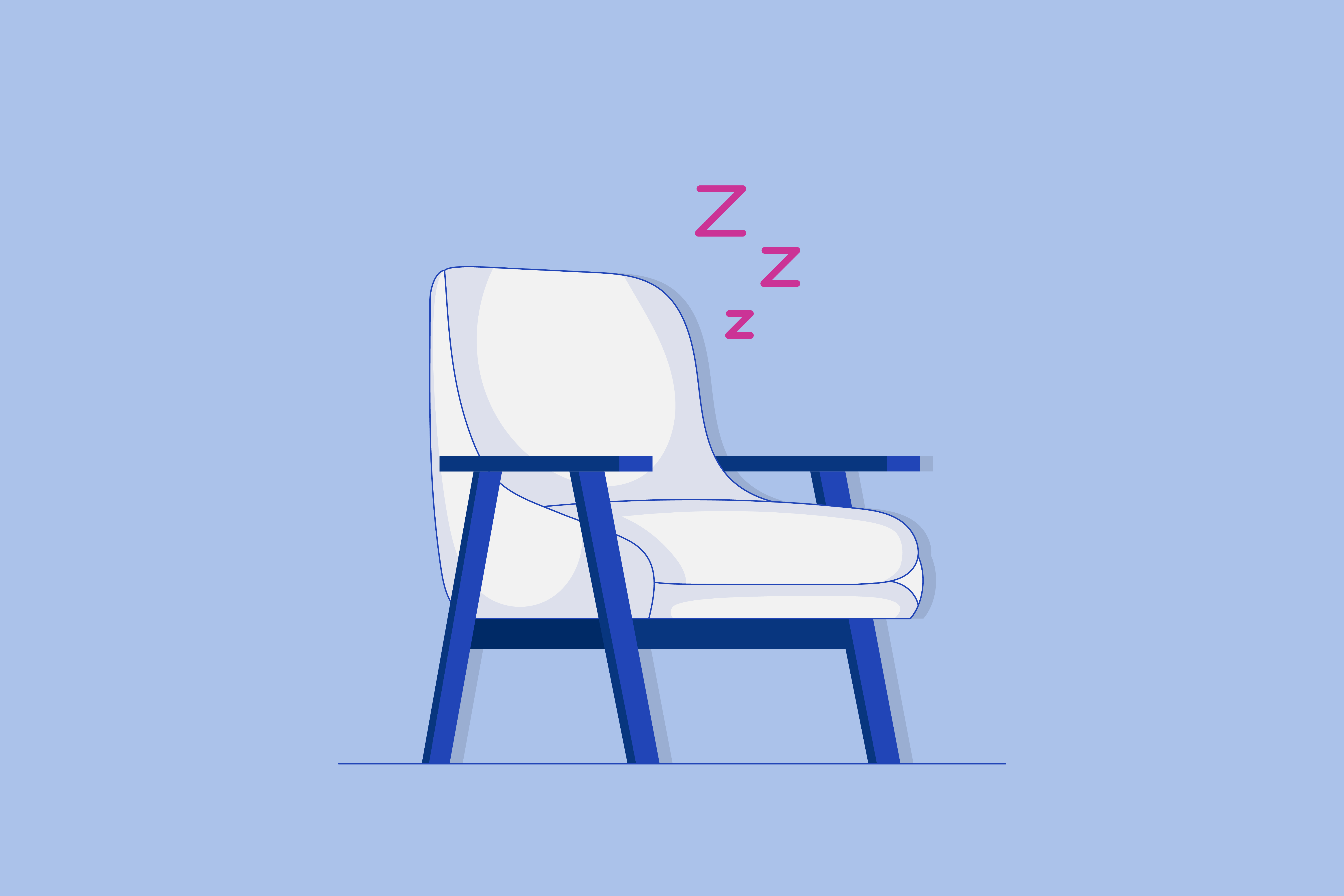
What is excessive sleepiness?
Excessive sleepiness can look different from person to person. Generally, it involves sleeping more hours than you typically would and still feeling sleepy throughout the day. If you’ve ever wondered, Why do I keep falling asleep when I sit down, this pattern of persistent drowsiness may be a sign of excessive sleepiness. You might feel overwhelmingly tired, struggle to keep your eyes open, or feel the urge to nap frequently — even after a full night’s rest.
Unlike fatigue, which is characterized more by low energy and physical or mental exhaustion, excessive sleepiness specifically refers to an increased tendency to fall asleep. It can interfere with school, work, relationships, and daily responsibilities. You may feel mentally foggy, distracted, or confused, similar to how you might feel shortly after waking up.
For individuals asking, “Why do I keep falling asleep when I sit down or relax for a few minutes?” it may signal that your body is not achieving restorative sleep or that another health issue is involved.

What causes excessive sleepiness?
Any condition that disrupts the quantity or quality of your sleep can contribute to excessive sleepiness. If you’re searching for answers to Why do I keep falling asleep when I sit down, understanding potential Nodding off causes may provide helpful insight.
Daytime drowsiness is often accompanied by other nighttime symptoms, such as snoring, frequent awakenings, restlessness, or leg movements during sleep. In many cases, a bed partner notices these signs before you do.
Not all causes are directly tied to sleep disruption. Certain medical conditions, including a thyroid disorder or cancer, can also trigger persistent daytime sleepiness.
Below are some of the most common causes of excessive sleepiness:
Sleep apnea
Sleep apnea is a potentially serious disorder in which breathing repeatedly stops and starts during sleep. These breathing interruptions can significantly reduce sleep quality and lead to pronounced daytime sleepiness.
Additional symptoms of sleep apnea may include:
- loud snoring and gasping for air while sleeping
- sore throat and a headache upon waking up
- attention and concentration challenges
- irritability
Sleep apnea may increase your risk of:
- high blood pressure
- heart disease
- type 2 diabetes
- obesity
This condition contributes to excessive sleepiness because it prevents you from reaching deep, restorative stages of sleep. The two primary types of sleep apnea are:
- Obstructive sleep apnea (OSA): Occurs when the tissue at the back of the throat relaxes during sleep and partially blocks the airway.
- Central sleep apnea (CSA): Develops when the brain fails to send appropriate nerve signals to the muscles that control breathing during sleep.
Restless legs syndrome
Restless legs syndrome (RLS) creates an uncontrollable urge to move one or both legs, often accompanied by uncomfortable sensations.
You may lie down to rest and suddenly experience throbbing, tingling, or itching feelings in your legs that improve only when you stand up and move. These repeated disruptions can delay sleep onset and fragment your sleep cycle, leading to excessive sleepiness the following day.
The exact cause of RLS is not always known, though it may affect up to 10% of adults in the United States. Possible contributors include a genetic predisposition, low iron levels, and dysfunction in the brain’s basal ganglia, which regulates movement.
Narcolepsy
Narcolepsy is a neurological disorder that disrupts the brain’s control over the sleep-wake cycle.
People with narcolepsy may wake frequently during the night, similar to insomnia, and experience sudden episodes of excessive daytime sleepiness. These sleep episodes can occur unexpectedly, even during conversations or meals.
Narcolepsy is relatively rare, affecting fewer than 200,000 people in the United States. It is sometimes misdiagnosed as a psychiatric disorder and often develops between ages 7 and 25.
Depression
Significant changes in sleep patterns are a common feature of depression. You may find yourself sleeping much more — or much less — than before.
Other symptoms of depression include low motivation, irritability, appetite changes, feelings of hopelessness, and loss of interest in previously enjoyable activities.
In some individuals, sleep disturbances are an early warning sign of depression. In others, they develop after other mood-related symptoms appear. Depression may stem from imbalances in certain brain chemicals, structural or functional changes in mood-regulating brain regions, or traumatic life events.
Medication side effects
Certain medications can cause drowsiness and excessive sleepiness as side effects. These may include medications prescribed for:
- high blood pressure
- depression
- nasal congestion (antihistamines)
- nausea and vomiting (antiemetics)
- psychosis
- epilepsy
- anxiety
If you suspect your prescription medication is contributing to sleepiness, consult your prescribing doctor. Do not stop taking any medication without medical supervision. Your healthcare professional may adjust the dosage or recommend an alternative.
Aging
Older adults often spend more time in bed but experience the lowest quality of sleep.
Normal aging can alter biological rhythms, reduce time spent in deep sleep, and increase nighttime awakenings. Chronic mental or physical health conditions common in older adults may further disrupt sleep and lead to daytime sleepiness.
Idiopathic hypersomnia
When no clear explanation for excessive sleepiness can be identified, a healthcare professional may diagnose idiopathic hypersomnia (IH). “Idiopathic” indicates that the cause is unknown.
IH is a chronic sleep disorder marked by persistent excessive sleepiness despite adequate or prolonged sleep. Individuals with IH may also struggle to wake up and feel unrefreshed even after long sleep periods.
How is excessive sleepiness treated?
Treatment for excessive sleepiness depends entirely on the underlying cause. If you’ve been asking, Why do I keep falling asleep when I sit down, a thorough medical evaluation can help determine the most appropriate intervention. In some cases, sudden changes in sleep patterns may warrant exploring concerns such as Why am I sleeping too much all of a sudden.
Sleep apnea
Continuous positive airway pressure (CPAP) therapy involves a bedside machine that delivers pressurized air through a hose connected to a mask worn over the nose and mouth.
Modern CPAP devices are typically quieter and feature more comfortable mask designs. Although some individuals find CPAP challenging at first, it remains the most effective treatment for obstructive sleep apnea.
Restless legs syndrome
RLS symptoms may improve with lifestyle adjustments. Gentle leg massage or a warm bath before bedtime can ease discomfort. Regular daytime exercise may also support healthier sleep patterns.
If iron deficiency is identified, your healthcare professional may suggest iron supplements. Prescription medications may also be used to manage symptoms, and discussing potential side effects is recommended.
Narcolepsy
Managing narcolepsy often involves lifestyle modifications. Short, scheduled naps during the day may reduce unexpected sleep episodes. Maintaining a consistent sleep-wake routine is also beneficial.
Additional strategies include:
- engaging in regular physical activity
- avoiding caffeine or alcohol at least 4 hours before bedtime
- quitting cigarette smoking
- relaxing for 30 minutes before bed
These habits may improve nighttime sleep quality and help decrease daytime sleepiness. Depending on individual needs, a healthcare professional may recommend additional therapies.
Depression
Depression is treatable and may respond well to talk therapy, medications, or a combination of both. Supportive lifestyle practices — such as regular exercise, limiting alcohol intake, eating a nutrient-dense diet, and stress management — can further enhance recovery.
Without treatment, depression may worsen or persist. Appropriate care can help build coping skills and relieve symptoms, including sleep disturbances.
Age-related sleep problems
The same behavioral strategies used for narcolepsy and insomnia — consistent sleep schedules, physical activity, and relaxation techniques — may also benefit older adults. If lifestyle changes are insufficient, a healthcare professional may consider other therapeutic options, including sleep medications.
Idiopathic hypersomnia
Treatment for IH typically focuses on symptom relief. Stimulant medications, dietary adjustments, and lifestyle modifications may help improve daytime alertness and functioning.
.png?width=2240&name=Reasons%20you%20May%20Fall%20Asleep%20at%20Work%20(And%20How%20to%20Prevent%20It).png)
Frequently asked questions
Why do I want to sleep all the time?
Constantly wanting to sleep may reflect physical or mental fatigue, an underlying medical condition, inadequate nutrition, environmental factors, or a sleep disorder. For example, hot and humid climates can increase feelings of drowsiness, especially if you are not accustomed to them. Inadequate intake of essential nutrients and calories can also contribute to persistent sleepiness.
Why am I having excessive sleepiness?
Excessive sleepiness means feeling much sleepier than usual despite sufficient sleep duration. A healthcare professional can evaluate potential causes, which may include chronic health conditions or recent lifestyle changes.
What deficiency causes excessive sleepiness?
Low blood levels of iron and vitamin B complex may sometimes contribute to excessive sleepiness and fatigue. Restrictive diets lacking proteins, healthy fats, or carbohydrates can also lower energy levels. Only a healthcare professional can determine whether nutritional deficiencies are involved.
How do I stop being so sleepy all the time?
Reducing excessive sleepiness starts with identifying its cause. A healthcare professional can guide this process and recommend tailored strategies, which may include medications, dietary changes, increased physical activity, or talk therapy.
The bottom line
Excessive sleepiness can stem from many different causes, ranging from sleep disorders to medical conditions or lifestyle factors. If you repeatedly find yourself asking, Why do I keep falling asleep when I sit down, it may be time to explore the underlying reason.
If you’re feeling more tired and sleepy than usual, consider discussing your symptoms with a healthcare professional. After a detailed evaluation and possible testing, they can recommend a personalized treatment plan suited to your needs.
If you don’t already have a primary care specialist, you can browse healthcare professionals in your area through the HealthEH FindCare tool.




















Leave a Reply
You must be logged in to post a comment.