
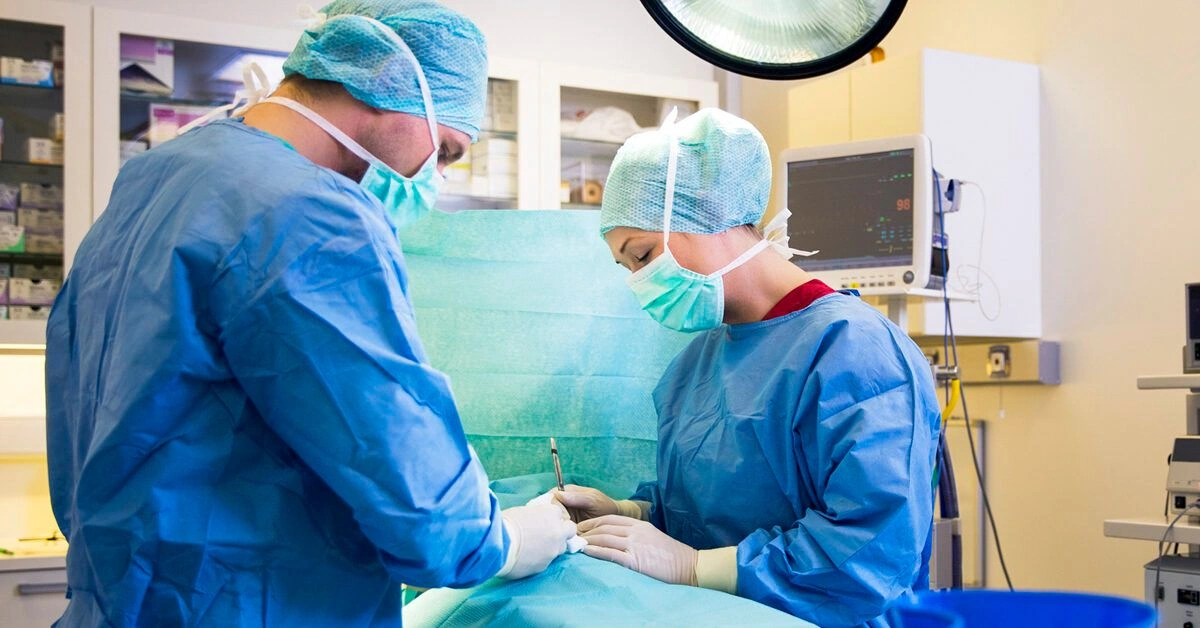
Some individuals notice side effects following gallbladder removal, including diarrhea, trouble digesting fatty foods, or in rare cases, intestinal injury and infection. In certain situations, people may also worry about Liver problems after gallbladder removal, especially if digestive symptoms persist or new discomfort develops in the upper abdomen.
The gallbladder is a small, pouch-shaped organ located on the right side of the abdomen. Its primary role is to store and release bile, a fluid produced by the liver that helps break down fats during digestion. When the gallbladder is removed, bile flows directly from the liver into the small intestine. Although most people adjust well to this change, some may experience temporary or longer-lasting digestive concerns.

The most common types of gallbladder disease develop when bile contains excessive cholesterol or bilirubin, a pigment made by the liver. This imbalance can result in:
- gallstones
- acute or chronic inflammation caused by gallstones
- bile duct stones
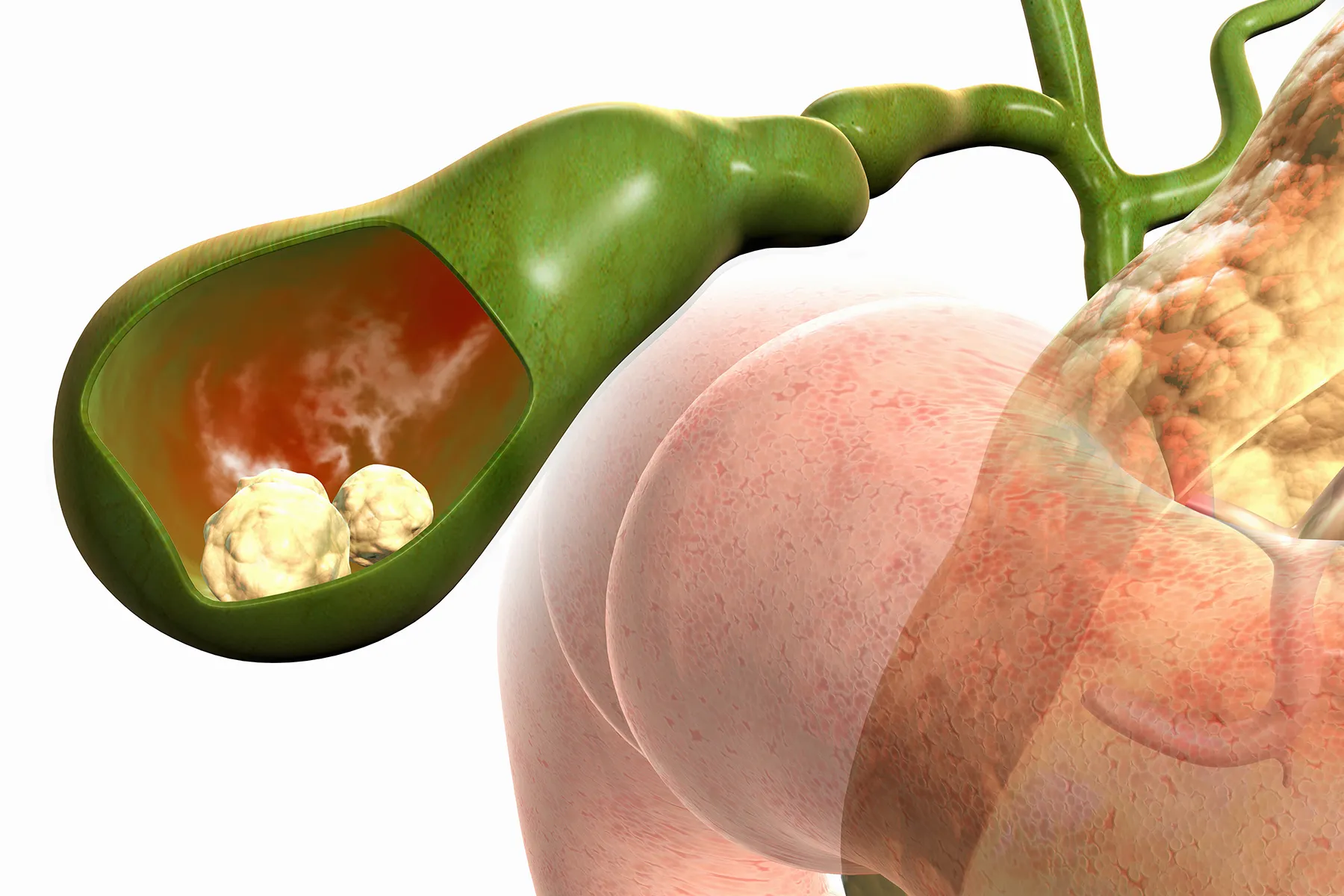
If symptoms become severe, persistent, or begin to affect overall health, a doctor may recommend gallbladder removal through open surgery or a minimally invasive laparoscopic approach.
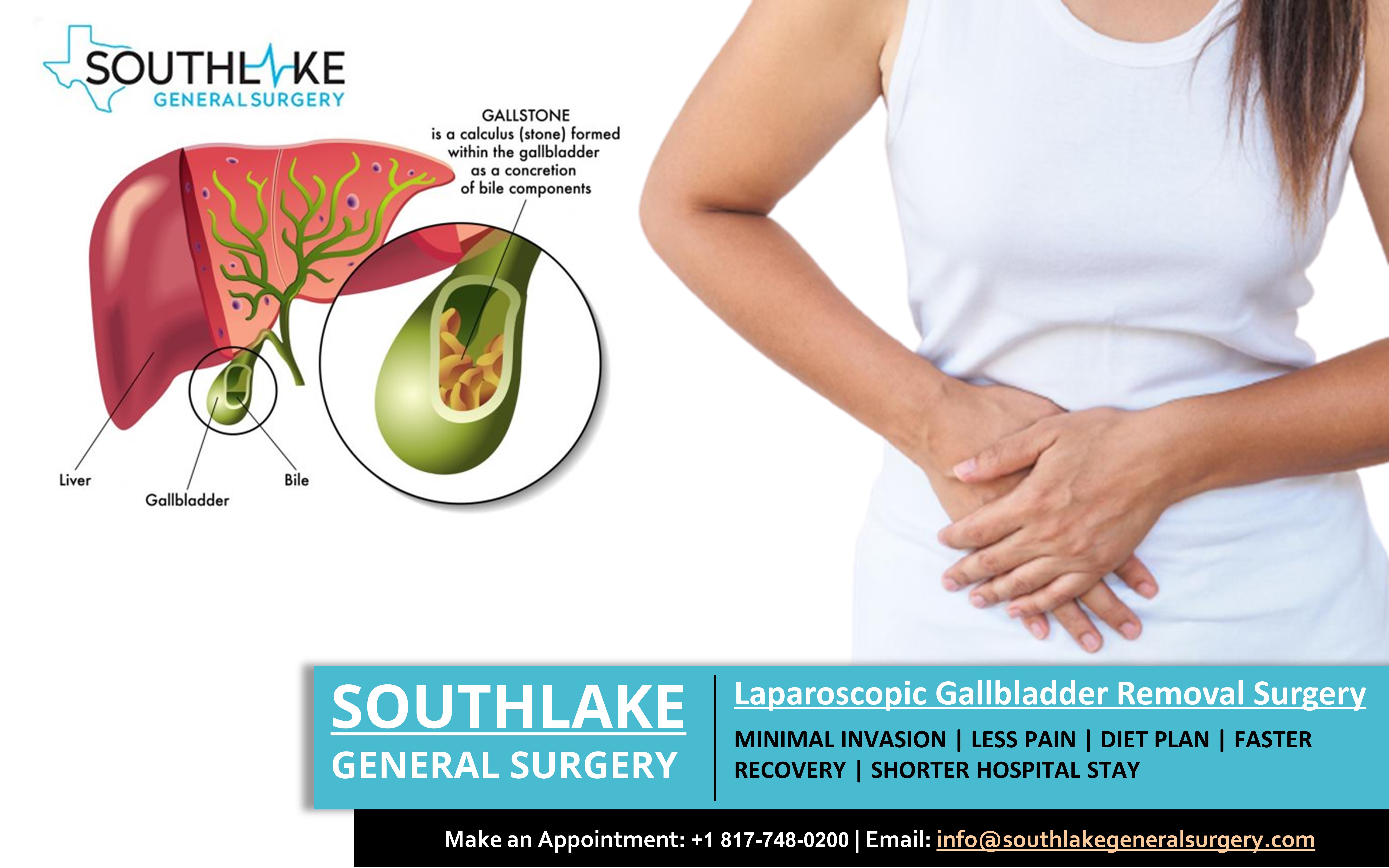
Fortunately, it’s entirely possible to live a full and healthy life without a gallbladder. The procedure itself is considered routine and generally safe. However, as with any surgery, there remains a possibility of side effects afterward. Some people researching the Long-term effects of gallbladder removal may also wonder whether changes in bile flow could contribute to ongoing digestive symptoms or concerns about liver health.
Gallbladder surgery side effects
All surgical procedures carry some degree of risk. Potential complications include bleeding at the incision site, movement of surgical materials to other parts of the body, postoperative pain, or infection — which may or may not be accompanied by fever. Digestive disturbances are also possible after gallbladder removal as the body adapts to the continuous flow of bile.
Difficulty digesting fat
Your digestive system may require time to adjust to processing fat without a gallbladder. Medications administered during surgery can also temporarily disrupt digestion. For most people, these symptoms are short-lived. In some cases, longer-term issues may arise, often linked to bile leakage into nearby organs or gallstones that remain lodged in the bile ducts.
Because bile is no longer stored and concentrated, it drips steadily into the intestines. This can affect how efficiently fats are emulsified, occasionally leading to bloating or discomfort after high-fat meals.
Diarrhea and flatulence
Digestive imbalance may lead to diarrhea or increased gas. These symptoms are often worsened by consuming excess dietary fat or not eating enough fiber. If bile leaks or does not adequately regulate fat digestion, stool may become loose due to unabsorbed fat in the intestines.
Persistent diarrhea can be frustrating and, in rare situations, may raise concerns about dehydration or nutrient absorption. Adjusting dietary habits usually helps regulate bowel movements over time.
Constipation
While removing a diseased gallbladder frequently relieves chronic constipation related to gallbladder dysfunction, the surgery itself — along with anesthesia — can trigger short-term constipation. Reduced fluid intake after surgery may further aggravate this issue. Staying hydrated and gradually reintroducing fiber can support bowel regularity.
Intestinal injury
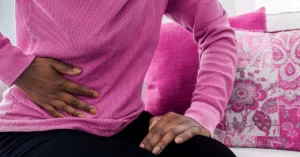
Although uncommon, there is a slight risk that a surgeon could damage the intestines during gallbladder removal. This complication may cause abdominal cramping. Mild pain is expected after any surgical procedure, but if discomfort persists beyond a few days or intensifies rather than improves, contact your doctor promptly.
Jaundice or fever
If a stone remains trapped in a bile duct after surgery, it can lead to significant pain or jaundice, which causes yellowing of the skin and eyes. A complete blockage may result in infection and fever, requiring immediate medical attention. These symptoms can sometimes overlap with concerns about Liver problems after gallbladder removal, so timely evaluation is essential to determine the exact cause.
Gallbladder surgery recovery
In the absence of complications, recovery from gallbladder surgery is typically straightforward.
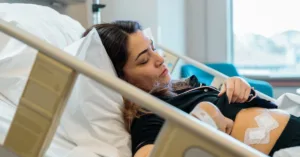
To promote optimal healing, your physician may advise staying in the hospital for three to five days following open surgery. With laparoscopic (keyhole) surgery, many patients return home the same day. Recovery experiences can differ, and factors such as age, overall health, and in women, considerations related to Female gallbladder surgery recovery time may influence how quickly normal activities resume.
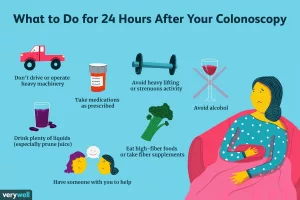
Regardless of the surgical method, avoid strenuous physical activity for at least two weeks.
Your healthcare team will explain how to keep the incision area clean and monitor for signs of infection. Avoid showering until your doctor confirms it is safe to do so.
A liquid or bland diet may be recommended for the first few days. Gradually reintroduce regular foods as tolerated. Drink water consistently throughout the day. Focus on simple fruits and vegetables while minimizing highly salty, sugary, spicy, or fatty foods.
Fiber supports healthy digestion after surgery, but increase your intake gradually. Initially limit:
- nuts
- seeds
- whole grains
- brussels sprouts
- broccoli
- cauliflower
- cabbage
- high-fiber cereals
Introducing these foods slowly can help prevent bloating and cramping as your digestive tract adapts.
When to see a doctor
Some discomfort after surgery is expected. However, seek medical care immediately if you experience:
- pain that does not improve, new abdominal pain, or worsening pain
- severe nausea or vomiting
- yellowing of the skin or whites of the eyes
- no bowel movement or inability to pass gas for more than three days after surgery
- diarrhea lasting three or more days after surgery
These symptoms may signal complications involving the bile ducts, infection, or in rare instances, issues affecting liver function.
Alternatives to surgery
Gallbladder removal is generally considered when other treatments are ineffective or symptoms are severe. If surgery is not urgent, lifestyle modifications may be worth exploring first.
Diet and exercise
Achieving and maintaining a healthy weight can lower the risk of pain and complications associated with gallbladder disease by decreasing cholesterol levels and inflammation that contribute to gallstone formation.
A diet that is lower in fat and higher in fiber, rich in fruits and vegetables, may enhance gallbladder and overall digestive health. Replace animal fats, fried foods, and processed oily snacks with olive oil and other healthier fats. Reduce or eliminate added sugars.
Consistent physical activity helps regulate cholesterol levels and may decrease the likelihood of gallstones. Magnesium deficiency has been linked to an increased risk of gallstones. Incorporating magnesium-rich foods such as dark chocolate, spinach, nuts, seeds, and beans may support gallbladder function.
Gallbladder cleanse
A gallbladder cleanse typically involves fasting for up to 12 hours, followed by drinking a mixture such as 4 tablespoons of olive oil combined with 1 tablespoon of lemon juice every 15 minutes for two hours.
Tonics
Apple cider vinegar and turmeric have demonstrated anti-inflammatory properties. When mixed with warm water, they can be consumed as a tea-like beverage and may provide symptom relief for some individuals. Peppermint tea, which contains menthol, is also considered soothing by many people.
Some studies suggest turmeric may influence gallstone formation. However, if you already have gallstones, use caution. One 2002 study involving 12 healthy participants showed a 50 percent contraction of the gallbladder due to curcumin, which could potentially trigger pain.
Supplements
In addition to magnesium, choline also contributes to gallbladder function.
According to the Harvard Health Letter, bile salts may be beneficial, particularly if the liver produces thick bile. Bile acids are also available in prescription formulations.
If you have gallstones or a blocked bile duct, consult a doctor or registered dietitian before starting any supplement.
Acupuncture
Acupuncture may offer relief for some individuals with gallbladder disease. It may work by enhancing bile flow while decreasing spasms and discomfort.
While diet and exercise are evidence-based strategies for lowering the risk of gallbladder complications, other approaches such as cleanses, tonics, and supplements have not been extensively studied and may carry potential side effects. Always discuss these options with your healthcare provider before trying them.
Takeaway
Gallbladder removal is a common and generally safe procedure. Still, side effects can occur. Understanding how to recognize and manage symptoms — including digestive changes and possible Liver problems after gallbladder removal — can help you navigate recovery with greater confidence. Close communication with your healthcare provider before and after surgery supports a smoother healing process and long-term digestive health.











Leave a Reply
You must be logged in to post a comment.