

CBD has demonstrated notable anti-inflammatory properties. Still, further studies are required to determine whether CBD oil could be integrated into conventional COPD treatment plans.
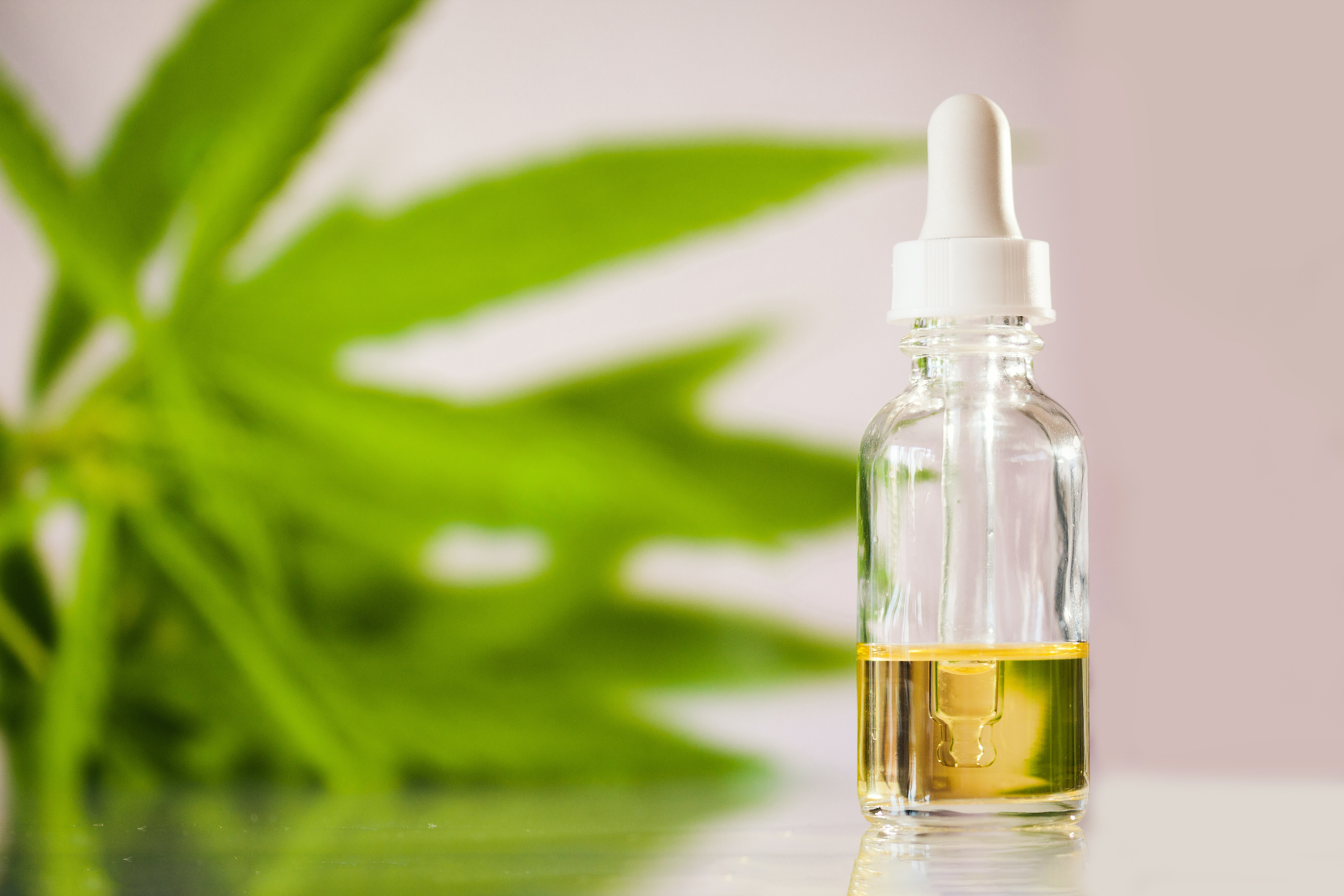
Cannabidiol (CBD) and delta-9-tetrahydrocannabinol (THC) are two active components derived from cannabis plants.
THC is primarily responsible for cannabis’s psychoactive effects. CBD offers some of the therapeutic advantages attributed to THC but without producing intoxication. Many people use CBD oil to ease anxiety, discomfort, and inflammation.
CBD might also offer benefits for conditions such as chronic obstructive pulmonary disease (COPD), although additional research is necessary.
COPD refers to a group of lung disorders that provoke inflammation and obstruct airflow. This inflammation often results in chest tightness and difficulty breathing.
What does the research indicate about CBD and COPD?
A 2015 animal study on mice found that CBD helped reduce lung inflammation. Reduced inflammation can ease breathing.
A 2020 investigation reported that cannabis oil may influence gene activity in human airway cells related to inflammation. The oil tested contained CBD, cannabidiolic acid (CBDA), THC, and tetrahydrocannabinolic acid (THCA).
The research did not separate the individual effects of THC versus CBD.
THC has been found to dilate airways, though many CBD formulations contain minimal THC. While hemp-derived CBD products are legal across U.S. states and territories under certain conditions, THC remains federally regulated.
There isn’t sufficient evidence at this time to recommend using CBD in conjunction with or as a substitute for prescribed COPD medications. More clinical trials are necessary.
Preliminary studies have also explored whether CBD could aid people trying to stop smoking. In a small 2013 trial, participants who used CBD as needed smoked about 40% fewer cigarettes than those given a placebo.
How does CBD oil function?
CBD modulates the body’s endocannabinoid system. The endocannabinoid system influences signaling in the central nervous system and affects numerous bodily functions, including:
- mood
- appetite
- energy levels
- memory
- sleep
- digestion
- cardiac function
To produce CBD oil, CBD is extracted from the cannabis plant and combined with a carrier oil. The carrier oil assists in CBD absorption by the body.
Taking CBD oil sublingually (held under the tongue) is believed to allow it to enter the bloodstream more rapidly via the capillaries beneath the tongue compared with swallowing a capsule. However, more research is needed to confirm differences in absorption and onset.
What dose of CBD oil is appropriate for COPD?
There is not enough evidence to advise a specific type or dosage of CBD oil for COPD. CBD oil is generally regarded as safe, but it may not be suitable for everyone.
Product labels indicate the quantity of CBD per serving. Because CBD oil is not classified as a medication, standardized dosing guidelines are lacking.
If you choose to try CBD oil, you may need to titrate the dose to find what works best for you. Packages usually provide suggested dosing, but labeling may be inaccurate at times.
Start with a low dose and observe how you respond. Keep in mind that effects might take days or weeks to become apparent.
Risks and precautions when considering CBD for COPD
Choose CBD products that include a certificate of analysis (COA), which may appear as a QR code on the label or packaging.
The COA, produced by an independent laboratory, details the product’s contents, verifying the true CBD concentration and identifying any contaminants or unwanted substances.
CBD can affect some medications similarly to grapefruit, so it may interact with drugs that carry a grapefruit warning. Some users report side effects such as drowsiness or gastrointestinal upset.

How much does CBD oil cost?
CBD products are not sold as over-the-counter or prescription medications and typically aren’t covered by insurance.
Expect to pay roughly $0.10–$0.20 per milligram of CBD. A bottle of CBD oil commonly ranges from $50 to $100 or more, depending on quality, formulation, and whether ingredients are organic.
The takeaway
Initial research suggests CBD could lessen lung inflammation and might help with smoking cessation. Nevertheless, larger, well-designed studies are needed before CBD can be recommended as a treatment for COPD.
Is CBD legal? The 2018 Farm Bill removed hemp from the legal definition of marijuana in the Controlled Substances Act, making many hemp-derived CBD products with less than 0.3% THC legal at the federal level. Products containing more than 0.3% THC still qualify as marijuana under federal law. State laws vary, so check regulations where you live or travel. Also note the FDA has not approved most nonprescription CBD products, and labeling may sometimes be inaccurate.
Related reading: blue bloater copd and cbd oil for gout.





















Leave a Reply
You must be logged in to post a comment.