

Key takeaways
- Acid reflux does not directly create gas or bloating, but shared triggers—such as specific foods, swallowing excess air while belching, and overlapping conditions like IBS—can contribute to both.
- Lifestyle strategies, including dietary modifications and avoiding alcohol and smoking, along with over-the-counter treatments, may help control GERD symptoms and excessive gas.
- If acid reflux, bloating, or gas happens frequently, consult a doctor to determine the root cause and create a tailored treatment plan.
Passing gas and experiencing bloating can feel uncomfortable or embarrassing, yet they are typically normal bodily functions. Acid reflux, in contrast, can be more than a minor nuisance. When it becomes persistent, it may progress to GERD and potentially cause complications if not properly managed.
If you’re searching for the Best medicine for acid reflux and gas, it’s important to understand how these symptoms may overlap and what treatment approaches—ranging from medications to lifestyle changes—can provide lasting relief.
Below, we explore why acid reflux may occur alongside gas and bloating, and what you can do to ease these digestive concerns safely and effectively.
Acid reflux vs. gas vs. bloating
Gastroesophageal reflux disease (GERD), often referred to as chronic acid reflux, affects approximately 20% percent of people in the United States. Gas, however, is extremely common and does not necessarily signal a medical disorder such as GERD. Nearly everyone experiences gas periodically.
Intestinal gas primarily consists of carbon dioxide, hydrogen, nitrogen, oxygen, and methane. It forms either when air is swallowed or when bacteria in the colon break down undigested food.
When gas exits the body, it is known as flatulence. On average, a person passes gas around 13 to 21 times daily. In some cases, gas becomes trapped within the abdomen instead of being released. This trapped gas can result in bloating, abdominal pressure, and discomfort that may range from mild to painful.
Understanding the distinction between these conditions is key when identifying the Best medicine for acid reflux and gas, since each symptom may require a slightly different therapeutic approach.
Does acid reflux cause gas and bloating?
Acid reflux or GERD alone does not directly produce gas or bloating. However, several contributing factors can overlap, leading to both symptoms occurring at the same time. These include:
- Your diet: Certain foods known to trigger gas—such as carbonated beverages, fatty foods, or spicy meals—can also provoke GERD symptoms. Adjusting your eating habits may therefore reduce both acid reflux and excess gas.
- Swallowing air: Individuals with acid reflux often belch in an attempt to relieve discomfort. However, frequent belching may involve swallowing additional air, which can increase the chance of getting reflux and contribute to bloating.
- Co-occurring conditions: Certain disorders that commonly cause gas are often seen alongside GERD. These include IBS, obesity, and indigestion.
- Gas-bloat syndrome: In rare instances, this can develop in people who have undergone fundoplication surgery for GERD. Because the procedure limits belching and vomiting, gas can accumulate. Fortunately, this condition often improves within a few weeks after surgery.
Because multiple mechanisms may be involved, finding the Best medicine for acid reflux and gas often requires targeting both stomach acid production and intestinal gas buildup.
What helps with bloating, gas, and acid reflux?
Managing acid reflux and GERD typically involves a combination of medications, natural remedies, and lifestyle modifications. Common prescription and over-the-counter medications include proton pump inhibitors (PPIs), H2 blockers, and antacids. For individuals exploring nonprescription options, reviewing the Best OTC drug for acid reflux can help guide safe and effective choices.
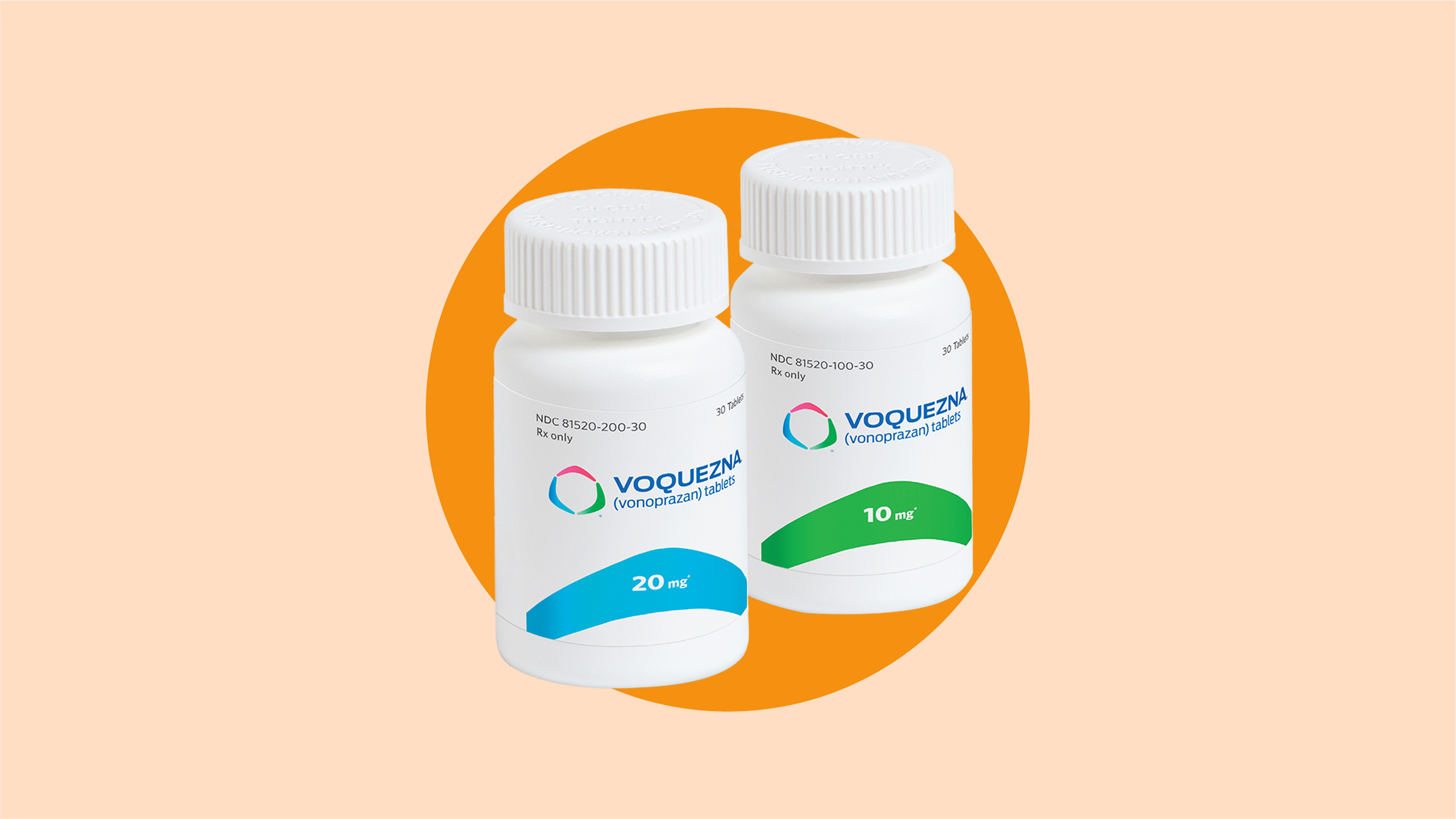
In addition to medication, certain daily habits can significantly reduce symptoms. Strategies that can help manage GERD often also ease gas and bloating. These include:
- Eating smaller, more frequent meals instead of large portions
- Avoiding trigger foods such as spicy, fatty, or acidic items
- Limiting alcohol consumption
- Stopping smoking
- Maintaining a healthy weight
- Waiting at least two to three hours after eating before lying down
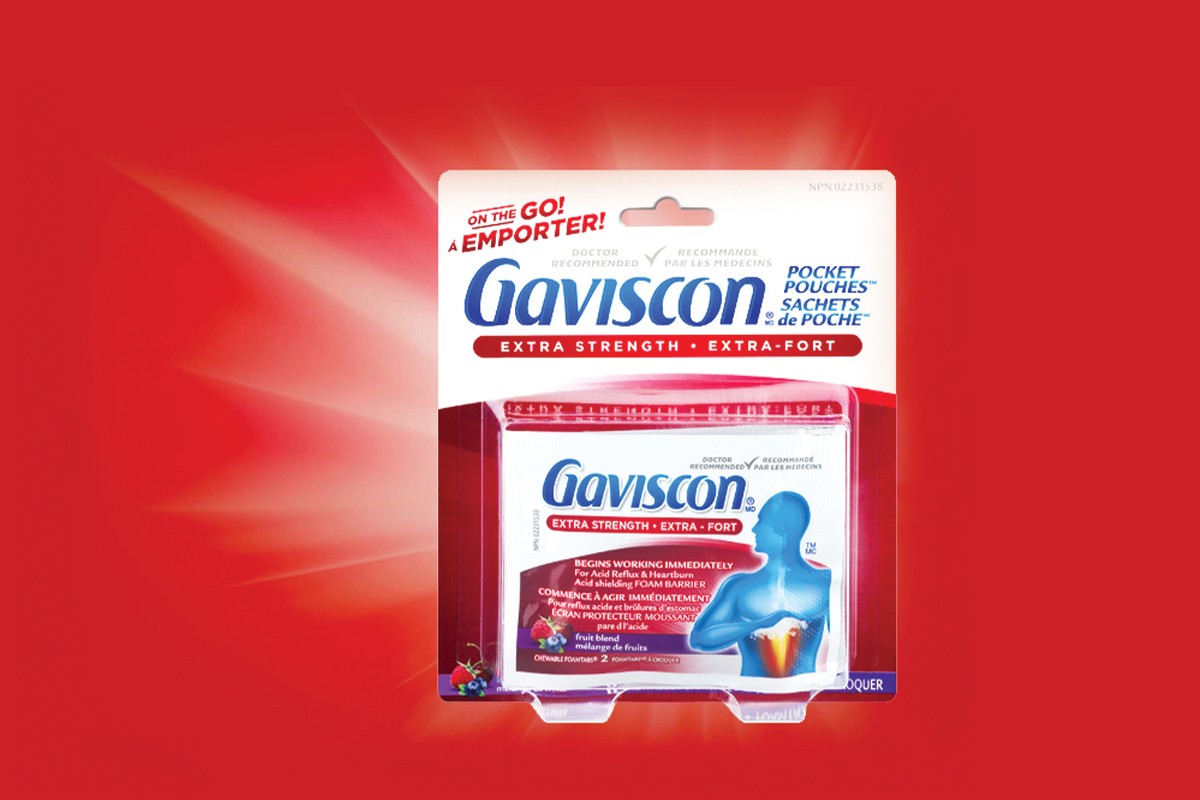
For gas relief specifically, medications like simethicone (Gas-X) may help break up gas bubbles in the digestive tract. Certain forms of Tums can also address heartburn while offering mild gas relief. If throat irritation is a prominent symptom, you may also want to learn about the Best medicine for acid reflux in throat, as laryngopharyngeal reflux can require targeted management.
Choosing the Best medicine for acid reflux and gas depends on your individual symptoms. Some people benefit most from acid-reducing medications, while others require combined treatment for both reflux and bloating.
When to see a doctor
If you experience acid reflux more than twice per week over an extended period, consult your doctor to evaluate for GERD.
Likewise, frequent bloating or excessive gas—especially when accompanied by abdominal pain, unexplained weight loss, persistent nausea, or changes in bowel habits—warrants medical evaluation. Identifying the underlying cause ensures that you receive appropriate and effective treatment.
Although acid reflux, gas, and bloating are common and often occasional, recurring symptoms should not be ignored. With proper care, you can find relief and improve your overall digestive comfort.
Frequently asked questions
How long does acid reflux and gas last?
Episodes of acid reflux and heartburn typically last a few hours, though duration varies depending on the trigger and underlying cause. Similarly, bloating and gas usually resolve within several hours. If symptoms persist beyond that timeframe, consult your doctor.
Does high acidity cause bloating?
High stomach acid can contribute to both acid reflux and bloating.
Why do I have bloating and acid reflux at night?
Acid reflux and bloating or gas can be triggered by multiple factors. Nighttime reflux symptoms often feel worse because stomach acid levels are higher in the evening. Additionally, lying down allows acid to remain in the esophagus since gravity no longer helps return it to the stomach. Eating too close to bedtime or taking certain medications may further intensify symptoms.
Takeaway
Gas develops either from swallowing air or from bacterial breakdown of food in the colon. When it leaves the body, it is called flatulence. Trapped gas, on the other hand, occurs when gas remains in the abdomen.
This can lead to bloating and discomfort. It is common for individuals with acid reflux or GERD to also experience gas and bloating, often due to shared triggers. Treatment options range from dietary adjustments and lifestyle changes to medications designed to reduce acid production or relieve intestinal gas.
By understanding the connection between these symptoms and selecting the Best medicine for acid reflux and gas for your needs, you can take meaningful steps toward long-term digestive relief.























Leave a Reply
You must be logged in to post a comment.